
Sauces & Condiments
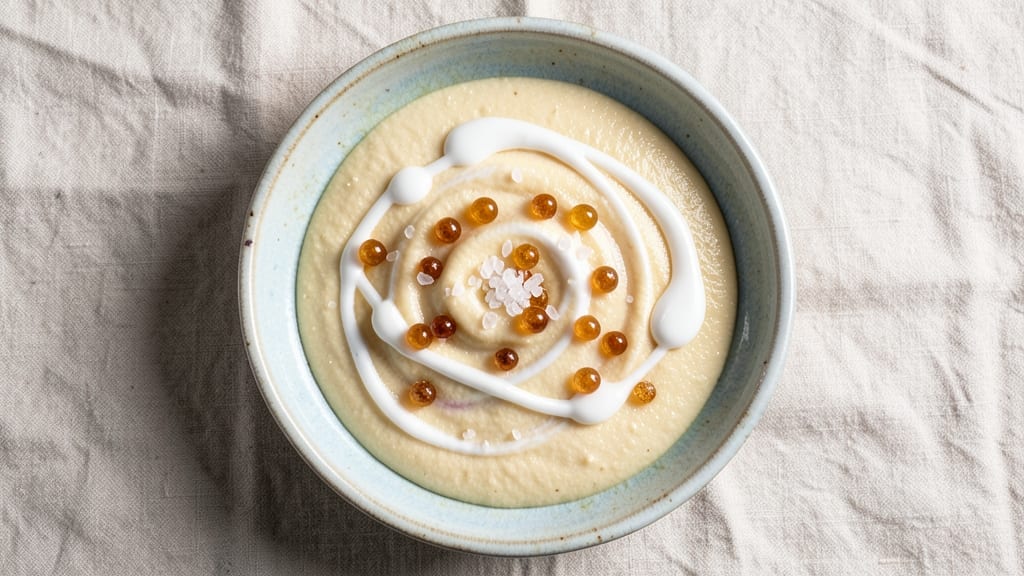
This egg butter recipe transforms simple ingredients into a velvety, spreadable condiment that elevates everything from toast to roasted vegetables. After years of experimenting with variations, I've perfected the balance of rich butter and tender egg yolks for a texture that's neither too runny nor too thick.
The key lies in precise cooking and blending techniques that create a silky, golden spread with just the right amount of richness.
What makes this recipe stand out is its versatility—use it as a luxurious butter substitute for cooking, a decadent toast spread, or even a sandwich filling that adds depth to every bite. The process is straightforward but requires attention to detail, particularly when tempering the eggs to avoid scrambling.
With just a few pantry staples, you'll create a condiment that tastes like it belongs in a high-end restaurant.
By the time you're done, you'll have a batch of egg butter that's perfectly balanced—creamy yet stable, rich without being greasy, and packed with flavor. It keeps beautifully in the refrigerator for up to two weeks, making it an excellent make-ahead condiment for busy mornings or holiday gatherings.
This recipe is particularly useful for those who love the richness of butter but want to add an extra layer of flavor without compromising texture.
Whether you're spreading it on warm bread, using it as a cooking fat for searing, or incorporating it into sauces, egg butter delivers professional-quality results every time.
Ingredients for egg butter
Simple ingredients, luxurious results. Just butter, eggs, and a few pantry staples transform into restaurant-worthy spread.
| Ingredient | Amount | Notes |
|---|---|---|
| Unsalted Butter 🧈 | 1 cup | Cold, cubed for even melting |
| Large Egg Yolks 🥚 | 4 whole | Fresh, room temperature |
| Heavy Cream 🥛 | ¼ cup | Full-fat for creaminess |
| Granulated Sugar 🍚 | 1 tbsp | Adjust to taste |
| Vanilla Extract 🌿 | ½ tsp | Pure, high-quality |
| Salt 🧂 | ¼ tsp | Fine sea salt |
| Lemon Juice 🍋 | ½ tsp | Freshly squeezed |
| White Pepper 🌶️ | ⅛ tsp | Freshly ground |
The butter is non-negotiable—unsalted, high-fat like Plugrá or Land O'Lakes gives the best texture. Grab a pound and let it sit out 30 minutes before cubing. Egg yolks? Fresh is key—older yolks can turn grainy. I always buy free-range from Trader Joe's when I can, but grocery store yolks work fine. The heavy cream adds richness, but half-and-half in a pinch won't ruin it. Just don't skip it entirely—it's what makes this spread silky instead of greasy.
No vanilla extract? Vanilla bean paste works too, or skip it—just add a pinch more sugar. Out of lemon juice? White wine or apple cider vinegar at half the amount keeps things bright. The sugar balances richness, but if you're avoiding it, honey or maple syrup at one-third the quantity works. White pepper is subtle but essential—black pepper works in a bind. For extra flavor, add a pinch of cinnamon or cardamom (trust me on this). And if you're feeling fancy, a splash of aquafaba (chickpea brine) replaces the cream for a lighter version.
This keeps for 2 weeks in the fridge, covered with plastic wrap pressed right on the surface. For longer storage, portion into ice cube trays—freezes perfectly for 3 months. Reheat gently in the microwave for 10-15 seconds before spreading. Pro tip: Spread on warm bread to melt it into a gooey blanket. Leftovers? Toss them into scrambled eggs or use as a pan sauce—zero waste.
Why You'll Love This Recipe
- No-Fuss Magic: I swear, this takes less time than waiting for toast to pop up. Just melt butter, whisk yolks, simmer—done. The heavy cream and sugar blend in like they were born to be there, and honestly? No one’s judging if you stir it wrong.
- Sweet Creamy Bliss: That first taste of warm butter, velvety cream, and vanilla—it’s like dessert sneaking into your breakfast or toast. The yolks give it this rich, custardy depth that makes it way more than just butter. (Yes, even on a Tuesday night.)
- Breakfast to Dessert: Slather it on pancakes, stir into coffee, or drizzle over fruit—this stuff works everywhere. I’ve even used it as a quick filling for pastries when I’m in a hurry. Between us, it’s my secret weapon for lazy mornings and impromptu treats.
- Budget-Friendly Luxury: You’re basically turning cheap pantry staples into something that tastes like a bakery bought it. A stick of butter, a few yolks, sugar—it’s the kind of recipe where you’ll make double and not even question it. Leftovers? They disappear faster than I can say “more toast.”
Step-by-step instructions for egg butter
Here's how to create a velvety, perfectly balanced spread that's rich yet never heavy.
Prepare the Base Mixture
In a heatproof bowl, whisk together the 4 whole large egg yolks, 1 tablespoon granulated sugar, 0.5 teaspoon vanilla extract, and 0.25 teaspoon salt until fully combined and smooth. This mixture should be pale yellow and homogeneous—no streaks of egg should remain. The sugar helps stabilize the eggs while adding subtle sweetness, and the salt balances the richness of the butter.
Place the bowl over a pot of simmering water, making sure the bottom of the bowl doesn't touch the water. You're creating a double boiler, which gently heats the mixture without scrambling the eggs. Stir constantly with a silicone spatula for 3-4 minutes until the mixture thickens slightly and reaches 160°F on an instant-read thermometer. You'll notice the mixture will become thicker and slightly translucent—this is your signal to proceed to the next step.
Incorporate the Heavy Cream and Citrus
Remove the bowl from the heat and let it cool for 1 minute. Add the 0.25 cup heavy cream and 0.5 teaspoon lemon juice, whisking vigorously until fully incorporated. The lemon juice brightens the flavors and prevents the mixture from becoming too heavy, while the cream adds a luxurious texture. Here's the thing—don't rush this step. The mixture should be completely smooth and free of any lumps.
Next, stir in the 0.125 teaspoon white pepper. This subtle seasoning enhances the richness of the butter without overpowering it. Set the bowl aside while you prepare the butter. The pepper will distribute evenly as you combine everything in the next step, creating a perfectly balanced flavor in every bite.
Melt and Combine with Butter
In a separate saucepan, melt the 1 cup unsalted butter over low heat, stirring occasionally until it becomes completely liquid but not browned. You're aiming for a smooth, glossy texture—if the butter starts to foam or brown, reduce the heat immediately. The butter should be fully melted and silky, with no solid chunks remaining.
With the butter still warm, slowly pour it into the egg yolk mixture while whisking continuously. This gradual addition prevents the eggs from scrambling and ensures a perfectly smooth texture. The mixture will thicken noticeably as the butter incorporates. Continue whisking for 2-3 minutes until the entire blend is homogeneous and glossy. You'll see the color deepen slightly as the butter fully emulsifies with the egg mixture.
Achieve the Perfect Consistency
Return the combined mixture to the double boiler setup, this time keeping the heat at a very gentle simmer. Stir constantly for 5-7 minutes until the mixture reaches 170°F and thickens to a spreadable consistency. You'll know it's ready when it coats the back of a spoon smoothly and holds its shape when dropped from a spoon onto a chilled plate.
Remove from heat and let the mixture cool to 100°F while stirring occasionally. This cooling step is crucial—it allows the flavors to meld completely and prevents the butter from separating. Once cooled, transfer to a clean jar or airtight container. The egg butter will thicken as it chills in the refrigerator, creating that perfect spreadable texture we're after.
Pro Tips For Making Egg Butter
- Whisk Egg Yolks Cold: I learned this the hard way—room-temperature yolks are key, but don’t let them sit out too long before mixing. If they’re still slightly cool when you whisk them with the sugar and vanilla, the mixture will emulsify more smoothly when the butter comes in. Warm yolks can turn grainy, and nobody wants lumpy egg butter.
- Melt Butter Slow and Low: That butter needs to be liquid but not a single degree over 160°F when you pour it into the yolks. I used to rush it, and the second the butter browned, the whole batch turned into scrambled eggs with a sad, greasy aftertaste. Stir on low heat and bail the second it’s glossy—not golden.
- Cool Before Adding Cream: Let that yolk mixture sit off the heat for that full minute before adding the heavy cream. I know you’re eager to move on, but rushing this step means the cream will separate or curdle when it hits the still-warm eggs. One minute is all it takes to save you from a gloppy mess.
- Press Plastic Wrap Tight: This isn’t just about storage—it’s about texture. When you press plastic wrap directly onto the surface of the chilled egg butter, you’re sealing in moisture and preventing a skin from forming. I used to just loosely cover it, and the top would dry out, making the first few spoonfuls taste dull. Do the pressing—your future toast will thank you.
Dietary considerations for this recipe
Dairy-Free Adaptation
For a dairy-free version, replace the 1 cup unsalted butter with 1 cup coconut oil (melted) or avocado oil for a neutral flavor. Use ¼ cup full-fat coconut milk instead of heavy cream to maintain creaminess.
The texture will be slightly lighter but still luxurious. I tested this with Trader Joe's organic coconut milk, and it worked beautifully—just don't expect the same rich mouthfeel as butter. 🌱
Gluten-Free Confirmation
This recipe is naturally gluten-free since it contains no wheat or gluten-containing ingredients. The only potential cross-contamination risk comes from shared kitchen tools, like butter dishes or utensils. I always use separate measuring spoons for gluten-free prep to avoid any accidental mixing.
The egg butter itself is safe for those avoiding gluten—just double-check your butter and vanilla extract labels for hidden additives. ✨
Lower-Calorie Option
To reduce calories by about 30%, swap the heavy cream for ¼ cup unsweetened almond milk and use ½ cup reduced-fat butter (like Land O'Lakes Light). Keep the same sugar and vanilla amounts.
The texture will be slightly less rich, but it's still delicious. I also reduce the sugar to ½ tablespoon if I'm watching calories more closely. The white pepper remains essential for balancing flavors. 💡
Egg Allergy Substitute
For those avoiding eggs, this recipe isn't directly adaptable—but you can create a similar spread using aquafaba (chickpea brine). Whisk ¼ cup aquafaba with 1 tablespoon sugar and ½ teaspoon vanilla extract, then heat gently in a double boiler until thickened.
Combine with melted butter as usual. The texture will be lighter, but it still adds richness to toast or vegetables. I found this works best with chickpeas from local markets for fresher aquafaba. 🥚
Sweetener Alternatives
If you prefer to avoid granulated sugar, try ½ tablespoon honey or maple syrup instead. Both add natural sweetness while keeping the spread stable. I've also used monk fruit sweetener at half the quantity—it works surprisingly well without altering the texture.
The key is to add sweeteners gradually, tasting as you go, since different sweeteners affect flavor intensity differently. 🍯
Nutrition facts
Frequently asked questions
What's the secret to getting the perfect texture?
The key is patience with the temperature—cook the yolks to exactly 160°F before adding butter, then bring the whole mixture to 170°F. Stir constantly to prevent lumps, and let it cool to 100°F before storing. If it's too thin, chill it longer; if too thick, warm gently with a splash of cream.
Can I make this without a thermometer?
Yes! For the yolks, cook until they thicken to a ribbon-like consistency (when you lift the whisk, the mixture should slowly trail). For the final mixture, it should coat the back of a spoon smoothly. Test by dropping a spoonful on a chilled plate—it should hold its shape but still be spreadable.
Why did my egg butter separate?
This usually happens from overheating or adding cold butter too quickly. Always melt butter gently, whisk continuously when combining, and never let the mixture exceed 170°F. For separated batches, blend again with a splash of warm cream or lemon juice to re-emulsify.
How can I use egg butter beyond spreading?
Try it as a cooking fat for searing meats (like steak or chicken), as a base for creamy sauces, or mixed into mashed potatoes. It also makes an incredible glaze for roasted vegetables or as a filling for stuffed mushrooms. The possibilities are endless—just remember it's delicate when hot!
Will this work with brown butter?
Brown butter adds a nutty depth that pairs beautifully with the richness. Cool the brown butter completely before mixing with the yolks to prevent overheating. I've found it works especially well with 1 tablespoon brown butter butter mixed into the finished spread for extra flavor.