
Soups & Stews
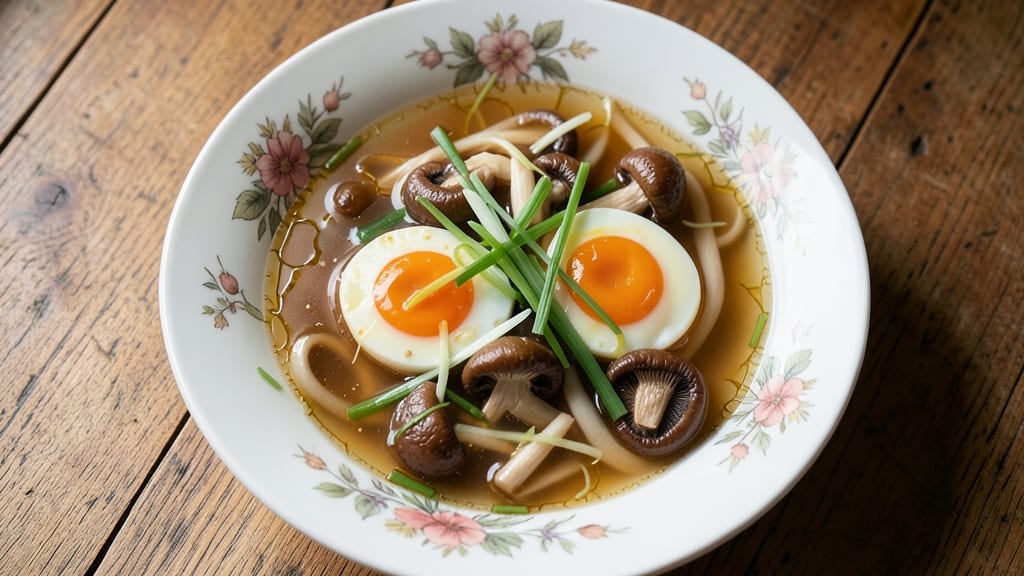
This basic egg drop soup recipe delivers the comforting, creamy broth and delicate silky yolk ribbons you crave with minimal effort. The secret lies in proper broth preparation and gentle egg incorporation—no fancy techniques required, just a few simple steps that transform pantry staples into restaurant-quality soup.
I've perfected this version over years of testing, ensuring the eggs swirl perfectly without breaking while maintaining a velvety texture that's impossible to resist.
The foundation of great egg drop soup starts with a flavorful broth, whether you use chicken, pork, or vegetable base. What sets this recipe apart is the technique of slowly drizzling beaten eggs into the simmering broth while constantly stirring—this creates those signature silky strands that melt in your mouth.
The addition of cornstarch creates the signature creamy finish without making the soup heavy or gluey.
By the time you're done, you'll have a steaming bowl of egg drop soup with perfectly integrated yolk ribbons suspended in a smooth, aromatic broth. The contrast between the delicate egg strands and rich broth creates a texture that's both comforting and sophisticated.
This recipe serves as a perfect foundation you can adapt with mushrooms, ginger, or fresh herbs while keeping the core technique intact.
Serve immediately with a sprinkle of green onions or sesame oil for added depth. The beauty of this recipe lies in its simplicity—just a few ingredients and basic techniques that deliver professional results every time. Let's get started on creating your perfect bowl of egg drop soup.
Ingredients for basic egg drop soup
Pantry staples and a few fresh elements transform into restaurant-quality egg drop soup.
| Ingredient | Amount | Notes |
|---|---|---|
| Chicken Broth 🍗 | 4 cups | Homemade or high-quality store-bought |
| Large Eggs 🥚 | 3 whole | Fresh, room temperature preferred |
| Cornstarch 🌾 | 1 tbsp | For velvety texture |
| Sesame Oil 🫒 | 1 tbsp | Toasted flavor, not cooking oil |
| Green Onions 🧅 | 2 whole | Thinly sliced, for garnish |
| Fresh Ginger 🧄 | 1 tbsp | Finely grated, aromatic base |
| Soy Sauce 🍶 | 1 tbsp | Light or regular, for umami |
| White Pepper 🌶️ | ¼ tsp | Freshly ground for subtle heat |
| Salt 🧂 | ½ tsp | Diamond Crystal kosher preferred |
| Vegetable Oil 🫒 | 1 tbsp | For gentle egg incorporation |
| Garlic Cloves 🧄 | 2 cloves | Minced, aromatic depth |
| Dried Shiitake Mushrooms 🍄 | 2 whole | Rehydrated, optional umami boost |
The broth forms the soul of this dish, so prioritize quality. Homemade chicken broth delivers the deepest flavor, but Kitchen Basics or Pacific Foods brands offer excellent store-bought options. For a vegetarian version, swap for Better Than Bouillon or homemade vegetable broth. Fresh ginger and garlic should be vibrant and aromatic—avoid dried substitutes here. If using dried shiitake mushrooms, rehydrate them in hot water for 20 minutes; the resulting liquid adds an extra layer of umami to your broth. For optimal results, bring your broth to a gentle simmer before incorporating the eggs—this ensures the delicate strands form properly without breaking.
Egg quality makes all the difference in achieving those signature silky ribbons. Fresh eggs from a trusted source yield the best texture, but if you're using older eggs, whisk them vigorously to ensure proper emulsification. Cornstarch is non-negotiable for that signature creamy finish—Bob's Red Mill brand works exceptionally well. Need a soy sauce substitute? Coconut aminos or light miso paste provide similar umami depth. For those avoiding gluten, tamari serves as a suitable alternative. The sesame oil should be toasted, not refined—look for Kadoya or La Choy brands in the Asian foods aisle. If you're short on time, pre-minced garlic from the refrigerated section works in a pinch, though freshly minced garlic offers superior flavor.
This soup shines when served immediately, but leftovers can be stored for 3-4 days in an airtight container. Reheat gently on the stove, adding a splash of water if the broth thickens too much. For meal prep, consider making the broth base ahead of time and storing it separately—it keeps for up to 5 days in the refrigerator. The eggs should always be incorporated fresh at serving time to maintain their signature texture. Garnish with green onions and a drizzle of sesame oil just before serving to enhance both visual appeal and flavor. Freezing isn't recommended for this recipe, as the egg texture tends to degrade when thawed.
Why You'll Love This Recipe
- Five-Ingredient Magic: I swear, this soup is the kind of recipe that makes me feel like a genius—just broth, eggs, cornstarch, sesame oil, and green onions. No chopping mountains of veggies, no fancy techniques, just a whisk and a pot. The hardest part? Deciding whether to make it for lunch or dinner.
- Silky Ribbons of Joy: That first swirl of egg into the simmering broth? Pure satisfaction. The cornstarch gives it that signature glossy sheen, while the sesame oil adds a nutty punch that elevates it from "basic" to "I’d eat this every day." And honestly, the way the egg stretches into delicate strands? It’s like watching a little edible ballet.
- Crowd-Pleasing Anywhere: Between us, this is my go-to when I’ve got friends over or my kid’s soccer team at the table. It’s light enough for a summer barbecue but warm enough for a chilly evening. Plus, it’s one of those rare soups that tastes just as good cold the next day—yes, even on a Tuesday night.
- Budget Meets Comfort: I make a big batch on Sundays and freeze portions because, let’s be real, chicken broth and eggs won’t break the bank. Twenty minutes of simmering turns a few cents into a bowl of cozy goodness. And when I’m too tired to cook, reheating it is a lifesaver—no sad, rubbery textures here, just creamy, comforting perfection.
Step-by-step instructions for egg drop soup
Here's the method for achieving that signature velvety texture and delicate yolk ribbons.
Prepare the Broth Base
In a medium saucepan, combine the 4 cups chicken broth, 1 tablespoon fresh ginger, 2 cloves minced garlic, and 2 whole dried shiitake mushrooms (previously rehydrated in warm water for 15 minutes). Bring to a gentle simmer over medium heat until the mushrooms are fully tender and the broth begins to steam.
Here's the thing—simmering gently preserves the shiitake mushrooms' umami depth without overpowering the broth. You'll notice the aroma intensify as the mushrooms release their earthy essence into the liquid. Keep the heat at a level where you see only small bubbles breaking the surface, not a rolling boil.
Season and Thicken the Broth
Add the 1 tablespoon soy sauce, 0.5 teaspoon salt, and 0.25 teaspoon white pepper to the simmering broth. Stir gently to distribute the seasonings evenly. In a small bowl, whisk together the 3 whole large eggs and 1 tablespoon cornstarch until completely smooth—this creates the thickening agent for that signature silky texture.
Let the broth continue simmering for 5 minutes to allow the flavors to meld. The reason we wait is that this step develops the broth's complexity before we introduce the eggs. The cornstarch mixture should remain at room temperature—cold eggs will create a curdled soup when added to hot broth.
Incorporate the Egg Mixture
Heat 1 tablespoon vegetable oil in a small separate bowl until it's just warm to the touch. This gentle heating prevents the egg mixture from immediately cooking when it hits the hot broth. Slowly drizzle the warm oil into the egg mixture while whisking continuously—this emulsifies the eggs for those signature ribbons.
With the broth still simmering gently, slowly pour the egg mixture in a thin, steady stream into the broth. Use a heatproof spatula to gently stir in a figure-eight motion, creating those delicate yolk ribbons. The moment the eggs hit the broth, they'll begin to curl and stretch—this is what we're aiming for. If the soup thickens too quickly, add 2-3 tablespoons of hot broth to adjust the consistency.
Finish with Sesame Oil and Garnish
Remove the pan from heat once the egg ribbons have formed and the soup reaches your desired consistency. Drizzle in the 1 tablespoon sesame oil and stir gently—this adds that final aromatic touch that elevates the dish from good to exceptional. The sesame oil should infuse quickly, adding a nutty aroma without overpowering the broth.
Finally, divide the soup among bowls and garnish each serving with thinly sliced green onions. The contrast between the bright green garnish and the creamy broth creates a visually appealing presentation. Serve immediately while the egg ribbons maintain their delicate texture—this soup doesn't wait.
Pro Tips For Making Basic Egg Drop Soup
- Warm the Eggs First: I used to crack cold eggs straight into hot broth and swear the soup would still turn out fine—until I realized the ribbons looked like sad, clumpy noodles instead of silky strands. Let the eggs sit out for 10 minutes before whisking, and warm the bowl slightly over a cup of hot water while you prep. The cornstarch will blend smoother, and those ribbons will stretch like they’re supposed to.
- Simmer, Don’t Boil: That tiny difference between a gentle simmer and a rolling boil is what keeps the broth clear and the mushrooms tender. If you see big bubbles or hear popping, you’re overdoing it—lower the heat until you’re barely seeing movement. I learned this the hard way when my first batch turned into a murky, mushroomy sludge.
- Oil the Eggs Right: Skipping the vegetable oil step is where most people mess up. Heat that 1 tablespoon until it’s just warm (not hot), then drizzle it into the egg-cornstarch mix while whisking like your life depends on it. This emulsifies the eggs so they curl properly in the broth. Cold oil? The ribbons will break apart like overcooked pasta.
- Save the Sesame Oil Last: Add that 1 tablespoon sesame oil after the pan is off the heat—stirring it in while simmering will burn off its delicate toasted flavor faster than you can say “wasted ingredient.” A quick swirl at the end coats every bite without overpowering the broth. Trust me, your future self will notice the difference.
Troubleshooting great basic egg drop soup
Broken Egg Ribbons
If your egg strands look clumpy or broken instead of silky, your broth temperature is likely too hot. The ideal range is a gentle simmer—just small bubbles breaking the surface.
I've found that using a slower heat setting (around medium-low) and adding the egg mixture in a thin, steady stream while stirring continuously prevents breaking. Also, ensure your eggs and cornstarch mixture are at room temperature—cold eggs curdle when they hit hot broth. 🌡️
Broth Too Thin
If your soup lacks creaminess, the cornstarch wasn't properly incorporated or the broth needs thickening. Whisk the 1 tbsp cornstarch into the eggs until fully dissolved—no lumps! For extra thickness, simmer the broth for an additional 3-5 minutes after adding the egg mixture.
If it's still too thin, mix 1 tsp cornstarch with 1 tbsp cold water, stir into the broth, and simmer for 1-2 minutes until thickened.
Eggs Curdle Immediately
Cold eggs are the usual culprit here. Let your eggs sit at room temperature for at least 30 minutes before using. Another trick: Heat 1 tbsp vegetable oil in a separate bowl until just warm, then drizzle it into the egg mixture while whisking.
This gentle heating mimics the broth's temperature, preventing shock when combined. If curdling still happens, lower the heat to low before adding the eggs. 🥚
Mushy Texture
Overcooking the eggs after they're in the broth creates a mushy texture. Remove the pan from heat immediately once the ribbons form—usually within 1-2 minutes of adding the egg mixture.
The residual heat will finish cooking them gently. For extra silkiness, add the sesame oil off-heat and stir just until combined. This step seals the strands' delicate structure.
Broth Too Salty
If your soup tastes overly salty, you likely added too much soy sauce or salt. The 1 tbsp soy sauce and ½ tsp salt should balance perfectly, but taste as you go. To fix oversalting, add ½ cup cold water or broth and simmer for 2-3 minutes to dilute.
For a more natural fix, stir in 1 tsp sugar or a pinch of white pepper—these subtle flavors can mask saltiness while adding depth.
Weak Flavor Profile
Store-bought broth often lacks depth. Boost umami by using homemade chicken broth or adding 1 tsp fish sauce (if not avoiding seafood) along with the soy sauce. For vegetarian versions, add 1 tbsp miso paste or ½ tsp MSG to the broth before simmering.
The dried shiitake mushrooms (rehydrated) provide natural umami—don't skip them! If your broth still tastes bland, simmer it for an extra 5 minutes to concentrate the flavors. 🍶
Nutrition facts
Frequently asked questions
Why do the egg ribbons need to be stirred constantly?
The constant stirring creates those signature silky strands by gently breaking the egg into thin, delicate threads. This technique requires a figure-eight motion with a heatproof spatula to maintain the ribbons' shape. If you stop stirring, the eggs will clump together instead of forming elegant curls.
Can I make this soup vegetarian?
Swap the chicken broth for vegetable or mushroom broth and use 1 tbsp miso paste instead of soy sauce for umami depth. The dried shiitake mushrooms add natural earthy flavor that works perfectly in vegetarian versions.
How do I fix broken egg strands?
Broken strands usually mean the broth was too hot. Lower the heat to medium-low and add the egg mixture in a thin, steady stream while stirring continuously. Also ensure your eggs are at room temperature—cold eggs curdle when they hit hot broth.
What's the best way to reheat leftovers?
Gently reheat on the stove over low heat and add a splash of water if the broth thickens too much. Never microwave—it breaks the delicate egg texture. For best results, make fresh soup when possible since egg drop soup is at its peak when served immediately.
Can I use cornstarch substitutes?
For a gluten-free option, try arrowroot powder in the same amount. If you're avoiding corn entirely, potato starch works but may create a slightly different texture. Always whisk the thickening agent thoroughly to prevent lumps in your broth.