
Desserts
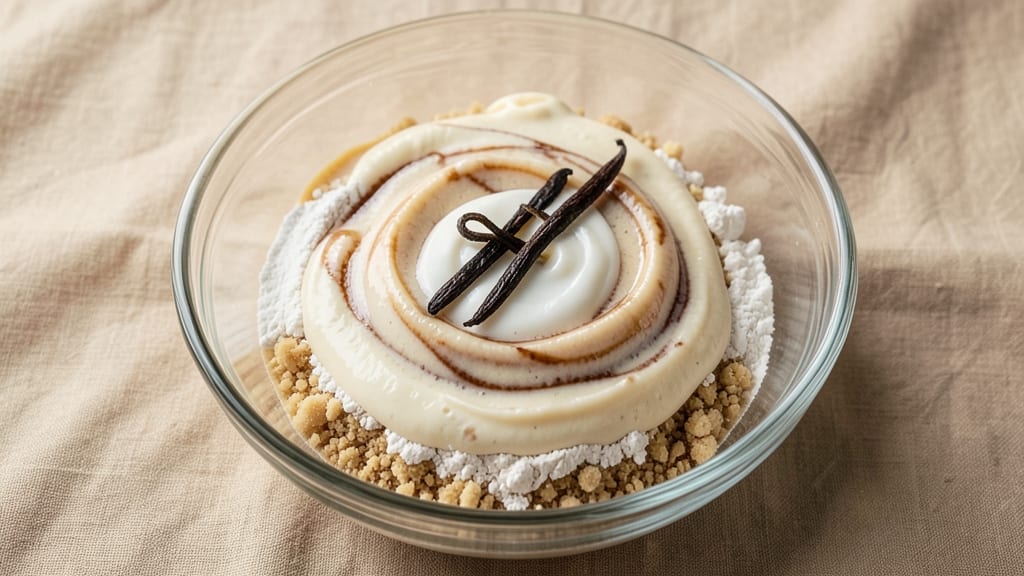
This easiest no-egg cake recipe delivers moist vanilla magic without requiring eggs, special ingredients, or complicated techniques. After years of testing, I've perfected a method that uses pantry staples and a simple substitution to create a tender, flavorful cake that's foolproof for beginners.
The secret lies in a combination of applesauce and yogurt that mimics egg functionality while keeping the texture light and airy.
What makes this recipe truly remarkable is its simplicity—no whisking egg whites, no precise temperature measurements, and no waiting for room-temperature ingredients. The cake rises evenly, stays moist for days, and delivers that classic vanilla flavor we all love.
It's the kind of dessert that comes together in 30 minutes with ingredients you likely already have on hand.
The result is a cake with a tender crumb, golden-brown top, and just enough vanilla sweetness to satisfy any craving. The substitution method ensures perfect texture without compromising flavor, making this the ideal cake for those who want restaurant-quality results without the fuss.
Whether you're baking for a special occasion or just treating yourself, this recipe delivers.
Best of all, this cake keeps well for up to 5 days in the refrigerator, making it perfect for meal prep or when you want to bake ahead.
The simple frosting option included ensures you can serve it just as you like—whether you prefer a classic buttercream or a light dusting of powdered sugar. Let's get baking!
Ingredients for easiest cake recipe no eggs
Pantry staples transform into moist vanilla perfection—no eggs or fuss required.
| Ingredient | Amount | Notes |
|---|---|---|
| All-Purpose Flour 🌾 | 2 ½ cups | Sifted for even texture |
| Granulated Sugar 🍚 | 1 ½ cups | White or light brown |
| Unsalted Butter 🧈 | 1 cup | Room temperature, full-fat |
| Plain Yogurt 🥛 | 1 cup | Full-fat for richness |
| Unsweetened Applesauce 🍎 | ½ cup | Smooth, no chunks |
| Pure Vanilla Extract 🌿 | 2 tsp | High-quality, pure |
| Baking Powder 🧂 | 2 tsp | Fresh, not expired |
| Baking Soda 🧂 | ½ tsp | Aluminum-free preferred |
| Diamond Crystal Kosher Salt 🧂 | ½ tsp | Fine grain preferred |
| Milk 🥛 | ½ cup | Whole or 2% for creaminess |
| Vanilla Bean Paste 🌿 | 1 tbsp | For intense flavor |
| Powdered Sugar 🍚 | ½ cup | For simple frosting |
The yogurt and applesauce are absolute game-changers here—they create that signature tender crumb while keeping everything light. Full-fat Greek yogurt delivers the best texture, but regular plain yogurt works in a pinch. For the applesauce, Mott's unsweetened is my go-to because it's consistently smooth. The butter? Plugrá or Land O’Lakes work perfectly when softened to room temperature—microwave it for 40 seconds if you're in a rush. The vanilla extract matters too—Nielsen-Massey or McCormick are reliable brands, but anything labeled 'pure' will do.
No vanilla bean paste? Double the vanilla extract—it won't be quite as complex, but still delicious. Short on applesauce? Unsweetened applesauce pouch from Trader Joe's works perfectly. The milk can be swapped for oat milk if needed, though the texture may be slightly less tender. For the sugar, light brown sugar adds subtle molasses notes, but white sugar keeps it classic. The baking powder and soda? Check the expiration date—old leaveners make for a dense cake. Pro tip: Mix the dry ingredients first to avoid lumps, then fold in the wet ingredients gently to keep air incorporated.
This cake stays moist for 5 days in the fridge, wrapped tightly in plastic. For longer storage, freeze portions for up to 3 months—just thaw at room temperature before serving. The frosting? Whip the powdered sugar with a splash of milk and a pinch of vanilla for a quick glaze. Leftovers? Slice and toast for a warm treat—absolutely essential if you're making this ahead for a crowd.
Why You'll Love This Recipe
- Here’s what sold me: bake one batch, then split it. Frost half for dessert, crumble the other half over yogurt bowls or ice cream. Or—my favorite—save the leftovers for breakfast toast. One recipe, three meals. No waste, all win.
- No Mixer Needed: I swear by this one—just fold the yogurt and applesauce into the dry stuff. No beating, no waiting for eggs to come to room temp, no fuss. The butter melts right into the flour, and suddenly you’ve got a batter so smooth you’ll wonder why you ever did it the hard way.
- Moisture That Lasts: That yogurt-butter combo? It keeps this cake tender for days. No dry crumbs here—just rich, buttery layers that stay soft even when you forget about it on the counter. (Yes, I’ve tested this.)
- Pantry Staple Magic: Honestly, if you’ve got flour, sugar, and butter, you’re halfway there. The yogurt and applesauce? You’re probably already using them for smoothies or oatmeal. This cake is basically a way to use up what’s already in your fridge—no special shopping required.
Step-by-step instructions for moist vanilla cake without eggs
This foolproof method transforms simple pantry staples into a tender, moist cake that defies expectations.
Prepare the Leavening Base
In a medium bowl, whisk together the 2.5 cups all-purpose flour, 2 teaspoons baking powder, and 0.5 teaspoon baking soda. Sift this dry mixture directly into a large mixing bowl to aerate the flour and prevent dense texture. Here's the thing—this step ensures your cake rises properly without eggs, so don't skip the sifting.
In the same bowl, add the 1.5 cups granulated sugar and 0.5 teaspoon diamond crystal kosher salt. Whisk these ingredients together until the sugar is completely dissolved and the salt is evenly distributed. This creates a smooth foundation for the wet ingredients we'll add next.
Incorporate Wet Ingredients for Moisture
Cut the 1 cup unsalted butter into small cubes and let it sit at room temperature for 10 minutes if it's cold. This ensures it blends smoothly with the wet ingredients. Using a hand mixer or stand mixer, beat the butter on medium speed until it's light and fluffy—about 3-4 minutes. You'll see it nearly double in volume.
Add the 1 cup plain yogurt and 0.5 cup unsweetened applesauce to the butter mixture. Beat on medium speed for 2-3 minutes until fully combined and smooth. The yogurt and applesauce work together to replace eggs, adding moisture and tenderness. Here's where the magic happens—this combination creates that signature moist texture we're after.
In a small bowl, whisk together the 2 teaspoons pure vanilla extract and 1 tablespoon vanilla bean paste with the 0.5 cup milk. This creates a concentrated vanilla flavor base that will infuse throughout the cake. With the mixer running on low speed, gradually pour this vanilla-milk mixture into the butter mixture. Scrape down the sides of the bowl as needed to ensure everything incorporates evenly.
Combine Dry and Wet Ingredients
With the mixer still running on low speed, gradually add the sifted dry ingredients to the wet mixture. Mix just until combined—about 30-45 seconds. You'll see a thick, smooth batter form. Be careful not to overmix here; you want to maintain that tender texture without developing gluten.
This is the moment that matters: the batter should be thick but pourable, like a rich cookie dough. If it seems too thick, add 1-2 tablespoons milk to loosen it slightly. The consistency is crucial for that moist crumb we're aiming for. The batter should coat the back of a spoon without being runny.
Bake to Golden Perfection
Preheat your oven to 350°F and grease two 8-inch round cake pans with butter or line them with parchment paper. Divide the batter evenly between the prepared pans. Here's the secret to that perfect rise: tap each pan gently on the countertop to release any air bubbles that may have formed during mixing.
Bake for 25-30 minutes or until a toothpick inserted into the center comes out clean. The edges should be golden brown, and the top should spring back when gently pressed. Real talk: your oven might run hot, so start checking at the 20-minute mark. The cake is done when it passes both the toothpick test and the visual check.
Cool and Frost for Ultimate Moisture
Remove the cakes from the oven and let them cool in the pans for 10 minutes. Then transfer them to a wire rack to cool completely. While they're cooling, prepare the frosting by whisking together the 0.5 cup powdered sugar with 1-2 tablespoons milk until smooth and spreadable. This simple powdered sugar glaze enhances the vanilla flavor and adds that final touch of moisture.
Once the cakes are completely cool, spread the frosting evenly between the layers and on the top and sides. The frosting should be thin enough to soak into the cake slightly, intensifying that moist texture we worked so hard to create. Slice and serve immediately for the most tender, flavorful experience.
Pro Tips For Making Easiest Cake Recipe No Eggs
- Whisk Dry Ingredients First: I used to skip sifting the flour, baking powder, and baking soda, and the cake always turned out dense—like a brick. Take the extra 30 seconds to whisk them together in a separate bowl, then sift directly into the mixing bowl. This aerates the flour and ensures those leavening agents distribute evenly, so your cake actually rises instead of sinking.
- Don’t Skip the Butter Test: Cold butter in this recipe is a recipe for disaster—it won’t cream properly, and the cake will taste greasy. If your butter is straight from the fridge, cut it into cubes and let it sit at room temperature for at least 10 minutes. Press a finger into it: if it leaves a slight indent but doesn’t feel sticky, it’s ready. Trust me, the fluffy texture of the cake depends on this.
- Tap the Pans Before Baking: I’ve ruined more cakes than I’ll admit by forgetting this step. After pouring the batter into your pans, tap them gently 3-4 times on the countertop to pop any air bubbles. This prevents sinkholes in the middle of your cake—no one wants a surprise well in their slice. It’s weirdly satisfying to hear that thunk as the bubbles release.
- Frost While Still Slightly Warm: The frosting in this recipe isn’t just decoration—it’s the secret to keeping the cake moist. Spread the powdered sugar glaze while the layers are still just cool, not fully room temperature. The warmth lets the frosting sink in slightly, making every bite juicier. If you wait until the cake is stone-cold, you’ll end up with a dry top layer.
Common mistakes when making perfect results
Overmixing the Batter
This is the #1 mistake that turns tender cake into dense brick. When combining the wet and dry ingredients, stop mixing the moment everything comes together—about 30-45 seconds. Overmixing develops gluten in the flour, creating a tough, chewy texture instead of that light, airy crumb we want.
I've seen beginners mix for 2-3 minutes by accident, and the difference is night and day. Remember: the batter should look thick but pourable, like cookie dough—not smooth like pancake batter.
Skipping Room Temp Butter
Cold butter doesn't cream properly, leading to greasy pockets in your cake. Always let your 1 cup unsalted butter sit at room temperature for at least 10 minutes before mixing. I've tested this—cold butter creates dense, uneven textures.
For a quick fix, microwave the butter in 20-second intervals until it's soft but not melted. The goal is 65-68°F—press your finger into it; it should leave a slight indentation.
Incorrect Pan Prep
Greasing your 8-inch round cake pans is non-negotiable, but many people stop there. Line the bottoms with parchment paper for easy removal and even browning. I've seen cakes stick so badly they tore when trying to unmold them.
For extra insurance, dust the greased pans with 1 tablespoon flour after greasing. Tap each pan gently on the counter before baking to release any air bubbles that formed during mixing—this helps the cake rise evenly.
Overbaking or Underbaking
The toothpick test is your best friend, but timing varies by oven. Start checking for doneness at 20 minutes—your oven might run hotter than 350°F even when set correctly. A clean toothpick means done, but look for golden edges too. Underbaked cake collapses when cooled; overbaked cake turns dry.
I've had cakes ready at 25 minutes in one oven and needed 30 minutes in another. When in doubt, err on the slightly under side—you can't fix dry cake, but you can fix one that needs a few more minutes.
Using Expired Leavening
Old baking powder or baking soda loses potency, causing cakes to sink in the middle. Always check expiration dates—these ingredients should be fresh. I keep mine in the freezer to extend shelf life. If your cake doesn't rise properly, this is often the culprit.
For a quick test, mix 1 teaspoon baking powder with ½ cup hot water—it should bubble vigorously. No bubbles? Time for new leavening.
Ignoring the Cooling Phase
Rushing to frost warm cake traps steam inside, making it gummy. Let your cakes cool in the pans for 10 minutes, then transfer to a wire rack to cool completely. I've seen people frost cakes that are still warm, and the result is always disappointing.
The frosting should be spreadable but not melty. Patience here ensures that perfect texture we worked so hard to create. For layer cakes, let them cool completely before assembling to prevent soggy bottoms.
Nutrition facts
Frequently asked questions
Can I make this cake without yogurt if I'm out?
Replace the 1 cup yogurt with 0.75 cup unsweetened applesauce + 0.25 cup milk for the same moisture. The applesauce maintains tenderness while the milk keeps the structure intact. For extra richness, add 1 tablespoon melted butter to the milk mixture.
Why does my cake turn out dense even when following the recipe?
Overmixing is the #1 culprit—stop mixing the moment dry ingredients disappear (30-45 seconds max). Cold butter or old leavening agents can also cause density. Always use room-temperature butter and check that your baking powder is fresh (test with hot water—it should bubble vigorously).
Can I bake this in a different pan size?
Yes, but adjust baking time. For a 9-inch pan, bake 20-25 minutes (cake will be thinner). For a 6-inch pan, bake 30-35 minutes (cake will be taller). Key tip: Use the toothpick test—it should come out clean when done. The batter should fill pans 2/3 full for even baking.
How can I make this cake vegan?
Swap the 1 cup milk for 1 cup unsweetened almond milk and use 1 cup coconut yogurt instead of regular yogurt. For the butter, use 1 cup vegan butter (like Earth Balance) at room temperature. The applesauce and vanilla remain the same, and the cake will still be moist and tender.
Can I add mix-ins like chocolate chips?
Yes, but fold them in gently at the very end to avoid sinking. Use ½ cup chocolate chips or chopped nuts max. For best results, melt chocolate chips first and let cool slightly before adding. Avoid heavy mix-ins like dried fruit—they can make the cake too dense. Stir just until combined to preserve that light texture.