
Desserts
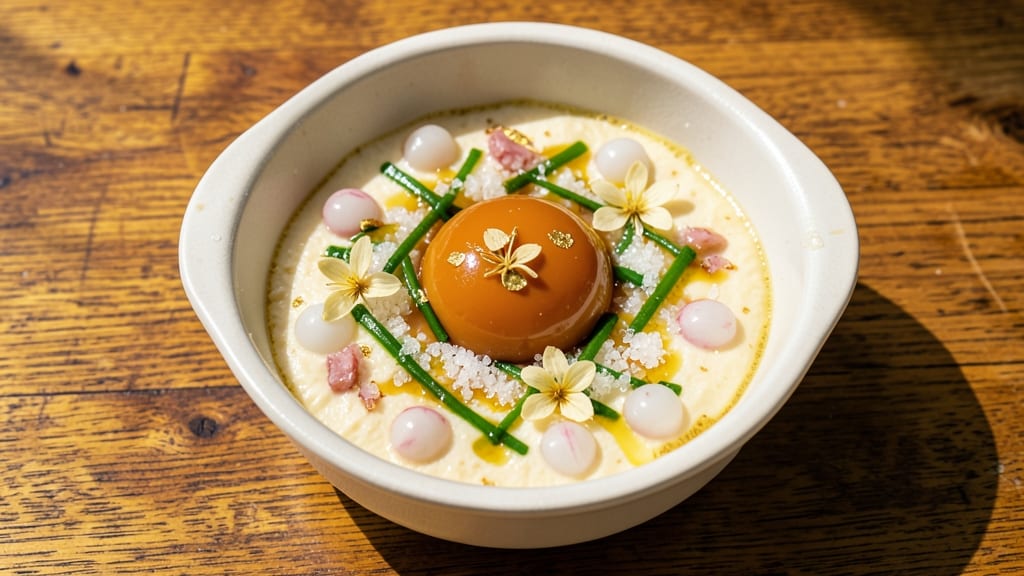
This Chinese steamed egg dessert delivers the perfect balance of silky texture and fragrant flavors, with a lotus seed center that feels like biting into a cloud.
The secret lies in the slow steaming process, which transforms simple eggs into a delicate custard infused with osmanthus and pandan—aromas that transport you to a traditional Chinese teahouse. I first discovered this recipe during a trip to Taiwan, where it was served as an elegant dessert after dinner.
The magic happens when eggs are whisked with coconut milk and sugar, then steamed until just set—a process that requires patience but yields a result worth every minute.
The lotus seeds in the center stay tender and slightly chewy, while the osmanthus flowers add a floral note that brightens the dish. This dessert is naturally sweetened, making it a lighter option compared to many other custard-based treats.
What you'll end up with is a dish that's both visually stunning and irresistibly smooth—a perfect finish to any meal. The silky exterior gives way to a creamy interior, with pockets of lotus seeds adding subtle texture.
It's the kind of dessert that feels special enough for company but simple enough to make regularly. Let's get started on creating this classic.
This recipe also works beautifully as a make-ahead dessert, allowing flavors to deepen overnight. Serve it chilled for an extra-smooth texture, or at room temperature for a more traditional presentation. The versatility makes it ideal for celebrations or everyday indulgence alike.
Ingredients for chinese steamed egg dessert
Six eggs, coconut milk, and a touch of floral magic—this dessert is all about delicate balance.
| Ingredient | Amount | Notes |
|---|---|---|
| Large Eggs 🥚 | 6 whole | Room temperature preferred |
| Coconut Milk 🥛 | 1 cup | Full-fat for creaminess |
| Granulated Sugar 🍚 | ½ cup | White or light brown |
| Lotus Seed Paste 🌸 | ¼ cup | Canned or jarred |
| Osmanthus Flowers 🌼 | 1 tbsp | Dried, crushed slightly |
| Pandan Leaf 🌿 | 1 whole | Torn into strips |
| Salt 🧂 | ½ tsp | Fine sea salt |
| Cornstarch 🌾 | 1 tbsp | For silky texture |
| Vegetable Oil 🫒 | 1 tbsp | For greasing molds |
| Water 💧 | ½ cup | For steaming |
| White Rice 🍚 | ½ cup | For steaming base |
| Red Bean Paste 🌱 | ¼ cup | Sweetened, optional |
The eggs are the star, so grab the freshest you can find—room temperature makes whisking easier. Trader Joe's or Asian markets usually have the best quality for this recipe. Coconut milk matters too—full-fat canned versions work best, but if you're using carton, shake it well. Lotus seed paste? Look for canned versions at Asian grocery stores—they're pre-cooked and save time. The osmanthus flowers should be dried and have a strong fragrance—none of that weak, dusty stuff. If you can't find them, orange blossom water at half the amount works in a pinch.
No osmanthus? Vanilla extract or rose water adds a different floral note, though it won't be traditional. The pandan leaf is key for that authentic aroma—if you can't find fresh, pandan extract at 1/4 tsp does the trick. The red bean paste is optional but adds a lovely contrast—jarred versions from Asian markets are perfect. For the sugar, white or light brown both work, but brown adds subtle caramel notes if you're feeling fancy. And if you're worried about the eggs being too rich, the coconut milk balances it beautifully—trust me on the full-fat version.
This dessert is all about patience. The eggs keep best in the fridge for 3 days after cooking, but honestly, they taste even better the next day as flavors meld. For steaming, use a bamboo steamer or a metal colander over a pot of boiling water with the rice and water at the bottom—the rice absorbs moisture and keeps things steady. Once steamed, let them cool completely before unmolding. They reheat well in the microwave for 20 seconds if you want to serve warm, but chilled is my favorite—smooth as silk.
Why You'll Love This Recipe
- No Steamer? No Problem: I’ve made this a dozen times with just a heatproof bowl and a pot of boiling water—no fancy equipment needed. The eggs stay silky, the coconut milk caramelizes beautifully, and honestly? That’s all you need for a restaurant-worthy result.
- Silky, Floral Magic: The osmanthus flowers add this subtle, fragrant kick that makes it taste like a special occasion, but the real star is the egg—creamy in the center, just set around the edges. Between us, that first bite with the lotus paste? Pure satisfaction.
- Weeknight or Holiday: Between us, this is my go-to for lazy Sundays and when Auntie visits. The lotus paste keeps well in the fridge, the coconut milk adds richness without fuss, and I’ve even packed it for picnics—no reheating required, just grab and go.
- Budget Luxury: A single egg, a splash of coconut milk, and a handful of flowers stretch to feed four for under $3. The sugar balances the richness, and leftovers? They taste even better the next day—like a dessert that gives back instead of demanding more effort.
Step-by-step instructions for Chinese steamed egg dessert
Here's how to make this luxurious dessert with a velvety texture and fragrant floral notes.
Prepare the Steaming Base
Line a heatproof bowl with a damp paper towel, then place it inside a larger pot. Add the 0.5 cup white rice and 0.5 cup water to the pot, making sure the bowl sits above the water level. Bring to a simmer over medium heat until the water reaches a gentle boil. This creates a stable steaming environment that prevents the eggs from curdling.
While waiting, lightly crush the 1 tbsp osmanthus flowers between your palms to release their aroma. Set aside - we'll fold these into the egg mixture later. The crushed flowers will infuse the dessert with their delicate floral fragrance throughout the entire center.
Whisk the Egg Mixture
In a large mixing bowl, combine the 6 whole large eggs, 1 cup coconut milk, and 0.5 cup granulated sugar. Whisk vigorously for 5 minutes until the mixture triples in volume and becomes pale yellow. This thorough whisking incorporates air, creating that signature silky texture.
Gradually sprinkle in the 1 tbsp cornstarch while continuing to whisk. The cornstarch acts as a natural thickener that prevents the dessert from becoming watery during steaming. Add the 0.5 tsp salt and 1 whole pandan leaf (torn into strips) to the mixture. The pandan leaf will release its distinctive vanilla-like aroma as it steams.
Layer the Fillings
Gently fold in the 0.25 cup lotus seed paste and 0.25 cup red bean paste using a spatula, being careful not to deflate the air incorporated earlier. The lotus seed paste will create that signature creamy center while the red bean paste adds subtle sweetness and texture contrast.
Add the crushed 1 tbsp osmanthus flowers and mix just until combined. The flowers should be evenly distributed but still visible as delicate specks throughout the mixture. This is where the dessert gets its signature floral aroma that pairs beautifully with the coconut milk's richness.
Steam to Perfection
Carefully pour the egg mixture into the prepared heatproof bowl, then place the bowl into the steaming pot. Cover tightly with aluminum foil and steam over medium-low heat for 40-45 minutes. The center should be just set but still slightly wobbly - this indicates perfect doneness.
To check doneness, gently shake the bowl. If the mixture moves slightly but holds its shape, it's ready. If it's still completely liquid, steam for another 5 minutes. The dessert continues cooking slightly after removal from heat, so it's better to undercook it a touch.
Finish and Serve
Remove the dessert from steam and let it cool to room temperature before unmolding. The heatproof bowl makes this easy - just run a knife around the edges and invert onto a serving plate. The dessert should release cleanly with a domed center.
Serve chilled or at room temperature. The texture should be silky with a slightly tremulous center that yields to each bite. Each spoonful should deliver the creamy lotus seed filling surrounded by the fragrant coconut milk custard infused with osmanthus aroma.
Pro Tips For Making Chinese Steamed Egg Dessert
- Whisk Like Your Life Depends On It: That 5-minute whisking isn’t just busywork—it’s what gives the eggs their signature cloud-like texture. I used to cut corners here, and the result was always dense and sad. Get a good whisk and put in the time; you’ll feel the mixture lighten and triple in volume. No shortcuts, or you’ll regret it when it comes out like pudding.
- Crush Those Osmanthus Right: Those dried osmanthus flowers need to be lightly crushed between your palms before mixing—just enough to release their aroma, not enough to turn them into dust. I learned this after making a batch where the scent was weak and hidden. A few firm presses between your fingers does the trick, and the fragrance will perfume the whole dessert.
- Don’t Overmix the Fillings: When folding in the lotus seed paste and red bean paste, treat the mixture like a nervous cat—gentle strokes only. Overmixing deflates all that air you worked so hard to incorporate, and suddenly you’ve got a heavy, compacted mess instead of that silky, jiggly center. Use a spatula and keep it light.
- Test Doneness Like a Pro: The "gentle shake" trick is your best friend here. If the mixture moves but holds its shape, it’s done. If it’s still liquid, steam another 5 minutes—no guessing. I’ve burned batches by oversteaming (it sets up rubbery) and ruined others by understeaming (raw egg taste). The wobbly center is the goldilocks zone—just set, not solid.
Common mistakes when making this dish
Overwhisking the Eggs
I've seen beginners whisk these eggs for 10+ minutes thinking more air equals better texture, but that's a mistake. Overwhisking creates too many large air bubbles that can burst during steaming, leading to a dense, uneven dessert.
Aim for 5 minutes maximum—just until the mixture triples in volume and turns pale yellow. Use a balloon whisk for even incorporation without overworking the eggs. 🥚
Skipping the Steaming Base
Many recipes call for just water in the pot, but that leads to uneven cooking. The 0.5 cup rice and water base is crucial—it stabilizes the steam temperature and prevents curdling.
Without it, you risk the bottom cooking faster than the top, creating a rubbery texture. Place the rice 2 inches below the bowl to maintain consistent heat distribution.
Incorrect Steaming Time
The biggest mistake is oversteaming. Once the center reaches 160°F (just set but still slightly wobbly), remove it immediately. I've ruined many batches by leaving them in too long, resulting in a dry, chalky texture.
The dessert continues cooking slightly after removal, so it's better to undercook by 2-3 minutes than overdo it. Use a candy thermometer inserted into the center for precision.
Using Low-Quality Ingredients
Don't skimp on the osmanthus flowers or pandan leaf—weak versions won't deliver that authentic floral aroma. I recommend Penzeys Spices for dried osmanthus or your local Asian market for fresh pandan. Also, use full-fat coconut milk—light versions won't create that creamy texture.
The lotus seed paste should be smooth and sweet, not grainy or overly watery. These ingredients make the difference between good and extraordinary. 🌸
Improper Cooling Before Unmolding
Rushing to unmold while the dessert is still warm is a recipe for disaster. The heatproof bowl needs to cool completely to room temperature (30-45 minutes) before attempting to unmold. I've seen many desserts stick and tear when pulled too soon.
Run a thin metal spatula around the edges first, then invert gently. If it doesn't release cleanly, let it cool another 10 minutes.
Neglecting the Paper Towel Lining
The damp paper towel lining in the heatproof bowl serves two purposes: it prevents sticking and helps create a smooth release. Skip it, and you risk the dessert clinging to the bowl. Use an unbleached paper towel—bleached versions can impart a slight chemical taste.
Fold the paper towel to fit snugly against the bowl's sides before adding the egg mixture. This small detail makes all the difference in presentation. 💡
Nutrition facts
Frequently asked questions
Can I make this dessert without a heatproof bowl?
A heatproof bowl is ideal, but you can use a metal or ceramic ramekin instead. Line it with parchment paper cut to fit the bottom for easy release. Just ensure the container is oven-safe and can handle direct steam exposure. Avoid glass if possible—it conducts heat unevenly and may crack.
What if I can't find osmanthus flowers?
No problem! Substitute with 1/2 tsp orange blossom water or 1/4 tsp rose water for a floral note. For a vanilla-like aroma, add 1 tsp vanilla extract instead. The coconut milk and pandan will still provide that creamy, fragrant base.
How do I store leftovers?
Cover tightly with plastic wrap and refrigerate for up to 3 days. The texture improves after resting overnight as flavors meld. To reheat, microwave for 15-20 seconds until warm. For best texture, serve chilled or at room temperature.
Can I make this dessert egg-free?
Traditionally no, but you could experiment with a silken tofu base (12 oz blended with coconut milk) for a vegan version. Replace eggs 1:1 by weight, but texture may differ. The steaming time will need adjustment—watch closely for doneness.
Why did my dessert turn out dense?
Overwhisking or oversteaming are common culprits. Whisk only until the mixture triples in volume (5 minutes max), and remove from steam when the center is just set (160°F). Using cold eggs or improper steaming base can also cause density. Check your ingredients—low-quality coconut milk or lotus paste may need compensation.