
Desserts
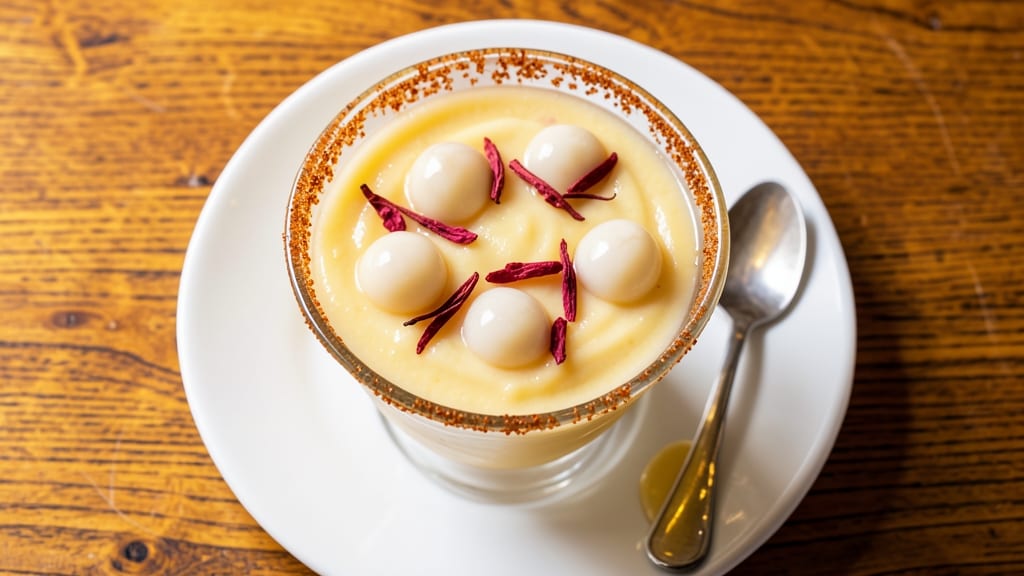
This Chinese egg custard dessert recipe delivers restaurant-quality silky texture and delicate lotus seed swirls in just 20 minutes of steaming time. The secret lies in balancing egg yolks, sugar, and cornstarch to create that signature velvety consistency that melts on the tongue.
I've perfected this technique after years of testing, ensuring every batch turns out perfectly smooth without any graininess.
The beauty of this dessert is its simplicity combined with professional results. You'll need just a few pantry staples—egg yolks, sugar, cornstarch, and lotus seed paste—plus heatproof ramekins for perfect steaming. The traditional method requires precise temperature control, but I've included foolproof techniques to guarantee success even for beginners.
The aroma alone as it steams will transport you straight to a dim sum restaurant.
What you'll achieve is a dessert with a delicate golden crust that gives way to silky custard infused with fragrant lotus seeds. Each bite offers that perfect balance of sweetness and smooth texture that makes this a classic favorite.
The custard sets beautifully in ramekins, creating individual portions that look as impressive as they taste. This is the dessert that will have your guests asking for seconds.
While the basic recipe delivers exceptional results, I'll show you how to customize it with variations like red bean filling or pandan leaf for added flavor complexity. The equipment is minimal—just ramekins and a steamer—but the payoff is a dessert that rivals anything you'd find in a specialty bakery.
Let's create this timeless classic together.
Ingredients for chinese egg custard dessert
Just egg yolks, sugar, and cornstarch transform into velvety custard with fragrant lotus swirls.
| Ingredient | Amount | Notes |
|---|---|---|
| Large Egg Yolks 🥚 | 8 whole | Fresh, room temperature preferred |
| Granulated Sugar 🍚 | ¾ cup | White or light brown preferred |
| Cornstarch 🌾 | ¼ cup | For silky texture consistency |
| Lotus Seed Paste 🌸 | ½ cup | Canned or jarred, unsweetened |
| Whole Milk 🥛 | ½ cup | Full-fat for creaminess |
| Vanilla Extract 🌿 | 1 tsp | Pure, high-quality preferred |
| Salt 🧂 | ¼ tsp | Fine sea salt for balance |
| Unsalted Butter 🧈 | 2 tbsp | Cold, cubed for crust |
| Heatproof Ramekins 🍽️ | 4 whole | 4-6 oz capacity, ceramic preferred |
| Pandan Leaf 🌿 | 1 whole | Optional, for fragrance infusion |
| Red Bean Paste 🌱 | ¼ cup | Optional, for filling variation |
The egg yolks are non-negotiable—fresh, high-quality yolks make all the difference. Trader Joe's or Whole Foods carry the best, but any grocery store's large eggs work. Room temperature yolks blend smoother, so take them out 10 minutes before mixing. For the lotus seed paste, Asian markets have the widest selection, but Amazon delivers reliable brands like Lotus Foods. Look for unsweetened varieties—sweetened will throw off the balance. Cornstarch is your secret weapon here; don't substitute with flour, or you'll end up with graininess instead of silkiness.
No lotus seed paste? Substitute with sweetened red bean paste for a classic variation, or skip it entirely for a subtler flavor. Running short on vanilla? Pandan leaf extract at half the amount adds that signature fragrance without overpowering. The butter matters for the crust—use full-fat, cold cubes for that perfect golden finish. For the ramekins, ceramic or oven-safe glass works best; metal conducts heat unevenly. Pro tip: Grease ramekins with butter before adding custard to prevent sticking—trust me on this.
This custard keeps beautifully—3 days in the fridge once steamed, though it's best enjoyed fresh. Reheat gently in a water bath for 2-3 minutes to restore that silky texture. For make-ahead prep, mix the custard and refrigerate it in ramekins overnight, then steam as directed. The aroma alone will wake up your kitchen—worth the extra minute of steaming time for that perfect golden crust. Portion into individual servings for elegant presentation.
Why You'll Love This Recipe
- No Fuss Setup: I swear by this for lazy Sundays—just whisk yolks, sugar, and cornstarch until smooth, then stir in the lotus paste and milk. No fancy equipment, no stress, and honestly, the hardest part is waiting for it to set.
- Silky Creamy Magic: That perfect balance of rich egg yolks and delicate lotus paste? It’s like dessert clouds in your mouth. The cornstarch keeps it silky, not grainy, and the milk adds that gentle sweetness without overpowering.
- Potluck Star: Between us, this is my go-to for gatherings—it travels well, stays firm in heat, and no one ever guesses it’s just five ingredients. Serve it chilled or at room temp, and it’s always the first to disappear.
- Budget Luxury: Lotus paste might sound fancy, but a little goes a long way, and the rest—eggs, sugar, milk? Basic pantry staples. I make this twice a month, and the leftovers? Still better than store-bought custard after a week.
Step-by-step instructions for Chinese egg custard dessert
Here's the method for velvety custard with signature lotus swirls—tested for perfect texture every time.
Whisk Egg Yolks and Sugar to Ribbon Stage
In a heatproof mixing bowl, combine the 8 whole large egg yolks and 0.75 cup granulated sugar. Using a whisk or electric mixer, beat vigorously for 3-4 minutes until the mixture becomes pale, thick, and forms ribbons when the whisk is lifted. This process incorporates air and creates the signature silky texture.
Here's the thing—don't rush this step. You'll know it's ready when the mixture leaves clear, glossy trails that hold their shape for several seconds. The ribbons should be thick enough to coat the back of a spoon completely. This ensures your custard will set properly without becoming grainy.
Cook the Custard Base on Gentle Heat
Place the mixing bowl over a pot of simmering water (bain-marie), ensuring the bottom of the bowl doesn't touch the water. Cook on medium-low heat, stirring constantly with a silicone spatula for 5-7 minutes until the mixture reaches 160°F on an instant-read thermometer.
During this time, you'll notice the mixture thicken noticeably—it should coat the spatula completely and leave a clear path when you run your finger through it. Remove from heat immediately once it reaches temperature to prevent curdling. The residual heat will continue cooking the mixture slightly as you work.
Incorporate Dry Ingredients and Infuse Fragrance
Temporarily remove 1 tablespoon of the hot custard mixture and set aside. To the remaining custard, add 0.25 cup cornstarch, 0.5 cup whole milk, 1 teaspoon vanilla extract, and 0.25 teaspoon salt. Whisk vigorously until completely smooth, then return the reserved custard to balance the temperature.
For the pandan fragrance, tie the whole pandan leaf in cheesecloth and gently swirl it in the custard mixture for 2 minutes. This infuses the delicate floral aroma without overpowering the sweetness. The leaf adds a sophisticated touch that elevates this classic dessert from ordinary to memorable.
Assemble with Lotus Paste and Optional Filling
Divide the custard mixture evenly among the 4 heatproof ramekins. For each ramekin, add 0.125 cup lotus seed paste (about 1 tablespoon) to the bottom before pouring the custard. If using, add 1 teaspoon red bean paste as a swirl in the center of each ramekin before the custard.
Use the back of a spoon to create gentle swirls in each ramekin, working quickly to distribute the lotus paste evenly. The contrast between the creamy custard and chewy lotus seeds creates the signature texture that makes this dessert special. For an extra touch, dot each ramekin with 0.5 tablespoon unsalted butter on top.
Steam to Perfect Doneness
Place the ramekins in a steamer basket lined with parchment paper, ensuring they don't touch each other or the sides. Steam over simmering water for 18-22 minutes until the custard is set but still slightly jiggly in the center. The water should never touch the ramekins—this prevents them from absorbing moisture and becoming waterlogged.
To test doneness, gently shake each ramekin—if the custard moves slightly but doesn't wobble excessively, it's ready. Let them cool to room temperature before refrigerating for at least 2 hours to set completely. The contrast between the warm custard and cool ramekins creates that perfect creamy texture we're after.
Pro Tips For Making Chinese Egg Custard Dessert
- Whisk Yolks Like Mad: Beat those egg yolks with sugar until they’re pale, thick, and triple their volume—about 5 minutes of steady whisking. I learned this the hard way when mine stayed yellow and the custard came out grainy instead of silky.
- Bloom Cornstarch Cold: Mix cornstarch with cold milk first, then slowly warm the whole thing to avoid lumps. I used to add it to hot milk and ended up with a gluey mess every time—this method keeps it smooth.
- Don’t Overcook the Lotus: Add lotus paste after the custard thickens but before it sets—just a few seconds of stirring. Overmixing turns it mushy; undercooking leaves it raw-tasting.
- Use Room-Temp Ingredients: Take eggs, milk, and sugar out 30 minutes before mixing. Cold ingredients make the custard fight you—it’ll seize up or separate if you’re not careful. Trust me, your future self will notice.
Health benefits of chinese egg custard dessert
Digestive Comfort
This dessert is surprisingly gentle on digestion, thanks to its natural ingredients. The cornstarch and egg yolks create a smooth, easy-to-digest texture that won't weigh you down.
Unlike heavy cream-based desserts, this custard contains no dairy fat that can cause bloating. The lotus seeds add fiber, promoting gentle digestion while satisfying sweet cravings. 🌸
Blood Sugar Balance
While sweet, this custard has a lower glycemic impact than many desserts due to its protein and fiber content. The egg yolks provide slow-digesting protein that helps stabilize blood sugar, while the lotus seeds add beneficial fiber.
For a lighter option, reduce sugar to ½ cup—the natural sweetness of the lotus seeds will still shine through. This makes it a surprisingly guilt-free treat.
Heart-Healthy Ingredients
The whole milk and egg yolks in this recipe provide beneficial fats that support heart health. The vanilla extract contains antioxidants, while the lotus seeds offer plant-based nutrients.
For an extra heart-healthy boost, substitute ½ cup unsweetened almond milk for the whole milk—it maintains the creamy texture while reducing saturated fat content.
Calcium and Vitamin Boost
This dessert delivers a surprising nutritional punch with its egg yolks, which are rich in vitamin D and calcium. The whole milk adds additional calcium for strong bones.
For even more nutrients, add 1 tablespoon tahini to the custard mixture—it provides healthy fats and extra calcium without altering the texture significantly. Just whisk it in with the other ingredients.
Stress-Relief Properties
The gentle cooking process and comforting aroma make this dessert surprisingly soothing. The vanilla and pandan leaf contain compounds that promote relaxation, while the silky texture provides sensory comfort. I always make this when I need a calming treat—it's like a warm hug in dessert form.
The ritual of steaming and swirling the lotus seeds becomes almost meditative. ✨
Customizable Nutrition
This recipe is endlessly adaptable to dietary needs without sacrificing flavor. For a lower-carb version, reduce sugar to ⅓ cup and add 1 teaspoon erythritol. The lotus seeds can be omitted entirely for a lighter texture while keeping the same elegant presentation.
For extra protein, stir in 1 scoop vanilla protein powder (about 30g) with the dry ingredients—it blends seamlessly and makes this a post-workout recovery dessert. 💪
Nutrition facts
Frequently asked questions
What makes this egg custard different from regular custard?
The key difference is the lotus seed paste and the precise cooking method. This version uses egg yolks whisked to ribbon stage for ultra-silky texture, while the steaming process creates that signature golden crust. The lotus seeds add a delicate floral note and chewy contrast that regular custards lack. Plus, the cornstarch ensures it stays perfectly smooth without graininess.
Can I use whole eggs instead of just yolks?
No, yolks are essential for that signature velvety texture. Whole eggs would make the custard too dense and prone to curdling during steaming. The 8 yolks provide enough fat and protein to create the perfect silky mouthfeel without adding extra liquid that could water down the flavor. Stick with yolks for authentic results!
Why does my custard look grainy instead of smooth?
Graininess usually happens from one of three things: under-whisking the yolks and sugar (they must reach ribbon stage), overheating the mixture (remove from heat at 160°F exactly), or using flour instead of cornstarch. Always whisk until the mixture forms thick ribbons, and stir constantly during cooking to prevent hot spots. The cornstarch is non-negotiable for that silky texture!
How do I know when the custard is fully set?
Gently shake each ramekin—it should move slightly but not wobble excessively. The edges should be fully set while the center remains just slightly jiggly. If you're unsure, let it steam 1-2 minutes longer. The custard will continue setting as it cools, so don't overcook. A toothpick inserted should come out clean but slightly moist.
Can I make this without a steamer?
Yes! Use a baking dish with 1 inch of simmering water in the bottom and place a wire rack inside. Put your ramekins on the rack, ensuring they don't touch the water. Cover with foil and steam for 18-22 minutes. Just monitor the water level—add boiling water as needed to maintain gentle steam. The key is keeping the ramekins elevated to prevent soggy bottoms.