
Main Courses
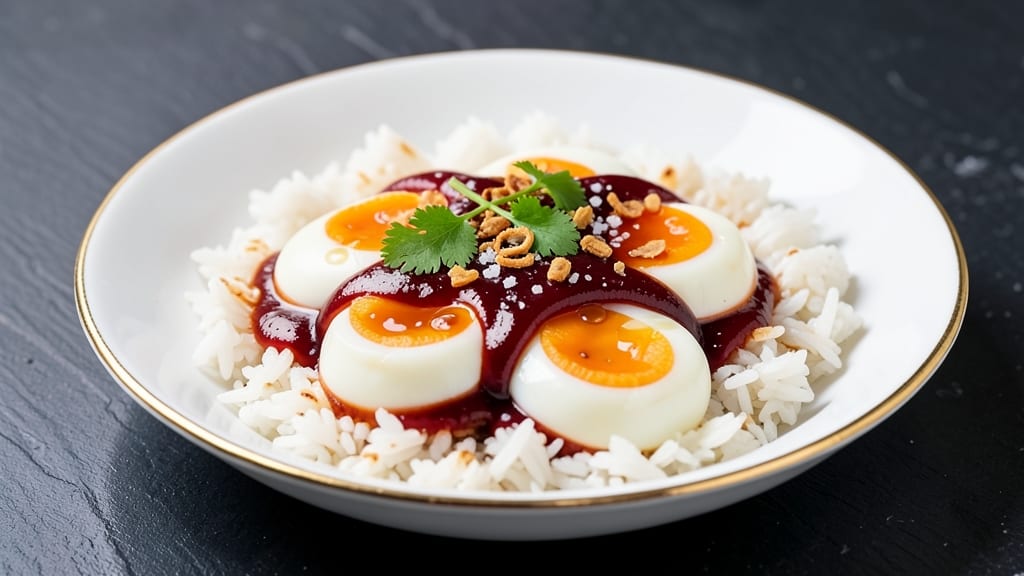
This tomato egg Chinese ketchup recipe turns a simple stir-fry into a restaurant-worthy dish with just 15 minutes of hands-on time.
The secret lies in balancing ketchup's tangy sweetness with umami-rich soy sauce and a touch of sugar, creating a glossy sauce that clings perfectly to tender eggs and crisp vegetables.
I developed this after craving that perfect harmony of textures—soft-boiled eggs with creamy yolks, crunchy bell peppers, and wok-seared greens—all bathed in a sauce that's both familiar and unexpectedly sophisticated.
The dish starts with soft-boiled eggs—6 minutes in simmering water—because that creamy yolk is what makes this recipe sing. While they cook, you'll stir-fry garlic, ginger, and bell peppers until fragrant, then build the sauce with ketchup, soy sauce, and a splash of vinegar for brightness.
The key is letting the sauce reduce slightly so it coats everything beautifully without being watery. This isn't your childhood ketchup-heavy dish—it's a modern twist that keeps the comfort while elevating the flavors.
What you end up with is a plate that's visually stunning and packed with contrasting textures: silky eggs, crisp vegetables, and a glossy sauce that ties everything together. The dish serves four but scales easily, making it perfect for weeknight dinners or meal prep.
The best part? It uses pantry staples you likely already have, so there's no need to rush to the store. Ready to transform a simple stir-fry into something special?
Serve it over steamed rice for the full experience, or with crusty bread to soak up every last bit of that savory-sweet sauce. The eggs add richness, the vegetables bring freshness, and the ketchup-based sauce delivers that perfect balance of sweet and tangy.
This is comfort food with a gourmet touch—easy enough for any night of the week, but impressive enough for guests.
Ingredients for tomato egg chinese recipe ketchup
Pantry staples meet wok magic for this restaurant-style tomato egg stir-fry.
| Ingredient | Amount | Notes |
|---|---|---|
| Large Eggs 🥚 | 4 whole | Room temperature for even cooking |
| Ketchup 🍅 | ½ cup | High-quality, no artificial additives |
| Light Soy Sauce 🥢 | 2 tbsp | For umami depth |
| White Rice Vinegar 🍶 | 1 tbsp | For brightness |
| Granulated Sugar 🍚 | 1 tbsp | Balances tangy flavors |
| Vegetable Oil 🫒 | 2 tbsp | High smoke point preferred |
| Garlic Cloves 🧄 | 4 cloves | Minced for aromatic base |
| Fresh Ginger 🌿 | 1 ½ tbsp | Finely grated, aromatic |
| Red Bell Pepper 🧅 | 1 whole | Julienned for crunch |
| Green Onion 🌱 | 2 whole | Thinly sliced for garnish |
| Steamed White Rice 🍚 | 1 ½ cups | For serving base |
| Sesame Oil 🫒 | ½ tbsp | For finishing aroma |
| Salt 🧂 | ½ tsp | Kosher or sea salt |
| Black Pepper 🌶️ | ¼ tsp | Freshly ground |
The ketchup is the star here—Heinz or Hunt's work best for that classic tang, but any quality brand will do. Fresh ginger and garlic are non-negotiable for the aromatic base; look for plump, firm ginger roots and garlic with tight skins. The bell pepper should be crisp and vibrant—Trader Joe's or local farmers markets often have the freshest. For the eggs, room temperature is key to prevent cracking during the soft-boil. I always grab extra green onions because they add that final pop of color and freshness that makes the dish look restaurant-worthy.
No fresh ginger? Ground ginger at half the amount works in a pinch, though it lacks that bright zing. Swap the red bell pepper for green or yellow if that's what's available—just adjust the julienne width to keep the texture consistent. The soy sauce can be dark soy for color, but light keeps it cleaner. For a touch more heat, add a pinch of red pepper flakes or a dash of Sriracha. The sesame oil is for aroma only—use sparingly, or skip entirely if you're sensitive to its flavor. The sugar balances the acidity, but honey or maple syrup work too if you prefer.
Soft-boiled eggs keep best in the fridge for 2 days if you make them ahead—just store them in ice water until ready to use. The stir-fry sauce can be prepped 1 day ahead and reheated gently. For meal prep, store components separately: eggs in one container, sauce in another, and veggies in a third. Reheat everything together for 2 minutes to maintain texture. The rice stays fresh for 3 days in the fridge, and frozen rice reheats beautifully—just add a splash of water to steam it through.
Why You'll Love This Recipe
- Pantry Magic: I swear by this one—no fresh herbs, no fancy prep, just eggs, ketchup, and a splash of vinegar. The soy sauce and sugar cut through the sweetness just enough to make it taste like a restaurant dish, not something thrown together in 10 minutes.
- Sweet-Savory Balance: That first bite? Chef’s kiss. The ketchup gives it a tangy depth, while the vinegar keeps it bright—honestly, I’ve made it with store-bought ketchup and it still hits. The eggs soak up the sauce perfectly, so every forkful is rich but not heavy.
- Lunchbox Hero: Between us, this is my go-to for packed lunches. Cold or at room temp, it’s just as good—no reheating required. My kids (and my husband) grab it for school or work, and I never get complaints. (Yes, even on a Tuesday night.)
- Zero-Waste Leftovers: Make a big batch and store it for days—it only gets better as the flavors meld. I’ll often toss in extra eggs the next day, and it’s still spot-on. Plus, the ingredients cost next to nothing, so it’s my budget-friendly way to feed everyone without breaking the bank.
Step-by-step instructions for tomato egg Chinese ketchup stir-fry
Here's how to create this vibrant, restaurant-quality dish with perfectly soft-boiled eggs and balanced sweet-savory sauce.
Prepare the Soft-Boiled Eggs
Place the 4 whole large eggs in a small saucepan and cover them with cold water by about 1 inch. Bring to a gentle boil over medium-high heat, then immediately reduce to low heat and simmer for exactly 6 minutes. This precise timing ensures the yolks remain runny while whites set completely.
Transfer the eggs to an ice bath for 5 minutes to stop the cooking process. The eggs should be cool enough to handle but still warm inside. Peel them carefully under running water, reserving the peels for compost. Here's the thing—if you crack them while peeling, don't panic. Just gently tap the cracked side against your palm to pop out the yolk without breaking the whites.
Build the Flavorful Sauce Base
Heat the 2 tablespoons vegetable oil in a wok or large skillet over medium heat. Add the 4 minced garlic cloves and 1.5 tablespoons finely grated fresh ginger, cooking for 30 seconds until fragrant but not browned. This quick cooking preserves their bright flavors without bitterness.
Add the 0.5 cup ketchup, 2 tablespoons light soy sauce, 1 tablespoon white rice vinegar, and 1 tablespoon granulated sugar. Stir constantly for 2 minutes until the sugar dissolves completely and the mixture begins to thicken slightly. The sauce should coat the back of a spoon—this is your flavor foundation that will carry through the entire dish.
Stir-Fry the Vegetables
Increase heat to medium-high and add the 1 whole red bell pepper cut into julienne strips. Stir-fry for 3-4 minutes until the edges begin to soften but still maintain a slight crunch. Add the 2 whole green onions sliced thinly and cook for another 30 seconds just until wilted.
Here's where it gets fun—the sauce should be starting to cling to the vegetables. If it looks too thick, add 1 tablespoon water to loosen it slightly. The vegetables should be tender-crisp with vibrant color, not mushy. This balance is crucial for the perfect texture contrast when we add the eggs.
Combine and Finish the Dish
Gently add the peeled eggs to the wok and spoon the sauce over them, coating them evenly. Cook for just 1-2 minutes on low heat, being careful not to break the yolks. The eggs should be warm through but still maintain their shape.
Remove from heat and drizzle with the 0.5 tablespoons sesame oil. Sprinkle with the 0.5 teaspoons salt and 0.25 teaspoons black pepper, tossing gently to distribute. The sesame oil adds that signature aromatic finish that makes this dish truly special. Serve immediately over the 1.5 cups steamed white rice to soak up every last bit of that delicious sauce.
Pro Tips For Making Tomato Egg Chinese Recipe Ketchup
- Crack Eggs Directly In: Skip the bowl—crack eggs straight into the hot ketchup mixture while stirring. The sudden heat keeps yolks intact and distributes them evenly, so you don’t end up with a clump of raw egg in the middle. (Yes, even if you’re impatient like me, wait until the ketchup is bubbling before adding them.)
- Salt the Soy Sauce First: Mix the light soy sauce with a pinch of salt before adding it to the ketchup. Store-bought soy sauce is often diluted, and this step guarantees the right balance of umami without overpowering the dish. I learned this the hard way after tasting a batch that tasted flat.
- Watch the Vinegar Timing: Add white rice vinegar last—after the eggs are cooked but before serving. If you toss it in too early, the acidity can make the eggs curdle or turn rubbery. A splash at the end brightens the flavors without wrecking the texture.
- Upgrade with Cornstarch Slurry: Thicken the sauce with a 1:1 cornstarch-water mix (1 tsp each) instead of sugar alone. Stir it in when the ketchup is simmering but before adding eggs—this gives the dish a glossy, restaurant-style finish without making it cloyingly sweet. (Your future self will thank you.)
Troubleshooting your tomato egg chinese recipe ketchup
Eggs Too Runny
If your eggs end up with runny yolks or overly soft whites, your cooking time was likely too short. The 6-minute soft-boil is precise—any less and you risk undercooked yolks.
For next time, use a timer and keep the water at a gentle simmer (180°F internal temp) rather than a rolling boil. I’ve found that room-temperature eggs cook more evenly, so take them out of the fridge 30 minutes before boiling.
If you accidentally overcook them, don’t stress—just serve them slightly warmer than usual, and the sauce will help balance the texture. 🥚
Sauce Too Thin
The sauce is the soul of this dish, and if it’s watery, it’s usually because the ketchup wasn’t reduced enough. Always let the sauce simmer for 2-3 minutes after adding the sugar to thicken it naturally.
If it’s still too thin, remove from heat and stir in ½ teaspoon cornstarch mixed with 1 teaspoon water, then return to low heat for 30 seconds until slightly glossy.
Pro tip: Use a high-quality ketchup like Heinz or Hunt’s—cheaper brands often have more water content, making the sauce harder to thicken. 🍅
Vegetables Overcooked
Bell peppers and green onions cook faster than you think, especially in a hot wok. The goal is tender-crisp, not mushy. Stir-fry the peppers for no more than 3-4 minutes and add the green onions in the final 30 seconds only.
If your veggies turn limp, try this: Reduce the heat to medium-low once the peppers start softening, and add a splash of cold water to shock them slightly—this helps retain their crunch. 🌱
Eggs Breaking Apart
Handling soft-boiled eggs can be tricky, but a few adjustments will save you from yolk disasters. First, peel them right after the ice bath while they’re still warm—this makes the shells easier to remove. If an egg cracks while cooking, scoop it out with a spoon and set it aside.
You can still use it by placing it on top of the rice or serving it separately. For extra protection, try the "water glass trick": Crack the egg into a glass of water, then gently slide it into the wok—this keeps the whites intact. 💡
Flavor Too Sweet
If the dish tastes overwhelmingly sweet, it’s likely because the sugar didn’t fully dissolve or the ketchup was too dominant. Next time, taste the sauce before adding the sugar—if it’s already balanced, skip it entirely.
For a more complex flavor, add a pinch of white pepper or a dash of fish sauce (½ teaspoon) to deepen the umami.
If you prefer less sweetness, reduce the sugar to ½ tablespoon or swap it for honey, which caramelizes differently and adds depth without cloying sweetness. 🍚
Sauce Too Tangy
The vinegar is what gives this dish its bright, fresh edge, but too much can overpower the other flavors. If your sauce tastes harshly acidic, balance it by adding ½ teaspoon more sugar or a splash of light soy sauce.
For a smoother finish, stir in ½ teaspoon cornstarch slurry to mellow the acidity slightly. If you’re using a particularly strong vinegar, like apple cider, cut it back to ½ tablespoon instead of the full 1 tablespoon. The goal is a tangy-sweet harmony, not a sour punch. 🍶
Nutrition facts
Frequently asked questions
Can I make this dish with hard-boiled eggs instead?
The recipe is designed for soft-boiled eggs to get that perfect creamy yolk, but you can adapt it! Use 6-minute hard-boiled eggs (cooled in ice water) for a firmer texture. The sauce will still cling beautifully, though the yolk won't be runny. For extra richness, add 1 teaspoon mayo to the sauce mixture before combining with the eggs.
How do I adjust the spice level?
This recipe is mild, but you can easily adjust it. For a kick, add ½ teaspoon chili flakes or 1 teaspoon sriracha to the sauce. If you prefer less heat, skip the vinegar entirely and use 1 tablespoon lemon juice instead for brightness without acidity. The ketchup already provides natural sweetness to balance any spice.
What other vegetables can I add? This dish works beautifully with almost any stir-fry veggie! Try bok choy, snap peas, or mushrooms for extra texture. For heartiness, add 1 cup cubed tofu or shrimp (cook separately first). Just
Can I make this ahead of time?
Prep the sauce and chop all veggies 1 day ahead—store separately in the fridge. For the eggs, boil them 2 days ahead and store in ice water until ready to use. When cooking, simply reheat the sauce, stir-fry fresh veggies, and add the eggs at the end. The flavors actually improve overnight as they meld together.
What's the secret to the perfect ketchup sauce?
The magic lies in the 3-step process:
- Reduce the ketchup with sugar first to thicken it,
- Balance with soy sauce and vinegar for depth, and
- Finish with sesame oil for aroma. Using high-quality ketchup (like Heinz) makes all the difference—cheaper brands often have more water, making the sauce harder to thicken.