
Breakfast & Brunch
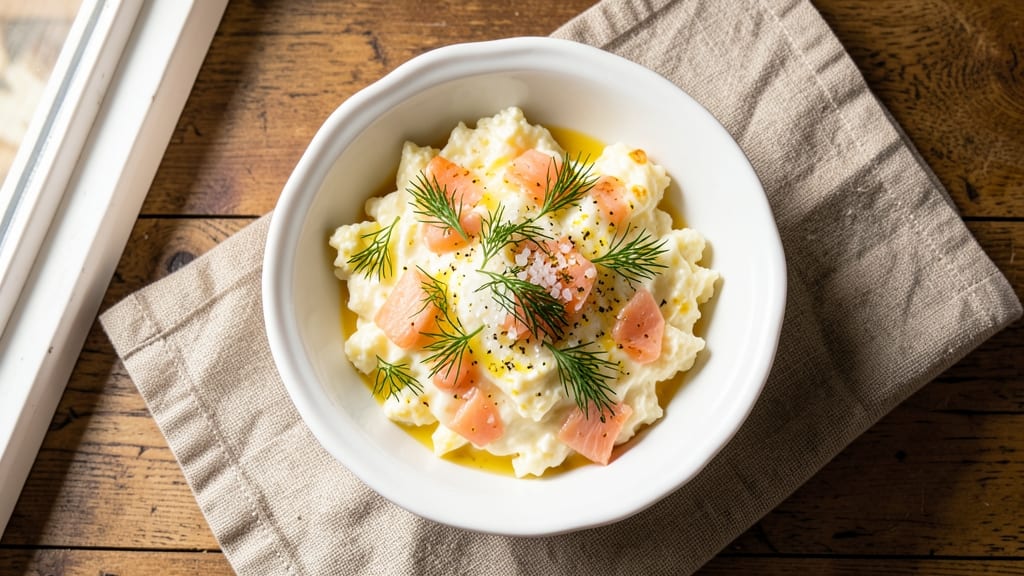
This canned salmon and scrambled eggs recipe transforms pantry staples into a protein-packed breakfast that delivers restaurant-quality results in just 15 minutes. The secret lies in properly heating the salmon to preserve its delicate flakes while keeping the eggs creamy and perfectly set—no rubbery textures here.
I developed this method after realizing how often canned salmon gets overlooked in breakfast routines, even though it’s one of the fastest ways to add omega-3s and lean protein to your morning.
The beauty of this dish is its foolproof simplicity: no fancy equipment, no complicated techniques, just a nonstick pan and a few key steps. You’ll start by gently heating the salmon to maintain its texture, then flake it into the eggs as they scramble.
The result is a harmonious blend of tender salmon and velvety eggs, with each bite offering a perfect balance of richness and freshness. This isn’t just breakfast—it’s a meal that feels indulgent yet effortless.
What makes this recipe stand out is how versatile it is. Serve it with toasted whole-grain bread for a hearty plate, or add a sprinkle of fresh dill and a dash of lemon zest for brightness.
The salmon’s natural oils keep the eggs moist, while the eggs add a creamy contrast that makes every forkful satisfying. Whether you’re rushing to work or enjoying a leisurely weekend brunch, this dish delivers professional results without the fuss.
Ready in 15 minutes, this recipe proves that healthy eating doesn’t have to mean sacrificing flavor or time. The combination of canned salmon and scrambled eggs creates a meal that’s both nutritious and deeply satisfying—perfect for anyone looking to upgrade their breakfast game without the complexity.
Let’s get started with a method that’s as reliable as it is delicious.
Ingredients for canned salmon and scrambled eggs
Pantry staples meet premium protein for a breakfast that’s both nutritious and indulgent.
| Ingredient | Amount | Notes |
|---|---|---|
| Canned Salmon 🐟 | 2 cans | Wild-caught preferred, drained |
| Large Eggs 🥚 | 6 whole | Fresh, room temperature |
| Unsalted Butter 🧈 | 2 tbsp | European-style preferred |
| Fresh Dill 🌿 | ¼ cup | Chopped, stems removed |
| Lemon Zest 🍋 | 1 tsp | From organic lemon |
| Diamond Crystal Kosher Salt 🧂 | ½ tsp | Fine grain preferred |
| Freshly Ground Black Pepper 🌶️ | ¼ tsp | Cracked peppercorns |
| Extra-Virgin Olive Oil 🫒 | 1 tbsp | For pan coating |
| Whole-Grain Bread 🍞 | 4 slices | Toasted for serving |
| Nonstick Cooking Spray 🫧 | 1 spray | Light coating for pan |
| Heavy Whipping Cream 🥛 | 2 tbsp | Optional for richness |
The salmon is the foundation—opt for wild-caught whenever possible, as it maintains superior texture and flavor. Trader Joe's and Whole Foods carry high-quality brands like Wild Planet or Vital Choice, which are worth the slight premium. Drain the salmon thoroughly to avoid soggy eggs, but don’t rinse—those natural oils are what keep the eggs velvety. For the eggs, farm-fresh from local markets delivers richer flavor, though store-bought large eggs work perfectly fine. The butter should be European-style if available—it has a higher fat content that prevents the eggs from drying out during cooking.
No fresh dill? Dried dill at one-third the amount works in a pinch, though the flavor won’t be as vibrant. Substituting lemon zest with bottled lemon juice (1 tbsp) is an option, but you’ll lose that bright, aromatic punch. For those avoiding dairy, avocado oil can replace the butter, though the eggs may scramble slightly faster. The heavy whipping cream is truly optional—it adds luxurious richness, but the dish shines without it. If you’re short on time, pre-chopped frozen dill from the grocery store freezer section saves steps without sacrificing quality. For the bread, sourdough or rye adds depth, but any whole-grain loaf will complement the dish beautifully.
Store any leftover scrambled eggs in an airtight container for up to 3 days, though they’re best enjoyed fresh. The salmon can be refrigerated in its can for up to 2 weeks once opened, though it’s best used within 3-4 days for optimal texture. For meal prep, portion the eggs into individual containers and reheat gently in the microwave with a splash of water to maintain moisture. The toasted bread should be kept separate until serving to prevent sogginess—reheat in a toaster or dry skillet for 30 seconds before serving.
Why You'll Love This Recipe
- I’ll be real: this dish is my go-to when the fridge is bare but I’m starving. Open a can of salmon, crack a few eggs—no shopping list, no stress. The butter and dill are the only things I might need to grab, and honestly? That’s it.
- No Pantry Raid Needed: I’ll be real: this dish is my go-to when the fridge is bare but I’m starving. Open a can of salmon, crack a few eggs—no shopping list, no stress. The butter and dill are the only things I might need to grab, and honestly? That’s it.
- Bright & Buttery Magic: That lemon zest and fresh dill cut through the richness of the salmon and eggs like a cool breeze. The butter makes it creamy, but the bright flavors keep it from feeling heavy—like a hug from someone who knows exactly what you need.
- Breakfast or Lunch? Who Cares.: Serve it on toast with everything bagel seasoning for a brunch win, or pile it into a wrap with greens for a no-fuss lunch. My college-aged son eats it straight from the pan for dinner sometimes—no judgment here.
Step-by-step instructions for canned salmon and scrambled eggs
Here's how to assemble this protein-rich breakfast efficiently without sacrificing texture or flavor.
Prepare the Salmon Mixture
Drain the 2 cans of canned salmon and transfer to a mixing bowl. Using a fork, break up any large chunks into small, even pieces—this ensures even distribution throughout the eggs. Add the 0.25 cup of chopped fresh dill, 1 teaspoon of lemon zest, 0.5 teaspoon of diamond crystal kosher salt, and 0.25 teaspoon of freshly ground black pepper. Gently fold everything together until fully combined. The mixture should look vibrant green from the dill and bright yellow from the lemon zest.
Here's the thing—don't overmix. You want the salmon to remain distinct in the eggs, not turn into a paste. Set this mixture aside while you prepare the eggs. This step takes less than 2 minutes, and proper prep here guarantees the flavors meld perfectly in the final dish.
Cook the Scrambled Eggs
In a 10-inch nonstick skillet, melt 1 tablespoon of extra-virgin olive oil over medium-low heat. Once the oil is shimmering but not smoking, add the 2 tablespoons of unsalted butter. Let it foam and melt completely before adding the 6 whole large eggs. I like to use a silicone spatula to gently push the eggs from the edges toward the center, creating soft curds as they cook.
Cook the eggs for 2 minutes without stirring—this allows the bottom to set slightly and creates a creamy texture. After 2 minutes, begin folding the eggs gently with the spatula, lifting and turning the curds until they're just set but still slightly runny. Remove the skillet from heat when the eggs reach 160°F internally (they should still look slightly moist). This ensures tender, not rubbery, eggs.
Combine Salmon and Eggs
Return the skillet to low heat and add the salmon mixture. Stir gently to distribute it evenly throughout the eggs. Add the 2 tablespoons of heavy whipping cream (if using) and continue cooking for an additional 30 seconds, just until the salmon is warmed through. The cream adds richness without overpowering the delicate flavors of the salmon and eggs. Taste and adjust seasoning if needed—this is your last chance to balance the dish.
Real talk: the salmon should be warm but not cooked like a patty. You're marrying textures here—creamy eggs, flaky salmon, and bright herbs. Remove from heat immediately to prevent overcooking. Keep the mixture warm while you toast the bread.
Toast the Bread and Serve
Lightly spray a clean skillet with the nonstick cooking spray and toast the 4 slices of whole-grain bread over medium heat for 1-2 minutes per side, until golden brown and crisp. The bread should have visible grill marks but not burn. Divide the salmon and egg mixture evenly among the toasted slices and serve immediately.
This is where the magic happens—the toasted bread provides structure, the eggs add creaminess, and the salmon delivers that satisfying flakiness. The lemon zest and fresh dill brighten every bite, making this breakfast feel anything but basic. The entire process takes 15 minutes from start to finish, with minimal cleanup—just the pan and mixing bowl.
Pro Tips For Making Canned Salmon And Scrambled Eggs
- Drain Salmon Properly: Open the can and drain the salmon thoroughly—don’t just shake it over the sink. Use a fine-mesh strainer or paper towels to blot away excess oil, or your scrambled eggs will taste greasier than a diner breakfast. I learned this the hard way when a batch turned out slick instead of bright.
- Whisk Eggs Cold: Crack eggs directly into a cold bowl and whisk them vigorously with a pinch of salt before heating. Cold eggs scramble faster and creamier—no rubbery curds here. (Yes, even if you’re impatient like me.)
- Cook Eggs Low and Slow: Start scrambled eggs on medium-low heat in butter—high heat makes them dry out before they’re set. Stir constantly with a rubber spatula, breaking up curds into ribbons as they form. Sounds weird, but it works: fluffy, not fried.
- Toast Dill and Zest: Warm the fresh dill and lemon zest in the pan for 10 seconds before adding eggs—it releases their flavors like a tiny perfume bomb. Skip this, and you’re just sprinkling on herbs instead of infusing them. (Your future self will notice.)
Troubleshooting this dish
Eggs Too Dry?
If your scrambled eggs turn out dry or rubbery, you likely cooked them too long or overstirred. The key is removing the pan from heat when the eggs reach 160°F—they should still look slightly moist.
I also recommend using European-style butter, which has a higher fat content that keeps eggs creamy. For extra moisture, add 1 tablespoon heavy cream at the end of cooking. 💫
Salmon Too Soggy?
Draining the salmon thoroughly is critical, but if it still seems watery, pat it dry with a paper towel before mixing with the eggs. Overmixing the salmon mixture can also break down the flakes, making them mushy.
Instead, gently fold the salmon into the eggs at the very end of cooking to warm through without overcooking. 🌊
Uneven Cooking?
Uneven cooking often happens when the pan isn’t hot enough or the heat isn’t consistent. Use a 10-inch nonstick skillet and maintain medium-low heat throughout. If your stove runs hot, reduce the heat slightly to prevent burning the eggs on the bottom while the top stays runny.
A thermometer helps—aim for 300-325°F pan temperature. ⚡
Salmon Overcooked?
Canned salmon should be warmed through, not cooked like a patty. If it tastes rubbery or dry, you likely overcooked it. Add the salmon mixture to the eggs just before serving and let the residual heat warm it through in 30 seconds or less.
For extra flakiness, use wild-caught salmon—it holds up better to gentle reheating. 🐟
Bland Flavor?
If your dish tastes flat, you may have skipped the fresh dill or lemon zest. These ingredients are non-negotiable—they brighten the salmon’s natural oils and balance the richness of the eggs.
For extra depth, add 1/4 teaspoon smoked paprika to the salmon mixture or a pinch of fresh chives at the end. 🌿
Sticky Pan Issues?
Sticking happens when the pan isn’t properly preheated or coated. Always spray a light coating of nonstick spray before adding oil, and let the pan get hot enough to shimmer before adding butter.
If eggs stick despite this, your pan may need replacing—even high-quality nonstick pans lose their coating over time. A well-seasoned cast iron skillet is a great backup. 🧈
Nutrition facts
Frequently asked questions
Can I use canned salmon from any brand?
For best results, choose wild-caught canned salmon like Wild Planet or Vital Choice—these brands maintain superior texture and flavor. Avoid brands with added oils or excessive salt, as they can make the eggs greasy or overly salty. The natural oils in high-quality salmon are what keep the scrambled eggs creamy and rich.
What if I don’t have fresh dill?
Use dried dill instead at one-third the amount (about 1/8 teaspoon), but the flavor won’t be as vibrant. For a different herb, try fresh chives or parsley—they add brightness without overpowering. If you’re out of herbs entirely, a pinch of lemon pepper can still add zing, though the fresh dill is ideal.
Can I make this recipe ahead of time?
Store leftover scrambled eggs in an airtight container for up to 3 days, but they’re best enjoyed fresh. Reheat gently in the microwave with a splash of water to maintain moisture. The salmon can be refrigerated in its can for 2 weeks once opened, but use it within 3-4 days for optimal texture. Toast the bread fresh to avoid sogginess.
How can I make this meal more filling?
Add avocado slices, a side of roasted potatoes, or a small mixed greens salad> with a lemon vinaigrette. For extra protein, serve with smoked salmon> on the side or a handful of toasted nuts. The eggs and salmon already provide 20g+ of protein per serving, but these additions make it a full meal.
Why does my salmon turn rubbery?
Overcooking is the most common cause—canned salmon should only be warmed through, not cooked like a patty. Add it to the eggs just before serving and let the residual heat warm it for 30 seconds or less. Using wild-caught salmon> also helps maintain flakiness. If it’s still rubbery, try a different brand next time.