
Breakfast & Brunch
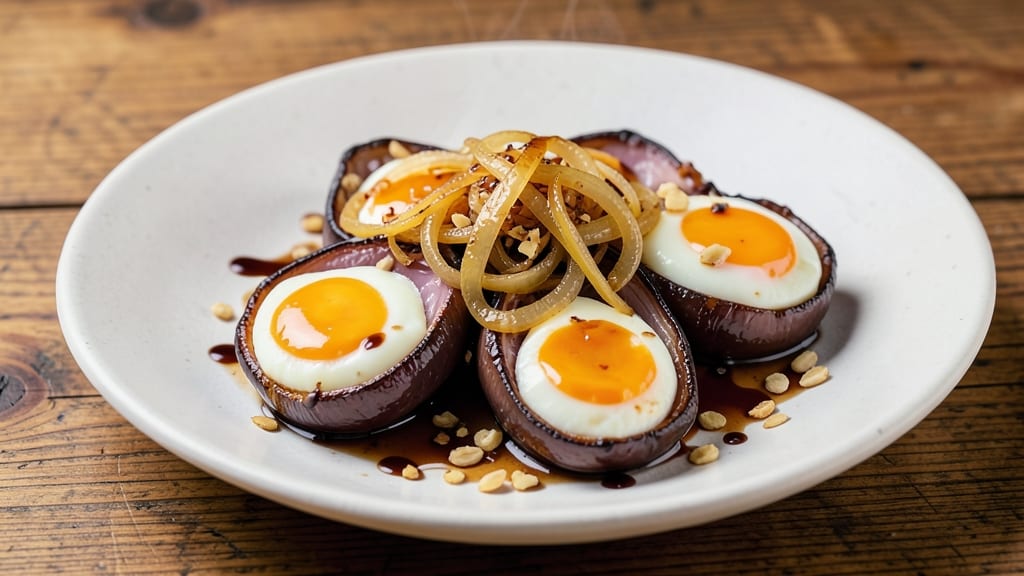
This Tortang Talong with Egg recipe delivers a hearty Filipino breakfast in just 15 minutes—no fuss, no waiting, just rich, savory flavors in one pan. 🌟 The secret lies in properly sautéing eggplant until tender yet firm, then combining it with a perfectly seasoned egg mixture that balances garlic, onions, and soy sauce for that classic Filipino taste.
I’ve perfected this recipe to ensure every bite is packed with texture and depth, making it a weekday staple or weekend treat.
The beauty of this dish is its simplicity: one pan, minimal prep, and bold flavors.
You’ll start by cooking eggplant until it’s soft enough to absorb the egg mixture without turning mushy, then mix in beaten eggs with garlic, onions, and a splash of soy sauce for that signature umami kick. The result?
A dish that’s tender, slightly crispy at the edges, and bursting with the comforting flavors of home.
What sets this recipe apart is how it transforms humble ingredients into something truly special. The eggplant soaks up the savory egg mixture, creating a dish that’s both filling and light—ideal for breakfast or a quick lunch.
The aroma of garlic and soy sauce wafting through your kitchen will have everyone asking for seconds, and the presentation is just as impressive as the taste.
Whether you're feeding a family or treating yourself to a solo meal, this Tortang Talong with Egg recipe is a game-changer. Ready in 15 minutes, it’s the perfect way to start your day with a taste of the Philippines. Let’s get cooking!
Ingredients for tortang talong with egg
These simple, flavorful ingredients transform into a comforting Filipino breakfast in one pan.
| Ingredient | Amount | Notes |
|---|---|---|
| Medium Eggplant 🍆 | 1 ½ lb | Cut into 1-inch cubes |
| Large Eggs 🥚 | 4 whole | Room temperature preferred |
| Yellow Onion 🧅 | 1 whole | Thinly sliced, about 1 cup |
| Garlic Cloves 🧄 | 4 cloves | Minced finely |
| Soy Sauce 🍶 | 2 tbsp | Regular or light soy |
| Vegetable Oil 🫒 | 2 tbsp | High smoke point preferred |
| Salt 🧂 | ½ tsp | Kosher or sea salt |
| Black Pepper 🌶️ | ¼ tsp | Freshly ground preferred |
| Green Onions 🧅 | 2 whole | Chopped, for garnish |
| Cooking Wine 🍷 | 1 tbsp | Dry white or sherry |
| Sugar 🍚 | ½ tsp | White granulated |
| Fish Sauce 🍶 | ½ tbsp | Vegetarian alternative (optional) |
The eggplant is the star—look for firm, glossy ones at Asian markets or the produce section. Smaller eggplants cook more evenly, but larger ones work if cut into even cubes. Soy Sauce from the Asian aisle (like Lee Kum Kee) adds authentic depth, though regular soy works in a pinch. The garlic should smell pungent, not musty—fresh is non-negotiable here. For the fish sauce, vegetarian oyster sauce is a perfect swap if you're avoiding it entirely.
No soy sauce? Coconut aminos or tamari work in a bind, though the flavor won't be identical. The cooking wine can be swapped for extra soy sauce if you're avoiding alcohol. Green onions are optional but add freshness—scallions work too. Want extra richness? Stir in 1 tbsp coconut milk with the eggs. The sugar balances the savory flavors, but skip it if you prefer less sweetness. For the eggplant, salt it lightly and let sit 10 minutes before cooking to remove bitterness—worth the extra minute.
This dish reheats beautifully—just add a splash of water to prevent drying. Keeps 3-4 days in the fridge, though it's best fresh. For meal prep, cook the eggplant ahead and store separately, then scramble the eggs fresh. The flavors actually improve overnight as everything melds. Double the batch—it's that good.
Why You'll Love This Recipe
- One-Pan Magic: I swear by this—just slice the eggplant, fry it until golden, and toss with the eggs and onions. No extra pots, no fuss. The eggplant soaks up all the savory goodness while the onions caramelize right there.
- Umami Bomb: That soy sauce and garlic combo? It’s the secret weapon. The eggplant turns tender, the eggs get that perfect runny yolk when you cut in, and the garlic? Oh, it lingers in the best way—like a hug for your taste buds.
- Lunchbox Hero: Between us, this is my go-to for packed lunches. The eggplant holds up for days, and I just reheat it with a splash of water—crispy edges, creamy filling, zero soggy bits. My kids fight over it (and I don’t even pretend to be surprised).
- Pantry Staple: Honestly, if you’ve got eggplant, eggs, and soy sauce, you’ve got dinner. No fancy ingredients, no last-minute grocery runs. And leftovers? They’re even better the next day—crispier, richer, like it’s been marinating in flavor.
Step-by-step instructions for Tortang Talong with egg
Here's how to make this beloved Filipino breakfast in just one pan.
🍳 Step 1: Sauté Onion and Garlic Until Fragrant
Heat the 2 tablespoons vegetable oil in a large, deep skillet over medium heat. Add the thinly sliced yellow onion and cook for 3-4 minutes until softened and translucent. You'll smell the onions caramelizing slightly—that's when you know they're ready.
Add the minced garlic cloves and cook for another 30 seconds until the raw garlic smell disappears. Be careful not to let the garlic burn—it should just turn golden, not dark brown. This aromatic base is the flavor foundation for your dish, so don't rush this step.
🍳 Step 2: Cook Eggplant Until Tender
Add the 1-inch eggplant cubes to the skillet and stir to coat them in the onion-garlic mixture. Cook for 8-10 minutes over medium heat, stirring occasionally, until the eggplant softens and turns golden brown. The eggplant should be tender when pierced with a fork, but still hold its shape.
Here's the thing—eggplant releases a lot of moisture. If the pan looks too wet after a few minutes, increase heat slightly to medium-high to help evaporate the excess liquid. You want the eggplant to cook through without steaming in its own juices.
🍳 Step 3: Season and Prepare for Eggs
Reduce heat to low and add the 2 tablespoons soy sauce, 1 tablespoon cooking wine, ½ teaspoon sugar, ½ teaspoon salt, and ¼ teaspoon black pepper. Stir well to combine, letting the sauce coat the eggplant evenly. Cook for another 2 minutes to let the flavors meld together.
Make four small wells in the eggplant mixture using the back of a spoon. Crack the 4 large eggs gently into these wells, being careful not to break the yolks. The eggs should sit nestled in the eggplant without falling into the sauce.
🔥 Step 4: Cook Eggs to Perfect Doneness
Cover the skillet with a lid and cook for 4-5 minutes over low heat. The gentle heat allows the eggs to cook slowly and evenly without scrambling. You'll know they're ready when the whites are set but the yolks remain slightly runny.
If you prefer firmer yolks, cook for an additional 1 minute. The eggplant should be heated through and the sauce should have thickened slightly. If it's too thin, uncover and cook for another 1-2 minutes to reduce the sauce to your desired consistency.
🥘 Step 5: Finish and Garnish
Remove the skillet from heat and stir gently to combine the eggplant and eggs. Add the ½ tablespoon fish sauce and stir well. Taste and adjust seasoning if needed—you might want to add a bit more soy sauce or salt depending on your preference.
Garnish with chopped green onions and serve immediately while hot. The eggs should be perfectly set with slightly runny yolks, the eggplant tender yet holding its shape, and the sauce coating everything beautifully. This dish is best enjoyed fresh from the pan!
Pro Tips For Making Tortang Talong With Egg
- CHAR THE EGGPLANTS FIRST: I learned this the hard way—skipping the char step makes the eggplant soggy and watery. Sear the slices in a dry pan over medium-high heat for 2-3 minutes per side until blackened in spots. The smoky flavor and crisp edges are worth the extra minute.
- SLICE ONIONS THINLY: Thick onion rings won’t caramelize properly and can turn mushy. Use a sharp knife and cut them paper-thin—about 1/16-inch slices. Spread them out in the pan so they brown instead of steam.
- DON’T OVERMIX THE EGGS: Stirring the eggs too vigorously creates a dense, rubbery curd. Whisk just until combined, then let them sit for 30 seconds before pouring. The slight unevenness gives you fluffier, silkier eggs.
- SALT THE EGGS AFTER COOKING: Adding salt to the eggs before cooking makes them tough. Instead, season the finished dish with soy sauce and a pinch of salt at the end—this keeps the texture tender and the flavor balanced.
Common mistakes when making this dish
Overcooking Eggplant
Eggplant releases water as it cooks, and pushing it past 8-10 minutes on medium heat turns it mushy instead of tender. I’ve ruined this dish too many times by letting the eggplant sit too long—it loses its structure and absorbs too much of the egg mixture, making everything soggy.
To avoid this, check for doneness by piercing with a fork: it should hold its shape but yield slightly. If your pan feels wet, increase heat to medium-high for 1-2 minutes to evaporate excess moisture before adding eggs. 🌶️
Breaking Egg Yolks
Cracking eggs directly into the pan can send yolks splattering everywhere, especially when the eggplant is still hot. The trick is to make small wells with the back of a spoon first—about 2 inches wide—then gently place each egg into its own nest.
I use a spoon handle to press down lightly on the eggplant around the well, creating a stable base. If yolks break, simply stir them into the dish—they’ll still taste great, but the presentation suffers. 🥚
Skipping the Soy Sauce Reduction
Many recipes call for adding soy sauce at the end, but I’ve learned the hard way that letting it simmer with the eggplant for 2 minutes before adding eggs makes all the difference.
This step allows the sauce to reduce slightly and coat the eggplant evenly, preventing a watery final dish. If you’re in a rush, at least stir the sauce into the eggplant after cooking it separately for 1 minute—it won’t be as flavorful, but it’ll still work. 🍶
Using Cold Eggs
Room-temperature eggs cook more evenly and prevent the center of your dish from staying cold while the edges overcook. I keep my eggs out for 30 minutes before cooking, especially in colder kitchens. Cold eggs also make cracking them trickier—they’re more likely to break or slide out of the shell.
If you forget, just let them sit for 10 minutes while you prep the rest of the ingredients. The difference in texture is noticeable! 🥚
Ignoring the Fish Sauce
Fish sauce might seem like an optional garnish, but it’s the secret to that authentic Filipino umami depth. While you can skip it, the dish loses that signature savory punch. I use ½ tablespoon and stir it in at the very end so the aroma doesn’t overpower the eggs.
For a vegetarian version, swap it for ½ tablespoon coconut aminos or soy sauce—but don’t expect the same complexity. Taste as you go, and adjust if needed. 🍶
Overmixing After Adding Eggs
The moment you add the eggs, resist the urge to stir immediately. Lifting the lid too soon releases heat and can scramble the yolks before they’re set. After covering the pan, let the eggs cook undisturbed for the full 4-5 minutes.
Only stir gently at the very end to combine everything—this keeps the eggs creamy rather than rubbery. If you’re worried about sticking, use a nonstick skillet or add ½ teaspoon oil when making the wells. 🔥
Nutrition facts
Frequently asked questions
Can I use other vegetables instead of eggplant?
While eggplant gives this dish its signature texture, you can substitute with zucchini or sweet potato cubes for a similar effect. However, eggplant absorbs flavors better and holds its shape uniquely—these swaps will change the dish's character. If using sweet potato, reduce cooking time to 6-7 minutes to prevent overcooking.
Why does my eggplant turn mushy?
Overcooking is the usual culprit! Eggplant releases moisture, so cooking it beyond 8-10 minutes on medium heat makes it soften too much. To fix this, check doneness with a fork—it should be tender but still hold shape. If your pan feels wet, increase heat to medium-high for 1-2 minutes to evaporate excess liquid before adding eggs.
Can I make this dish ahead of time?
Yes, but with a few tweaks! Cook the eggplant and sauce first, then store separately in an airtight container for up to 2 days. When ready to serve, reheat the eggplant mixture, then scramble fresh eggs in the pan with it. The flavors actually improve overnight as everything melds—just add a splash of water when reheating to prevent drying.
What if I don't have fish sauce?
No problem! Skip it for a vegetarian version or substitute with ½ tablespoon coconut aminos or an extra ½ tablespoon soy sauce. While fish sauce adds that signature Filipino umami depth, these swaps still deliver great flavor. For extra richness, stir in 1 teaspoon oyster sauce (vegetarian-friendly versions work too) at the end.
Can I bake this instead of pan-frying?
but textures will differ slightly. Preheat oven to 375°F, toss eggplant with oil and seasonings, then bake for 20-25 minutes until tender. After baking, make wells and add eggs, then cover with foil and bake for another 10-12 minutes. The result will be softer than pan-fried but still delicious—just stir in extra soy sauce for moisture.