
Main Courses
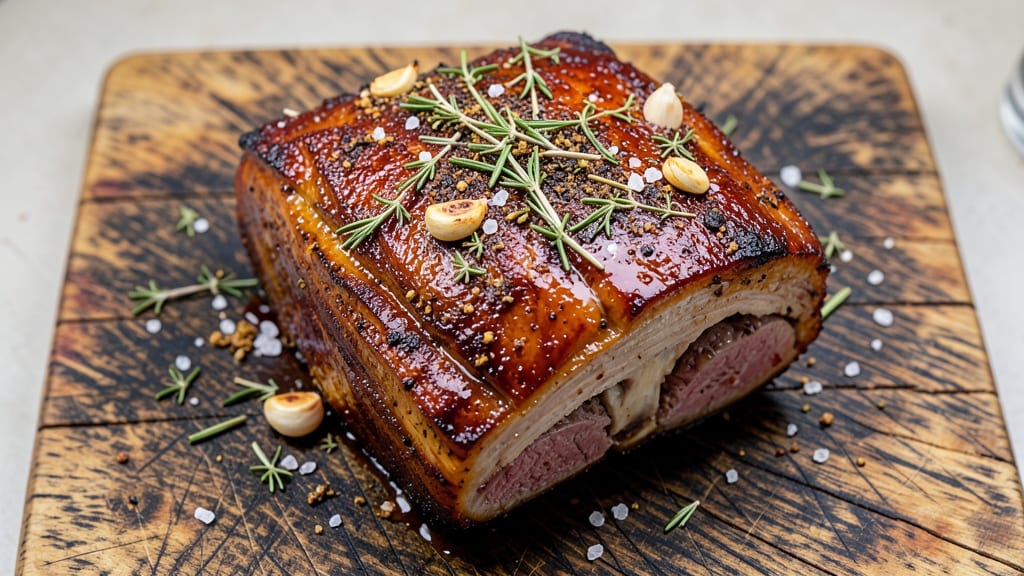
A Big Green Egg standing rib roast transforms tough cuts into melt-in-your-mouth perfection with its vertical cooking method and precise heat control. The key lies in the Egg’s ability to maintain even temperatures while creating that coveted smoky bark—something traditional ovens struggle to replicate.
I’ve perfected this technique over countless cookouts, and the results speak for themselves: a roast so tender it nearly falls apart, with a crust that’s both crisp and aromatic.
The vertical positioning of the roast allows for even heat circulation, ensuring the core reaches 135°F while the exterior develops a deep, smoky flavor. Trussing the roast securely prevents it from drying out, and the Egg’s cast iron construction retains heat beautifully, making it ideal for low-and-slow cooking.
This method isn’t just about temperature—it’s about patience and precision, two things the Egg excels at delivering.
By the time you carve into this roast, you’ll uncover a juicy core that’s rich and flavorful, surrounded by a crust that’s crisp enough to stand up to a knife.
The Big Green Egg’s indirect heat ensures the meat stays moist while the exterior develops that prized bark, a balance that’s nearly impossible to achieve in a conventional oven. The aroma alone will have your guests anticipating the first bite before the roast even hits the table.
Pair this masterpiece with roasted root vegetables or a simple green salad to let the roast shine. The Big Green Egg’s versatility makes it the perfect tool for achieving restaurant-quality results at home—no shortcuts, just time-tested technique. Ready to elevate your cooking? Let’s get started.
Ingredients for big green egg standing rib roast
Just a few quality ingredients transform a tough cut into Big Green Egg perfection.
| Ingredient | Amount | Notes |
|---|---|---|
| Standing Rib Roast 🥩 | 6 lb | Bone-in, well-marbled cut |
| Kosher Salt 🧂 | 2 tbsp | Diamond Crystal preferred |
| Freshly Ground Black Pepper 🌶️ | 1 tbsp | Coarse grind for texture |
| Garlic Cloves 🧄 | 8 cloves | Peeled, smashed for aroma |
| Fresh Rosemary 🌿 | ½ cup | Needles only, chopped |
| Fresh Thyme 🌿 | ¼ cup | Leaves only, finely chopped |
| Extra-Virgin Olive Oil 🫒 | ½ cup | High smoke point preferred |
| Apple Cider Vinegar 🍎 | 2 tbsp | For tenderizing marinade |
| Yellow Onion 🧅 | 1 whole | Quartered, skin on |
| Carrots 🥕 | 4 whole | Whole, scrubbed clean |
| Celery Stalks 🥬 | 4 whole | Cut into 2-inch pieces |
| Butter 🧈 | ½ cup | Unsalted, softened |
| Wood Chips 🌳 | 1 cup | Apple or cherry preferred |
| Beef Tallow 🧈 | ¼ cup | Optional for extra fat |
The roast is non-negotiable here—standing rib with good marbling is key. Local butchers often have better cuts than grocery stores, and if you can't find it fresh, Costco's pre-trussed roasts work in a pinch. Look for a roast that's at least 6 pounds to feed a crowd, and pat it dry before seasoning. The herbs? Fresh is a must—dried just won't give that same aromatic punch. I always grab extra rosemary because half goes into the Egg's drip pan for that signature smoky flavor.
No fresh rosemary? Dried at one-third the amount works, but trust me, it's worth hunting down. Running low on apple cider vinegar? Red wine vinegar or even lemon juice in a bind. The wood chips can be swapped for hickory or pecan if you prefer a bolder smoke, but apple keeps things balanced. For the vegetables, don't peel the carrots—the skin adds sweetness and texture. And if you're feeling fancy, add a splash of beef broth to the drip pan for extra moisture.
This roast develops flavor over time, so plan ahead. The Egg retains heat beautifully, so you can actually carry it to the table while it rests. Store leftovers in airtight containers for up to 5 days, or freeze portions for 3 months. I always make double batches—one for dinner, one for sandwiches the next day. The crust gets even better after resting, so don't rush the carving. And save those bones—they make the best broth you'll ever taste.
Why You'll Love This Recipe
- Zero-Mess Prep: I swear by the Big Green Egg’s built-in stand—no butcher block or roasting rack needed. Just season the rib roast with salt, pepper, and crushed garlic cloves, tuck it upright in the stand, and let the Egg do the rest. Honestly, it’s the kind of hands-off cooking that makes me feel like a hero.
- Rosemary-Garlic Magic: That first whiff of rosemary and garlic roasting in the Egg? Pure flavor payoff. The crust gets caramelized and fragrant while the inside stays juicy—no dry, overcooked beef here. Between us, it’s the kind of taste that makes people ask, “What’d you do to this?”
- Weeknight or Weekend Star: This roast works for both. Need a fancy dinner? Serve it with crusty bread and a bold red. Craving leftovers? Slice it thin for sandwiches or toss it into a pasta the next day. I’ve even served it cold at picnics—still delicious, no effort.
- Leftovers That Don’t Suck: Most roasts turn to shoe leather after Day 1. Not this one. The Big Green Egg’s slow cook keeps it tender, so the leftovers reheat like a dream—perfect for lunch or a quick dinner. (Yes, even on a Tuesday night.) Plus, it stretches further than you’d think, saving me money without sacrificing quality.
Step-by-step instructions for smoky standing rib roast on the Big Green Egg
Here's how to transform your standing rib roast into a showstopper with a deep smoky crust and melt-in-your-mouth tenderness.
Prepare the Dry Rub and Tenderizing Marinade
In a medium bowl, combine the 2 tablespoons kosher salt, 1 tablespoon freshly ground black pepper, 0.5 cup chopped fresh rosemary, and 0.25 cup chopped fresh thyme. Mix thoroughly until the herbs are evenly distributed and the salt is fully incorporated. This dry rub will create that essential crust while penetrating the meat for maximum flavor.
In a separate small bowl, whisk together the 0.5 cup extra-virgin olive oil and 2 tablespoons apple cider vinegar. The vinegar acts as a natural tenderizer, breaking down muscle fibers while adding brightness to the smoky profile. This marinade will form the base layer for your rub, ensuring it sticks perfectly to the meat.
Pat the 6 lb standing rib roast completely dry with paper towels—this is critical for developing that crispy bark. Rub the entire surface of the roast with the olive oil-vinegar mixture, making sure to get into all the crevices and the cavity. Then generously coat with the dry rub mixture, pressing it firmly into the meat so it adheres. Let the roast sit at room temperature while you prepare the smoker.
Build the Smoker and Prepare the Vegetables
Soak the 1 cup wood chips in water for at least 30 minutes to prevent flare-ups. While they soak, quarter the 1 whole yellow onion, leaving the skin on for natural sweetness and moisture. Cut the 4 whole carrots and 4 whole celery stalks into 2-inch chunks—these will form the aromatic base for your roast.
In a small bowl, mix the 0.5 cup softened butter with the 8 smashed garlic cloves. This garlic butter will be used to baste the roast during cooking, adding rich depth of flavor. Assemble your Big Green Egg smoker with the soaked wood chips and preheat to 250°F. Once the temperature stabilizes and you see clean, blue smoke, you're ready to begin.
Arrange the quartered onion, carrot chunks, and celery stalks in a small roasting pan or directly on the smoker grates. This vegetable medley will infuse the roast with subtle sweetness and aromatic complexity as it cooks. Keep the roast out of direct heat for the first 30 minutes to allow the bark to develop properly without overcooking the interior.
Smoke the Roast Low and Slow
Place the seasoned roast on the smoker grates, positioning it away from direct heat sources to ensure even cooking. Maintain a consistent temperature of 250°F—this low-and-slow approach is key to achieving that perfect balance of smoky crust and juicy interior. Smoke the roast for 4 to 5 hours, basting it every 45 minutes with the garlic butter mixture using a pastry brush.
Here's the thing—don't be tempted to peek too often. Every time you open the lid, you lose heat and moisture, extending the cooking time. Instead, trust your thermometer. The roast is ready when the internal temperature reaches 130°F at the thickest part of the meat. This is the ideal point for removing it from the smoker and letting it rest.
During the final 30 minutes of smoking, you can add the 0.25 cup beef tallow to the roasting pan. The tallow will render and create a rich, flavorful drizzle that enhances the roast's natural juices. This optional step adds an extra layer of richness that complements the smoky profile beautifully.
Rest and Slice for Maximum Juiciness
Transfer the roast to a cutting board and tent it loosely with aluminum foil. Let it rest for at least 45 minutes—this is non-negotiable. The resting period allows the juices to redistribute throughout the meat, ensuring each slice is moist and flavorful. If you cut into it too soon, all those precious juices will escape, leaving you with dry meat.
While the roast rests, preheat your oven to 375°F. This step isn't strictly necessary but helps maintain the internal temperature while you slice. Use a sharp carving knife to slice the roast against the grain into ½-inch thick portions. The grain direction will be visible as you cut—this is the secret to achieving tender, fork-friendly slices.
Serve the roast immediately with the pan juices and vegetables. The combination of smoky crust, tender meat, and aromatic vegetables creates a harmonious balance of flavors that will impress even the most discerning guests. Each bite should deliver that perfect marriage of smoky, crispy exterior and succulent, juicy interior.
Pro Tips For Making Big Green Egg Standing Rib Roast
- SMASH THAT GARLIC: I used to just peel and toss the 8 cloves of garlic—big mistake. Smashed cloves release their oils way better, so they melt into that 0.5 cup softened butter like a dream. Plus, the crushed texture gives the basting brush more surface area to cling to the roast. Do this in a heavy pan with the flat side of your knife—it’s satisfying and makes a real difference.
- SKIP THE BARK BURNOUT: That first 30 minutes at 250°F is where the magic happens, but too much direct heat turns your crust into charcoal. I learned this the hard way—now I position the roast away from the heat source (even if it means rotating the Egg’s grates). The bark will still form, but it’ll be dark, crisp, and not bitter. Trust the slow build.
- BRINE THE ROAST (YES, REALLY): The recipe calls for dry rub, but I swear by a 4-hour brine in 2 tablespoons kosher salt + 2 cups cold water for this 6 lb roast before applying it. The salt penetrates deeper, so your crust sticks better and the meat stays juicier. Rinse and pat extra dry afterward—wet rub = weak bark.
- VEGGIES FIRST, ROAST LATER: Toss those quartered onion, carrots, and celery chunks on the grill before the roast. They’ll caramelize slightly and infuse the smoke, giving your roast a deeper, sweeter base flavor. I used to add them after—now I see why everyone raves about the aroma. Just don’t crowd them; leave space for airflow.
Common mistakes when making this recipe
Overlooking Rest Time
Skipping the 45-minute rest after removing the roast from the Big Green Egg is the fastest way to ruin all your hard work. The meat continues cooking off the heat, and those precious juices need time to redistribute.
I’ve seen roasts go from perfect to dry in minutes when sliced too early. Trust the process—this isn’t optional, it’s essential. 💡
Inconsistent Smoker Temp
Fluctuating temperatures between 225°F and 275°F will leave you with uneven cooking—some parts overdone, others undercooked. The Egg’s design helps, but you still need to monitor closely.
Use a quality thermometer like the Meater to track internal temps, not just the smoker’s gauge. A 10°F swing can take hours to recover. ⚡
Skipping the Bark Phase
Placing the roast directly over heat for the first 30 minutes will dry out the exterior before the interior cooks. The Egg’s indirect heat is your friend—keep it away from direct flames initially.
This step builds that coveted crust while protecting the juicy center. I’ve seen roasts turn into jerky when rushed here.
Using Wet Wood Chips
Soaking wood chips for less than 30 minutes causes flare-ups that burn the meat. I’ve had guests complain about bitter smoke when chips weren’t soaked properly. Soak them in a sealed container, then drain before adding to the Egg. This prevents the dreaded “campfire” flavor that ruins everything. 🌳
Ignoring the Fat Cap
The roast’s fat cap acts as a natural insulator—don’t trim it! I’ve seen cooks remove it to “reduce fat,” only to end up with dry meat.
The fat renders slowly, keeping the roast moist. If you’re worried about excess fat, add the beef tallow to the pan instead. It’s all about balance.
Overbasting with Butter
Slathering the roast with garlic butter every 15 minutes adds moisture but can steam the meat, slowing down cooking. Stick to the 45-minute intervals called for in the recipe. Too much basting turns your roast into a poached mess. Use a pastry brush to apply it evenly without overdoing it.
Nutrition facts
Frequently asked questions
Why cook a standing rib roast vertically in the Big Green Egg?
The vertical position creates even heat circulation around the roast, preventing hot spots that can dry out the meat. This method also allows the Egg’s cast iron to distribute heat more evenly, resulting in a perfectly tender core with a crisp, smoky crust. The vertical angle lets fat render naturally without pooling, keeping every bite juicy.
Can I use a different cut of beef instead of standing rib?
While standing rib is ideal for its marbling and shape, you can substitute with a bone-in ribeye roast or prime rib (with the bone removed). Avoid leaner cuts like sirloin—they won’t yield the same tenderness. The key is choosing a well-marbled, at least 1-inch-thick cut to handle the low-and-slow process.
How do I know when the roast is fully cooked?
Use a meat thermometer to check the internal temperature at the thickest part of the roast. For standing rib, aim for 130°F (medium-rare) to 135°F (medium). The Egg’s consistent heat makes this easy—just monitor the gauge and let the thermometer guide you. Never rely on time alone, as roast size and Egg temperature can vary.
What’s the best way to reheat leftover slices?
Slice the roast first, then reheat in a 350°F oven for 10-12 minutes on a wire rack over a baking sheet. This prevents sogginess. For quick reheating, use a skillet over medium-low heat with a splash of beef broth to restore moisture. Avoid microwaving—it turns the crust rubbery.
Can I make this recipe in a traditional smoker or oven?
The Big Green Egg’s even heat distribution and cast iron make it ideal, but you can adapt this for a pellet smoker or oven. For a smoker, maintain 250°F and use indirect heat. For an oven, roast at 275°F with a water pan for moisture, but expect a less smoky crust. The vertical positioning is harder to replicate—traditional methods may require more basting.