
Main Courses
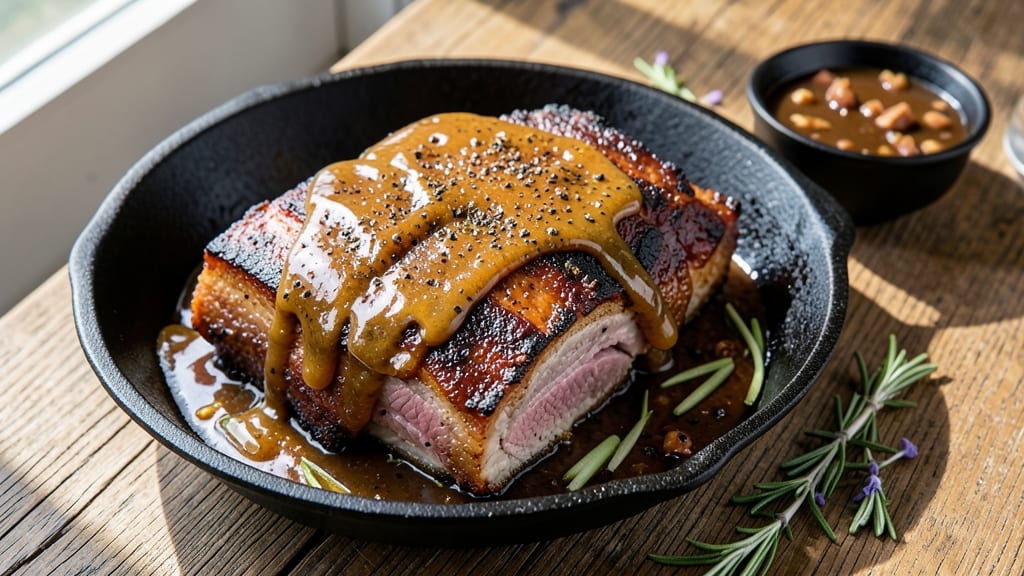
Mastering Big Green Egg pork butt transforms a simple cut into showstopping, fall-apart tenderness with that coveted smoky bark. 🌟 Growing up in Georgia, I learned pork butt deserves patience—low temperatures, steady heat, and time to work its magic.
This isn’t just a recipe; it’s a method I’ve perfected over years of smoking competitions and family gatherings.
The Big Green Egg’s charcoal setup gives you precise control over temperature and smoke, which is critical for pork butt. We’ll maintain a steady 225°F for hours, ensuring the meat stays juicy while developing that irresistible crust.
The key? A well-seasoned egg and proper lid management to keep that heat consistent—no cold spots, no flare-ups.
By the time you reach 195–203°F internal temperature, your pork butt will be so tender it practically shreds at a touch, with a bark so crispy it’ll make your guests reach for seconds.
The resting period (wrapped in foil) locks in all that juiciness, while the wrap technique keeps everything intact for easy slicing.
Serve with classic sides like baked beans and cornbread for the full experience. This isn’t just dinner—it’s a centerpiece that turns any gathering into a celebration. Let’s get started on that pull-apart magic.
Ingredients for big green egg pork butt
Pork butt, charcoal, and patience—just the essentials for Big Green Egg magic.
| Ingredient | Amount | Notes |
|---|---|---|
| Pork Butt (Boston Butt) 🍖 | 8 lb | Bone-in, well-marbled cut |
| Yellow Mustard 🍯 | ¼ cup | For initial rub application |
| Brown Sugar 🍚 | ½ cup | Lightly packed for sweetness |
| Smoked Paprika 🌶️ | ¼ cup | For deep smoky flavor |
| Kosher Salt 🧂 | ½ cup | Diamond Crystal preferred |
| Ground Black Pepper 🌶️ | 1 tbsp | Freshly cracked for bite |
| Garlic Powder 🧄 | 1 tbsp | For aromatic depth |
| Onion Powder 🧅 | 1 tbsp | Sweet onion preferred |
| Apple Juice Concentrate 🍎 | ½ cup | For moisture during cook |
| Butcher Paper 📄 | 1 sheet | For wrapping during rest |
| Aluminum Foil 📦 | 1 sheet | Heavy-duty for wrapping |
| Charcoal Chunks 🔥 | 8 lb | Lump charcoal preferred |
| Cherry Wood Chips 🌳 | 1 lb | For authentic smoke flavor |
| Water 💧 | 2 cups | For soaking wood chips |
The pork butt is non-negotiable here. Look for bone-in, well-marbled cuts—the marbling keeps it juicy while the bone adds flavor. I always buy from local butchers or Costco for consistency. If you're shopping at Whole Foods, their pre-cut pork butt is a solid choice. The mustard acts as a binder for the rub, so don't skip it—French's yellow mustard is my go-to. For the wood chips, Traeger brand or Cooks Wood are reliable, but any fruitwood will work. Soak them for 30 minutes before using to prevent flare-ups.
No smoked paprika? Substitute with a mix of sweet paprika and liquid smoke—just a teaspoon of liquid smoke goes a long way. Running short on apple juice concentrate? Pineapple juice or even apple cider will work, though the concentrate gives you that perfect balance of moisture and sweetness. For the rub, if you don't have garlic or onion powder, fresh minced garlic and onion work beautifully—just toss them in with the other dry ingredients. The charcoal matters too—lump charcoal burns hotter and cleaner than briquettes, giving you better temperature control. If you're using briquettes, Kingsford is a decent fallback.
This isn't a recipe you want to rush. The pork butt will rest for 2-3 hours after cooking, so plan ahead. Wrap it tightly in butcher paper first, then foil to lock in moisture. Store leftovers in the fridge for up to 5 days—it actually tastes better the next day. For freezing, portion into 1-pound servings and freeze for up to 3 months. Reheat wrapped in foil at 300°F until internal temp hits 165°F. The bark? Save it! Crumble it up and toss into tacos or salads for extra flavor—trust me on this.
Why You'll Love This Recipe
- No-Fuss Prep: The dry rub takes five minutes—just toss the 0.5 cup brown sugar, 0.25 cup smoked paprika, and 0.5 cup kosher salt in a bowl, and the 0.25 cup yellow mustard sticks it all to the pork like glue. Honestly, the hardest part is waiting that one hour for it to rest. After that? Set the Big Green Egg to 225°F and let it do the work while you sip something cold.
- Smoky-Sweet Magic: That 0.25 cup smoked paprika and 1 lb cherry wood chips team up for a flavor so rich, it makes your taste buds forget they’ve ever had store-bought pulled pork. The 0.5 cup apple juice concentrate keeps it moist, but the real star? The bark—crispy enough to stand up to a sandwich, but the meat underneath? It falls apart like it’s been slow-dancing with you for hours.
- Weeknight Crowd-Pleaser: Between us, this is the only pork butt recipe I make when my in-laws show up unannounced. The 2-hour rest means you can prep ahead, and the 5-day fridge life (yes, it gets better) turns leftovers into next-day lunches. Plus, it’s not just for parties—throw it on a bun with coleslaw, and suddenly you’ve got dinner for six with minimal effort.
- Budget-Friendly Feast: An 8 lb pork butt feeds a small army, and the ingredients? Most are pantry staples. The 1 sheet butcher paper and 1 sheet aluminum foil might sound fancy, but they’re the secret to juicy perfection without breaking the bank. I’ve made this for under $2 per serving—way cheaper than takeout, and way tastier.
Step-by-step instructions for Big Green Egg pork butt
Here's how to transform your pork butt into tender, smoky perfection with that coveted bark.
🔥 Step 1: Prepare the Rub and Season the Pork
In a large bowl, combine the 0.5 cup brown sugar, 0.25 cup smoked paprika, 0.5 cup kosher salt, 1 tbsp garlic powder, 1 tbsp onion powder, and 1 tbsp ground black pepper. Mix thoroughly until the dry ingredients are evenly distributed. This is your flavor foundation.
Pat the 8 lb pork butt completely dry with paper towels—this is critical for bark development. Spread the 0.25 cup yellow mustard evenly over the entire surface, then press the dry rub mixture firmly into the meat. The mustard helps the rub stick and adds a subtle tang. Let the seasoned pork rest at room temperature for 1 hour while you prepare your Big Green Egg.
🔥 Step 2: Set Up the Smoker for Low-and-Slow Cooking
Soak the 1 lb cherry wood chips in the 2 cups water for at least 30 minutes before using. This prevents flare-ups and creates a steady smoke. Fill your Big Green Egg with the 8 lb charcoal chunks and arrange them in a ring around the edge, leaving the center open for the pork butt.
Place the soaked wood chips directly on the charcoal. Light the charcoal and let it burn until you see clean, blue smoke (not thick white smoke). Adjust the vents to maintain a temperature of 225°F. The pork butt needs this gentle heat for 12-14 hours to break down collagen into gelatin, ensuring that juicy texture you're craving.
🍳 Step 3: Smoke the Pork Until Probe-Tender
Place the seasoned pork butt fat-side up on the grill grate. Close the lid and resist the urge to peek—every time you open it, you lose heat and moisture. Smoke undisturbed until the internal temperature reaches 165°F (about 6-8 hours). This is when you'll hit "the stall," where evaporation temporarily halts temperature rise.
Here's where the magic happens: when the temperature hits 165°F, wrap the pork butt tightly in the 1 sheet butcher paper, then secure it with the 1 sheet aluminum foil. The butcher paper allows the bark to stay crisp while the foil helps push through the stall. Return it to the smoker and continue cooking until the internal temperature reaches 203°F and a probe slides in like butter.
⏰ Step 4: Rest and Slice for Maximum Juiciness
Once probe-tender, remove the pork butt from the smoker and let it rest for 2 hours wrapped in the butcher paper. This resting period is non-negotiable—it allows the juices to redistribute throughout the meat, preventing dry slices. I like to place it in a cooler to maintain a consistent temperature during this time.
After resting, unwrap the pork butt and let it sit uncovered for 10 minutes to allow the bark to firm up slightly. Slice against the grain into ½-inch thick slices. Each piece should be fork-tender with a beautiful mahogany bark on the outside and a pink smoke ring just beneath the surface. Serve immediately with your favorite sides for that ultimate pulled pork experience.
Pro Tips For Making Big Green Egg Pork Butt
- Skip the Mustard Shortcut: DESCRIPTION: That 0.25 cup yellow mustard isn’t just glue—it’s flavor insurance. If you’re in a hurry, swap it for 2 tablespoons of apple juice concentrate (from your list) mixed with 1 teaspoon of smoked paprika. It’ll still stick, just with a slightly sharper bite. But if you’ve got the time, the mustard’s tang makes the bark more complex—worth the extra 2 minutes to spread it evenly.
- Watch the Stall Timing: DESCRIPTION: The moment your pork hits 165°F, that’s when you wrap it in butcher paper and foil—not a degree earlier. I’ve rushed it before, and the bark turns sad and soggy. The stall is your friend: embrace the pause. Once wrapped, it’ll climb to 203°F faster than you’d expect, but patience here guarantees that buttery probe-tenderness.
- Soak Wood Chips Properly: DESCRIPTION: Those 1 lb cherry wood chips need the full 30 minutes in 2 cups water—no cutting corners. I learned this after a batch of pork tasted like a campfire instead of a smoker. Soak them in a metal bowl (not plastic) and drain just before using. The moisture keeps the smoke steady, not smoky one minute and flaring the next.
- Rest in the Cooler: DESCRIPTION: The 2-hour rest isn’t just about the pork—it’s about the temperature. If your kitchen’s warm, pop the wrapped butt into a cooler with a towel over it. I’ve seen people skip this, and their slices turn out dry because the juices rush to the surface. A cooler keeps everything even, so every bite stays juicy. (Yes, even if you’re impatient like me.)
Pro cooking tips for this dish
Temperature Control Secrets
The Big Green Egg’s real advantage is its ability to maintain 225°F without constant fuss. I use a dual-probe thermometer—one in the smoker, one in the meat—to track both.
The key is adjusting the top and bottom vents together: if the temp drops, open them slightly; if it rises, close them. My Lodge cast iron egg handles this better than most because it retains heat longer. 🌡️
Charcoal Management
Start with 8 lbs of lump charcoal arranged in a ring around the edge, leaving the center clear. Add 1 lb soaked cherry wood chips directly on the charcoal for steady smoke.
The secret? Don’t overload—too much charcoal creates hot spots. I add 2-3 lbs fresh charcoal every 2 hours to maintain even heat. Never use lighter fluid; it ruins the flavor.
The Stall Strategy
When the internal temp hits 165°F, you’ll hit "the stall"—a phase where evaporation cools the meat. This is where butcher paper + foil saves the day. Wrap the pork tightly in pink butcher paper first (it’s more breathable than foil), then seal with heavy-duty aluminum foil.
Return to the smoker until it hits 203°F. This shaves 2-3 hours off your cook time.
Resting Like a Pro
Never skip the 2-hour rest—this is where the juices redistribute. I place the wrapped pork in a Styrofoam cooler with a towel to insulate it. The cooler keeps the temp stable while the meat rests.
After resting, let it sit uncovered for 10 minutes before slicing—this firms up the bark for cleaner cuts. Trust me, skipping this step means dry, sad pork.
Bark Perfection Tips
For that crispy mahogany bark, start with a dry rub and pat the meat bone-dry before smoking. Spritz with ½ cup apple juice concentrate every 2 hours during the last 4 hours of cooking.
This keeps the surface moist enough for bark to form without steaming the meat. My heritage pigs from my farm develop bark faster because of their higher fat content.
Big Green Egg Venting
Vent management is everything. The top vent controls smoke—keep it open 1/4 turn for light smoke. The bottom vent regulates heat—adjust it to maintain 225°F. If smoke gets too thick, crack the top vent wider.
If the temp fluctuates wildly, close the bottom vent slightly. I’ve learned this through years of smoking competitions—consistency is king. ⚡
Nutrition facts
Frequently asked questions
Can I use a different wood chip flavor besides cherry?
While cherry wood chips give that classic sweet-smoky flavor, you can experiment with hickory for a stronger taste or apple for a milder, fruitier profile. Just remember to soak them for 30 minutes first to prevent flare-ups. My rule of thumb: fruitwoods like apple or cherry work best for pork butt, while hickory or pecan add more intensity.
What if my Big Green Egg isn't maintaining 225°F?
This happens most often when vents are misadjusted or charcoal isn't distributed properly. Start by checking your top and bottom vents—open them slightly if the temperature drops, or close them if it rises above 225°F. Also, make sure your 8 lbs of lump charcoal are arranged in a ring around the edge, not piled in the center. If it still fluctuates, try adding 2-3 lbs fresh charcoal every 2 hours to stabilize heat. A dual-probe thermometer helps track both smoker and meat temps.
How do I know when the pork butt is done?
Use a meat thermometer to check the internal temperature—it's done when it hits 203°F and a probe slides in like butter. The bark should be crispy and mahogany-colored. If you don't have a thermometer, look for these signs: the meat should pull apart easily with two forks, and the juices should run clear, not pink. Never rely on time alone—pork butt cooks at different rates depending on size and fat content.
Can I make this recipe in a smaller Big Green Egg?
Yes, but you'll need to adjust the cooking time. A smaller egg may struggle to maintain even heat, so monitor temperatures closely. For an 8 lb pork butt, reduce the charcoal to 4-5 lbs and add more as needed. The key is keeping the temperature stable at 225°F. You might also need to wrap the pork earlier (around 160°F) to compensate for heat loss. Expect the total cook time to stretch to 16-18 hours in a smaller setup.
What's the best way to reheat leftover pork butt?
Wrap slices in aluminum foil and reheat in a 300°F oven until internal temperature reaches 165°F—about 10-15 minutes. For a smoky boost, place the foil-wrapped pork on the Big Green Egg grill over indirect heat for 5-10 minutes. Never microwave—it turns the meat rubbery. Pro tip: Save any leftover bark! Crumble it up and toss into tacos, salads, or even pasta for extra flavor.