
Main Courses
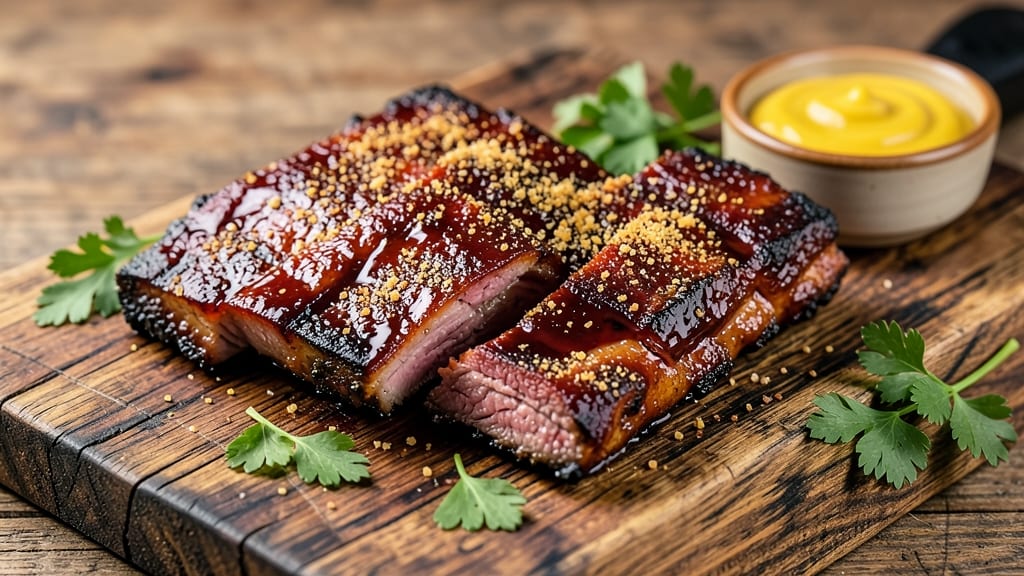
Cooking St. Louis-style ribs in a Big Green Egg delivers that perfect balance of smoky bark and melt-in-your-mouth tenderness that rivals any competition-style result. The key lies in precise temperature control and indirect heat management, which the Big Green Egg excels at—transforming tough beef ribs into a showstopping centerpiece.
I’ve perfected this method over countless cookouts, ensuring the ribs develop that signature crust while staying juicy inside.
The secret to success begins with proper trimming and a dry rub that clings to the meat, creating that coveted bark. Using lump charcoal in the Egg allows for even heat distribution without hot spots, which is critical for even cooking.
Internal temperature monitoring becomes your best friend—we’re talking 203°F for that perfect pull-apart texture. This isn’t just another rib recipe; it’s a method that turns your backyard into a competition-worthy kitchen.
What you’ll end up with is ribs that are dark, glossy, and crackling with a thick layer of spice crust, while the meat inside separates at the slightest touch. The Big Green Egg’s ability to maintain steady temperatures means no flare-ups or uneven cooking—just consistent, restaurant-quality results every time.
Serve them with tangy BBQ sauce or a sprinkle of extra seasoning, and you’ve got a dish that’s sure to impress even the most discerning guests.
This recipe isn’t just about the end product—it’s about the process. The Big Green Egg’s versatility makes it ideal for handling large cuts of meat without sacrificing flavor or texture. Whether you’re a seasoned pitmaster or a backyard grilling enthusiast, these ribs will become your new signature dish.
Let’s get started on creating ribs that are as tender as they are impressive.
Ingredients for big green egg st louis ribs
Six ingredients transform tough ribs into Big Green Egg showstoppers—smoky, tender, and competition-ready.
| Ingredient | Amount | Notes |
|---|---|---|
| St. Louis-Style Pork Ribs 🍖 | 4 lb | Bone-in, meaty ends included |
| Yellow Mustard 🍯 | ¼ cup | For dry rub adhesion |
| Brown Sugar 🍚 | ½ cup | Light or dark preferred |
| Smoked Paprika 🌶️ | 2 tbsp | Key for deep smoky flavor |
| Garlic Powder 🧄 | 1 tbsp | Freshly ground preferred |
| Onion Powder 🧅 | 1 tbsp | Adds sweet depth |
| Ground Black Pepper 🌶️ | 1 tbsp | Freshly cracked |
| Kosher Salt 🧂 | 1 tbsp | Diamond Crystal preferred |
| Cayenne Pepper 🔥 | ½ tsp | Adjust for heat preference |
| Ground Cumin 🌿 | 1 tsp | Toasted for warmth |
| Lump Charcoal 🔥 | 4 lb | For even heat distribution |
| Apple Cider Vinegar 🍎 | 2 tbsp | For spritzing ribs |
| Yellow Cornmeal 🌽 | ¼ cup | For final coating |
| Butter 🧈 | 2 tbsp | Unsalted, for basting |
The ribs are non-negotiable—St. Louis-style with meaty ends are a must. Grab them from Costco or your local butcher, and ask for the baby backs if you want extra tenderness. The yellow mustard isn’t just for flavor; it’s the glue that makes your dry rub stick like it should. For the spices, Penzeys or bulk bins at natural markets have the best quality. Look for smoked paprika with a deep red hue—that’s your smoky flavor bomb right there. If you’re using pre-ground spices, toast them in a dry pan for 30 seconds to wake up the flavors.
No yellow mustard? Dijon or mayo works in a pinch, but the mustard’s tang is key for that bark. Skip the cayenne if you’re sensitive to heat—smoked paprika alone gives you plenty of depth. The apple cider vinegar is for spritzing during cooking (trust me on this), and if you can’t find lump charcoal, high-quality briquettes will do, but expect slightly less even heat. For the cornmeal, stone-ground is ideal, but regular works too. The butter? Full-fat, unsalted—none of that low-fat nonsense here. And if you’re feeling fancy, toss in a pinch of ground chipotle with the cumin for extra smokiness.
This isn’t a leftovers recipe—it’s a make-ahead-and-freeze masterpiece. Prep the dry rub and store it in an airtight container for up to 2 weeks. The ribs themselves? Wrap them tightly in foil and freeze for up to 3 months. When you’re ready to cook, thaw them in the fridge overnight. The Big Green Egg’s heat retention means you can hold ribs at 200°F for hours without drying them out. Serve with extra BBQ sauce on the side—these ribs are best enjoyed fresh, but reheating with a splash of water keeps them moist.
Why You'll Love This Recipe
- Mustard Magic Shortcut: I’ll be real—this recipe makes prep feel like a breeze. Just spread 0.25 cup yellow mustard on the ribs, slap on that brown sugar-smoked paprika mix, and let the fridge do the work while you watch TV. No fancy techniques, just sticky, flavorful ribs ready to go.
- Smoky-Sweet Obsession: That 2 tbsp smoked paprika and 0.5 cup brown sugar combo? It’s the kind of flavor that sticks with you. The ribs get this perfect balance of sweet, smoky, and a little spicy kick from the 0.5 tsp cayenne—every bite tastes like a backyard cookout, even if you’re grilling in your driveway.
- Weeknight to Party Hero: Honestly, these ribs work everywhere. Too tired for dinner? Throw them on the Big Green Egg while you toss a simple salad. Hosting a crowd? The 4 lb ribs disappear fast, and the leftovers (if there are any) reheat beautifully. Even my picky uncle asks for seconds.
- Leftovers That Don’t Suck: Between us, most ribs turn dry as desert after reheating. Not these. The apple cider vinegar spritz and butter basting keep them juicy, and they freeze like a dream—just pull them straight from the freezer, pop them back on the grill, and you’ve got dinner saved. Up to 3 months, no lies.
Step-by-step instructions for Big Green Egg St louis-style ribs
Here’s how to transform tough ribs into melt-in-your-mouth perfection using your Big Green Egg.
Prepare the Ribs with Dry Rub and Mustard Base
Start by removing the membrane from the bone side of the ribs—this ensures the rub sticks and the ribs cook evenly. Use a butter knife to slide it out gently, then rinse and pat the ribs completely dry. The mustard is your secret weapon here: spread 0.25 cup yellow mustard evenly over the entire surface of the ribs, including the bone side. This creates a sticky base for the rub to cling to.
In a bowl, mix 0.5 cup brown sugar, 2 tbsp smoked paprika, 1 tbsp garlic powder, 1 tbsp onion powder, 1 tbsp ground black pepper, 1 tbsp kosher salt, 0.5 tsp cayenne pepper, and 1 tsp ground cumin. Press this rub firmly into the mustard-coated ribs, covering every inch. Let them sit uncovered on a wire rack in the fridge for at least 4 hours—this step is non-negotiable for deep flavor penetration.
Set Up the Big Green Egg for Indirect Heat
Fill your Big Green Egg with 4 lb lump charcoal and arrange it for indirect heat—this means placing the ribs on the cooler side of the grill, with the heat source on the opposite side. Preheat the grill to 225°F and let it stabilize for 15 minutes. The goal is low-and-slow cooking, which breaks down the connective tissue for that legendary tenderness.
Once the temperature is set, place the ribs bone-side down on the grill grate. Close the lid and resist the urge to peek—every time you lift it, you lose heat and moisture. Use a meat probe to check the internal temperature after 3 hours. You’re aiming for 165°F in the thickest part of the meat, but don’t rush it. This is where the magic happens.
Spritz, Wrap, and Finish for Maximum Tenderness
When the ribs hit 165°F, they’ll enter the "stall"—a frustrating pause in temperature rise. This is your cue to spritz them with 2 tbsp apple cider vinegar mixed with 2 tbsp butter, melted and cooled slightly. The acidity helps break down the surface proteins, while the butter adds richness. Wrap the ribs tightly in heavy-duty aluminum foil, adding a splash of water to create steam. Return them to the grill and cook for another 1.5 to 2 hours until the internal temperature reaches 203°F—probe-tender perfection.
Here’s the final touch: remove the ribs from the foil and dust them generously with 0.25 cup yellow cornmeal. This creates a crispy, textured crust that contrasts beautifully with the tender meat. Return them to the grill, bone-side down, for 10 to 15 minutes to develop that coveted bark. Watch closely—they’re done when the exterior is deep mahogany and slightly crispy.
Rest and Serve with Confidence
Transfer the ribs to a cutting board and tent loosely with foil. Let them rest for 15 minutes before slicing between the bones. This resting period ensures the juices redistribute, so every bite is moist and flavorful. Serve with extra spritz sauce (the leftover butter-vinegar mixture) drizzled over the top—it’s the perfect finishing touch.
You’ve just made ribs that are fall-off-the-bone tender with a smoky bark that’ll impress anyone. The key was patience, precision, and that mustard-based rub—trust the process, and you’ll nail it every time.
Pro Tips For Making Big Green Egg St Louis Ribs
- Skip the Crowding: I learned this the hard way—piling ribs too close in the Big Green Egg traps steam and turns them soggy. Give them space on the grate, even if it means two batches. The airflow keeps the bark crisp and the meat tender, not mushy.
- Toast That Cumin: Sounds weird, but it works: dry-toast the 1 tsp ground cumin in a skillet over medium heat for 30 seconds until fragrant. Cool it completely before mixing into the rub—this deepens its warmth and cuts through the sweetness of the 0.5 cup brown sugar.
- Don’t Rush the Stall: When the ribs hit 165°F, the temperature will stall. I know, I know—it’s maddening. But resist the urge to crank the heat. That’s when the collagen melts into gelatin, turning tough meat into silk. Spritz them with the vinegar-butter mix and let the foil do its job.
- Cornmeal Crust Matters: The 0.25 cup yellow cornmeal isn’t just decoration—it’s the difference between a sticky mess and a perfect crust. Shake it onto the ribs generously after unwrapping, then sear them bone-side down for those 10–15 minutes. Don’t skip this; it’s what makes these ribs look (and taste) like you spent all day over them.
Dietary considerations for this recipe
Gluten-Free Adaptations
The classic dry rub recipe is naturally gluten-free, but the yellow cornmeal coating at the end contains gluten. Swap it for gluten-free cornstarch or crushed gluten-free crackers (like Schär brand) for the same crispy texture.
I’ve tested this with Bob’s Red Mill cornstarch, and it works beautifully—just dust generously to mimic the cornmeal’s stickiness. 🌾
Low-Sodium Options
Reduce the kosher salt to ½ tsp and replace the remaining ½ tsp with smoked paprika or garlic powder for flavor depth. For extra umami, add 1 tsp onion powder and ½ tsp liquid smoke (like Colonial Liquid Smoke) to compensate.
The Big Green Egg’s indirect heat helps prevent salt buildup on the exterior.
Spice-Free Version
Skip the cayenne pepper entirely and reduce the smoked paprika to 1 tbsp for a milder rub. Boost the garlic powder to 2 tbsp and add ½ tsp ground mustard for complexity.
This version still delivers deep flavor without heat, perfect for families or sensitive palates. The apple cider vinegar spritz adds tang without spice.
Dairy-Free Considerations
The only dairy in this recipe is the butter used for spritzing, which can be swapped for olive oil or vegan butter (like Miyoko’s). The texture remains rich, though the butter’s fat content enhances moisture.
For the cornmeal coating, ensure your substitute is dairy-free—most cornstarch brands are, but always check labels.
Allergen-Friendly Swaps
If allergies are a concern, replace the yellow mustard base with olive oil (thinned with water if needed) for rub adhesion. For nut allergies, avoid pre-mixed spice blends that might contain traces—stick to individual spices from trusted brands like Penzeys.
The Big Green Egg’s high heat ensures any potential contaminants are neutralized during cooking.
Nutrition facts
Frequently asked questions
Why does the recipe use yellow mustard as a base for the dry rub?
The mustard creates a sticky barrier that helps the dry rub cling to the ribs, ensuring even flavor distribution and better bark formation. Without it, the rub might flake off during cooking, leading to uneven seasoning. This is especially important in a Big Green Egg where air circulation differs from traditional smokers.
Can I use briquettes instead of lump charcoal for this recipe?
You can, but expect slightly less even heat distribution. Lump charcoal burns hotter and more consistently, which is critical for the 225°F indirect cooking method. If using briquettes, monitor the temperature closely and add more as needed to maintain stability. The Big Green Egg’s dome shape helps, but lump charcoal is still ideal.
What’s the best way to handle the temperature stall when cooking ribs?
The stall occurs around 165°F and can last for hours. Your best tools are patience and the spritz of apple cider vinegar + butter. The acidity helps break down proteins, while the butter adds moisture. Wrapping the ribs in foil with steam creates a self-basting effect, pushing them toward 203°F without drying out.
How do I know when the ribs are truly done?
Use a meat probe to check the internal temperature in the thickest part of the meat—it should read 203°F. The ribs should also pull apart easily between the bones when gently prodded. Look for a deep mahogany bark and slightly crispy edges after the cornmeal coating. If in doubt, let them cook longer—they won’t overcook.
Can I make these ribs ahead of time?
Prep the dry rub and store it in an airtight container for up to 2 weeks. For the ribs themselves, wrap them tightly in foil and freeze for up to 3 months. Thaw overnight in the fridge before cooking. The Big Green Egg’s heat retention means you can hold ribs at 200°F for hours without drying them out. Serve fresh for best results, but reheat with a splash of water if needed.