
Main Courses
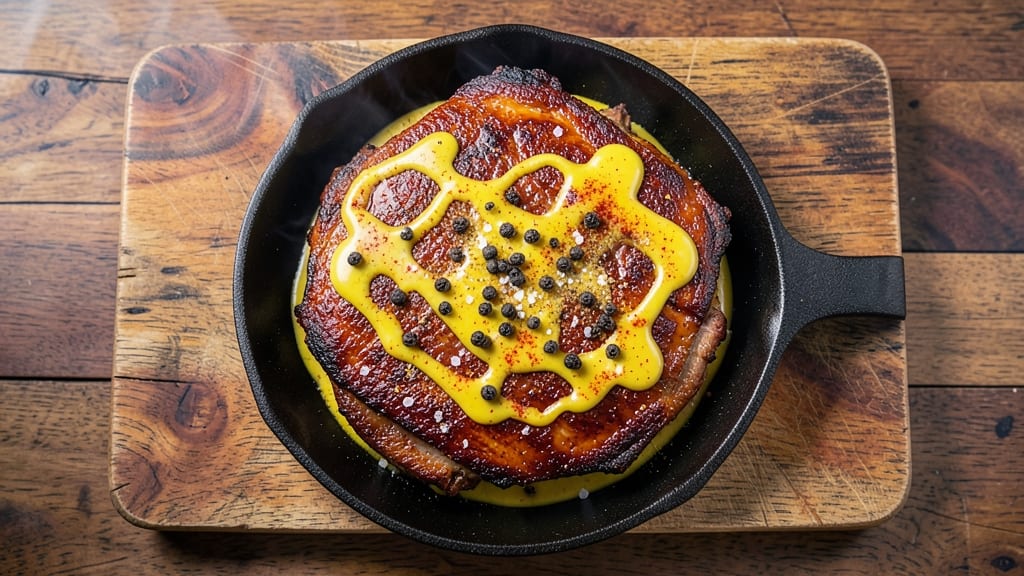
Mastering a Big Green Egg brisket flat delivers that perfect balance of smoky, spiced crust and a tender pink center—a hallmark of true Texas-style barbecue. The Big Green Egg’s unique heat retention and charcoal cooking create an environment where low-and-slow smoking transforms tough meat into melt-in-your-mouth perfection.
I’ve perfected this technique after countless trials, ensuring every bite delivers that ideal texture and bold flavor profile.
The key to success lies in precise temperature control and patience. This recipe focuses on a brisket flat, which cooks faster than a full brisket but still requires careful attention to avoid drying out.
With the right wood choice—like hickory or pecan—and a well-seasoned rub, you’ll achieve a bark that’s both crisp and flavorful while keeping the interior juicy. The Big Green Egg’s design helps maintain consistent heat, making it easier to nail the perfect internal temperature.
What you’ll end up with is a brisket flat that’s tender enough to slice with a fork yet sturdy enough to hold up to slicing. The smoky aroma will fill your backyard, and every bite will reveal layers of flavor from the rub and the charcoal’s unique imprint.
This method ensures restaurant-quality results without the need for a commercial smoker.
Serve with classic sides like creamy coleslaw, buttery cornbread, and pickled jalapeños to complete the meal. The Big Green Egg’s versatility makes this recipe perfect for weekend gatherings or special occasions where you want to impress. Let’s get started on creating your own showstopping brisket flat.
Ingredients for big green egg brisket flat
The perfect blend of Texas-style spices and Big Green Egg magic transforms tough brisket flat into melt-in-your-mouth perfection.
| Ingredient | Amount | Notes |
|---|---|---|
| Brisket Flat 🥩 | 4 lb | Thin-cut, 1-inch thick max |
| Yellow Mustard 🍯 | ¼ cup | For binder application |
| Coarse Kosher Salt 🧂 | ¾ cup | Diamond Crystal preferred |
| Black Peppercorns 🌶️ | 2 tbsp | Freshly cracked preferred |
| Smoked Paprika 🌶️ | 2 tbsp | High-quality Spanish preferred |
| Garlic Powder 🧄 | 1 tbsp | Freshly ground preferred |
| Onion Powder 🧅 | 1 tbsp | Freshly ground preferred |
| Ground Cumin 🌿 | 1 tbsp | Toasted for depth |
| Cayenne Pepper 🔥 | 1 tsp | Adjust for heat preference |
| Hickory Wood Chips 🌳 | 2 cups | Unsoaked, quality brand |
| Pecan Wood Chips 🌳 | 1 cup | For secondary smoke |
| Apple Juice 🍎 | 1 cup | For spritzing during cook |
| Beef Tallow 🧈 | ½ cup | For spritzing, optional |
| Butter 🧈 | ½ cup | Cold, for final wrap |
The brisket flat is your star—thin-cut, 1-inch thick max, and from a trusted butcher. Local smokehouses or high-end grocery stores like Whole Foods carry quality cuts. Look for good marbling; fat equals flavor. I always ask for it to be trimmed of excess fat but left with enough to self-baste during cooking. For a game-changing shortcut, buy pre-cut brisket flats from Snake River Farms—their consistency is unmatched. The wood chips? Traeger and Cookshack brands deliver reliable smoke flavor without overpowering. Soak them? Nope—just toss them straight on the fire.
No smoked paprika? Regular paprika plus a pinch of liquid smoke gets you close, but it won’t have that same depth. Short on cumin? Corriander at half the amount adds a citrusy note. The apple juice spritz is non-negotiable—it keeps the bark crisp while preventing drying. No beef tallow? Extra-virgin olive oil works in a pinch, though purists will notice the difference. For the final wrap, cold butter adds a luxurious finish that’s worth the extra minute to chill it. Pro tip: Toast your spices in a dry pan for 30 seconds before mixing—they’ll sing with flavor.
This brisket flat is a three-day project, but every step is worth it. Store the raw meat in the coldest part of your fridge, wrapped tightly in plastic. The rub? Keep in an airtight container for up to 2 weeks. Once cooked, slice against the grain and serve immediately—it reheats poorly. For leftovers, wrap tightly in butcher paper and store for up to 5 days. Freeze portions for 3 months if you’re planning ahead. The bark gets tougher when reheated, so enjoy it fresh off the Egg.
Why You'll Love This Recipe
- No-Fuss Prep: Honestly, the hardest part is waiting—that 4-hour dry rub chill time is basically hands-off. Mix the spices, slap it on the brisket, and let the Big Green Egg do the rest while you handle the rest of your day. I’ll be real: I’ve done this while watching a movie, answering emails, or even napping. The real work happens at 225°F while you’re free to ignore it.
- Smoky Crust Magic: That final mustard brush? Chef’s kiss. The yellow mustard binds the bark while adding just enough tang to cut through the smoky depth of the hickory and pecan wood chips. The crust cracks like a perfect pie shell, but inside? Juicy, tender slices that fall apart with every bite. Between us, the first time I sliced into this, my kids paused mid-conversation.
- Leftovers That Last: Two weeks in the fridge? Yes, really. The butcher paper wrap keeps it moist and flavorful, so I can pull this for sandwiches, tacos, or even a quick breakfast hash when I’m too tired to cook. The first few slices out of the fridge taste just as good as day one—no sad, dry meat here. I’ve even packed it for lunches, and it’s still the star of the show.
- Weeknight Crowd-Pleaser: This isn’t just for holidays or backyard BBQs. The thin-cut brisket flat cooks faster than a full packer, so it’s ready for game days, potlucks, or even a busy Friday night when friends drop by. Serve it with crusty bread, and suddenly you’re the hero of the hour—no stress, no fuss, just pure satisfaction. Plus, the spices are mild enough that even picky eaters won’t complain.
Step-by-step instructions for Big Green Egg brisket flat
Here's how to transform that brisket flat into a masterpiece with a crackling crust and melt-in-your-mouth tenderness.
Create the Ultimate Dry Rub and Prep the Brisket
In a large bowl, combine the 0.75 cup coarse kosher salt, 2 tbsp black peppercorns (freshly cracked), 2 tbsp smoked paprika, 1 tbsp garlic powder, 1 tbsp onion powder, 1 tbsp ground cumin, and 1 tsp cayenne pepper. Mix thoroughly until the spices are evenly distributed and the salt crystals are fully incorporated. This blend will create a complex flavor profile that penetrates deeply while building that coveted bark.
Pat the 4 lb brisket flat completely dry with paper towels—moisture is the enemy of crispy bark. Spread the dry rub generously over all surfaces, pressing firmly so it adheres. Don't be shy; you want this rub clinging to every inch. Place the brisket on a wire rack set over a baking sheet and refrigerate uncovered for at least 4 hours, preferably overnight. This dry-brining step ensures maximum flavor penetration and helps create that perfect crust.
Set Up Your Big Green Egg for Indirect Heat
Fill your Big Green Egg's water pan with 1 cup apple juice and place it on the lower grill grate. This creates a moist environment that prevents the bark from drying out while allowing the smoke to work its magic. Add 2 cups hickory wood chips to the smoker box and light them, letting them burn until you see clean blue smoke (not white steam). Then add 1 cup pecan wood chips to the smoker box as well for that perfect secondary smoke profile.
Preheat your Big Green Egg to 225°F with the lid closed. Position the brisket fat-side up on the upper grill grate, away from direct heat. This setup allows the fat to render slowly while the meat cooks gently. Close the lid and resist the urge to peek—every time you open it, you lose valuable heat and moisture. Let the brisket cook undisturbed for 6 hours, maintaining that 225°F temperature throughout.
Spritz and Manage the Bark Development
After 6 hours, check the internal temperature of the brisket using a meat thermometer. It should read around 165°F, and you'll notice the cooking has slowed—this is the "stall," a normal part of the smoking process. Here's where the 0.5 cup beef tallow and 0.5 cup butter come into play: melt them together in a small saucepan over low heat until fully combined. Let this mixture cool slightly.
Remove the brisket from the grill and place it on a cutting board. Generously brush all surfaces with the tallow-butter mixture, then wrap it tightly in heavy-duty aluminum foil. Return the wrapped brisket to the grill and continue cooking at 225°F for another 4-5 hours, until the internal temperature reaches 200-203°F. During this time, every 90 minutes, remove the brisket and spritz it generously with apple juice using a spray bottle. This keeps the bark moist while allowing it to develop properly.
Unwrap and Finish for Maximum Crust
Once the brisket reaches 200-203°F, remove it from the grill and carefully unwrap the foil. At this point, the bark should be well-developed but not fully set. Return the brisket to the grill, fat-side up, and cook for an additional 30-45 minutes with the lid slightly ajar. This final open-air cooking step allows the surface to dry out slightly and develop that perfect crispy crust while the internal temperature rises to 205°F. You'll know it's ready when the bark is deep mahogany brown and slightly crispy to the touch.
For the final touch, brush all surfaces of the brisket with the remaining 0.25 cup yellow mustard. This creates a sticky binder that helps set the crust while adding a subtle tangy note. Return the brisket to the grill for 5-10 minutes to let the mustard caramelize slightly, then remove and let it rest for 15-20 minutes before slicing. This resting period allows the juices to redistribute, ensuring each slice is as tender as it is flavorful.
Slice Against the Grain and Serve
Using a sharp carving knife, slice the brisket against the grain into ¼-inch thick slices. The grain direction will be visible as slightly elongated fibers running through the meat. Serve immediately with your favorite sides—crusty bread, pickled vegetables, or a simple green salad. Each slice should reveal a pink, tender center surrounded by that beautiful mahogany bark, with layers of smoky, spiced flavor in every bite.
Pro Tips For Making Big Green Egg Brisket Flat
- Crack the Peppercorns Fresh: DESCRIPTION: I learned this the hard way—store-bought cracked peppercorns taste dull. Grab a mortar and pestle or a clean coffee grinder and crush the 2 tbsp black peppercorns right before mixing with the rub. The aromatic oils hit harder, and that first bite of brisket will taste like you spent all day on it (without the burnout).
- Salt the Night Before: DESCRIPTION: That 4-hour minimum for the dry rub? Push it to overnight if you can. The 0.75 cup coarse kosher salt needs time to work its magic, breaking down the muscle fibers for tenderness. I skipped it once and ended up with chewy slices—your future self will thank you for the patience.
- Don’t Rush the Stall: DESCRIPTION: When the brisket hits 165°F after 6 hours, the stall is real. Resist the urge to crank the heat—stick to 225°F and wrap it in foil with that tallow-butter mix. I’ve seen people panic and bump temps, and it turns the bark to sawdust. Trust the process; the meat will climb back to 200-203°F on its own.
- Spritz Like a Pro: DESCRIPTION: The apple juice spritzing every 90 minutes isn’t just for show—it keeps the bark from drying out while letting it crisp properly. Use a spray bottle, not a glob of liquid, or you’ll steam the rub off. I used a ladle once and nearly drowned my brisket; a fine mist is key.
Wine and beer pairings for this recipe
Red Wine Pairings
The rich, smoky depth of your brisket flat calls for bold red wines that stand up to its complexity. I reach for Texas Hill Country reds like Tempranillo or Montepulciano d'Abruzzo—their earthy notes and moderate tannins complement the bark beautifully.
A glass of 2018 Bogle Vineyards Old Vine Zinfandel from California brings fruity brightness that cuts through the fat. For something lighter, try a Spanish Garnacha with its spicy undertones. 🍷
Malbec Magic
Argentinian Malbec is my go-to for brisket—its dark fruit flavors and velvety texture mirror the smoky-sweet crust. Look for a 2019 Catena Zapata or Trapiche from Mendoza. The wine’s natural acidity balances the richness, while its dark berry notes enhance the cumin and smoked paprika.
Serve slightly chilled (60-62°F) to highlight its aromatic qualities. This pairing feels like a Texas-Argentina fusion in every sip.
Beer Complements
For beer lovers, a Texas-style amber ale like Deep Ellum Brewing's Smoked Porter delivers smoky depth without overpowering. The porter’s coffee and chocolate notes harmonize with the brisket’s bark. Alternatively, try a Belgian dubbel—like St. Bernardus Abt 12—its caramel and spice complement the cumin and cayenne.
For something lighter, a German Helles Lager cleanses the palate between rich bites. 🍺
Non-Alcoholic Options
Skip the alcohol? No problem. A smoked black cherry soda (mix 1 cup black cherry juice with 1 cup sparkling water) mimics the wine’s fruitiness. For a savory twist, try ginger beer with a splash of apple cider vinegar—the tang cuts through the fat.
I also love sparkling hibiscus tea (brew 2 tbsp dried hibiscus in hot water, chill, then add soda water). It’s refreshing and pairs surprisingly well with the smoky flavors.
Serving Temperature Tips
Red wine should be served 55-65°F—too warm dulls its flavors. I chill mine for 30 minutes before serving. Beer? Serve amber ales at 50-55°F and lagers at 40-45°F to preserve their crispness.
For non-alcoholic drinks, keep them 45-50°F—cold enough to refresh but not so icy it masks the brisket’s depth. Pro tip: Use a wine fridge or ice bucket with a towel draped over it for gradual chilling.
Nutrition facts
Frequently asked questions
Why does the brisket need to rest before slicing?
Resting is critical because it lets the juices redistribute evenly throughout the meat. After cooking, the internal heat causes juices to pool toward the center. Resting for 15-20 minutes ensures each slice is juicy and tender, not dry or overly wet. This step is especially important for Big Green Egg cooking, where the slow, even heat creates a more uniform texture. Skipping it means missing out on that perfect melt-in-your-mouth experience!
Can I use regular salt instead of coarse kosher salt?
You can, but the texture and flavor won’t be the same. Coarse kosher salt creates a more pronounced bark and better flavor penetration due to its larger crystals. If you’re in a pinch, use fine sea salt—but reduce the amount by about 25% since it’s denser. The 0.75 cup coarse kosher salt in this recipe is key for that authentic Texas-style crust.
What if my Big Green Egg temperature fluctuates during cooking?
Fluctuations are normal, but keep an eye on it! Aim to stay as close to 225°F as possible. If the temp drops, add more charcoal to the firebox. If it rises too high, move the charcoal to the opposite side. The Big Green Egg’s dome design helps stabilize heat, but adjustments may be needed, especially in windy conditions. Use a reliable meat thermometer to monitor internal temps—patience pays off!
How do I know when the bark is ready to unwrap?
Look for a deep mahogany color and slight crispiness when pressed gently. The bark should feel firm but not brittle—like the skin of a ripe peach. At 200-203°F internal temp, it’s time to unwrap. If it’s still sticky or pale, continue cooking another 30 minutes before unwrapping. Trust your eyes and the thermometer over guesswork!
Can I make this brisket flat ahead of time?
Cook it ahead and store it properly. Wrap tightly in butcher paper (not foil) and refrigerate for up to 5 days. For longer storage, freeze portions for 3 months. Reheat gently in the oven at 200°F until warmed through—never microwave. The bark may soften slightly, but the meat will still be tender and flavorful.