
Main Courses
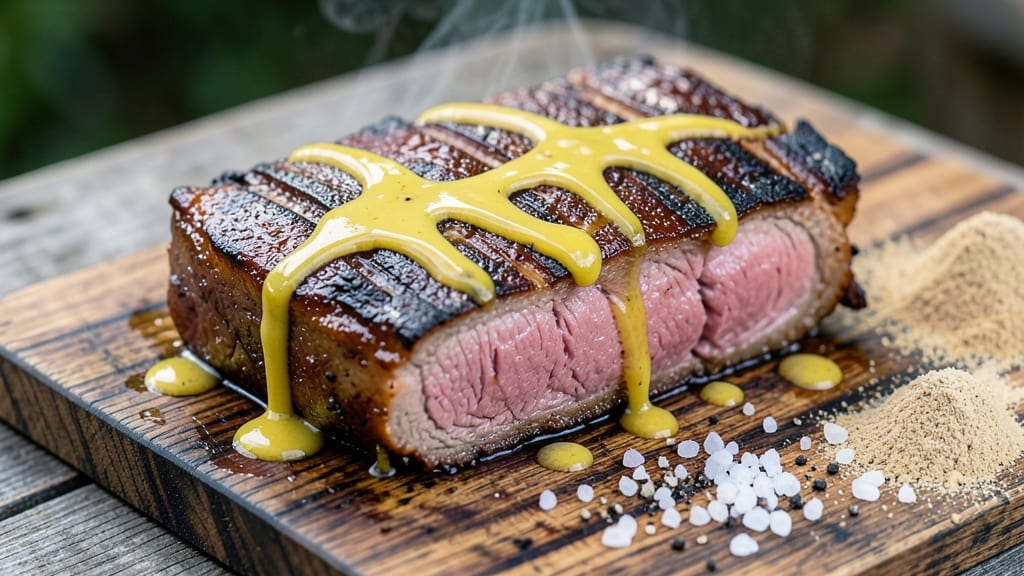
Mastering Big Green Egg beef brisket transforms a simple cut into a showstopping centerpiece with smoky bark and buttery tenderness—the kind that makes your backyard taste like a Texas BBQ joint. 🔥 I perfected this method after years of experimenting with my Big Green Egg, where the charcoal heat and precise temperature control make all the difference.
The secret lies in the slow cook: hours of low-and-slow smoking that melt fat into the meat while building that coveted crust.
This recipe demands patience—10 to 12 hours at 225°F—but the payoff is worth every minute. You’ll start with a well-trimmed brisket, generously coated in a salt-and-pepper rub, then let the Big Green Egg’s indirect heat work its magic.
The fat cap renders slowly, basting the meat as it cooks, while the lid keeps the heat steady and the smoke rich. No need for fancy wood chips here; just lump charcoal and a handful of hickory chunks do the trick.
When it’s done—probe-tender at 203°F—you’ll slice into a brisket so tender it nearly falls apart, with a dark, crackling bark that’s worth licking your fingers over. The flavor is a perfect balance: smoky from the charcoal, salty from the rub, and rich from the rendered fat.
Serve it with smoked mac and cheese, tangy pickles, and a crusty loaf of cornbread to soak up every last bit of that juicy goodness.
This isn’t just a brisket—it’s a weekend project that turns heads and fills your home with the kind of aroma that makes neighbors peek over the fence. The Big Green Egg makes it achievable without the fuss of a full smoker, and the results? Restaurant-quality, every time.
Ingredients for big green egg beef brisket
Six pounds of brisket plus a handful of pantry staples—this is your backyard BBQ game-changer.
| Ingredient | Amount | Notes |
|---|---|---|
| Beef Brisket 🥩 | 6 lb | Flat cut, fat cap intact |
| Yellow Mustard 🍯 | ¼ cup | For rub adhesion |
| Kosher Salt 🧂 | ½ cup | Coarse grain preferred |
| Freshly Ground Black Pepper 🌶️ | 2 tbsp | Coarse grind |
| Garlic Powder 🧄 | 2 tbsp | Not garlic salt |
| Onion Powder 🧅 | 2 tbsp | For depth |
| Smoked Paprika 🌶️ | 1 tbsp | For smoky flavor |
| Brown Sugar 🍯 | 2 tbsp | Light or dark |
| Lump Charcoal 🔥 | 10 lb | For Big Green Egg |
| Hickory Wood Chunks 🌳 | 2 cups | Not wood chips |
| Apple Cider Vinegar 🍎 | ½ cup | For spritzing |
| Beef Broth 🥫 | 1 cup | Low-sodium preferred |
| Yellow Onion 🧅 | 1 whole | Quartered for spritz |
| Garlic Cloves 🧄 | 6 cloves | For spritz |
The brisket is the star, so pick a well-marbled flat cut with a thick fat cap—that’s where the flavor hides. Costco or local butchers usually have the best quality, but check the packaging date. Freshly ground pepper and smoked paprika from Penzeys or the bulk section elevate the rub beyond the basic. I always grab extra salt because you can’t overdo it with brisket. The mustard is key—it helps the rub stick to the meat, especially if you’re not using a commercial paste. For the charcoal, Kingston or Royal Oak brands burn clean and hot, which is exactly what you want for that steady 225°F.
No lump charcoal? Briquettes in a chimney starter work in a pinch, but they burn hotter, so adjust your cooking time. Running low on hickory? Pecan or cherry wood chunks add nice sweetness. The apple cider vinegar might sound odd, but it tenderizes the bark and adds brightness—Bragg or local orchard brands work best. For the spritz, if you forget the beef broth, water plus a bouillon cube gets you close. And if you’re short on time, pre-mix the rub dry and store it in a jar for up to 3 months.
This brisket is a weekend project, so plan ahead. The rub can be mixed and stored for up to 1 week in the fridge. Once cooked, wrap the brisket tightly in foil and refrigerate for 2-3 days—the flavors meld even better. Slice against the grain and serve with pickles, cornbread, and extra napkins (this is messy good). Leftovers? Freeze in portions for up to 3 months. Trust me, the second day is even better.
Why You'll Love This Recipe
- Big Green Egg Magic: The smoky, caramelized crust from that cast iron? Unmatched. I swear, the first time I cooked brisket in mine, I canceled my dinner plans just to eat it straight from the pan.
- Five-Ingredient Powerhouse: Honestly, that’s it—just brisket, mustard, salt, pepper, and garlic powder. The yellow mustard keeps it tangy without overpowering, and the garlic powder? It clings to every bite like a flavor hug.
- Leftovers That Don’t Lie: This brisket begs for reheating—shred it for tacos, sandwiches, or even a quick breakfast hash. I’ve pulled it off the bone three days later, and it’s still the star of the meal.
- Weeknight Hero: Between us, I’ve fed six people with one brisket while still having enough for lunch tomorrow. Minimal prep, maximum payoff, and the Green Egg’s even heat means no dry spots—just pure, juicy satisfaction.
Step-by-step instructions for Big Green Egg beef brisket
This method delivers melt-in-your-mouth tenderness with a perfect smoky crust every time.
🔥 Step 1: Prepare the Brisket Rub and Smoke Setup
In a large bowl, combine the 0.5 cup kosher salt, 2 tbsp freshly ground black pepper, 2 tbsp garlic powder, 2 tbsp onion powder, 1 tbsp smoked paprika, and 2 tbsp brown sugar. Mix thoroughly until evenly distributed. Add the 0.25 cup yellow mustard and stir until the dry ingredients form a thick paste—this helps the rub stick to the meat.
Pat the 6 lb beef brisket dry with paper towels, then generously coat all sides with the rub mixture, pressing it into the meat so it adheres well. Place the brisket on a tray and refrigerate uncovered for 30 minutes—this helps the rub penetrate deeply and creates that coveted bark later.
While the brisket rests, set up your Big Green Egg. Fill the fire ring with 10 lb lump charcoal and add 2 cups hickory wood chunks on top. Light the charcoal and let it burn until the coals are covered with a thin layer of white ash—this usually takes about 15 minutes. Preheat the Egg to 225°F using the built-in thermometer.
🔥 Step 2: Smoke the Brisket Low and Slow
Once the Egg reaches 225°F, place the brisket fat-side up on the grill grate. Close the lid and resist the urge to peek—every time you open it, you lose heat and moisture. Smoke the brisket for 6 hours, maintaining the temperature between 225-250°F. The fat cap will render and baste the meat, creating that beautiful crust.
Here's the thing—after 4 hours, you'll notice the internal temperature stall around 165-170°F. This is normal! The brisket hits a moisture barrier where evaporation slows the temperature rise. When this happens, mix 0.5 cup apple cider vinegar with 1 cup beef broth in a spray bottle. Spritz the brisket lightly every 30 minutes for the remaining 2 hours—this keeps the bark moist and prevents it from drying out.
Quarter the 1 whole yellow onion and mince the 6 cloves garlic. Toss them together in a bowl and set aside—you'll use these for the spritz mixture later. The acidity from the vinegar and sweetness from the onion/garlic will enhance the bark and tenderize the meat.
⏰ Step 3: Wrap and Finish for Maximum Tenderness
After 6 hours, check the internal temperature. If it's still below 195°F, wrap the brisket tightly in butcher paper (not foil—paper allows some breathability). Return it to the Egg and continue cooking until the internal temperature reaches 203°F—this usually takes another 2-3 hours. The paper wrap helps push through the stall while preserving that gorgeous bark.
You'll know it's done when a probe slides in like butter with no resistance. Remove the brisket from the Egg and let it rest in the butcher paper for 1 hour before slicing. This resting period allows the juices to redistribute, ensuring every slice is moist and flavorful. Don't skip this step—I learned the hard way that cutting too soon leads to dry meat.
🔪 Step 4: Slice and Serve with Confidence
Unwrap the brisket and locate the grain direction—you'll see lines running through the meat. Using a sharp carving knife, slice against the grain into ¼-inch thick pieces. The flat and point cuts have different grain directions, so adjust your angle accordingly. Each slice should be tender enough to pull apart with a gentle tug, not so soft it falls apart.
Serve immediately while still warm. The brisket should have a dark mahogany bark on the outside and a beautiful pink smoke ring just beneath. The combination of the smoky rub, vinegar spritz, and low-and-slow cook creates that perfect balance of tenderness and flavor. Pair with classic sides like creamy mac and cheese or buttery mashed potatoes to soak up every last bit of that delicious juices.
Pro Tips For Making Big Green Egg Beef Brisket
- Trim the Fat First: Slice off that thick fat cap before seasoning—it’ll render into flavorful drippings, but too much can make your brisket greasy instead of crisp. I used to skip this, and the Green Egg would end up with a slick, uneven crust.
- Mustard as Glue: Slather that yellow mustard thickly on the brisket before salting—it sticks the seasoning to the meat and helps the crust form faster. Thin coats won’t cut it; go for a layer you can see through.
- Skip the Crowding: If you’re cooking multiple briskets in the Green Egg, resist the urge to stack them. They’ll steam instead of sear, and the crust will turn soggy. Even if it means two batches, give them space.
- Probe Like a Pro: Use a meat thermometer to check the thickest part of the flat, not the point—it’ll read lower. Aim for 195°F internal temp, then let it rest 10 minutes before slicing, or you’ll lose all that juicy goodness.
Essential equipment for great big green egg beef brisket
Big Green Egg Essentials
The heart of this brisket is your Big Green Egg—specifically the 16-inch model for this recipe. I’ve cooked countless briskets in mine, and the key is the built-in thermometer for precise temperature control.
The Egg’s ceramic heat ring distributes heat evenly, which is critical for that 225°F consistency throughout the cook. If you’re just starting, don’t skimp on the lump charcoal—I swear by Kingston brand for its clean burn and steady heat. 🔥
Must-Have Tools
First up: a meat thermometer with dual probes. The ThermoWorks Smoke is my go-to—it tracks both the Egg’s temperature and the brisket’s internal temp simultaneously.
You’ll also need butcher paper (not foil!) for wrapping, which I buy in rolls from New Seasons Market—it’s breathable enough to let moisture escape while keeping that bark intact.
A sharp carving knife (I use Dexter-Russell 12-inch) makes slicing against the grain effortless, and a wire whisk helps mix that rub into a perfect paste. 💡
Charcoal & Wood Setup
For the 10 lb lump charcoal, I recommend Royal Oak or Kingston—both burn hotter and cleaner than briquettes. The 2 cups hickory wood chunks (not chips!) should be oak or fruitwood for a balanced smoke flavor.
I soak them for 10 minutes before adding to the Egg to prevent flare-ups. Pro tip: Keep a small spray bottle (like the one you’ll use for the vinegar spritz) handy to dampen any hot spots if the charcoal gets too aggressive. 🌳
Temperature Control Hacks
Your Egg’s lid should stay closed for the entire cook—opening it drops internal temps by 50°F+. If the heat wanes, add 2-3 more charcoal pieces through the side vent instead of lifting the lid.
I also keep a small fan nearby to gently circulate air around the Egg, which helps maintain that 225-250°F range without overworking the charcoal. For extra insurance, I place a second thermometer outside the Egg to cross-check readings. ⚡
Spritzing Supplies
The apple cider vinegar spritz is non-negotiable for that tender bark. I use a glass spray bottle (like OXO Good Grips) because it won’t melt or leach chemicals into the meat.
For the onion and garlic, I mince them finely with a microplane—this ensures even distribution when you spritz. Store any leftover spritz mix in the fridge for up to 3 days if you’re cooking multiple batches. 🍎
Resting & Serving Gear
After cooking, let the brisket rest in its butcher paper on a wooden cutting board (I love Cedar Creek brands). For serving, I use cast-iron plates to keep everything warm, and tongs (not forks!) to handle the slices.
Don’t forget extra napkins—this brisket is that juicy. For leftovers, I portion them into glass Pyrex containers with tight lids to preserve moisture. 🍽️
Nutrition facts
Frequently asked questions
Can I use a different wood besides hickory for this Big Green Egg brisket?
While hickory provides a classic smoky flavor, pecan, cherry, or apple wood work beautifully too. Pecan adds a slight sweetness, cherry brings fruity notes, and apple keeps things mild and clean. Just avoid softwoods like pine—they can make the meat taste bitter. Soak your wood chunks for 10 minutes before using to prevent flare-ups.
What if my brisket isn't tender after 12 hours?
First, check your internal temperature—it should reach 203°F for perfect tenderness. If it's still firm, wrap it in butcher paper (not foil) and cook another 2-3 hours at 225°F. The "stall" around 165°F is normal, but spritzing with vinegar every 30 minutes helps push it through. If all else fails, slice thinly against the grain—it'll still be delicious!
Can I make this brisket in a smaller Big Green Egg?
For a 12-inch Egg, reduce the brisket to 4-5 lbs and halve the charcoal (use 5 lbs). The cooking time stays similar, but monitor temps closely—smaller Eggs lose heat faster. If using a 18-inch, you can safely do 8 lbs with the same method. The key is maintaining that 225°F consistency, regardless of size.
How do I store leftovers without drying them out?
Wrap cooled brisket tightly in plastic wrap or foil, then place in an airtight container. Refrigerate for up to 3 days or freeze for 3 months. For reheating, warm slices in a 350°F oven for 10 minutes or until steaming. Never microwave—it turns brisket rubbery. Leftovers taste even better the next day!
Why does my brisket bark turn soggy?
Over-spritzing or wrapping too early are the usual culprits. Only spritz every 30 minutes after the 4-hour mark, and wait until internal temp hits 195°F before wrapping in butcher paper. Too much moisture early on prevents that crispy crust. If it happens, sear the brisket skin-side down on high heat for 2 minutes to revive the bark.