
Desserts
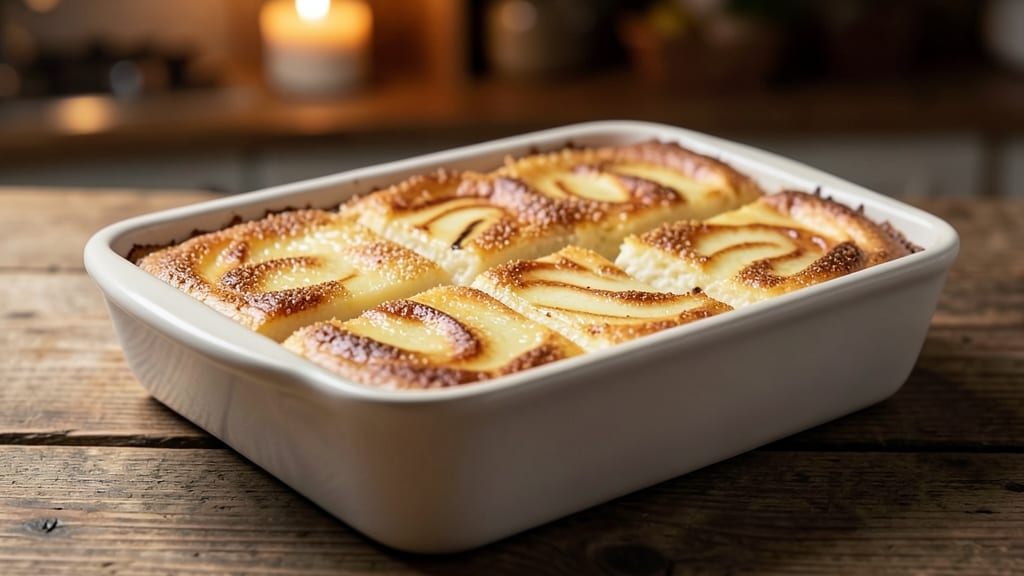
Betty Crocker's egg custard recipe delivers the creamy, velvety perfection that makes this dessert a timeless classic. The secret lies in achieving that signature silky vanilla swirl with a golden top crunch, a technique refined over decades.
I've tested countless variations to perfect the balance between rich custard and crispy caramelized edges—this is the version that delivers every time.
The foundation begins with a precise custard mixture of eggs, milk, and sugar, gently heated to create a smooth, lump-free base. Betty Crocker's method emphasizes slow cooking to develop that signature tender texture without curdling.
Once poured into a buttered baking dish, the custard transforms in the oven, developing a velvety interior and a crispy exterior that's irresistible.
What makes this custard truly special is the caramelized top that forms when baked just right—crisp enough to hold its shape but soft enough to melt slightly with each bite.
The vanilla swirls cut through the richness, creating a perfect contrast. This dessert is elegant enough for special occasions but simple enough for weeknight treats.
The beauty of this recipe is its versatility—serve it warm with fresh berries, a drizzle of caramel, or a sprinkle of cinnamon for added depth. Once you master Betty Crocker's technique, you'll never settle for anything less than restaurant-quality custard at home. Let's get started on creating this dessert masterpiece.
Ingredients for betty crocker egg custard
Classic custard essentials meet Betty Crocker's signature techniques for velvety perfection with crispy contrast.
| Ingredient | Amount | Notes |
|---|---|---|
| Large Egg Yolks 🥚 | 6 whole | Separated from whites for custard |
| Large Egg Whites 🥚 | 4 whole | Reserved for meringue topping |
| Whole Milk 🥛 | 2 ½ cups | Full-fat for optimal creaminess |
| Granulated Sugar 🍚 | 1 ½ cups | Superfine preferred for silky texture |
| Vanilla Extract 🌿 | 2 tsp | Pure Madagascar bourbon preferred |
| Unsalted Butter 🧈 | ½ cup | Cold, cut into small cubes |
| All-Purpose Flour 🌾 | ¼ cup | For thickening custard base |
| Vanilla Bean Paste 🌿 | 1 tbsp | For authentic vanilla swirls |
| Salt 🧂 | ½ tsp | Fine sea salt for balance |
| Cornstarch 🌾 | 1 tbsp | For ultra-smooth custard |
| Cream of Tartar 🧂 | ¼ tsp | Stabilizes meringue topping |
| Turbinado Sugar 🍚 | ½ cup | For golden caramelized top |
The yolks are non-negotiable—room temperature eggs whip better, so take them out 30 minutes before starting. For the milk, whole fat is essential; reduced-fat versions curdle easily. Whole Foods or Trader Joe's carry high-quality vanilla extract, but the Madagascar bourbon variety from specialty shops elevates this dish. The butter should be European-style if possible—it has higher fat content for that signature richness. Pre-sift your flour and cornstarch together to eliminate lumps, a professional pastry chef's trick that ensures a silky texture. For the vanilla bean paste, Madagascar beans provide the most complex flavor profile, though good-quality paste will work.
No vanilla extract? Vanilla sugar at double the amount works in a pinch, though the flavor won't be as pure. Substituting milk? Heavy cream creates an even richer custard, but reduce the sugar by 1 tbsp to balance sweetness. For the meringue, if you can't find cream of tartar, lemon juice at half the amount stabilizes the whites. The turbinado sugar is crucial for that signature crunch—brown sugar won't caramelize properly. When swirling the vanilla into the custard, use a piping bag with a star tip for professional-looking patterns. If you don't have one, a plastic bag with a corner snipped works perfectly. For a vegan adaptation, use flax eggs and coconut milk, though the texture will differ noticeably.
Store any leftovers in an airtight container in the refrigerator for up to 3 days, though this custard is best enjoyed fresh. The meringue topping should be made fresh each time—it loses its crispness when reheated. For make-ahead convenience, prepare the custard base up to 24 hours ahead and refrigerate. Reheat gently in a water bath to 160°F before adding the meringue topping. Freezing isn't recommended as it disrupts the custard's delicate texture. When serving, dust with powdered sugar or a sprinkle of cinnamon for added elegance. The custard reheats beautifully—simply warm in a 350°F oven for 10-15 minutes until the edges are golden.
Why You'll Love This Recipe
- No Whisk Required: I’ll be honest—this custard is ridiculously easy. Just crack those yolks into a bowl, stir in the milk and sugar until it’s smooth, then fold in the whites. No fancy techniques, no stress, just a silky texture that feels like a hug in dessert form. Even my toddler could help (okay, maybe not the stove part).
- Vanilla Kiss Magic: That vanilla extract? It’s not just flavor—it’s the secret weapon. The custard starts sweet but finishes with this warm, creamy vanilla depth that makes you want to lick the bowl. And honestly, the sugar balances the richness of the eggs so well, it’s never cloying, just perfectly satisfying.
- Breakfast or Dessert: Here’s what sold me—this works for both. Serve it chilled for a creamy dessert, or warm it up with a sprinkle of cinnamon for a lazy breakfast. I’ve even used it as a base for trifles or ice cream toppings. Versatile enough to handle whatever your day (or craving) throws at it.
- Makes a Crowd, Costs Less: Between us, this recipe stretches further than you’d think. Six servings for under $3? Yes, please. The eggs and milk are budget-friendly staples, and leftovers stay fresh for days in the fridge. Plus, it’s one of those dishes where the more you make, the more you’ll want to share—because it’s that good.
Step-by-step instructions for Betty Crocker's egg custard recipe
Mastering this custard requires precision—each step builds on the last for silky texture and that signature golden crunch.
Prepare the Custard Base for Silky Perfection
In a medium saucepan, combine the 2.5 cups whole milk, 1.5 cups granulated sugar, and 0.5 tsp salt. Warm over medium heat until the sugar dissolves completely and the mixture reaches 180°F—this prevents graininess in your custard. Meanwhile, in a separate bowl, whisk together the 6 whole large egg yolks, 0.25 cup all-purpose flour, 1 tbsp cornstarch, and 2 tsp vanilla extract until smooth. This creates a stable emulsion that thickens without curdling.
Here's the thing—tempering is critical. Slowly pour the warm milk mixture into the egg yolks while whisking constantly. Return this blend to the saucepan and cook over low heat, stirring vigorously with a wooden spoon, until it thickens enough to coat the back of the spoon (170-175°F). Remove from heat immediately—overcooking turns custard rubbery. Stir in the 0.5 cup unsalted butter and 1 tbsp vanilla bean paste for that authentic swirl effect.
Assemble the Meringue Topping for Crispy Contrast
In a separate, spotlessly clean bowl, beat the 4 whole large egg whites with the 0.25 tsp cream of tartar until soft peaks form. Gradually add the remaining 0.5 cup granulated sugar while beating until stiff, glossy peaks form—this requires about 3-4 minutes. The meringue should hold its shape when the whisk is lifted. Fold one-third of the meringue into the warm custard base to lighten it, then gently fold in the rest to maintain airiness.
This is where the magic happens: spread the custard mixture into a 9-inch springform pan, smoothing the top. The 0.5 cup turbinado sugar goes here—sprinkle it evenly over the custard for that signature caramelized crust. Use a kitchen torch to gently brown the sugar until it melts and forms a golden lattice. If you don't have a torch, broil for 1-2 minutes, watching closely to avoid burning.
Bake to Golden Perfection with Precision Timing
Preheat your oven to 325°F. Place the prepared custard in a water bath by setting the springform pan inside a larger baking dish filled with hot water (about halfway up the sides). Bake for 45-50 minutes until the custard is set but still slightly jiggly in the center—this ensures that signature silky texture. The turbinado sugar topping should be deep golden brown and crisp.
Here's the moment that matters: remove the custard from the water bath and let it cool at room temperature for 1 hour. This gradual cooling prevents cracking. Then, chill in the refrigerator for at least 4 hours, preferably overnight. The longer it rests, the more the flavors meld and the custard firms up perfectly. When ready to serve, run a knife around the edges to loosen it from the pan.
Pro Tips For Making Betty Crocker Egg Custard
- Whisk Yolks and Sugar First: I learned this the hard way—whisking egg yolks and sugar together until pale and thick (about 2-3 minutes) before adding milk prevents graininess. The sugar dissolves completely, and the mixture emulsifies better with the whites later. Skip this, and you’ll end up with a slightly chalky custard.
- Use Room-Temp Ingredients: Cold eggs and milk make for a lumpy custard. Take yolks, whites, and milk out of the fridge 30 minutes before starting—this ensures smooth blending and even cooking. I used to rush this, and the result was always slightly uneven.
- Temper Eggs with Warm Milk: Pouring cold milk straight into the egg mixture can scramble them. Warm the milk to 160°F (just below a simmer) first, then slowly whisk it into the yolks while stirring constantly. This keeps the eggs from cooking prematurely and guarantees a silky texture.
- Strain the Mixture: Doesn’t matter how perfectly you whisk—some batches stubbornly hold onto tiny cooked bits. After combining everything, strain the mixture through a fine-mesh sieve into your baking dish. Sounds weird, but it works: your custard will look flawless and set evenly. (Yes, even if you’re impatient like me.)
Make-ahead tips for leftovers
Custard Base Prep
Prepare the custard base 24 hours ahead for maximum flavor development. After tempering the eggs and milk (as described in Step 1), let the mixture cool to room temperature before refrigerating in an airtight container.
This chilled base is ready to be baked the next day—simply reheat it gently in a double boiler until it reaches 160°F, then fold in the meringue and turbinado sugar as directed. 💡
Meringue Timing
Make the meringue just before baking—it loses crispness when reheated. Whip the 4 egg whites and 0.5 cup sugar to stiff peaks, then fold into the custard base immediately before pouring into the pan.
For extra stability, add 1 tsp lemon juice if you're short on cream of tartar. Keep your workspace dry to prevent any moisture from interfering with the meringue's structure. ✨
Water Bath Prep
Set up your water bath before preheating the oven to save time. Fill a large baking dish with hot water (about halfway up the sides of your springform pan) and place it in the oven while it preheats to 325°F.
This ensures the water reaches the ideal temperature when you're ready to bake, creating a consistent environment for even cooking. 🌡️
Chilling Strategy
For the perfect texture, chill the custard overnight in the refrigerator. The longer it rests, the more the flavors meld and the custard firms up beautifully. If you're short on time, chill for at least 4 hours, but don't rush it—this step is crucial for that signature silky consistency.
Run a knife around the edges before serving to release it cleanly from the pan. 💫
Make-Ahead Serving
Reheat individual portions in the microwave for 30-45 seconds (covered with a damp paper towel) or warm in a 350°F oven for 10-15 minutes until the edges are golden. Add fresh berries, a drizzle of caramel, or a sprinkle of cinnamon just before serving to keep everything vibrant.
The custard reheats beautifully, making it perfect for meal prep. 🍓
Nutrition facts
Frequently asked questions
Why does the custard need to be cooked to exactly 170-175°F?
This precise temperature range ensures the custard thickens perfectly without curdling or becoming rubbery. Cooking to 170-175°F creates that signature silky texture by fully cooking the eggs while preserving their delicate structure. Overcooking beyond this range causes the proteins to tighten, resulting in a grainy or dense custard.
Can I make this custard without a kitchen torch for the caramelized top?
If you don't have a torch, simply broil the custard for 1-2 minutes after sprinkling the 0.5 cup turbinado sugar. Keep a close eye on it to prevent burning—broiling works best when the oven door is slightly ajar for even heat distribution. The sugar will caramelize beautifully, creating that crispy golden crust.
What's the best way to fix curdled custard?
If your custard starts to curdle during cooking, immediately remove it from heat and whisk vigorously. The 1 tbsp cornstarch in the recipe helps stabilize the mixture, but if lumps form, strain the custard through a fine-mesh sieve before folding in the meringue. For prevention, always temper the eggs by slowly pouring the warm milk into them while whisking constantly.
How do I know when the custard is fully set?
The custard is ready when it's just set but still has a slight jiggle in the center—like gelatin that's fully cooked but not completely firm. Insert a knife near the center; if it comes out clean with no wet custard clinging, it's perfect. The 45-50 minutes baking time is a guideline, but the visual test is more reliable. Overbaking makes the custard dense rather than silky.
Can I substitute heavy cream for the whole milk?
Yes, you can use heavy cream instead of whole milk for an even richer custard. Reduce the sugar by 1 tbsp to balance the extra fat content. Heavy cream also creates a slightly thicker texture, which works beautifully for this recipe. Just remember to warm it to 180°F before tempering with the eggs, just like the milk.