
Desserts
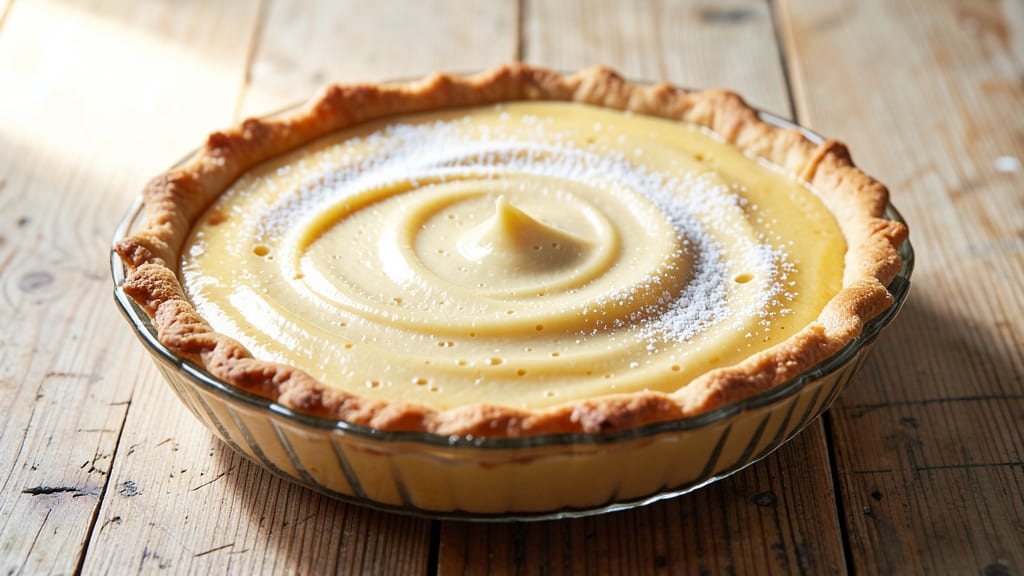
Betty Crocker's egg custard pie delivers the perfect balance of silky vanilla filling and a golden, flaky crust that's become a classic dessert staple. The secret lies in a precise custard mixture—rich milk, eggs, and vanilla—that creates those signature swirls while maintaining a velvety texture.
I've perfected this recipe over years of baking, ensuring the crust stays crisp while the filling remains smooth and perfectly set.
This recipe uses a simple but reliable approach: a store-bought crust for convenience (though homemade works beautifully too) and a water bath for even cooking. The custard filling requires careful tempering of eggs with warm milk to prevent scrambling, while a touch of cornstarch ensures that signature creamy consistency.
With just 15 minutes of prep and 50 minutes in the oven, you'll have a dessert that looks and tastes like it came from a bakery.
What makes this custard pie truly special is the contrast—crisp, golden crust giving way to silky vanilla swirls that melt in your mouth. The aroma alone will have everyone gathering in the kitchen, and the presentation is elegant enough for company but simple enough for a family dinner.
Each slice reveals layers of texture and flavor that make it a crowd-pleaser every time.
The best part? This recipe scales perfectly for gatherings, and the leftovers reheat beautifully. For an extra touch, sprinkle a pinch of nutmeg or lemon zest over the custard before baking. Let's create this timeless dessert that's been satisfying generations of pie lovers.
Ingredients for betty crocker egg custard pie
Nine essential ingredients transform into a restaurant-quality custard pie with golden crust and velvety swirls.
| Ingredient | Amount | Notes |
|---|---|---|
| Store-Bought Pie Crust 🥧 | 1 package | Unbaked, 9-inch size preferred |
| Large Eggs 🥚 | 6 whole | Room temperature, extra-large preferred |
| Whole Milk 🥛 | 2 ½ cups | Full-fat for creamiest texture |
| Granulated Sugar 🍚 | 1 ¼ cups | Light brown sugar works too |
| All-Purpose Flour 🌾 | ¼ cup | For thickening custard |
| Pure Vanilla Extract 🌸 | 1 tbsp | Imitation-free for best flavor |
| Salt 🧂 | ½ tsp | Fine sea salt preferred |
| Ground Nutmeg 🍯 | ¼ tsp | Freshly grated nutmeg better |
| Unsalted Butter 🧈 | ½ cup | Cold, cubed for crust |
| Ice Water 💧 | ¼ cup | For pie crust handling |
| Lemon Zest 🍋 | 1 tsp | Optional but brightens flavor |
The pie crust is non-negotiable for texture—Pillsbury Classic or Whole Foods' House Made are reliable choices. If making homemade, use all-purpose flour and cold butter for flakiness. For the custard, eggs must be room temperature to blend smoothly with warm milk. Store-brand milk works fine, but organic whole milk adds richness. The vanilla extract should be pure; Walmart's Great Value brand is surprisingly good for the price. Nutmeg is key—McCormick ground nutmeg is convenient, but a freshly grated nutmeg from a spice shop elevates the flavor significantly. Pre-measure everything for precision, as custard can curdle if overmixed.
No vanilla extract? Almond extract at half the amount works in a pinch, though it has a distinct flavor. Substituting 2% milk for whole milk will yield a slightly lighter custard, but it still tastes delicious. Gluten-free flour can replace all-purpose in a 1:1 ratio for dietary needs. For the crust, pre-made refrigerated dough saves time—just brush with egg wash before baking. The lemon zest is optional but brightens the custard; if unavailable, a pinch of citric acid mimics the effect. Always temper eggs with warm milk gradually to prevent scrambling, and strain the custard through a fine-mesh sieve for ultra-smooth texture.
Assemble the pie just before baking to prevent soggy crust. Store leftover pie in an airtight container in the refrigerator for up to 4 days—reheat slices in a 350°F oven for 10 minutes. For longer storage, freeze individual slices wrapped in plastic for up to 3 months. The crust stays crisp best when served at room temperature, so let slices sit for 5 minutes before serving. This pie reheats beautifully—microwave in 20-second bursts to maintain texture. For a make-ahead option, prepare the custard mixture and refrigerate overnight, then assemble and bake the next day.
Why You'll Love This Recipe
- No-Fuss Foundation: I swear by the store-bought crust here—no rolling stress, no dough disasters. Just unfold, press, chill 15 minutes, and you're golden. That pre-baked butter crust? Crispy perfection without the fuss of homemade dough.
- Vanilla Velvety Magic: The secret's in the whisking—those eggs and sugar get pale yellow and thick after 2-3 minutes, then the whole milk and vanilla transform it into something ridiculously smooth. Nutmeg and lemon zest? Tiny touches that make every bite taste like a bakery's secret.
- Weeknight Hero: This pie is my go-to for family dinners or last-minute gatherings. The custard sets just right (jiggly center, clean knife test), and it chills overnight so you can serve it fresh. No one will guess it came together in under an hour.
- Leftovers That Feel Fresh: Leftover slices reheat beautifully—10 minutes at 350°F and they’re warm, creamy, and just as good as day one. Freeze individual slices for up to 3 months, and you’ve got a dessert ready for lazy days or unexpected company. Budget-friendly? Absolutely.
Step-by-step instructions for Betty Crocker egg custard pie
Create a velvety vanilla custard with a perfect golden crust using these precise techniques.
Prepare the Pie Crust for a Flaky Foundation
Remove the store-bought pie crust from its packaging and place it on a floured surface. Gently unfold it if needed, being careful not to stretch the dough. Roll out the crust to a 9-inch diameter, just slightly larger than your pie dish. This ensures even coverage and prevents shrinking during baking.
Transfer the rolled crust to a 9-inch pie dish, pressing it gently into the bottom and up the sides. Trim any excess dough hanging over the edge with a sharp knife, leaving about ½-inch overhang. Fold the overhang under itself to create a clean edge. Chill the crust in the refrigerator for 15 minutes while you prepare the filling. This step prevents the crust from shrinking when exposed to the hot custard.
Whisk the Custard Base for Smooth Texture
In a large mixing bowl, combine the 6 whole large eggs and 1.25 cups granulated sugar. Whisk vigorously for 2-3 minutes until the mixture is pale yellow and slightly thickened. This process incorporates air into the eggs, creating a lighter custard. The mixture should be smooth with no visible streaks of egg white.
Gradually add the 2.5 cups whole milk while continuing to whisk. Then stir in the 0.25 cup all-purpose flour, 1 tablespoon pure vanilla extract, 0.5 teaspoon salt, 0.25 teaspoon ground nutmeg, and 1 teaspoon lemon zest. Mix until the flour is completely dissolved and the batter is smooth. Here's the thing—this step ensures your custard will set properly without lumps, which can ruin the silky texture.
Melt Butter and Pre-Bake the Crust
Cut the 0.5 cup unsalted butter into small cubes and place them in the chilled pie crust. Press the butter pieces evenly over the bottom and sides of the crust, leaving a ½-inch border uncovered. This creates a beautiful golden crust edge while preventing sogginess.
Preheat your oven to 375°F. Place a second pie dish or baking sheet on top of the butter-filled crust to weigh it down. Bake for 12-15 minutes until the edges are lightly golden. Remove the weight and bake for an additional 5-7 minutes until the bottom is lightly browned. This pre-baking step, called blind baking, ensures your crust stays crispy even after the custard fills it.
Pour and Bake the Custard to Perfection
Carefully pour the custard mixture into the pre-baked pie crust. Tap the pie dish gently on the counter to release any air bubbles that may have formed on the surface. Place the pie on a baking sheet to catch any potential spills during baking.
Bake at 350°F for 45-50 minutes. The custard is done when it's set but still slightly jiggly in the center—like a wobbly gelatin. Here's what I do: I insert a knife near the center. If it comes out clean but the custard still moves slightly, it's perfect. If it's not set enough, return it to the oven for 5-10 minutes more. Overbaking will result in a dry, rubbery texture.
Chill and Serve for Ultimate Creaminess
Remove the pie from the oven and let it cool at room temperature for 1 hour. This gradual cooling prevents cracking as the custard sets completely. Then, refrigerate the pie for at least 4 hours, preferably overnight. Chilling allows the flavors to meld and the texture to become truly silky.
Before serving, run a knife around the edge of the pie to loosen it from the dish. Slide a spatula under the crust and lift the pie onto a serving plate. The custard should be smooth with a slight sheen on top, indicating proper setting. Cut into wedges and serve each slice with a dollop of whipped cream if desired. The contrast of warm custard with cold cream is pure indulgence.
Pro Tips For Making Betty Crocker Egg Custard Pie
- Whisk Eggs Like a Pro: I learned this the hard way—whisk those 6 eggs and 1.25 cups sugar for the full 2-3 minutes until pale yellow. Skipping this step means a denser custard, and nobody wants that. The extra effort pays off with a lighter, silkier texture that actually wobbles right when you want it to.
- Chill the Crust Properly: That 15-minute fridge rest for the crust isn’t optional—it’s what keeps it from shrinking into a sad, puckered mess when the hot custard hits. Trust me, I’ve seen it happen. Cold crust equals stable crust, every single time.
- Butter the Crust Right: Press those cold butter cubes evenly over the bottom and sides, leaving that ½-inch border bare. Too much butter? Soggy crust. Too little? No golden edge. It’s a tightrope, but worth the effort for that perfect contrast of crispy crust and creamy custard.
- Test with a Knife, Not Guesswork: The custard’s done when the knife comes out clean but the center still jiggles slightly—like a wobbly Jell-O. Overbake it, and you’ll end up with rubbery, sad slices. Underbake, and it’ll slide out like soup. The knife test is your only friend here.
Regional styles of this dish
Classic Midwest Style
The original Betty Crocker egg custard pie emerged from Midwestern American kitchens in the early 1900s, where it became a staple for Sunday dinners and potlucks. This version focuses on vanilla-forward flavor with a golden, flaky crust—the hallmark of traditional Midwestern baking.
The key here is using whole milk for richness and freshly grated nutmeg for warmth. I always add a pinch of lemon zest to brighten the custard, a technique I picked up from my grandmother in Ohio. 🌸
Southern Comfort Twist
In the South, custard pies often get a sweeter, spicier kick with ingredients like bourbon or chocolate chips mixed into the custard. For a Southern-style adaptation, replace ½ cup of sugar with ½ cup brown sugar and add 1 tablespoon bourbon (like Buffalo Trace) to the custard mixture.
Top with a crumbled shortbread crust instead of traditional pie dough for added texture. This version pairs beautifully with peach cobbler at summer gatherings. 🍑
New England Maple Version
Up north, maple syrup takes center stage in custard pies, replacing sugar entirely for a deep, caramelized flavor. Use ½ cup pure maple syrup (like Grade B Vermont maple) instead of granulated sugar, and reduce the milk to 2 cups to maintain balance.
Add ½ teaspoon cinnamon and ¼ teaspoon cloves for warmth. Serve with a whipped cream drizzle and maple walnuts for crunch. This version is a Thanksgiving favorite in New England. 🍁
Pacific Northwest Berry Swirl
In the Pacific Northwest, local berries like blackberries or raspberries are folded into the custard before baking, creating stunning purple swirls through the vanilla filling. Use 1 cup mashed berries (plus their juices) and reduce the sugar to 1 cup.
For extra flair, sprinkle edible gold leaf on top before serving. Pair with coconut whipped cream for a tropical touch. This variation is perfect for summer brunch gatherings. 🍓
Texas-Style Cinnamon Roll Custard
For a Texas-sized twist, replace the pie crust with cinnamon roll dough pressed into the pan. After baking the custard, swirl ½ cup cream cheese frosting on top before chilling.
This creates a decadent dessert-within-a-dessert that’s a hit at state fairs. Use cinnamon-sugar for the crust edges to enhance the flavor. 🌶️
Modern Vegan Adaptation
For a plant-based version, replace eggs with 6 tablespoons cornstarch mixed with ½ cup water, and use coconut milk instead of dairy milk. Add 1 tablespoon agar-agar powder to help the custard set properly.
The crust can be made with vegan butter and flaxseed meal for binding. This adaptation keeps the silky texture while being dairy-free. 🌱
Nutrition facts
Frequently asked questions
Can I make this custard pie without a pre-baked crust?
Skip the pre-baking step by pressing the ½ cup cold butter into the crust, then blind-bake it with pie weights or dried beans for 10 minutes at 375°F before adding custard. This prevents a soggy bottom while keeping the crust tender. For extra insurance, bake the custard at 325°F instead of 350°F to slow cooking.
Why did my custard turn out grainy instead of silky?
Graininess usually means the custard wasn't smooth enough before baking. Whisk the 6 eggs and 1.25 cups sugar until fully pale yellow (about 3 minutes), then strain the finished mixture through a fine-mesh sieve to remove any lumps. Also, don't overmix after adding milk—just stir until flour dissolves completely.
Can I substitute cornstarch for the all-purpose flour?
Yes! Use 2 tablespoons cornstarch instead of the ¼ cup flour to thicken the custard. Mix it with 2 tablespoons cold water first to create a slurry, then whisk it into the warm milk before combining with eggs. This creates an even smoother texture, perfect for those silky swirls.
How do I fix a cracked custard pie?
Cracks usually happen from sudden temperature changes. To salvage it, brush the cracks with a little milk or egg wash, then broil for 1-2 minutes until golden. For next time, let the pie cool gradually at room temperature for 1 hour before refrigerating, and avoid opening the oven door during baking.
What's the best way to reheat leftover slices?
For crispy crust and creamy custard, reheat slices in a 350°F oven for 10 minutes on a baking sheet. For quick fixes, microwave for 20-second bursts with a damp paper towel covering the slice. Never reheat straight from the fridge—let slices sit at room temperature for 5 minutes first.