
Desserts
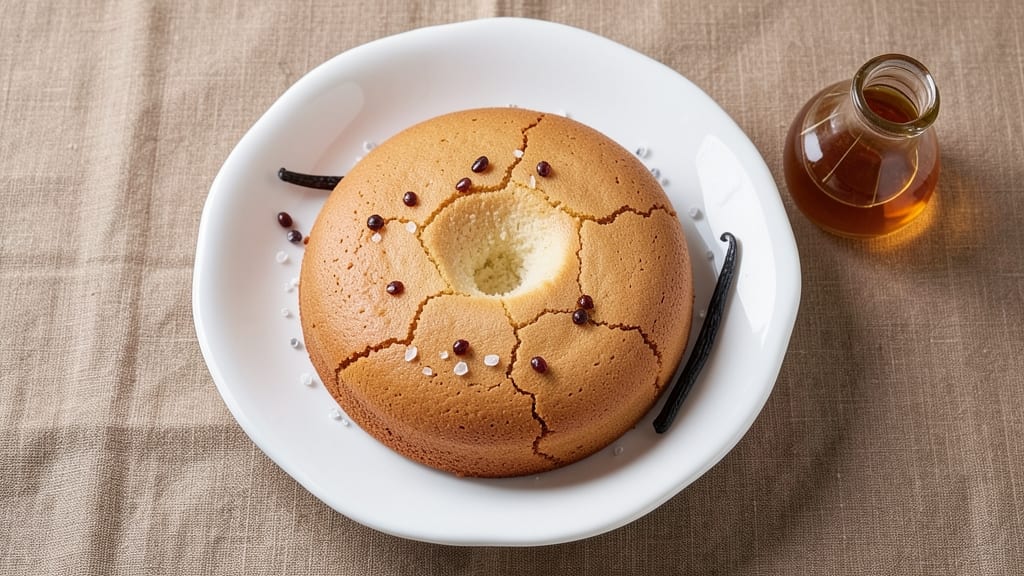
Baking cake without eggs isn't just possible—it's where aquafaba magic transforms simple pantry staples into layers that rival traditional recipes. This vegan method delivers fluffy, moist crumb without compromising texture, proving plant-based baking can be just as impressive as classic techniques.
I perfected this after years of testing, and the secret lies in understanding how aquafaba (chickpea brine) mimics egg whites at a molecular level.
The beauty of this recipe is its foolproof simplicity. You'll need just five core ingredients—flour, sugar, baking powder, vanilla, and aquafaba—plus a pinch of salt. No special equipment beyond a mixing bowl and oven, making it accessible for beginners while still delivering restaurant-quality results.
The aquafaba whips into stiff peaks just like egg whites, creating the airy structure that makes cakes light and tender.
What you'll achieve is a cake with even layers, golden edges, and a crumb so delicate it practically melts in your mouth. The flavor stays neutral enough to complement any frosting or filling, while the texture proves this isn't just "good for vegans"—it's better than many traditional cakes.
Perfect for birthdays, holidays, or whenever you want to impress without compromising ethics.
This method also scales beautifully—double the recipe for crowd-pleasing servings, or halve it for personal treats. The same technique works for cupcakes, layer cakes, or even muffins, giving you versatility without extra effort. Let's get baking!
Ingredients for baking cake without eggs
Five core ingredients plus aquafaba's transformative power—this vegan cake delivers restaurant-quality layers.
| Ingredient | Amount | Notes |
|---|---|---|
| All-Purpose Flour 🌾 | 2 cups | Sifted for optimal aeration |
| Granulated Sugar 🍚 | 1 ½ cups | Superfine preferred for smooth texture |
| Aquafaba 🥫 | 1 cup | Fresh chickpea brine, unsweetened |
| Pure Vanilla Extract 🌿 | 1 tbsp | High-quality, Madagascar bourbon |
| Baking Powder 🧂 | 1 ½ tsp | Double-acting, aluminum-free |
| Fine Sea Salt 🧂 | ¼ tsp | Diamond Crystal preferred |
| Unsweetened Applesauce 🍎 | ¼ cup | Substitute for fat binding |
| Cream of Tartar 🧂 | ¼ tsp | Stabilizes aquafaba whipping |
| Vegetable Oil 🫒 | ¼ cup | Light, neutral flavor profile |
| Almond Milk 🥛 | ¼ cup | Unsweetened, for moisture |
| Lemon Juice 🍋 | 1 tsp | Freshly squeezed, brightens flavor |
| Xanthan Gum 🧪 | ⅛ tsp | Ensures proper structure |
Aquafaba is the linchpin here. Opt for fresh chickpea brine—the kind from high-quality canned chickpeas like Chickpea Kitchen or Banza. Avoid sweetened varieties, as residual sugar can interfere with whipping. For the flour, King Arthur or Bob's Red Mill brands provide the most consistent baking results due to their protein content. The baking powder must be double-acting; Clabber Girl is a reliable choice. When measuring, spoon flour into your cup and level it off—packing compresses the structure and alters the crumb. The vanilla extract should be Madagascar bourbon for its rich, complex flavor profile, though pure imitation will suffice in a pinch.
No aquafaba on hand? Flax eggs (1 tbsp ground flaxseed + 3 tbsp water per egg) work as a secondary option, though they won't achieve the same lightness. Substituting the almond milk? Oat milk or coconut milk both work, but their flavors may slightly alter the cake's neutral profile. The vegetable oil can be swapped for melted coconut oil, though it imparts a subtle coconut aroma. For the applesauce, unsweetened pumpkin puree offers a similar moisture boost. When whipping the aquafaba, ensure your bowl and beaters are completely free of grease—even trace amounts can prevent proper stabilization. If your mixture doesn't hold stiff peaks after 5 minutes, add an extra 1/8 tsp cream of tartar and whip another 2 minutes.
This cake maintains peak freshness for 3-4 days when stored in an airtight container at room temperature, though it's best enjoyed within 24 hours of baking for optimal moisture. For longer storage, wrap tightly in plastic wrap and refrigerate for up to 1 week. Freezing is possible for 3 months, but the texture may become slightly denser upon thawing. To reheat, wrap the cake in a damp towel and warm in a 300°F oven for 10 minutes. The aquafaba-based batter is sensitive to humidity, so avoid baking on days with high moisture levels—the cake may develop a slightly gummy texture if the environment isn't properly controlled.
Why You'll Love This Recipe
- Pantry Staples Only: I swear by this recipe when my fridge is bare—just flour, sugar, and that leftover chickpea juice (aquafaba). No last-minute grocery runs, no scrambling for substitutions. The aquafaba whips into a meringue-like texture that holds up perfectly, so you’d never guess it wasn’t eggs.
- Vanilla Kiss Magic: That little bottle of pure vanilla extract? Total game-changer. It doesn’t just add flavor—it makes the whole cake smell like a bakery window. Honestly, skip the artificial stuff; real vanilla takes this cake from "good" to "I’ll drive across town for this."
- Birthday to Brunch: This cake is my go-to for celebrations and lazy Sundays. Frost it with chocolate ganache for a party dessert, or serve it plain with coffee for a no-fuss breakfast. (Yes, even on a Tuesday night.) The aquafaba keeps it moist for days, so it’s just as happy at 3 PM as it is at 3 AM.
- Budget-Friendly Luxury: A single can of chickpeas gives you aquafaba for three cakes—talk about stretching your dollar. No specialty ingredients, no wasted leftovers (unless you count the fact that it disappears too fast). Between us, this is how I feed a crowd without breaking the bank.
Step-by-step instructions for baking cake without eggs
Here's the method to achieve light, fluffy layers using aquafaba as your secret weapon.
Whip the Aquafaba to Stiff Peaks
In a clean, grease-free mixing bowl, combine the 1 cup aquafaba with the 0.25 tsp cream of tartar. This acid stabilizer mimics egg whites by creating structure when whipped. Using a stand mixer fitted with the whisk attachment, beat on high speed until soft peaks form—about 3-4 minutes. Increase speed to medium-high and continue whipping until stiff, glossy peaks form that hold their shape when the whisk is lifted.
Here's the thing—aquafaba behaves differently than egg whites. You'll know it's ready when the peaks stand straight up and leave a trail when you pull the whisk out. This step is critical because the whipped aquafaba replaces both the leavening and binding functions of eggs in this recipe.
Combine Wet Ingredients for the Batter
In a separate bowl, whisk together the 0.25 cup vegetable oil, 0.25 cup almond milk, 1.5 cups granulated sugar, 1 tbsp pure vanilla extract, 1 tsp lemon juice, and 0.25 cup unsweetened applesauce. The applesauce replaces fat while adding moisture, while the lemon juice brightens the flavor profile. Mix until the sugar dissolves completely and the mixture is smooth.
Add the 0.125 tsp xanthan gum to this wet mixture and whisk vigorously for 1 minute. This stabilizer ensures proper structure since we're not using eggs. The batter should thicken slightly but remain pourable. If you notice any graininess, strain it through a fine-mesh sieve to achieve a silky texture.
Fold Dry Ingredients Gently
In a third bowl, sift together the 2 cups all-purpose flour and 1.5 tsp baking powder. This sifting step is essential for aerating the flour and preventing dense cake layers. Add the 0.25 tsp fine sea salt to the dry ingredients.
Using a spatula, gently fold one-third of the dry ingredients into the wet mixture to combine. Then, carefully fold in the whipped aquafaba in three additions, being very gentle to maintain those air bubbles. Finally, fold in the remaining dry ingredients until just combined—you should still see some flour streaks. Overmixing develops gluten and can make the cake dense.
Bake in Prepared Pans
Preheat your oven to 350°F. Grease two 8-inch round cake pans with vegetable oil or line them with parchment paper. Divide the batter evenly between the pans and smooth the tops. Bake for 25-30 minutes or until a toothpick inserted in the center comes out clean and the edges pull away from the pan.
Here's where precision matters: the cake should be golden on top but still slightly springy to the touch. If the tops brown too quickly, tent the pans with aluminum foil after 15 minutes of baking. Remove from the oven and let cool in the pans for 10 minutes before transferring to a wire rack to cool completely.
Pro Tips For Making Baking Cake Without Eggs
- Whip Aquafaba First: I learned this the hard way—skipping the step of whipping aquafaba until stiff peaks (about 5-7 minutes) means a dense, gummy cake. Use a stand mixer or hand mixer, and don’t rush it; the volume should triple and hold its shape when you lift the whisk.
- Sift the Dry Mix: Combine flour, sugar, and baking powder in a bowl, then sift the whole batch together. This cuts out lumps and ensures even distribution of leavening—no more pockets of unrisen cake. (Yes, even if you’re impatient like me.)
- Avoid Overmixing Wet Ingredients: Once you fold the whipped aquafaba into the dry mix, stop mixing the second everything comes together. Overmixing deflates the air bubbles you just created, and the cake will sink faster than a lead balloon. Two gentle turns of a spatula are all it takes.
- Bake at 350°F (Not Hotter): My first attempt at 375°F had me rushing to the oven every two minutes, checking for doneness. Stick to 350°F—it gives the cake time to rise evenly without burning the top before the center sets. A toothpick test (clean after 5 seconds) is your friend.
Regional styles of this recipe
Japanese Matcha Adaptation
Transform this cake into a vibrant matcha green tea version by replacing 1/4 cup of the all-purpose flour with 2 tbsp ceremonial-grade matcha powder (like Ippodo Tea). Whisk the matcha into the dry ingredients first to distribute evenly—this prevents clumping.
The result? A delicate earthy sweetness with a subtle bitterness that pairs beautifully with white chocolate frosting. 🍵
German Black Forest Twist
For a German-inspired take, fold 1/2 cup chopped dark cherries (pitted) and 1/4 cup chopped almonds) into the batter after combining wet ingredients. Top with a vegan chocolate ganache> made from 1/2 cup vegan dark chocolate chips> and 1/4 cup coconut cream>, then chill before slicing. The cherries add natural sweetness while the almonds provide texture.
Mexican Tres Leches Style
Swap the almond milk for evaporated coconut milk> (for richness) and add 1 tsp cinnamon> to the dry ingredients. After baking, pierce the warm cake with a fork and pour 1/2 cup coconut milk> mixed with 1 tbsp agave syrup> over it.
Let it soak for 10 minutes> before adding whipped coconut cream frosting. The result is a moist, caramelized cake with tropical flavors.
Italian Lemon Ricotta Variation
Replace the applesauce with 1/2 cup vegan ricotta cheese> (like Tofutti>) and add zest of 1 lemon> to the wet ingredients. Fold in 1/4 cup lemon curd> (store-bought or homemade) after whipping the aquafaba.
The ricotta adds creaminess while the lemon curd infuses bright citrus notes. Top with powdered sugar and fresh berries for a springtime dessert.
Scandinavian Cardamom Cake
Infuse the cake with 1 tsp ground cardamom> (mixed into dry ingredients) and reduce the sugar to 1 cup> to balance the spice. Replace the vanilla with 1 tbsp almond extract> for a nutty depth.
Serve with a lingonberry compote> (simmer 1 cup lingonberries>, 2 tbsp sugar>, and 1 tsp lemon juice> for 5 minutes>) for a Nordic-inspired treat.
Southern Peach Cobbler Cake
Fold 1 cup diced peaches> (fresh or canned) into the batter after combining wet ingredients. After baking, broil the cake for 2 minutes> to caramelize the peaches.
Top with a vanilla bean glaze> (mix 1/2 cup powdered sugar>, 2 tbsp almond milk>, and 1/2 tsp vanilla extract>) for a dessert that tastes like summer in a slice. 🍑
Nutrition facts
Frequently asked questions
What if I don't have aquafaba? Can I use something else?
For a 1:1 egg replacement, try flax eggs (1 tbsp ground flaxseed + 3 tbsp water per egg) or mashed banana (1/4 cup per egg). For structure, 1/4 cup unsweetened applesauce or 1/4 cup yogurt works too. Just note these won't mimic aquafaba's lightness—expect a denser but still delicious result.
Why does my cake sink in the middle even with aquafaba?
Overmixing the batter or opening the oven too soon are common culprits. Always fold dry ingredients gently (just until combined) and avoid peeking! Also, ensure your baking powder is fresh—old leavening loses potency. For extra insurance, add 1/8 tsp extra baking powder if your recipe is over 1 year old.
Can I make this cake gluten-free?
Yes! Swap the all-purpose flour for a 1:1 gluten-free baking blend (like Bob's Red Mill) plus 1/2 tsp xanthan gum to bind. For best results, let the batter rest 10 minutes before baking—this helps the blend absorb moisture. Expect a slightly denser texture, but the flavor stays rich and moist.
How do I tell when aquafaba is whipped enough?
Stiff peaks should stand straight up when you lift the whisk, leaving a visible trail. Test by tilting the bowl—if the peaks hold their shape, you're ready! Aquafaba takes 5-7 minutes longer than egg whites to reach this stage. Pro tip: Chill your bowl in the fridge for 10 minutes before whipping for faster results.
What's the best way to store this cake?
Keep it in an airtight container at room temperature for 2-3 days or refrigerate for up to 1 week. For longer storage, freeze slices wrapped in plastic for 3 months. Thaw at room temperature—microwaving can make it gummy. The aquafaba-based batter stays fresher longer than traditional cakes!