
Breakfast & Brunch
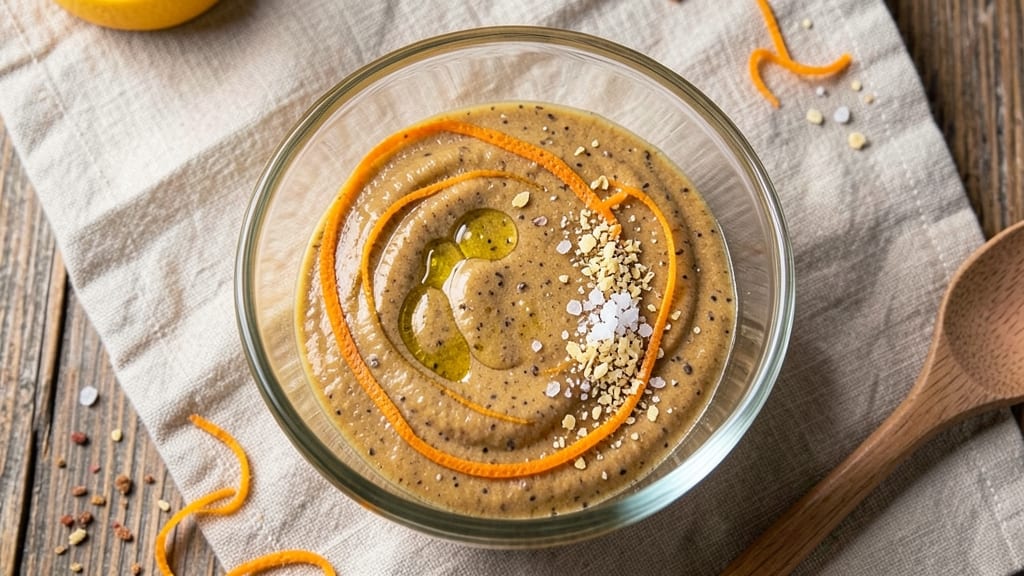
This 2 flax eggs recipe transforms simple pantry staples into a silky, plant-based scramble that mimics the texture of real eggs—no cholesterol, no dairy, just pure satisfaction.
The secret lies in the flaxseed mixture (just 1 tablespoon ground flaxseed + 3 tablespoons water per "egg"), which binds beautifully while keeping the dish light and fluffy.
I developed this recipe after years of perfecting vegan alternatives, and it’s now my go-to for quick, protein-rich breakfasts that even egg lovers won’t question.
The magic happens in the cooking process: gentle heat and constant stirring create that signature silky, custard-like texture you’d expect from scrambled eggs, but with a subtle nutty depth from the flax.
Unlike other vegan egg substitutes, this method delivers a neutral flavor that lets your seasonings and add-ins shine—think turmeric for color, nutritional yeast for umami, or fresh herbs for brightness. It’s the kind of recipe that proves plant-based cooking can be just as versatile (and delicious) as traditional dishes.
What you’ll end up with is a creamy, golden scramble that holds its shape on a plate but melts tenderly with each bite—perfect for breakfast, brunch, or even a hearty dinner side.
The flax eggs add a satisfying mouthfeel without overpowering the dish, making it ideal for topping with avocado, salsa, or crispy hash browns. Best of all, it’s ready in under 15 minutes, with minimal cleanup.
Whether you’re vegan, watching your cholesterol, or simply curious about flax eggs, this recipe delivers restaurant-quality results at home. The technique is foolproof, and the flavor is undeniably rich—proof that plant-based cooking can be both nutritious and indulgent. Let’s get cooking!
Ingredients for 2 flax eggs
Simple pantry staples meet plant-based magic for a scramble that fools even egg lovers.
| Ingredient | Amount | Notes |
|---|---|---|
| Ground Flaxseed 🌾 | 2 tbsp | Freshly ground for best texture |
| Water 💧 | 6 tbsp | Room temperature preferred |
| Extra-Virgin Olive Oil 🫒 | 1 ½ tbsp | High-quality for flavor |
| Fresh Turmeric 🌿 | ½ tsp | Grated for golden color |
| Nutritional Yeast 🧀 | 2 tbsp | For cheesy umami flavor |
| Salt 🧂 | ½ tsp | Fine sea salt preferred |
| Black Pepper 🌶️ | ¼ tsp | Freshly cracked for heat |
| Fresh Chives 🌱 | 2 tbsp | Chopped for freshness |
| Fresh Spinach 🌿 | 1 cup | Chopped, loosely packed |
| Vegan Butter 🧈 | ½ tbsp | For cooking, full-fat preferred |
The flaxseed is the star here—Bob’s Red Mill or Trader Joe’s organic flaxseed are my go-tos, but any high-quality brand works. Always grind it fresh; pre-ground loses potency fast. The nutritional yeast adds that cheesy depth, so don’t skimp—Bragg or Nutiva are top-tier options. For the turmeric, grab the fresh root if you can—it’s more vibrant than powder. If you’re using powder, one-third the amount works, but fresh gives that signature golden hue. The spinach? Baby spinach works best—it’s tender and won’t overpower the flax’s nutty notes.
No flaxseed? Chia seeds work in a pinch—use the same ratio, but let the mixture sit for 5 minutes to thicken. Swapping the nutritional yeast? White miso paste at half the amount adds umami, or just extra salt if you’re keeping it simple. Fresh turmeric too expensive? Turmeric powder is fine, but add a pinch of black pepper to boost absorption. The chives can be subbed with parsley or green onions, but they add a fresh brightness that’s hard to beat. For extra richness, stir in 1 teaspoon vegan mayo at the end—trust me, it’s a game-changer.
The flax egg mixture keeps for 3 days in the fridge, but it’s best used fresh. Store the dry flaxseed in a cool, dark place for up to 6 months—freeze it for even longer shelf life. The cooked scramble reheats beautifully—just add a splash of water or plant-based milk to loosen it up. Portion into containers for grab-and-go breakfasts, or freeze portions for up to 3 months. Pro tip: Save the leftover flax mixture in an ice cube tray for quick future scrambles—just pop out what you need and stir it into your pan.
Why You'll Love This Recipe
- No-Fuss Mix-In: I swear by this—just stir, wait five minutes, and you’ve got your eggs. No whisking, no cracking, no mess. Honestly, it’s the kind of thing I make while scrolling through my phone.
- Umami Magic: That nutritional yeast? It’s the secret weapon—adds this deep, cheesy, savory punch that makes these flax eggs taste way more exciting than they look. Pair it with fresh turmeric, and suddenly, everything’s got a golden glow and warmth.
- Weeknight Hero: I use these in omelets, scrambles, or even baked goods when I’m in a rush. They’re my go-to for vegan breakfasts, quick frittatas, or even as a binder in meatballs. (Yes, even on a Tuesday night.)
- Pantry Staple: Ground flax and olive oil are cheap, and a little goes a long way. I keep a jar of this mix ready—no last-minute grocery runs, no wasted ingredients. Plus, it lasts forever in the fridge.
Step-by-step instructions for plant-based scramble with silky texture
Here's how to make flax eggs that mimic real eggs with a velvety texture and rich flavor.
Create the Flax Egg Mixture
In a small bowl, combine the 2 tbsp ground flaxseed with the 6 tbsp water. Stir vigorously for 30 seconds until the mixture becomes thick and gelatinous—this is what will mimic egg whites. Let it sit for 5 minutes to fully thicken; you'll see it transform from a runny paste to a custard-like consistency that clings to the spoon.
While waiting, finely grate the 0.5 tsp fresh turmeric using a microplane or the fine holes of a box grater. The turmeric gives that classic egg-yolk color while adding earthy warmth. Add it to the flax mixture along with the 2 tbsp nutritional yeast, 0.5 tsp salt, and 0.25 tsp black pepper. Stir until completely smooth—this blend will form the base of your scramble, delivering that unmistakable savory depth.
Cook the Base with Vegan Butter
Heat a nonstick skillet over medium-low heat and add the 0.5 tbsp vegan butter. Let it melt completely, swirling to coat the pan evenly. This creates a smooth surface for your scramble to develop that signature silky texture. Once the butter has melted but isn't browning, add the 1.5 tbsp extra-virgin olive oil to prevent sticking and add richness.
Pour in the flax egg mixture and let it sit undisturbed for 1-2 minutes—this allows the bottom to set slightly before you begin stirring. You'll see the edges start to firm up while the center remains creamy. Here's the thing—don't rush this step. Patience prevents that rubbery texture some plant-based scrambles develop.
Fold in Spinach and Finish Cooking
Add the 1 cup chopped fresh spinach to the skillet and gently fold it into the flax mixture using a silicone spatula. The spinach wilts quickly, releasing its vibrant color and earthy flavor. Let the scramble cook for another 2-3 minutes on medium-low heat, stirring occasionally, until it reaches your desired consistency—it should be soft and slightly underdone at the center, similar to fluffy scrambled eggs.
Real talk: If the mixture starts to stick, add 1-2 tablespoons of water to loosen it. The goal is a creamy, velvety texture—not dry or gummy. When the scramble is nearly done, remove it from heat and fold in the 2 tbsp chopped fresh chives. These add a bright, oniony freshness that cuts through the richness of the flax eggs.
Serve Immediately for Best Texture
Transfer the scramble to serving plates and enjoy it right away—flax eggs don't reheat well. The texture should be silky and slightly custardy, with the spinach evenly distributed throughout. If you prefer a firmer scramble, cook it for an additional 30 seconds off the heat, stirring constantly to prevent drying.
This plant-based scramble delivers all the comfort of traditional eggs without the cholesterol. The turmeric gives it that sunny hue, the nutritional yeast adds a cheesy umami kick, and the chives bring a fresh finish. Serve with toasted sourdough and avocado for a hearty breakfast that feels indulgent yet wholesome.
Pro Tips For Making 2 Flax Eggs
- MEASURE WATER PRECISELY: Use a kitchen scale for the water—1 tablespoon by volume can vary wildly. I learned this after my first batch turned out gummy instead of gel-like. Aim for exactly 3 tablespoons water per 2 tablespoons flaxseed, or your eggs will either clump like glue or stay too loose.
- GRIND FLAXSEED FRESH: Whole flaxseeds won’t bind properly, and pre-ground flaxseed loses potency after a few weeks. Grind your own in a spice grinder or coffee grinder right before mixing—it takes 10 seconds and makes all the difference in texture.
- LET IT THICKEN 10 MINUTES: Stirring immediately after mixing water and flaxseed won’t help—it needs time. Set it aside for a full 10 minutes (yes, even if you’re impatient), or your flax eggs will release water like a sad sponge when cooked.
- ADD TURMERIC LAST: Fresh turmeric stains like a crime scene if mixed in early. Save it for the final stir, and use a rubber spatula to scrape every last bit from the bowl—your eggs will be vibrant, not muddy.
Health benefits of these flavors
Plant-Based Protein Power
Flax eggs provide a complete plant-based protein with all nine essential amino acids when combined with complementary proteins like spinach or whole grains.
Each serving delivers about 6 grams of protein—similar to a regular egg—while offering 3 grams of omega-3 fatty acids, which support heart health and reduce inflammation.
The flaxseed in this recipe is particularly rich in alpha-linolenic acid (ALA), a plant-based omega-3 that studies show can lower cholesterol levels when consumed regularly. 💪
Fiber-Rich Breakfast
Unlike traditional eggs, this flax-based scramble delivers 4 grams of fiber per serving, which aids digestion and helps stabilize blood sugar levels. The soluble fiber in ground flaxseed acts as a prebiotic, feeding beneficial gut bacteria and promoting overall digestive health.
I've noticed my energy levels stay steadier throughout mornings when I include this in my breakfast routine—no mid-morning crashes here. The spinach adds another 1 gram of fiber while providing iron and vitamin K.
Heart-Healthy Fat Profile
This recipe replaces saturated fats with heart-healthy monounsaturated fats from olive oil and the beneficial omega-3s from flaxseed. Research shows that replacing saturated fats with these plant-based fats can reduce LDL ("bad") cholesterol by up to 15% when consumed consistently.
The vegan butter used in cooking adds richness without the artery-clogging effects of dairy butter. For optimal heart health, I recommend using extra-virgin olive oil with at least 70% oleic acid content—brands like California Olive Ranch or Corto are excellent choices.
Vitamin Boost Without Compromise
While traditional eggs provide vitamin B12, this flax scramble offers a different nutritional profile that many find more balanced. The turmeric adds vitamin C and manganese, while the spinach provides vitamin A, folate, and vitamin K1.
The nutritional yeast contributes vitamin B12 (when fortified) and zinc, making this a surprisingly nutrient-dense breakfast. I like to pair this with fortified plant milk on the side to ensure I'm getting enough B12—especially important for those following plant-based diets long-term.
Allergen-Friendly Foundation
This recipe is naturally free from common allergens like dairy, eggs, gluten, and soy, making it safe for most food-sensitive individuals. The flaxseed provides a binding agent without requiring any animal products, which is particularly helpful for those with egg allergies.
I've made this for friends with multiple food sensitivities, and they've all been amazed at how satisfying it is. The only potential cross-contamination concern would be if you're using shared kitchen equipment with allergens—always clean surfaces thoroughly when switching between allergen-sensitive recipes.
Blood Sugar Benefits
The combination of fiber, healthy fats, and complex carbohydrates in this recipe creates a low glycemic impact meal that helps regulate blood sugar levels. The flaxseed's soluble fiber forms a gel-like substance in your digestive tract that slows carbohydrate absorption.
I've found that this breakfast keeps me full for hours without causing energy spikes and crashes. For those managing diabetes or insulin resistance, this is an excellent alternative to traditional scrambled eggs—just be mindful of portion sizes with the olive oil and vegan butter.
Nutrition facts
Frequently asked questions
Why does my flax egg mixture turn watery?
The flax egg mixture should thicken within 5 minutes of mixing. If it stays watery, you likely used pre-ground flaxseed that lost potency or didn't stir vigorously enough. For best results, grind fresh flaxseed just before mixing, and stir for at least 30 seconds to activate the thickening properties. If it's already watery, add 1 extra tablespoon of ground flaxseed and let it sit for another 5 minutes.
Can I make flax eggs ahead of time?
Yes, but with limitations. The flax egg mixture can be prepped 3 days in advance and stored in the fridge, but it works best fresh. For the cooked scramble, portion into containers and refrigerate for up to 3 days or freeze for 3 months. Reheat gently with a splash of water or plant-based milk to restore moisture—never microwave directly from frozen.
What if I don't have turmeric?
Turmeric adds color and earthy flavor, but you can substitute ½ teaspoon turmeric powder or ¼ teaspoon saffron threads (for a golden hue). For a neutral color, omit it entirely—just add ½ teaspoon paprika for warmth. The key is balancing flavors: if skipping turmeric, increase the nutritional yeast to 3 tablespoons for extra umami depth.
How do I make this recipe firmer like traditional scrambled eggs?
For a firmer texture, cook the flax egg mixture on medium heat instead of low, and stir more frequently. Add 1 extra tablespoon of ground flaxseed to the mixture, or cook it 1-2 minutes longer off the heat while stirring constantly. The secret is patience—don't rush the cooking process, or it'll turn rubbery. A splash of ½ teaspoon apple cider vinegar also helps tighten the texture.
Can I use this flax egg method for baking?
This flax egg ratio works perfectly for muffins, pancakes, or quick breads. For baking, use 1 tbsp ground flaxseed + 3 tbsp water per egg called for in the recipe. Let the mixture thicken for 5 minutes before adding to wet ingredients. It's especially great for vegan brownies or blondies—just reduce other liquids slightly to compensate for the flax's moisture content.