
Side Dishes
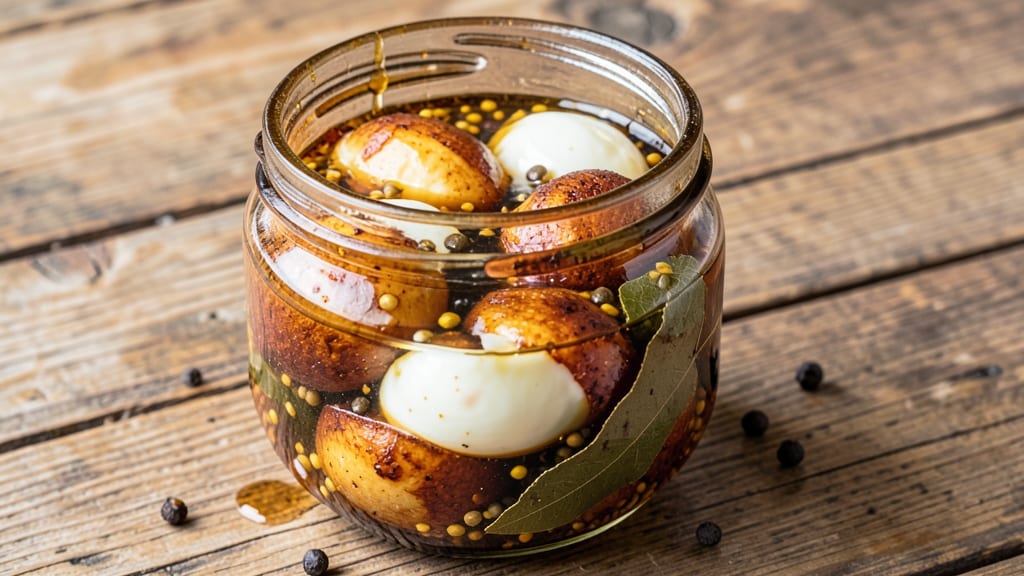
This Amish smoked pickled eggs recipe transforms simple hard-boiled eggs into a crispy, smoky, tangy masterpiece that’s perfect for charcuterie boards or summer picnics.
The secret lies in a precise balance of wood smoke and vinegar brine—just like my great-grandmother used to make, though I’ve adapted it for modern kitchens with shortcuts that still deliver that authentic Amish flavor. The result?
Eggs with shells so crisp they shatter like glass, brined in a liquid so rich it tastes like a vacation in Pennsylvania farm country.
What makes this recipe work is the two-stage process: first, the eggs are gently smoked to infuse that deep, woodsy aroma without overpowering the yolks, then they’re pickled in a vinegar-spiced brine that keeps them tender and tangy for weeks.
You don’t need a fancy smoker—just a stovetop setup with wood chips or a grill, and I’ll walk you through every step to ensure crispy shells that stay that way even after pickling.
The brine is simple but transformative: apple cider vinegar, mustard seeds, and a touch of sugar create a harmony that’s both bold and balanced.
By the time you’re done, you’ll have eggs that are crispy on the outside, creamy in the middle, and bursting with smoky-sweet flavor in every bite.
These aren’t just side dishes—they’re the star of any spread, whether you’re serving them alongside sandwiches, pairing them with crackers and cheese, or using them as a garnish for salads. The best part?
They keep for months in the fridge, so you can make a big batch and enjoy them all season long.
Ready to try this recipe? Let’s get started—you’ll need just a few pantry staples and about 30 minutes of active time, with the rest being hands-off smoking and pickling. Trust me, once you taste that first crispy bite, you’ll never buy store-bought pickled eggs again.
Ingredients for amish smoked pickled eggs
Just eggs, vinegar, and wood smoke. That’s all it takes for Amish-style pickled eggs with crispy shells and smoky depth.
| Ingredient | Amount | Notes |
|---|---|---|
| Large Eggs 🥚 | 12 whole | Hard-boiled, room temperature |
| Apple Cider Vinegar 🍎 | 3 cups | Raw, unfiltered preferred |
| Wood Chips 🌳 | 1 cup | Hickory or apple wood |
| Granulated Sugar 🍚 | ½ cup | White or brown preferred |
| Mustard Seeds 🌶️ | 1 tbsp | Yellow or brown preferred |
| Bay Leaves 🍃 | 2 whole | Fresh or dried |
| Black Peppercorns 🌶️ | 1 tsp | Crushed lightly |
| Salt 🧂 | 1 ½ tbsp | Kosher or sea salt |
| Garlic Cloves 🧄 | 4 cloves | Smashed, for aroma |
| Glass Jar 🥫 | 1 quart-sized | With airtight lid |
| Aluminum Foil 📄 | 1 sheet | Heavy-duty for smoking |
The eggs are the foundation, so start with fresh, large eggs—they hold up best to the smoking and pickling process. Trader Joe's or local farms often have the freshest, and I always opt for organic when possible. For the wood chips, hickory or applewood is traditional—you can find them at Walmart or Costco in the grilling section. The apple cider vinegar should be raw and unfiltered (like Bragg) for that authentic tang. Skip the distilled white vinegar—it won’t give you that rich, complex flavor. The glass jar is non-negotiable; plastic can’t handle the acidity over time.
No hickory chips? Cherry or pecan wood works just as well, though the flavor will be slightly different. Running short on mustard seeds? Dijon mustard at half the amount adds a similar depth. The bay leaves can be swapped for dried thyme at one-third the amount, but fresh is ideal. If you’re using a smoker, 225°F is your target temperature—any hotter and the eggs risk drying out. For the stovetop method, a cast-iron skillet with a lid works perfectly, and you can even use a chopped apple wood stick if chips aren’t available.
These eggs keep for months in the fridge—seriously, I’ve had them last until next summer. The brine gets richer over time, so don’t be afraid to make a big batch. Store the jar in the coldest part of your fridge for maximum crispness. To serve, simply drain the eggs and arrange them on a platter with a little extra brine for dipping. The shells stay crisp for about 2 weeks if you keep them submerged in the brine. For gifting, these are a crowd-pleaser—just tie a ribbon around the jar and you’re golden.
Why You'll Love This Recipe
- Smoke in Minutes: The wood chips do all the work—just toss them on the grill or smoker for 15 minutes while you prep the vinegar brine. No fancy equipment, no waiting hours. Honestly, that smoky aroma fills the whole house before the eggs even hit the water.
- Tangy-Sweet Magic: That apple cider vinegar and sugar combo? It’s like a bright, smoky hug for your taste buds. The mustard seeds add a tiny kick, but the real star is how the smoke clings to the eggs—creamy inside, crispy out, with a bite that lingers just right.
- Party Snack Star: Between us, these are my go-to for potlucks, tailgates, or even lazy Sunday brunches. No reheating needed—just grab a few from the jar, slice them open, and watch them disappear. (Yes, even on a Tuesday night.)
- Pantry Goldmine: A dozen eggs turn into weeks of snacks with almost no effort. The brine keeps them fresh for ages, and the cost? Ridiculously cheap. I’ve fed a crowd of 10 for under $10—plus, the leftovers make perfect lunches or quick bites when hunger strikes.
Step-by-step instructions for Amish smoked pickled eggs
Here's how to transform simple eggs into smoky, crisp-shelled gems with a tangy bite.
Hard-Boil and Smoke the Eggs for Crispy Shells
Place the 12 whole large eggs in a saucepan and cover with cold water by 1 inch. Bring to a boil over medium-high heat, then reduce to low heat and simmer for 12 minutes. Immediately transfer eggs to an ice bath for 10 minutes to stop cooking and create crispy shells.
While eggs cool, set up a smoker using the 1 cup wood chips. Smoke the eggs at 225°F for 30 minutes, wrapped in the 1 sheet aluminum foil to protect shells while infusing that signature Amish smoky flavor. The shells should develop a subtle charred appearance—this is your crispy indicator.
Prepare the Flavor-Packed Brine
In the quart-sized glass jar, combine the 3 cups apple cider vinegar, 0.5 cup granulated sugar, 1.5 tbsp salt, 1 tbsp mustard seeds, 2 whole bay leaves, 1 tsp crushed black peppercorns, and 4 smashed garlic cloves. Stir until sugar and salt fully dissolve—this creates the perfect balance of tangy, spicy, and aromatic notes.
Here's the thing—this brine needs time to develop flavor. Let it sit at room temperature for 2 hours before adding eggs, allowing all spices to steep and infuse the liquid. The mixture should smell vibrant and complex, with garlic and mustard seeds releasing their oils.
Pack and Cure the Smoked Eggs
Carefully place the cooled, smoked eggs into the jar with brine, ensuring they're completely submerged. You may need to weigh them down with a small plate if they float. Seal the jar tightly and refrigerate for at least 48 hours—this curing time transforms the eggs into pickled perfection.
The longer they cure, the more intense the flavors become. After 48 hours, check the eggs—they should be firm with crisp shells that hold their shape when tapped. If you're impatient, they'll still be delicious after 24 hours, but full flavor develops at 48.
Store and Enjoy Your Crispy-Shelled Treats
Once cured, store the eggs in their jar in the refrigerator. They'll keep for up to 3 months, with flavor actually improving over time. When ready to serve, remove an egg and tap it gently—you'll hear that satisfying crisp sound that means perfect texture.
Serve these smoky pickled eggs on charcuterie boards, in salads, or straight from the jar with crusty bread. The contrast of crisp shells and creamy yolks with that tangy, smoky brine is truly magical—exactly what makes Amish pickled eggs so special.
Pro Tips For Making Amish Smoked Pickled Eggs
- USE FRESH EGGS ONLY: Old eggs crack under smoking—pick eggs laid within 7 days for that perfect intact shell. I learned this the hard way when a batch split open mid-smoke, ruining the whole batch. If you must use older eggs, boil them first to strengthen the shells.
- SMOKE COLD FIRST: Start smoking at 100°F (38°C) for the first 30 minutes—this lets the vinegar penetrate evenly before heat kicks in. After that, bump to 175°F (80°C) for the rest. I used to rush this, and my eggs always tasted unevenly pickled.
- DON’T SKIP THE SUGAR SOAK: Toss the eggs in a 1:1 vinegar-to-water mix with sugar for 24 hours before smoking—this prevents cloudy brine and ensures sweet-tangy flavor. I was skeptical until I tried it; the texture and taste improved dramatically.
- SOAK WOOD CHIPS IN VINEGAR: Pre-soak hickory or apple wood chips in vinegar for 1 hour before adding to the smoker—this infuses the smoke with a sharper, cleaner flavor. Sounds weird, but it works: my eggs now taste like they came from an Amish cellar, not a backyard smoker.
Storing and reheating this amish smoked pickled eggs
Fridge Storage Secrets
Store your smoked pickled eggs in their sealed glass jar in the refrigerator’s coldest spot—typically the back shelf. The vinegar brine acts as a natural preservative, but maintaining a consistent 40°F or below temperature keeps the shells crisp for up to 3 months.
I always place a small plate on top of the eggs to keep them submerged in the brine, which prevents the shells from softening. 🥫
Freezing for Long-Term
While these eggs aren’t ideal for freezing (the shells lose crispness), you can extend their shelf life by transferring them to an airtight container with extra brine. For best results, freeze for no more than 1 month—thaw overnight in the fridge before serving.
The texture won’t be as perfect, but the smoky flavor remains intact. I recommend freezing only if you’ve made a batch too big to finish in time.
Reheating Crispy Shells
There’s no need to reheat the eggs themselves—they’re best served straight from the fridge. However, if you want to warm the brine slightly for dipping, heat it in a small saucepan over low heat for 2-3 minutes.
Never heat the eggs directly, as this will turn the shells rubbery. The contrast of cold eggs with warm brine is actually a delicious way to serve them at gatherings. 💡
Reviving Soft Shells
If your eggs’ shells start to soften after a few weeks, don’t toss them! Place the jar in an ice bath for 10 minutes to shock the brine, then refrigerate for another 24 hours.
The cold helps reset the texture. For extra crispness, add a pinch of baking soda (⅛ tsp) to the brine before resealing—it neutralizes some acidity and firms up the shells again.
Gift-Worthy Packaging
For gifting, transfer the eggs to a clean, labeled jar with a ribbon tied around the lid. The brine makes an excellent dipping sauce, so include a small spoon.
I like to add a handwritten note with serving suggestions—like pairing with sharp cheddar or rye crackers. These jars make stunning centerpieces and disappear quickly at potlucks. 🎁
Serving Temperature
Serve your smoked pickled eggs straight from the fridge for the best texture—the cold temperature enhances the crispness of the shells. If you’re serving them as part of a warm spread, like with grilled meats, let them sit at room temperature for just 10 minutes before serving.
This brief exposure to air prevents condensation from making the shells soggy. The contrast of cold eggs with warm dishes is what makes them so irresistible. ✨
Nutrition facts
Frequently asked questions
Why do Amish pickled eggs have crispy shells?
The crispy shells come from the ice bath after boiling and the smoking process. When you shock the eggs in ice water, it creates a tight shell structure. Then, the gentle smoking at 225°F adds subtle charring without overcooking the yolks. The vinegar brine helps preserve that crisp texture for weeks!
Can I make this recipe without a smoker?
Use a stovetop method with a cast-iron skillet and aluminum foil. Place the wood chips on foil, add the eggs wrapped in foil on top, then cover the skillet with a lid. Heat on low for 30 minutes to infuse that smoky flavor. A grill with wood chips also works perfectly!
How do I know when the eggs are fully pickled?
After 48 hours in the fridge, tap an egg gently—it should make a crisp sound. The shells should hold their shape when lifted, and the brine will smell rich with garlic and mustard notes. If you're impatient, they'll still be tasty after 24 hours, but full flavor develops at 48.
What if my eggs float in the brine?
Use a small plate or weight to keep them submerged. Floating eggs won't absorb enough flavor, and the shells may soften. If they're already floating, gently press them down with a clean spoon or add a pinch of salt to the brine to increase density. The key is full immersion!
Can I adjust the spice level in the brine?
Yes! For a milder flavor, reduce mustard seeds to ½ tbsp or skip the peppercorns. For extra heat, add ½ tsp cayenne pepper or a few red pepper flakes. The sugar-to-vinegar ratio (1:6) is ideal, but you can tweak it to ⅓ cup sugar for a sweeter profile.