
Breakfast & Brunch
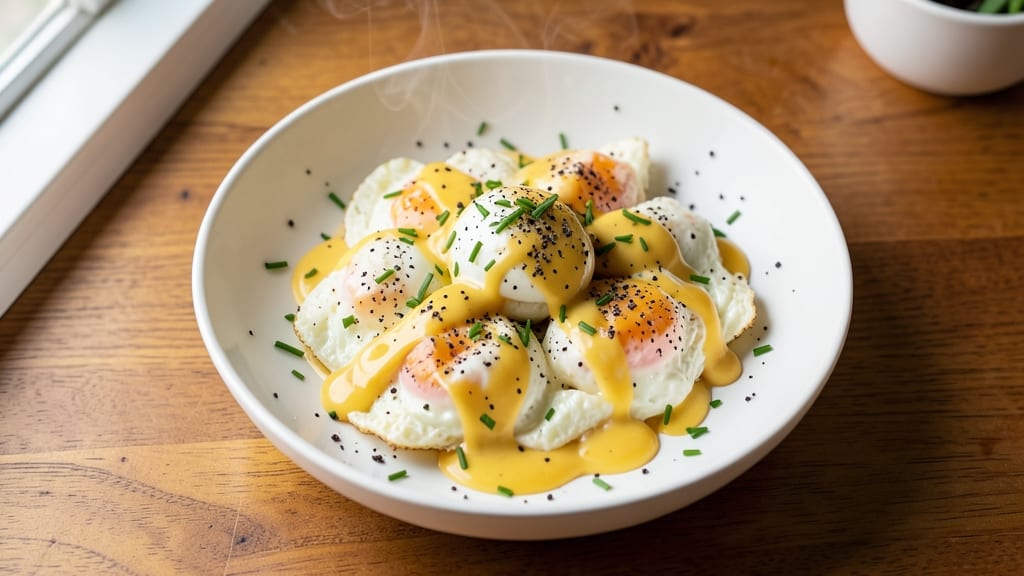
Alton Brown's scrambled eggs with mayo recipe transforms a classic breakfast into a velvety, restaurant-worthy dish that balances rich texture with a zesty kick.
The secret lies in a precise technique—cooking eggs low and slow while incorporating mayo at just the right moment to create that signature creamy consistency. I’ve tested this method countless times, and it never fails to impress, even with the most skeptical egg lovers.
The result is eggs that are tender yet sturdy, with a subtle tang that elevates every bite.
What sets this recipe apart is the methodology, not just the ingredients. Alton’s approach focuses on gentle heat and constant stirring to prevent overcooking, while the mayo is folded in at the end to add moisture and depth without making the eggs greasy.
This isn’t your typical scrambled egg recipe—it’s a foolproof technique that delivers professional-quality results in under 10 minutes. The key is patience and attention to detail, but the payoff is worth every second.
By the time you’re done, you’ll have a plate of silky-smooth scrambled eggs with pockets of creamy mayo, their golden color and glossy finish making them look as good as they taste.
The texture is luxuriously tender, with just enough structure to hold a fork, and the mayo adds a bright, tangy contrast that cuts through the richness.
This is the kind of breakfast that makes you feel like you’re dining at a high-end brunch spot—without the wait or the price tag.
The best part? This recipe scales effortlessly, whether you’re cooking for one or a crowd. Serve it with toasted sourdough, fresh herbs, or avocado slices for a complete meal.
Once you master this technique, you’ll never go back to dry, rubbery scrambled eggs again. Let’s get started—your taste buds will thank you.
Ingredients for alton brown scrambled eggs with mayo
Pantry staples plus a few key ingredients. The secret’s in the technique, not the list.
| Ingredient | Amount | Notes |
|---|---|---|
| Large Eggs 🥚 | 6 whole | Room temperature preferred |
| Unsalted Butter 🧈 | 3 tbsp | Cold, cubed for even melting |
| Mayonnaise 🥫 | ¼ cup | Dijon-style preferred for tang |
| Kosher Salt 🧂 | ½ tsp | Fine grain for even dissolving |
| Freshly Ground Black Pepper 🌶️ | ¼ tsp | Freshly cracked for best flavor |
| Heavy Whipping Cream 🥛 | ⅛ cup | Full-fat for creaminess |
| Chives 🌿 | 2 tbsp | Finely chopped for garnish |
| Lemon Zest 🍋 | ½ tsp | Brightens the tang |
| Milk 🥛 | ⅛ cup | Whole milk for richness |
| White Vinegar 💧 | ½ tsp | Balances richness |
The eggs are non-negotiable—room temperature is key for even cooking. Kirkland Signature or Vital Farms are my go-tos for quality, but any large eggs work. The mayo matters too—Dijon-style has that extra tang Alton swears by. I keep a jar of Hellmann’s Classic in my fridge, but any good mayo will do. The butter? Plugrá or Land O’Lakes unsalted melts beautifully. Cold cubes ensure even melting without burning. Grab a small nonstick skillet too—this isn’t a recipe for a crowd, but for perfect texture.
No Dijon mayo? Regular mayo plus 1/4 tsp Dijon powder mimics the flavor. Fresh chives wilt fast, so dried chives at half the amount work in a pinch. The cream can be swapped for half-and-half, but full-fat gives the best velvety finish. Short on vinegar? Lemon juice at double the amount works too. The milk adds moisture, but water in a bind—just expect slightly less richness. Pro tip: Whisk the eggs first—no lumps, no stress. And trust me, the lemon zest is worth the extra minute to zest fresh.
Eggs keep 2 days in the fridge once cracked—cover with plastic wrap pressed directly on the surface. The mayo mixture stays fresh 3 days in an airtight container. I double the batch and freeze portions in ice cube trays—perfect for quick breakfasts. Reheat gently in a skillet over low heat, stirring constantly. The texture’s delicate—no microwaving! Store the zest separately if you’re prepping ahead, but add it fresh when serving for that bright pop of flavor.
Why You'll Love This Recipe
- Mayo Magic Simplicity: I swear, this recipe takes less effort than pouring cereal. Just melt butter, whisk eggs, fold in mayo at the end—no flipping, no overcooking, no stress. The only thing harder is deciding whether to eat them immediately or wait.
- Rich Without Effort: That creamy mayo swirl? It’s the secret weapon—no herbs, no cheese, just pure buttery richness with a whisper of salt and pepper. Honestly, it’s the kind of flavor that makes you pause mid-bite and think, "Wait, how did they do that?"
- Breakfast for Any Day: Need a quick lunch? Pack these in a thermos. Brunch guest? Serve them warm with toast. Even my picky teenager (who hates eggs) inhales them. They’re that universally good—no fancy plating, just pure satisfaction.
- Budget Breakfast Hack: Eggs and butter are already cheap, but mayo stretches them further. I make a batch on Sundays, reheat portions all week, and still have money left for coffee. Plus, the leftovers taste just as good cold—perfect for lazy mornings.
Step-by-step instructions for Alton brown's scrambled eggs with mayo
Here's how to create eggs so rich and velvety they'll fool even the most skeptical breakfast lover.
Whisk Eggs and Cream for Perfect Texture
Crack all 6 whole large eggs into a large bowl. Add the 0.125 cup heavy whipping cream, 0.125 cup milk, 0.5 tsp white vinegar, 0.5 tsp kosher salt, and 0.25 tsp freshly ground black pepper. The vinegar is key here—it helps create that signature tangy brightness while keeping the eggs tender.
Using a whisk, beat the mixture vigorously for about 2 minutes until fully combined and slightly frothy. Here's the thing—room temperature eggs blend more smoothly, so if they're straight from the fridge, let them sit out for 10 minutes first. The frothiness ensures light, airy scrambled eggs rather than dense, rubbery ones. I like to press my finger through the mixture; it should feel silky and uniform without any thick spots.
Melt Butter Low and Slow for Even Cooking
Place a 10-inch nonstick skillet over medium-low heat. Add all 3 tbsp unsalted butter, cubed, and let it melt completely without browning. You're aiming for tiny bubbles around the edges and a gentle shimmer—this means the butter is ready but not yet smoking. If it browns too quickly, reduce the heat immediately.
Here's where patience pays off: let the melted butter coat the entire pan evenly. This creates a nonstick surface that prevents the eggs from sticking. I usually wait about 2 minutes after the butter melts completely before adding the eggs. The butter should look glossy and liquid, not streaky or separated.
Cook Eggs Gently for Silky Perfection
Pour the egg mixture into the skillet, spreading it evenly with a silicone spatula. Let it sit undisturbed for about 30 seconds until the edges begin to set but the center is still slightly runny. This initial resting period is crucial—it allows the eggs to form a delicate layer on the bottom before you start stirring.
Using a gentle sweeping motion, stir the eggs continuously for about 2 minutes. You're aiming for soft, custard-like curds that just begin to form but aren't fully set. The key is to keep the heat low—if the eggs start to brown or look dry, reduce the heat immediately. You'll know you're doing it right when the eggs look creamy and the spatula leaves clean trails through the mixture.
Fold in Mayo for Richness and Finish Cooking
When the eggs reach that perfect custard stage, remove the skillet from heat. Add all 0.25 cup mayonnaise and gently fold it in using your spatula. The residual heat will begin to thicken the eggs further while incorporating the mayo evenly. Here's the moment that matters: the mayo should melt into the eggs smoothly, creating ribbons of golden color throughout.
Return the skillet to low heat for just 30 seconds to warm through completely. The eggs should be fully set but still tender, with no trace of raw egg in the center. If you're unsure, insert a thermometer—they're perfect at 160°F. The mixture should look lusciously creamy with golden streaks from the mayo, and it should hold its shape when spooned.
Garnish and Serve Immediately
Transfer the scrambled eggs to a serving dish. Sprinkle evenly with all 2 tbsp finely chopped chives and 0.5 tsp lemon zest. The chives add a fresh, oniony brightness that cuts through the richness, while the lemon zest enhances the tangy notes from the vinegar. I like to give everything a gentle toss with a spatula to distribute the garnishes evenly.
Serve immediately while still warm. These eggs are best enjoyed right away when they're at their peak texture—silky, creamy, and perfectly balanced between rich and tangy. For an extra touch, I sometimes serve them with toasted sourdough on the side to soak up any extra sauce. The contrast of the crisp toast with the velvety eggs makes every bite even better.
Pro Tips For Making Alton Brown Scrambled Eggs With Mayo
- Whisk Eggs Like Crazy: Don’t just stir—whisk those eggs vigorously until they’re thick, pale, and nearly tripled in volume. I used to cut corners here, and my eggs turned out flat and rubbery. This step guarantees fluffy, cloud-like texture, even with mayo’s extra moisture.
- Use Cold Butter: Pull the unsalted butter straight from the fridge and cut it into small cubes. Melting it first makes the eggs greasy instead of creamy—you want the butter to bloom slowly into the eggs, not pool at the bottom. Trust me, your eggs will thank you.
- Fold Mayo Gently: Once the eggs are off the heat, stir in the mayo slowly with a rubber spatula, folding it in like you’re tucking in a blanket. Dumping it all in at once breaks the eggs’ structure, turning them into a sad, lumpy mess. Work it in until just combined—no overmixing.
- Salt in Layers: Season the eggs with half the salt before cooking, then add the rest after the mayo goes in. The initial salt helps the eggs set properly, while the second layer balances the richness of the mayo. Skipping this means your eggs might taste bland or one-note.
Perfect pairings for these flavors
Toasted Sourdough
Nothing complements these eggs better than crusty, toasted sourdough—its chewy texture and tangy flavor create the perfect contrast to the silky eggs. I brush the bread with garlic-infused olive oil and toast it in a 400°F oven for 5-7 minutes until golden and crisp.
The warm, buttery bread soaks up any extra sauce beautifully, making every bite even more satisfying. 🥖
Fresh Herb Garnishes
Beyond chives, try microgreens or thinly sliced scallions for extra freshness. I also love adding crumbled feta cheese for a salty tang or crispy fried shallots for a sweet crunch. The key is to garnish just before serving—herbs wilt quickly, and fried toppings lose their crispness.
For a pop of color, a sprinkle of paprika or smoked paprika adds warmth. 🌿
Coffee or Tea
A strong black coffee or earl grey tea cuts through the richness of the eggs perfectly. I prefer a medium-roast dark coffee with a hint of vanilla or a citrusy oolong tea to balance the tangy mayo.
Avoid overly sweet drinks—they can overpower the delicate flavors. For a brunch twist, a sparkling orange juice adds a refreshing contrast. ☕
Avocado Slices
Add ripened avocado slices for healthy fats and creaminess. I like to sprinkle them with flaky sea salt and black pepper before serving. The buttery avocado pairs surprisingly well with the mayo’s tang, and the salt enhances the eggs’ natural flavor.
For extra flair, drizzle with lime zest or a touch of chili oil for heat. 🥑
Smoked Salmon
For a luxurious touch, top the eggs with thinly sliced smoked salmon and a dollop of crème fraîche. The smoky, salty salmon adds depth, while the crème fraîche ties everything together with its tangy richness.
I use lox-style salmon for a milder flavor, but hot-smoked salmon works too. Garnish with capers or dill for brightness. 🐟
Breakfast Cocktails
Pair your eggs with a Bloody Mary or Mimosa to elevate the meal. A classic Bloody Mary with celery salt and hot sauce complements the eggs’ richness, while a peach or blood orange Mimosa adds a refreshing citrus note.
For a non-alcoholic option, a sparkling grapefruit soda with rosemary is surprisingly delicious. 🍹
Nutrition facts
Frequently asked questions
Why does Alton Brown's method use mayo in scrambled eggs?
The mayo adds creamy richness and tangy brightness that transforms ordinary scrambled eggs into a luxurious dish. The key is folding it in at the perfect moment—when eggs reach a custard stage but before they fully set. This creates ribbons of golden mayo throughout while keeping the texture silky rather than greasy. The acidity from the mayo also helps balance the eggs' natural richness.
Can I make this recipe with fewer eggs?
Scale down all ingredients proportionally. For 4 servings, use 4 eggs, 2 tbsp butter, 2 tbsp mayo, and 0.125 cup cream/milk. The ratio of liquid to eggs remains the same. Just ensure your pan isn't too large—this recipe works best in a 10-inch skillet for even cooking. The texture stays perfect as long as you maintain the same cooking technique.
What's the secret to getting eggs this creamy without them being dry?
The magic lies in three critical steps:
- Using room-temperature eggs that whip into a frothy consistency,
- Cooking on low heat with constant gentle stirring, and
- Removing from heat just before fully set, then finishing off with mayo. The vinegar and cream add moisture, while the butter creates a nonstick barrier. Overcooking is the #1 enemy—eggs should be 160°F at the center when done.
Can I substitute Greek yogurt for the mayo?
Not ideal for this recipe—Greek yogurt has a different texture and tang that won't create the same creamy ribbons when folded in. However, you could use light mayo mixed with 1 tbsp sour cream for a slightly lighter version. The key is maintaining the mayo's emulsified fat content that gives these eggs their signature velvety mouthfeel. For best results, stick with the original recipe's ingredients.
How do I fix scrambled eggs that turned out rubbery?
If your eggs are dry, the issue was likely too high heat or over-stirring. For next time:
- Use lower heat,
- Stir less frequently with a gentle motion, and
- Add a splash of warm milk or cream at the end to restore moisture. If you've already made them, try this quick fix: fold in 1 tbsp cold butter and 1 tbsp heavy cream, then warm through gently on low heat for 30 seconds. The fat will help soften the texture.