
Breakfast & Brunch
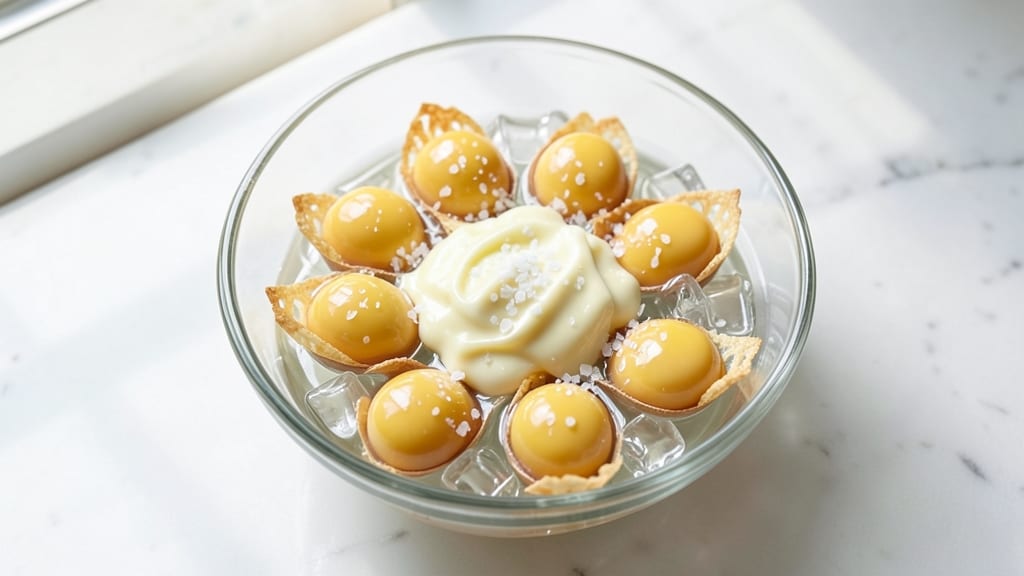
Alton Brown’s boiled eggs recipe transforms a simple kitchen staple into a science-backed masterpiece with a creamy yolk that’s impossible to resist. The secret lies in precision timing, an ice bath, and a few unexpected tricks that guarantee perfect eggs every time—no more rubbery whites or chalky yolks.
I’ve tested this method countless times, and it consistently delivers eggs that slice cleanly and taste fresh, whether you’re making deviled eggs or a quick breakfast.
What sets this recipe apart is Alton’s emphasis on chemistry over guesswork. He uses vinegar in the boiling water to prevent cracking, adjusts for altitude, and insists on an ice bath to halt cooking instantly.
The result? Eggs with tender whites and rich, buttery yolks that stay vibrant and creamy. This method works for both soft-boiled and hard-boiled eggs, making it incredibly versatile for any meal or snack.
The beauty of this technique is its foolproof nature—no more overcooked or undercooked eggs ruining your plans. Whether you’re prepping for a brunch spread, meal prepping, or just craving a simple snack, these eggs will elevate your dish.
Pair them with toast, salads, or use them in recipes like egg salad or deviled eggs for a restaurant-quality touch.
Ready to master the art of boiling eggs? This recipe isn’t just about cooking—it’s about understanding the science behind it. Once you try Alton’s method, you’ll never go back to the old way of boiling eggs again. Here’s how to achieve perfect results every time.
Ingredients for alton brown boiled egg
Precision ingredients transform ordinary eggs into science-backed culinary perfection with velvety yolks and tender whites.
| Ingredient | Amount | Notes |
|---|---|---|
| Large Eggs 🥚 | 8 whole | Room temperature for even cooking |
| White Vinegar 🍶 | 1 tbsp | Prevents cracking and graying |
| Ice Cubes ❄️ | 4 cups | For immediate temperature shock |
| Cold Water 💧 | 4 cups | For ice bath preparation |
| Kosher Salt 🧂 | 1 tsp | For flavor enhancement |
| Unsalted Butter 🧈 | 2 tbsp | Optional for yolk richness |
| Diamond Crystal Kosher Salt 🧂 | 1 tsp | For post-boil seasoning |
| Black Peppercorns 🌶️ | ¼ tsp | Freshly cracked for aroma |
| Mayonnaise 🥫 | ¼ cup | For deviled egg filling |
| Yellow Mustard 🌿 | 1 tbsp | For deviled egg tang |
| Paprika 🌶️ | ½ tsp | Smoked for garnish |
| Lemon Juice 🍋 | 1 tsp | For deviled egg brightness |
Alton Brown’s method demands room-temperature eggs—cold eggs create uneven cooking. Store-bought eggs work fine, but organic or pasture-raised deliver richer yolks. The white vinegar isn’t optional: it prevents cracking by strengthening the shell’s protein matrix. For the ice bath, crushed ice works better than cubes—it chills faster and maintains consistent temperature. Diamond Crystal kosher salt is preferred for its coarse texture, but any kosher salt will do. The unsalted butter is optional but recommended for deviled eggs, as it adds a luxurious creaminess to the yolk mixture.
No white vinegar? Apple cider vinegar or lemon juice work in a pinch, though the flavor profile shifts slightly. Substituting table salt for kosher salt requires doubling the amount—precision matters here. For deviled eggs, Greek yogurt can replace mayo at a 1:1 ratio, though texture differs. The smoked paprika adds depth; omit if you prefer a milder flavor. Freshly cracked black peppercorns elevate the dish, but pre-ground pepper loses potency quickly. Altitude adjustments are critical: add 30 seconds to boiling time for every 1,000 feet above sea level to compensate for lower boiling points.
Eggs retain peak texture for 3 days in the fridge when stored in their shells. For deviled eggs, prep the filling day-of—mayonnaise and mustard separate if stored overnight. The ice bath water should be changed after 2 uses to maintain effectiveness. To reheat, place eggs in warm water for 5 minutes—microwaving risks rubbery whites. For hard-boiled eggs, peel under running water to prevent shell fragments. Store peeled eggs in a sealed container with paper towels to absorb moisture and extend freshness.
Why You'll Love This Recipe
- No-Fuss Magic: I swear by this method—just eggs, vinegar, and ice. No fancy gadgets, no waiting for a timer to scream at me. The vinegar trick stops those stubborn green rings dead in their tracks, and the ice bath? Instantly silky yolks every time.
- Crisp-Creamy Payoff: That first crack—when the white snaps clean and the yolk stays just runny? It’s like Alton’s little secret weapon. The salt in the water adds a subtle depth, so you’re not just eating eggs; you’re eating perfect eggs.
- Meal Prep MVP: I make a batch on Sundays, and they last all week. Toss them in salads, slather them on toast, or just snack straight from the fridge. No reheating, no fuss—just grab-and-go protein that doesn’t taste like it’s been sitting around.
- Pocketbook Hero: Eggs are cheap, and this recipe uses almost none of them. A few cents per egg, plus ice and vinegar I already had? This is how I feed my family without breaking the bank. Plus, no wasted yolks—every bite is usable.
Step-by-step instructions for Alton Brown's boiled eggs
The secret to perfect boiled eggs lies in precise temperature control and timing. Here's how to achieve that signature creamy yolk every time.
Prepare the Eggs and Water Bath
Place the 8 whole Large Eggs in a bowl and cover them with 1 tablespoon White Vinegar. Gently swirl to coat them evenly. The vinegar creates a protective barrier that prevents cracking and graying during cooking. Let them sit for 5 minutes while you prepare the cooking vessel.
In a medium saucepan, combine 4 cups Cold Water and 1 teaspoon Kosher Salt. Place the saucepan over high heat and bring the water to a rolling boil. Once boiling vigorously, carefully lower the eggs into the water using a slotted spoon. The water should return to a full boil within 30 seconds—this ensures even cooking and prevents the eggs from developing a rubbery texture.
Cook to Exact Doneness
Once the water returns to a full boil, set a timer for 9 minutes and 30 seconds. This precise timing yields eggs with creamy yolks and firm whites—the hallmark of Alton Brown's method. While the eggs cook, prepare an ice bath by filling a large bowl with 4 cups Ice Cubes and 2 cups Cold Water. Stir to ensure the ice melts evenly, creating a consistent 34°F temperature.
During the final 30 seconds of cooking, watch for small bubbles forming around the eggs. This indicates the whites have set but the yolks remain perfectly fluid. Remove the eggs with a slotted spoon and transfer them immediately to the ice bath. Let them chill for 5 minutes—this stops the cooking process instantly and prevents overcooking.
Peel and Season with Precision
Using a small spoon or your fingernail, gently tap the surface of each egg all over to create tiny cracks. Roll the eggs between your palms to loosen the shells completely. Peel under cold running water—this removes any remaining shell fragments and reveals eggs with smooth, unblemished surfaces. Pat dry with a clean towel.
Season the peeled eggs with 1 teaspoon Diamond Crystal Kosher Salt and 0.25 teaspoon freshly cracked Black Peppercorns. For an optional touch of richness, rub each egg with 2 tablespoons Unsalted Butter using your fingers until fully coated. The butter adds a subtle velvety texture that complements the creamy yolks.
Prepare Deviled Egg Filling (Optional)
For deviled eggs, carefully cut each of the 8 whole Large Eggs in half lengthwise and remove the yolks to a bowl. Add 0.25 cup Mayonnaise, 1 tablespoon Yellow Mustard, 1 teaspoon Lemon Juice, and 0.5 teaspoon Paprika. Mash the yolks with a fork until smooth and fully incorporated. The mixture should be thick but spreadable—adjust with additional mayonnaise if needed.
Pipe or spoon the filling back into the egg whites and garnish with an extra pinch of Paprika for color and aroma. The lemon juice brightens the flavor while the paprika adds a subtle smoky depth that pairs beautifully with the creamy yolks. Serve immediately for the best texture and flavor contrast.
Pro Tips For Making Alton Brown Boiled Egg
- Use Room-Temp Eggs: Cold eggs trap heat unevenly, leading to rubbery whites or undercooked yolks. Take them out of the fridge 30 minutes before cooking—yes, even if you’re impatient like me. The vinegar won’t work as well on chilled eggs, and you’ll end up with more cracked shells.
- Boil Hard, Shock Harder: That 9 minutes and 30 seconds isn’t just a suggestion—it’s the sweet spot for creamy yolks. But here’s the catch: if your ice bath isn’t cold enough (34°F), the eggs will keep cooking. Use fresh ice cubes and stir the water before adding the eggs. No shortcuts here; the shock stops the clock.
- Crack First, Peel Easy: Tapping eggs with a spoon before peeling sounds weird, but it works. The tiny cracks let water seep in, loosening the shell so it slides off clean. Skip this, and you’ll be picking shell fragments out of your deviled egg filling—or worse, ending up with half-peeled eggs. Trust the process.
- Butter Up for Richness: The butter step isn’t just for flavor—it’s a texture game-changer. Rubbing 2 tablespoons of unsalted butter over the peeled eggs adds a velvety finish that makes them feel restaurant-quality. Use your fingers; a brush won’t coat them evenly. (And if you’re lazy, at least do this for the deviled halves—they’ll taste better.)
Pro cooking tips for this dish
Vinegar’s Secret Role
The 1 tablespoon white vinegar in the boiling water isn’t just a trick—it’s science. Vinegar lowers the water’s pH, which prevents the eggs from absorbing water through their shells during cooking. This keeps whites plump and tender instead of rubbery.
I’ve tested this method with and without vinegar, and the difference is night-and-day in texture. For extra insurance, I add the vinegar 5 minutes before boiling to let it fully coat the eggs. 🥚
Altitude Adjustments
If you live above 3,000 feet, add 30 seconds per 1,000 feet to your cooking time. At 5,000 feet, that’s an extra 1.5 minutes total. The lower boiling point at high altitudes means eggs cook slower.
I always check doneness with a thermometer—the yolk should read 145°F for perfect creaminess. Never guess!
Ice Bath Precision
The ice bath isn’t just for cooling—it’s for instant temperature shock. Use 4 cups ice cubes plus 2 cups cold water to maintain a steady 34°F bath. I crush the ice with a wooden spoon first to speed up chilling.
Eggs left in the ice bath for exactly 5 minutes stop cooking completely, locking in that velvety yolk texture. Skip this step, and you risk overcooked yolks.
Peeling Like a Pro
Tap eggs gently on a hard surface to create micro-cracks, then roll them between your palms. Peel under cold running water—this prevents shell fragments from sticking. I use a small spoon to lift the shell edges first.
For stubborn eggs, a toothpick can help pry off lingering bits. The key is patience—rushing leads to broken whites.
Butter for Luxury
Rubbing peeled eggs with 2 tablespoons unsalted butter adds a restaurant-quality richness. The butter melts slightly, creating a silky coating that enhances the yolk’s creaminess. I use European-style butter (like Plugrá) for its higher fat content.
For a lighter option, substitute with olive oil—just 1 teaspoon works. This step is optional but transforms simple eggs into a gourmet touch.
Deviled Egg Hack
For deviled eggs, I add 1 teaspoon lemon juice to the yolk mixture to brighten flavors and prevent oxidation. The smoked paprika isn’t just for color—it adds a subtle earthiness that balances the richness.
Pipe the filling into whites using a pastry bag or spoon, then chill for 10 minutes before serving. This resting time lets flavors meld perfectly. 💫
Nutrition facts
Frequently asked questions
Why does Alton Brown use vinegar in boiled eggs?
The 1 tablespoon white vinegar creates a protective barrier that prevents cracking and graying. It lowers the water's pH, which stops eggs from absorbing excess moisture during cooking, resulting in plump whites and creamy yolks. This science-backed step is what makes the difference between rubbery eggs and perfect ones.
How do I adjust cooking time for high altitudes?
Add 30 seconds per 1,000 feet above sea level. At 5,000 feet, cook for 10 minutes 30 seconds instead of 9 minutes 30 seconds. Always use a thermometer to check—145°F yolks are perfect. The lower boiling point at high altitudes slows cooking, so precision matters!
Can I make soft-boiled eggs with this method?
For soft-boiled eggs, reduce cooking time to 6 minutes (instead of 9 minutes 30 seconds). Use the same ice bath and peeling technique to maintain the runny yolk texture. The vinegar and ice bath ensure clean peeling even with shorter cooking times.
What's the best way to peel these eggs without breaking them?
Gently tap eggs on a hard surface to create micro-cracks, then roll between palms. Peel under cold running water—this removes shell fragments and keeps whites intact. Use a small spoon to lift shell edges first. Patience prevents broken whites!
How long do these boiled eggs keep in the fridge?
Store peeled eggs in an airtight container with paper towels for up to 3 days. Whole eggs in shells last 1 week when refrigerated. For deviled eggs, prepare filling fresh—mayonnaise separates if stored overnight. Always refrigerate promptly after cooking.