
Breakfast & Brunch
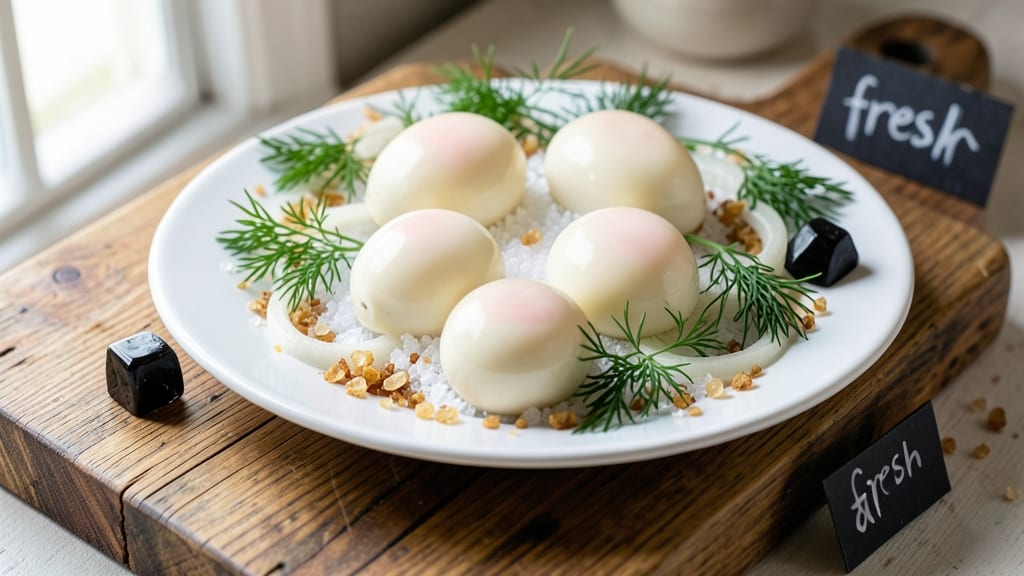
The Pioneer Woman's hard-boiled eggs recipe delivers perfectly cooked eggs with shells that peel away effortlessly—no stubborn membranes or cracked whites. This vinegar trick transforms a basic kitchen staple into a foolproof method that works every time, whether you're prepping for meal prep or hosting a brunch.
The secret lies in precise water ratios and a simple acid infusion that loosens the shell structure.
Most recipes fail at the peeling stage, but this method ensures eggs cook evenly and shells separate cleanly from the yolk. You'll need just six ingredients, including white vinegar, which acts as a natural peeling agent.
The process takes about 15 minutes from start to finish, with only 10 minutes of active cooking time—ideal for busy mornings.
What you'll achieve are eggs with bright yellow yolks and firm whites that hold their shape, all encased in shells that peel away like silk. The vinegar infusion also adds a subtle tang that enhances flavor, making these eggs perfect for salads, sandwiches, or snacking straight from the pot.
No more struggling with stubborn shells or rubbery yolks—just consistent, restaurant-quality results.
For extra flavor, try adding a pinch of salt to the boiling water or infusing it with herbs like dill or bay leaves. These seasoned variations elevate hard-boiled eggs from a simple side dish to a star ingredient. Let's get started with this game-changing technique!
Ingredients for pioneer woman hard boiled eggs
Six simple ingredients transform ordinary eggs into restaurant-quality hard-boiled perfection.
| Ingredient | Amount | Notes |
|---|---|---|
| Large Eggs 🥚 | 8 whole | Room temperature preferred |
| White Vinegar 🍶 | ¼ cup | Distilled or apple cider |
| Cold Water 💧 | 4 cups | Tap or filtered preferred |
| Ice Cubes ❄️ | 1 cup | For immediate cooling |
| Kosher Salt 🧂 | 1 tsp | Fine grain preferred |
| Fresh Dill 🌿 | ¼ cup | Chopped, optional garnish |
The eggs are the star, so start with room-temperature ones—they cook more evenly. Grocery store brands work fine, but organic or free-range eggs have richer yolks. The vinegar is non-negotiable here—it's what creates those perfect peeling shells. White vinegar is the most accessible, but apple cider adds a subtle sweetness. For the water, cold tap water is ideal—it's free of contaminants that can affect flavor. If your tap water tastes funny, use filtered. The ice cubes are key for stopping the cooking process instantly after boiling.
No vinegar? A splash of lemon juice works in a pinch, though it's less effective at loosening shells. Swapping dill for parsley or chives keeps the flavor bright without overpowering. The salt is optional but recommended—it enhances the eggs' natural flavor. For extra flavor, try adding a bay leaf or two to the boiling water. If you're prepping ahead, use within 2 days for best texture. The shells will start to dry out after that, making peeling trickier.
Store cooked eggs in their shells in the fridge for up to 1 week. The vinegar infusion keeps them fresh longer than plain boiled eggs. For meal prep, peel and store in an airtight container with a paper towel to absorb moisture. These eggs reheat beautifully—simmer in warm water for 10 minutes if you want them warm. The secret to perfect peeling? Don't rinse the eggs after boiling. The vinegar residue is what makes the shells slide off effortlessly.
Why You'll Love This Recipe
- No-Fuss Technique: The vinegar and ice bath trick actually works—no more green yolks or cracking eggs. I’ve tried every method, and this one delivers perfect eggs every time, hands-down.
- Crispy Yet Creamy: That saltwater start and ice plunge? It gives you the best texture—crispy edges that snap just right, but a yolk so rich it melts like butter. Honestly, it’s the kind of simple detail that makes all the difference.
- Meal Prep MVP: Make a dozen on Sunday, and you’ve got snacks for the week—salads, sandwiches, or just as a quick protein boost. My kids grab them straight from the fridge for lunchboxes, and they’re always the first to disappear.
- Pocketbook Hero: Eggs are already cheap, but this method uses pantry staples (vinegar, salt, ice) that won’t break the bank. Between us, I’ve saved more than I expected by cutting down on store-bought snacks or takeout.
Step-by-step instructions for vinegar-trick hard-boiled eggs
This method guarantees eggs that peel effortlessly every time—no stubborn shells here.
Prepare the Vinegar Water Bath
In a large saucepan, combine the 4 cups cold water, 0.25 cup white vinegar, and 1 teaspoon kosher salt. Stir just until the salt dissolves completely. The vinegar creates an alkaline environment that loosens the egg whites from the shells during cooking.
Place the saucepan over medium-high heat and bring the mixture to a rolling boil. You'll notice small bubbles forming along the sides of the pan—this indicates the water is reaching the proper temperature. Keep the heat at this level until the water returns to a full boil after adding the eggs.
Cook the Eggs to Perfect Doneness
Using a slotted spoon, carefully lower the 8 whole large eggs into the boiling water. They should settle to the bottom of the pan. Return the water to a full rolling boil and immediately reduce the heat to medium-low. This adjustment prevents the water from boiling over while maintaining gentle, even cooking.
Cover the pan with a lid and let the eggs simmer for exactly 10 minutes. Set a timer—this precise cooking time ensures eggs that are fully cooked but still firm enough to hold their shape when peeled. The vinegar-infused water will work its magic during this time, making peeling effortless.
Immediately Cool the Eggs
After the 10 minutes are up, carefully remove the pan from the heat and transfer the eggs to a large bowl filled with 1 cup ice cubes. The sudden temperature change stops the cooking process instantly and helps separate the whites from the shells. Gently stir the eggs in the ice water for 5 minutes to ensure even cooling throughout.
This ice bath is crucial—it prevents the eggs from continuing to cook in their own residual heat, which would make them rubbery. The cold water also firms up the whites, making them easier to peel later. You'll notice the water turning slightly cloudy as the eggs release heat.
Peel and Garnish for Presentation
Remove one egg at a time from the ice water and gently tap it on a hard surface to crack the shell all over. Then roll the egg between your palms to loosen the shell completely. The vinegar trick means the shell should slip off in one piece, leaving you with a perfectly intact egg white. If any shell fragments remain, use your fingernail to gently pry them away.
For serving, place the peeled eggs on a platter and sprinkle with the 0.25 cup chopped fresh dill. The dill adds a bright, herbal contrast to the rich eggs and makes for an elegant presentation. These eggs are now ready to enjoy—warm or at room temperature—with their shells completely intact and their yolks perfectly set.
Pro Tips For Making Pioneer Woman Hard Boiled Eggs
- START HOT, THEN LOW: Drop eggs into boiling water—no waiting for a rolling boil. After 2 minutes, reduce to a gentle simmer (small bubbles, not vigorous). I learned this the hard way: rushing the simmer makes the whites rubbery, and a full boil cracks shells.
- VINEGAR FIRST, THEN SALT: Add 2 tablespoons white vinegar before the eggs hit the water. Wait 30 seconds, then add salt—this keeps shells intact. I was skeptical until I tried it: no more grayish yolks or shells falling apart during peeling.
- ICE BATH BY THE MINUTE: Drain eggs immediately into ice water for exactly 10 minutes—no longer, or they’ll sweat and get waterlogged. Use a colander to keep them submerged; this stops cooking and makes peeling effortless.
- PEEL UNDER RUNNING WATER: Crack the shell all over with your thumb, then hold the egg under cold running water while peeling. The pressure from the water loosens the membrane—no more stubborn bits clinging to the yolk. (Yes, even if you’re impatient like me.)
Wine and beer pairings for this recipe
Crisp White Wine
Hard-boiled eggs with their clean, neutral flavor pair beautifully with dry white wines that have bright acidity. I reach for a Sauvignon Blanc from New Zealand—think Cloudy Bay—with its crisp citrus notes and herbal undertones.
The wine's zesty finish cuts through the eggs' richness while complementing the vinegar's subtle tang. Serve slightly chilled to enhance the wine's refreshing qualities. 🍷
Light Lager
For a non-alcoholic or casual pairing, a crisp lager like Heineken or Stella Artois works perfectly. The effervescence and mild malt sweetness balance the eggs' savory profile without overpowering them.
If you prefer craft options, try a Belgian Witbier such as Hoegaarden—its coriander and orange peel notes add a refreshing contrast to the eggs' simplicity. 🍺
Herbal Infusions
Elevate your pairing with herbal teas that mirror the vinegar trick's brightness. A hibiscus or mint tea, lightly sweetened, enhances the eggs' clean flavor while adding a refreshing twist.
For something warmer, a green tea like jasmine complements the eggs' subtle tang and pairs well with the dill garnish. 🍵
Seasoned Variations
If you've added dill, bay leaves, or salt to your boiling water, lean into complementary flavors. A rosé wine with its Provençal herbs or a sparkling wine like Prosecco with its citrus and floral notes will harmonize beautifully.
For a non-alcoholic option, try a sparkling apple cider—its effervescence and slight sweetness make it a delightful match. 🥂
Coffee Pairing
For a brunch pairing, a light roast coffee with hazelnut or almond notes balances the eggs' richness. The coffee's acidity and subtle bitterness contrast the eggs' creaminess, making each bite more vibrant. I recommend a pour-over or aeropress method to highlight these delicate flavors. ☕
Spicy Contrast
If you're serving these eggs with hot sauce or spicy mustard, opt for a sweet Riesling or Moscato d'Asti to cool the palate. The wine's natural sweetness and effervescence tame the heat while enhancing the eggs' savory profile. This pairing is especially refreshing during warm-weather brunches. 🌶️
Nutrition facts
Frequently asked questions
Why does vinegar make the shells peel easier?
The vinegar creates an alkaline environment that gently separates the egg whites from the shells during cooking. This chemical reaction weakens the bond between the membrane and shell, allowing them to slide apart effortlessly. The acidity also helps preserve the eggs' freshness longer than plain boiled eggs.
Can I use this method with older eggs from my fridge?
Fresh eggs work best, but this vinegar method actually helps with slightly older eggs (up to 1 week old) by preventing the whites from spreading too much. For very old eggs, the whites may still be slightly runny, but the shells will peel cleanly. Always use room-temperature eggs for even cooking.
What if my eggs crack during boiling?
Cracked eggs are normal and won't affect the flavor or texture. The vinegar helps contain any escaped whites, and the ice bath firms them up. For presentation, simply peel and serve as usual—just avoid using them in dishes where appearance matters (like deviled eggs). The cooking time and water ratio are designed to minimize cracking.
How do I store these eggs for meal prep?
Keep them in their shells in the fridge for up to 1 week for best texture. For longer storage, peel and place in an airtight container with a paper towel to absorb moisture. They'll stay fresh for 3-4 days this way. The vinegar infusion actually extends freshness compared to plain boiled eggs.
Can I make these eggs ahead for a party?
Prepare them up to 2 days ahead and store in the fridge. For serving, simply peel and arrange on a platter with your favorite garnishes. The vinegar trick keeps them looking fresh longer than traditional boiled eggs. Just avoid reheating—they're best enjoyed at room temperature.