
Breakfast & Brunch
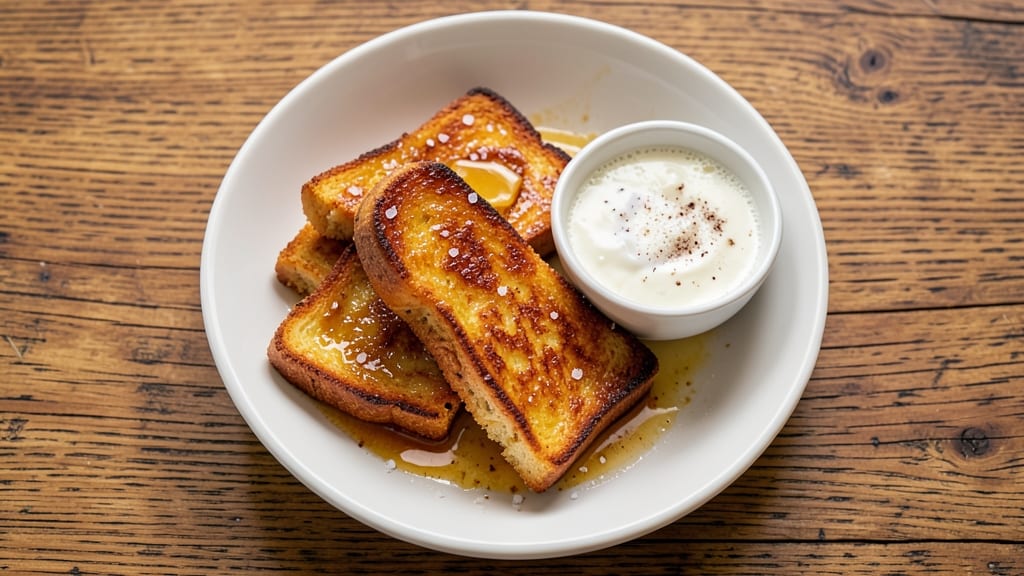
A French toast recipe uses 2 eggs to deliver that golden, buttery crust and custardy interior we all crave. The magic happens when those eggs transform stale bread into something crisp, tender, and irresistibly runny at the center.
This isn't your basic French toast—it's a restaurant-quality breakfast that starts with simple ingredients and ends with a dish that feels like a celebration.
The secret lies in the egg-to-bread ratio and how you cook it. Two eggs create the perfect custard without making the bread soggy, while a hot, buttered pan ensures that crispy exterior we love.
The key is patience—let the bread soak up the egg mixture just long enough to hold its shape, then cook it low and slow until the edges are golden and the center stays just shy of fully set.
What you'll end up with is French toast that's crisp on the outside, soft in the middle, and has that perfect balance of buttery richness and custardy sweetness. The runny yolk in the center is the real star—it coats every bite with creamy, velvety goodness.
This is the kind of breakfast that makes you want to linger at the table, savoring each bite.
Serve it warm with a drizzle of maple syrup, a dusting of powdered sugar, or fresh berries for a touch of brightness. It's a dish that works for weekend brunch or a special treat on a weeknight. Here's how to make it perfectly every time.
Ingredients for a french toast recipe uses 2 eggs
Two eggs, one loaf—turns ordinary bread into golden, custardy perfection.
| Ingredient | Amount | Notes |
|---|---|---|
| Large Eggs 🥚 | 2 whole | Room temperature preferred |
| Whole Milk 🥛 | ½ cup | Full-fat for creaminess |
| Vanilla Extract 🌿 | 1 tsp | Pure extract, not imitation |
| Granulated Sugar 🍚 | 2 tbsp | White or light brown |
| Salt 🧂 | ¼ tsp | Fine sea salt |
| Unsalted Butter 🧈 | 2 tbsp | Melted, for dredging |
| Bread Loaf 🍞 | 1 whole | Stale or day-old preferred |
| Maple Syrup 🍯 | ¼ cup | Grade B for depth |
| Powdered Sugar 🍚 | 2 tbsp | For dusting |
| Fresh Berries 🍓 | 1 cup | Optional garnish |
| Cinnamon 🌶️ | ½ tsp | Ground, for dusting |
The eggs are non-negotiable here. Room temperature eggs blend smoother—no one wants lumps in their French toast custard. Whole eggs give you that perfect balance of richness and structure; egg whites alone would make it too delicate. Grab the largest eggs you can find—they have more yolk for that runny center. The milk? Full-fat only—it's what makes the crust crisp and the interior tender. Skip the skim, trust me. For the bread, stale is better—it soaks up the egg mixture without falling apart. If your bread is fresh, toast it first to dry it out a bit.
No vanilla extract? Almond extract at half the amount works in a pinch, but vanilla is the classic choice. Running low on butter? Coconut oil melts just as nicely for dredging. The maple syrup is where you can get creative—Grade B has that smoky depth, but any good-quality syrup will do. Fresh berries? Frozen work too—just toss them in a dry pan to warm up. And if you're feeling fancy, swap the powdered sugar for a mix of powdered sugar and cinnamon—it adds a cozy spice note. The sugar? White or light brown both work, but brown adds a subtle caramel flavor if you're into that.
French toast reheats beautifully—just pop it in a 350°F oven for 10 minutes to crisp up the edges. Store leftovers in the fridge for 3 days (if they last that long). For make-ahead magic, assemble the egg mixture the night before and refrigerate it—it tastes even better the next morning. The bread? Keep it wrapped in a paper towel-lined bag to stay fresh longer. And if you're making this for a crowd, double the batch—it disappears fast.
Why You'll Love This Recipe
- Two-Ingredient Core: I swear by this combo—just eggs and milk, no fancy add-ins. The vanilla and sugar barely need measuring; a splash here, a pinch there, and you’ve got that perfect balance of custardy richness without overdoing it. (Yes, even when I’m half-asleep on a Sunday.)
- Caramelized Crunch Magic: That first golden-brown crisp? Pure reward. The sugar in the batter caramelizes just enough to give every bite a subtle sweetness, while the eggs hold it all together like a hug. No flipping required—just let the pan do the work.
- Breakfast or Brunch Hero: Serve it warm with maple syrup for a lazy weekend spread, or reheat slices for a quick weekday lunch. Honestly, I’ve even turned it into a dessert by dusting with cinnamon and serving with berries—no one bats an eye.
- Pantry-Friendly & Frugal: Uses ingredients you already own, and the ratio means less waste. Two eggs stretch further than you’d think, and the milk’s richness means you won’t need butter or oil to make it shine. My wallet—and my taste buds—thank me every time.
Step-by-step instructions for French toast with perfectly runny yolk magic
Here's how to make French toast that's crispy on the outside and oozing with golden yolk inside.
Prepare the French Toast Batter
In a medium bowl, whisk together the 2 whole Large Eggs, 0.5 cup Whole Milk, 1 tsp Vanilla Extract, 2 tbsp Granulated Sugar, and 0.25 tsp Salt until completely smooth. I like to use a fork for this—no need for a mixer. The batter should be uniform with no streaks of egg white. If you prefer extra richness, you can add a splash more milk, but the full-fat milk we're using should give you plenty of creaminess.
Let the batter sit for 5 minutes at room temperature. This resting time helps the eggs and milk come to the same temperature, which prevents the bread from absorbing too much batter all at once. You'll see the batter thicken slightly—this is normal and actually helps create that perfect crust.
Melt the Butter and Prep the Bread
Melt the 2 tbsp Unsalted Butter in a large skillet over medium heat until it's fully liquid and just starting to foam. This should take about 2-3 minutes. The butter should coat the pan evenly—if it's smoking, your heat is too high. Reduce it slightly and let the butter settle.
While the butter melts, cut the 1 whole Bread Loaf into 4 even slices, about ½-inch thick. I find using a serrated knife gives the cleanest cuts. If your bread is fresh, you might want to lightly toast the slices first to dry them out slightly—this prevents them from becoming soggy when dipped in the batter.
Dip and Cook to Golden Perfection
Dip each slice of bread into the egg mixture, allowing any excess to drip off. I like to let it soak for about 10 seconds per side—just enough to get fully coated without becoming waterlogged. Place the soaked bread in the skillet with the melted butter and cook for 2-3 minutes per side until the edges are golden brown and the underside is crispy.
Here's the thing—don't rush this step. You want the butter to bubble gently around the bread, creating that signature crispy crust. If the butter starts to burn, reduce the heat slightly and let it recover. The bread is ready when it releases easily from the pan and the underside is a deep golden color. Transfer to a plate and repeat with the remaining slices, keeping them warm in a 200°F oven if needed.
Assemble with Maple Syrup and Berries
While the French toast is still warm, drizzle each slice with 2 tablespoons of Maple Syrup (about 1 tablespoon per slice). The syrup should pool slightly in the center, creating a beautiful glaze. Sprinkle the top with a mix of 2 tbsp Powdered Sugar and 0.5 tsp Cinnamon—this adds a light dusting that balances the richness of the syrup.
Garnish with the 1 cup Fresh Berries, arranging them neatly on top or alongside the toast. The berries add a pop of color and a fresh contrast to the warm, buttery French toast. Serve immediately while the yolk is still runny and the bread is crispy—this is the moment it's at its absolute best.
Pro Tips For Making A French Toast Recipe Uses 2 Eggs
- WHISK LIKE YOU MEAN IT: Two eggs won’t give you much room for error, so beat that mixture until it’s thick and glossy—no streaks, no lumps. I used to half-ass this, and my toast came out dense. Now I whip it for 30 seconds past when it looks done, and the texture is light as a cloud.
- SALT THE MILK FIRST: Toss the pinch of salt into the milk before adding eggs. I learned this the hard way—salt in the egg mix makes it curdle when you heat it. The milk absorbs it evenly, and your toast gets that subtle, balanced flavor without turning rubbery.
- USE COLD BUTTER, LOW HEAT: Plop a pat of cold butter in the pan before the toast hits—it’ll sizzle and give you that golden crust. Then drop the heat to medium-low. I used to blast it high, and the outside burned before the inside cooked. Patience here makes all the difference.
- LET THE BREAD SOAK: Don’t rush the soaking—give those slices a solid 10 seconds per side in the egg mix. I was skeptical until I tried it: the bread absorbs just enough to stay tender without turning soggy. (Yes, even if you’re impatient like me.)
Pro cooking tips for a french toast recipe uses 2 eggs
Egg Temperature Matters
Always use room temperature eggs—they blend smoother into the milk, preventing lumps in your custard. I pull eggs from the fridge 30 minutes before starting. Cold eggs can make the batter watery, leading to soggy toast.
If you're in a rush, place eggs in warm water for 5 minutes to speed up the process. 🥚
Batter Consistency Secrets
The ideal batter should coat the back of a spoon but still drip off easily. If it's too thin, add 1 extra tablespoon of breadcrumbs (toasted for texture). Too thick? Whisk in 1 tablespoon of milk.
I test consistency by dipping a slice—if it holds its shape but doesn't drip excessively, you're golden. Let the batter rest 5 minutes before dipping for even better results.
Butter Control is Key
Use unsalted butter for precise seasoning control—salted can make your toast taste uneven. Melt it over medium-low heat until it foams but doesn't brown. If the butter starts smoking, your pan's too hot.
I like to add ½ teaspoon of vanilla extract to the melted butter for extra depth. Keep the heat consistent—fluctuations cause uneven browning.
Bread Prep Tricks
Cut bread slices ½-inch thick using a serrated knife for clean edges. For extra crispiness, lightly toast fresh bread first to remove moisture. Stale bread? Perfect—it absorbs batter better.
I recommend brioche or challah for richer flavor, but sourdough works too. Just avoid overly dense breads like whole wheat unless you like a heavier texture.
Cooking Time Precision
Cook each side for 2-3 minutes until edges are golden and butter bubbles around the edges. The center should look slightly undercooked—this ensures that runny yolk. If your toast browns too quickly, reduce heat to medium-low.
I keep cooked slices warm in a 200°F oven while finishing the batch to maintain crispiness.
Yolk Perfection Test
For that signature runny yolk, cut into a slice after cooking. If the center still has a slight wobble when you shake the plate gently, it's perfect.
Overcooking turns the yolk firm—this is the #1 mistake I see. Serve immediately with Grade B maple syrup (its smoky notes complement the richness beautifully). 💛
Nutrition facts
Frequently asked questions
Why does this recipe use only 2 eggs?
Two eggs create the perfect balance of custardy richness without making the bread soggy. The eggs bind the bread while keeping the center tender and the exterior crispy. Using more would make it too dense, while fewer wouldn't provide enough structure for that classic French toast texture.
Can I make this with fewer eggs?
You can try with just 1 egg, but the texture will be less rich and crispy. For best results, use the full 2 eggs—they're essential for that signature runny yolk and golden crust. If you're watching calories, consider using egg whites (1 cup) plus 1 whole egg for a lighter version.
What's the best bread to use?
Stale brioche or challah works perfectly—they absorb the egg mixture well while staying crispy. Fresh bread? Lightly toast it first to remove excess moisture. Avoid overly dense breads like whole wheat unless you prefer a heavier texture.
How do I get that perfect runny yolk?
Cook the bread just until the edges are golden and crispy—about 2-3 minutes per side. The center should still look slightly undercooked. Transfer to a plate and serve immediately while the yolk remains warm and runny. Overcooking will make it firm.
Can I make this ahead of time?
Assemble the egg mixture the night before and refrigerate it. The flavors meld beautifully overnight. Cook fresh in the morning for best results, but you can reheat made-ahead French toast in a 350°F oven for 10 minutes to restore crispiness.