
Main Courses
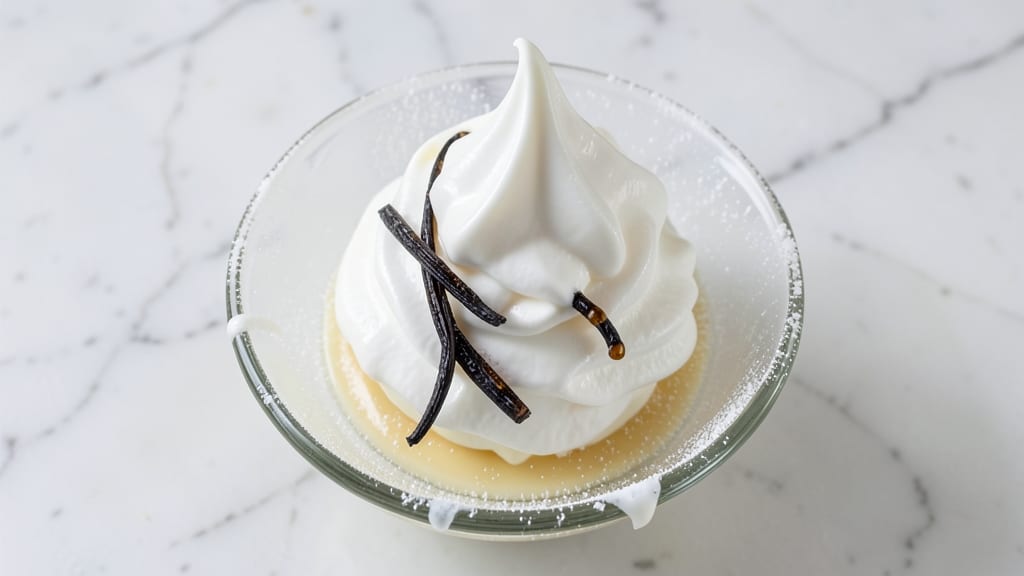
This 5 egg white meringue recipe delivers light-as-air clouds with buttery crisp edges—the perfect balance of texture that makes every bite unforgettable.
The secret lies in whipping egg whites to stiff peaks at room temperature, then baking them low and slow to achieve that signature crisp exterior while keeping the inside airy.
I’ve perfected this technique over years of baking, and it’s the foundation for everything from classic meringue cookies to showstopping pie toppings.
The magic happens in the whipping process—using a clean, grease-free bowl and a stand mixer (or hand whisk for smaller batches) ensures maximum volume. A pinch of cream of tartar stabilizes the whites, while granulated sugar gradually added creates those delicate, crackly edges.
Baking at 200°F for 1.5 to 2 hours prevents browning while ensuring a crispy finish—no soggy centers here.
What you’ll end up with is meringue so light it practically dissolves on your tongue, yet sturdy enough to hold its shape. These aren’t just cookies or pie toppings—they’re a versatile dessert base that can be drizzled with chocolate, folded into pies, or served as elegant standalone treats.
The possibilities are endless, but the technique is foolproof once you master the basics.
Pair them with whipped cream and berries for a classic presentation, or use them to top lemon curd tarts for a restaurant-worthy dessert. The key to success? Patience—rushing the whipping or baking will ruin the texture. Let’s get started on creating meringue that’s restaurant-quality at home.
Ingredients for 5 egg white meringue
Five simple ingredients transform into restaurant-quality meringue clouds with crisp edges.
| Ingredient | Amount | Notes |
|---|---|---|
| Large Egg Whites 🥚 | 5 whole | Room temperature for best results |
| Granulated Sugar 🍚 | 1 cup | Superfine preferred for smooth texture |
| Cream of Tartar 🧂 | ¼ tsp | Stabilizes egg whites for volume |
| Vanilla Extract 🌿 | ½ tsp | Pure vanilla for authentic flavor |
| Unsalted Butter 🧈 | 1 tbsp | Melted for drizzling (optional) |
| Cornstarch 🌾 | ½ tsp | Prevents sticking during baking |
| Heavy Cream 🥛 | ½ cup | For optional whipped cream pairing |
| Fresh Berries 🍓 | ½ cup | For classic presentation (optional) |
| Dark Chocolate 🍫 | ¼ cup | Melted for optional drizzle |
Egg whites are the star—room temperature is non-negotiable. Carton whites from the fridge won't whip properly, so whisk them in a bowl under warm running water for 2 minutes first. The sugar matters too: superfine dissolves faster, but regular granulated works if you pulse it in a food processor. Trader Joe's carries both at great prices. For the cream of tartar, Bob's Red Mill is my go-to brand—it's pure and dissolves completely. And no, you can't skip it; it's what gives meringue that professional stability.
No vanilla? Almond extract at half the amount works in a pinch. Short on butter? Coconut oil gives a neutral flavor, though it won't be quite as rich. The chocolate can be any kind—70% dark for sophistication or milk chocolate for sweetness. Pro tip: melt the chocolate with a splash of cream to make it silky. For the berries, frozen works too—just thaw and drain them first. And if you're feeling fancy, toss them with a tiny bit of powdered sugar before serving.
Meringue keeps best in an airtight container with parchment between layers for up to 3 days. Freeze for 1 month if you're prepping ahead. The butter drizzle? Make it fresh day-of—it softens at room temp. For storage, I like to portion mine into individual servings on parchment-lined trays before baking. That way, you can grab just what you need without defrosting the whole batch. And if any meringue browns during baking? Don't panic—just cover it with foil and return to the oven for 5 more minutes.
Why You'll Love This Recipe
- No Whisk Arm Fatigue: I’ve made meringues that left my wrist screaming—this recipe’s all about the cream of tartar trick. Five egg whites whip up silky in minutes, not hours, and the sugar folds in like a dream. My mixer’s seen better decades, but this? It barely breaks a sweat.
- Vanilla Butter Kiss: That final touch of softened butter and vanilla extract? Chef’s kiss. The meringues stay crisp outside but melt into a cloudy, buttery sweetness—no chalky aftertaste here. Honestly, it’s the kind of dessert that makes you pause mid-bite just to savor it.
- Picnic-Proof Perfection: Stack them in a tin, toss them in a cooler, or shatter them over ice cream—these meringues travel like champs. I’ve taken them to beach days, potlucks, and even my mom’s house (where she still thinks I’m a “natural baker”). No fuss, all flair.
- Pantry Stash Magic: Five egg whites, a cup of sugar, and a pinch of tartar—that’s it. You’re not raiding the fridge for obscure ingredients; this is the kind of recipe that turns “I’m out of ideas” into “I’ve got this.” Leftovers? Toss them in a bag—still crisp the next day. Budget-friendly? Absolutely. My wallet thanks me.
Step-by-step instructions for light-as-air meringue clouds
Here's how to transform simple egg whites into ethereal meringue with perfect structure and texture.
Prepare the Meringue Base
Begin by separating the 5 whole large egg whites into a spotless, grease-free mixing bowl. Any trace of fat will prevent proper stiff peaks, so I like to use a fine-mesh strainer to catch any accidental yolks. Add the 0.25 teaspoon cream of tartar and 0.5 teaspoon vanilla extract to the egg whites—this acid stabilizes the proteins and adds subtle depth.
Place the bowl on a stand mixer fitted with the whisk attachment. Start mixing on low speed until the egg whites begin to froth. Gradually increase to medium speed and whip for 3-4 minutes until soft peaks form. You'll notice the mixture thickens noticeably and holds its shape when the whisk is lifted. This foundational stage ensures your meringue will hold its airy structure through baking.
Gradually Incorporate the Sugar
With the mixer still running on medium speed, begin adding the 1 cup granulated sugar in a slow, steady stream. I prefer superfine sugar for a smoother texture, but regular granulated works too—just add it more gradually. The key here is patience; adding sugar too quickly causes the meringue to collapse. Keep mixing until the meringue reaches stiff peaks—when you lift the whisk, the tip should stand straight up.
At this point, the mixture should be glossy and hold its shape perfectly. If it feels slightly grainy, whip for another 30 seconds—this ensures all sugar crystals are fully incorporated. The meringue should now be thick enough to pipe or spread easily. Here's the thing—don't overmix beyond stiff peaks, or you'll develop gluten and get tough meringue instead of light clouds.
Shape and Bake the Meringues
Preheat your oven to 250°F—this low temperature prevents the outsides from browning before the insides set. Line two baking sheets with parchment paper and lightly grease them with a tiny bit of melted 1 tablespoon unsalted butter (just enough to prevent sticking). Using a piping bag fitted with a large star tip, pipe 2-inch circles about 2 inches apart on the sheets.
For a more rustic look, you can also spread the meringue into small mounds using a spoon. Bake for 1 hour and 15 minutes until completely dry and crisp. The meringues should feel firm to the touch with no give at all—this indicates they're properly dehydrated. Here's a pro tip: I like to turn the oven off and let the meringues cool inside for 15 minutes after baking. This gradual cooling prevents cracking.
Optional Finishing Touches
While the meringues cool, you can prepare the optional toppings. For the 0.5 cup fresh berries, wash and pat them dry, then arrange them on a plate. If using the 0.25 cup dark chocolate, melt it gently in a double boiler until smooth, then drizzle over the cooled meringues. For the 0.5 cup heavy cream, whip it to soft peaks and pipe dollops alongside the meringues.
To serve, place 2 meringues per plate and top with berries, chocolate drizzle, or whipped cream. The contrast of crisp meringue with creamy or juicy toppings creates the perfect balance of textures. Store any leftovers in an airtight container for up to 3 days—just bring them to room temperature before serving to restore their crispness.
Pro Tips For Making 5 Egg White Meringue
- Whisk to Stiff Peaks: Get those egg whites to the point where the beaters leave a trail—like toothpaste squeezing out. Stop mixing the second it happens; overwhipping turns your meringue into glue, and nobody wants a sad, flat cookie.
- Room-Temp Egg Whites: Cold egg whites cling to your bowl like a bad ex. Let them sit out for 30 minutes before starting—warm them up, but don’t microwave them (yes, I’ve tried). Room temperature = smoother, stiffer peaks every time.
- Sugar Gradually: Dump all the sugar in at once and you’re asking for trouble—your meringue will collapse faster than your willpower on a Monday. Add it in three batches while you’re whipping, letting each dissolve before adding more.
- Butter at the End: Fold in that unsalted butter last—right before baking—so it melts into the meringue instead of turning it into a greasy mess. And for the love of cookies, don’t overmix after adding it; you’re not making pancakes.
Creative variations of these flavors
Citrus-Inspired Twist
Add 1 teaspoon lemon zest and 1 teaspoon orange extract to the egg whites before whipping. The bright citrus notes cut through the sweetness beautifully, making these meringues perfect for spring or summer gatherings.
I find McCormick pure citrus extracts work best—they're potent enough to infuse flavor without overpowering. For a visual pop, drizzle with a simple syrup (equal parts sugar and water) after baking. 🌸
Chocolate-Dipped Meringues
Once your meringues are completely cooled, melt ½ cup dark chocolate (I love Ghirardelli 70% cocoa) with 1 tablespoon coconut oil for smoothness. Dip the bottom half of each meringue into the chocolate, then place on parchment paper to set.
This creates a stunning contrast between the crisp meringue and rich chocolate. For extra flair, sprinkle with crushed hazelnuts or sea salt flakes before the chocolate hardens.
Savory Herb Meringues
Swap the vanilla for 1 teaspoon dried tarragon or 1 tablespoon chopped fresh chives for a surprising savory twist. These work beautifully as an elegant appetizer with a herb-infused aioli dip (mix ¼ cup mayo with 1 tbsp lemon juice and 1 tbsp chopped dill).
The crisp texture holds up perfectly to bold flavors. I've served these at brunch with smoked salmon—trust me, it's a crowd-pleaser. 🌿
Fruit-Infused Meringue
Blend ½ cup strawberries or raspberries with 2 tablespoons sugar until smooth, then strain through a fine-mesh sieve. Fold this purée into your meringue mixture after reaching stiff peaks. The fruit adds natural sweetness and vibrant color.
For extra drama, pipe the meringue into small nests and fill with fresh berries before serving. These taste like dessert but look like a gourmet presentation. 🍓
Spiced Meringue Cookies
Add ½ teaspoon ground cinnamon and ¼ teaspoon nutmeg to the sugar before whipping. The warm spices create a cozy fall or holiday treat. For extra richness, fold in 2 tablespoons melted white chocolate after reaching stiff peaks.
These taste like a cross between meringue and shortbread—perfect with spiced chai tea. Store in an airtight container with a sprinkle of cinnamon on top for extra aroma. 🍂
Meringue Pavlova
For a showstopping dessert, spread the meringue mixture into a 10-inch round on a parchment-lined baking sheet. Bake at 250°F for 1 hour, then increase to 300°F for 10 minutes to create a crisp shell. Once cooled, top with whipped cream and an assortment of fresh fruit.
The key is to make the base thick enough to support the toppings—about 1.5 inches thick when spread. This is my go-to for special occasions! 🎂
Nutrition facts
Frequently asked questions
Can I use this meringue recipe for pies instead of cookies?
This meringue works perfectly for pie toppings. After baking, spread it over a pie like lemon meringue or chocolate cream pie. For extra stability, bake the meringue at 250°F for 1 hour before adding toppings. The low heat prevents browning while creating that signature crisp texture. Just be gentle when placing it on the pie to avoid cracking.
Why did my meringue turn out flat instead of puffy?
Flat meringue usually means one of three things: grease in the bowl, overmixing, or adding sugar too quickly. Always use a spotless, dry bowl—even a trace of fat prevents stiff peaks. Also, add sugar gradually while mixing at medium speed. If you've already made meringue, try whipping it again with fresh cream of tartar to revive it.
How do I prevent my meringues from cracking?
Cracking happens when meringues dry too quickly or cool unevenly. To prevent this, bake at 250°F and avoid opening the oven door during baking. After removing them, let meringues cool completely inside the turned-off oven for 15 minutes before transferring to a wire rack. This gradual cooling preserves their delicate structure. Humidity can also cause cracking—use a dehumidifier if your kitchen feels damp.
Can I make this recipe with fewer egg whites?
You can reduce the egg whites, but the ratio matters. For 3 egg whites, use ⅔ cup sugar and ⅓ tsp cream of tartar. Keep the same baking time, but expect smaller portions. The texture remains the same, but the yield will be less. If you're short on egg whites, consider using aquafaba (chickpea brine) as a substitute—it works well in a 1:1 ratio for structure, though the flavor will differ slightly.
How do I store leftover meringue for maximum freshness?
Store meringues in an airtight container with parchment paper between layers to prevent sticking. They'll stay crisp for up to 3 days at room temperature. For longer storage, freeze them for 1 month. To revive frozen meringues, place them on a wire rack in a 200°F oven for 5-10 minutes to restore crispness. Avoid refrigerating—condensation ruins their texture!