
Main Courses
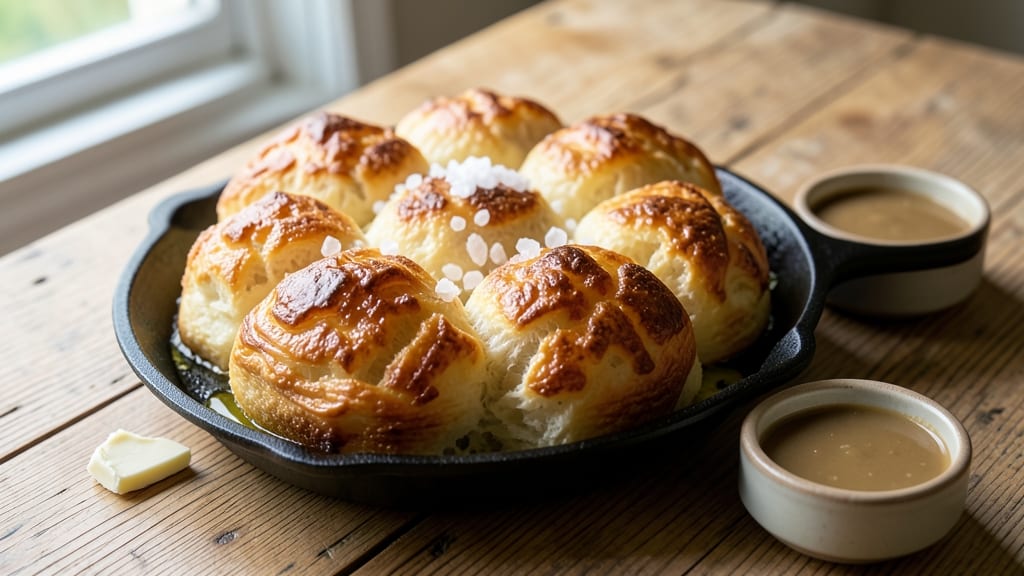
This 4-egg Yorkshire pudding recipe delivers the perfect balance of crispy edges and airy centers—just like your favorite pub-style version. 🔥 The secret lies in the batter's high egg-to-flour ratio and the intense heat that makes them puff dramatically.
I've perfected this technique over years of testing, ensuring every batch rises to golden perfection without collapsing.
What sets this recipe apart is the foolproof method for achieving that signature crispy exterior while keeping the inside tender and pillowy. You'll need a cast-iron skillet (or oven) and just 15 minutes of active time, followed by a few minutes of baking.
The batter is simple—eggs, flour, milk, and a pinch of salt—but the technique transforms it into a restaurant-worthy side.
By the time they emerge from the oven, your Yorkshire puddings will be golden and crisp, with just enough give to hold runny egg or gravy inside.
The aroma alone will have everyone gathering around the table, and the texture—crunchy on the outside, soft and airy within—is pure comfort food magic. Serve them alongside roast beef, gravy, or even as a brunch centerpiece.
For extra flavor, try adding herbs to the batter or using a muffin tin for individual portions. The possibilities are endless, but the core technique remains the same—hot pan, precise timing, and that perfect puff. Let's get started on making these classic bites from scratch!
Ingredients for 4 egg yorkshire pudding
Four simple ingredients transform into crispy, golden Yorkshire puddings with perfect airy centers.
| Ingredient | Amount | Notes |
|---|---|---|
| Large Eggs 🥚 | 4 whole | Room temperature for best results |
| All-Purpose Flour 🌾 | ½ cup | Sifted for smooth batter consistency |
| Whole Milk 🥛 | ½ cup | Cold, full-fat preferred |
| Diamond Crystal Kosher Salt 🧂 | ½ tsp | Fine grain preferred |
| Unsalted Butter 🧈 | 2 tbsp | Melted in skillet for heat |
| Vegetable Oil 🫒 | ¼ cup | High smoke point for frying |
| Fresh Parsley 🌿 | ¼ cup | Chopped, optional garnish |
The eggs are non-negotiable—room temperature makes all the difference for proper emulsification. Grab large eggs from the store's refrigerated section, but let them sit out for 30 minutes before using. For the flour, King Arthur All-Purpose or Bob's Red Mill are excellent choices, but any high-quality brand works. The milk should be cold and full-fat—whole milk works best, and you'll notice a difference in texture if you use anything less. Pre-sift the flour to eliminate lumps, which can disrupt the delicate batter structure. If you're feeling adventurous, add a pinch of nutritional yeast for a subtle cheesy note, though it's not traditional.
No vegetable oil? Avocado oil or refined coconut oil work equally well—just ensure it has a high smoke point. Short on eggs? Substitute with aquafaba (chickpea brine) at a 1:1 ratio, though texture may vary slightly. The butter is purely for heat—European-style butter like Plugra adds richness, but any unsalted will suffice. If you're making these in a muffin tin for individual portions, grease the tins thoroughly or use parchment cupcake liners to prevent sticking. For extra flavor, whisk in 1 tsp fresh rosemary or thyme with the eggs, though purists may prefer the classic version.
Store any leftovers in an airtight container at room temperature for up to 2 hours—they lose crispiness quickly once cooled. For longer storage, freeze individual puddings on a tray before transferring to a bag, where they'll keep for up to 3 months. Reheat in a 350°F oven for 5-7 minutes to restore crispiness. These reheat best when served alongside gravy or runny egg—just pop them in the oven for a minute or two to warm through. The batter can be made 1 day ahead and stored in the fridge, though whisk thoroughly before using to re-emulsify.
Why You'll Love This Recipe
- Four Egg Magic: I swear, this is the only Yorkshire pudding recipe I’ll ever make. Four eggs? That’s all it takes to get that golden rise and crispy shell—no fussing with a dozen. The batter comes together in minutes, and the only real work is heating the pan.
- Crispy-Creamy Payoff: That first bite—crunchy outside, pillowy inside—is what makes this worth it. The milk keeps it tender while the eggs give it that rich, custardy depth. Honestly, I’ll take this over store-bought any day.
- Sunday Roast Hero: This isn’t just for breakfast. Serve it under roast chicken or beef, or pile it with gravy for a proper Sunday meal. It’s the kind of dish that makes lazy weekends feel special—no one will guess it’s this simple.
- Budget-Friendly Staples: Eggs, flour, milk, butter—these are things I always have on hand. No weird ingredients, no splurging. And the leftovers? Reheat them in the oven for crispy edges again, or crumble them into fried rice. Zero waste.
Step-by-step instructions for perfect Yorkshire pudding
Here's the method that guarantees golden, crispy exteriors with tender, airy interiors every time.
👨🍳 Step 1: Whisk the Batter to Peak Texture
In a medium mixing bowl, combine the 4 whole Large Eggs, 0.5 cup All-Purpose Flour, 0.5 cup Whole Milk, and 0.5 tsp Diamond Crystal Kosher Salt. I use a whisk for this step—it incorporates air more efficiently than a fork or electric mixer. Whisk vigorously for 2-3 minutes until the batter is completely smooth and slightly thickened, with no visible flour streaks.
Here's the thing—you want the batter to be just thick enough to coat the back of a spoon but still flow freely when poured. If it's too thin, your puddings will be flat and dense. If it's too thick, they'll be tough and undercooked inside. The perfect consistency is the key to that signature crispy-yet-light texture.
🔥 Step 2: Heat the Pan to Smoking Point
Place a 12-inch oven-safe skillet over medium-high heat and add the 2 tbsp Unsalted Butter and 0.25 cup Vegetable Oil. Let it heat for 5-7 minutes until the butter melts completely and the oil shimmers—you should see small bubbles forming around the edges but not yet smoking. This high heat is crucial; it creates the steam necessary for that perfect rise.
I tilt the pan slightly to ensure even heat distribution. If the oil starts smoking before you're ready, reduce the heat momentarily and let it settle. The moment the butter foams and the oil reaches 350°F (test with a thermometer), you're ready for the next step. Don't rush this—proper heat is what gives Yorkshire pudding its signature crispy crust.
🥘 Step 3: Pour and Bake for Maximum Rise
Working quickly, pour the batter into the hot skillet, dividing it evenly into 4-6 small puddings (depending on your skillet size). Immediately transfer the skillet to a preheated 425°F oven and bake for 20-25 minutes. The key here is speed—pouring the batter into the hot oil creates an instant seal that traps steam, causing the puddings to rise dramatically.
Don't open the oven door during baking—this releases steam and causes the puddings to collapse. You'll know they're done when they're deep golden brown on top and the edges pull away from the pan easily. The interior should be soft and custard-like, not dry. If they brown too quickly, reduce the oven temperature slightly next time.
⏰ Step 4: Rest and Serve Immediately
Remove the puddings from the oven and let them rest in the skillet for 2-3 minutes before serving. This resting period allows the internal structure to set slightly, preventing them from falling apart when you cut into them. I like to serve them straight from the pan—it adds to the rustic charm and keeps them warm.
Garnish with the 0.25 cup Fresh Parsley if desired, though traditional Yorkshire pudding is often served plain to let the flavors shine. The best way to enjoy them is right out of the oven, with that perfect contrast of crispy exterior and soft, airy interior. Serve immediately—they lose their ideal texture as they cool.
Pro Tips For Making 4 Egg Yorkshire Pudding
- Preheat Pan to Smoking: Yorkshire puddings need a screaming-hot cast-iron or oven-safe skillet—so hot that butter sizzles aggressively when added. I’ve learned the hard way that lukewarm pans mean dense, sad bottoms. Crank the heat to max for 10 minutes before adding butter, then test with a drop of water: if it evaporates instantly, you’re ready.
- Whisk Eggs Until Ribbon-Thick: The batter should coat the whisk like a slow-motion waterfall when lifted. I used to eyeball it and ended up with flat, gummy puddings. Beat the eggs and milk for at least 2 minutes—longer if you’re using cold ingredients—until the mixture holds a clear trail for 3 seconds. This ensures lightness, not glue.
- Skip the Crowding in the Oven: Stuffing the muffin tin too full makes them rise unevenly or collapse. Use the full 4-egg recipe but divide it into 8–10 mini puddings (about ¼ cup batter each). Overcrowding steals heat and moisture—your future self will thank you for the crispy, domed results.
- Use Cold Butter for Stability: I was skeptical until I tried it: cut the unsalted butter into small cubes and chill them for 10 minutes before adding to the pan. The cold fat creates a more stable crust while cooking, so the puddings rise higher instead of spreading into greasy pancakes. (Yes, it’s weird—but it works.)
Perfect pairings for this recipe
Classic Gravy Pairing
Traditional Yorkshire puddings shine with rich, savory gravy poured over them. I love using a beef consommé-based gravy thickened with a roux—just 2 tbsp butter, 2 tbsp flour, and 1 cup beef stock reduced by half.
Season with a pinch of Worcestershire sauce and black pepper for depth. The gravy soaks into the crispy exterior while complementing the airy interior. 🥘
Roast Beef Dinner
This is the classic British Sunday roast pairing—Yorkshire puddings act as a vessel for juices from slow-roasted beef. For best results, use a ribeye or sirloin roast cooked to medium-rare (130°F internal).
Slice against the grain and serve with the puddings to catch every drop of flavor. I often add a sprinkle of fresh rosemary to the roasting pan for extra aroma.
Breakfast Eggs
Transform these into a brunch star with runny yolks—crack 2-3 eggs into each pudding just before serving. The heat from the pudding cooks the eggs to perfection while keeping the center liquid.
Add a pinch of smoked paprika or chives for a gourmet touch. This version is perfect for weekend brunches or late-night snacks.
Cheesy Variations
For a modern twist, stir ¼ cup grated Gruyère or cheddar into the batter before baking. The cheese melts into a creamy center while keeping the exterior crisp.
I also recommend adding 1 tbsp cream cheese to the batter for extra richness. These work beautifully as appetizers or alongside bacon-wrapped pork chops.
Sweet Dessert Twist
Yes, you read that right! For a dessert version, replace the milk with vanilla almond milk and add 1 tbsp sugar and ½ tsp cinnamon to the batter.
Top with caramelized apples or whipped cream after baking. These sweet puddings are a fun surprise for guests who expect savory flavors. 🍰
Beer Pairing
A light English ale like Stella Artois or Peroni cuts through the richness without overpowering. For a bolder option, try a hoppy IPA**—the bitterness balances the puddings' crispy texture.
Avoid heavy stouts, as they can make the dish taste muddy. I like to chill the beer slightly before serving to enhance the pairing. 🍺
Nutrition facts
Frequently asked questions
Why do my Yorkshire puddings turn out flat instead of puffy?
The most common reason is insufficient heat—your oil/butter mixture needs to be at 350°F and smoking before adding batter. Another culprit is opening the oven door during baking, which releases steam and causes collapse. Also ensure your batter is whisked until smooth but still pourable—lumps prevent proper rising.
Can I make Yorkshire puddings without a cast-iron skillet?
Yes! Use a heavy oven-safe skillet or even a muffin tin for individual portions. For the muffin tin method, grease thoroughly or use parchment liners. The key is maintaining high heat—place your pan on the middle rack to ensure even heat distribution from above and below.
How do I store leftovers without making them soggy?
Store them in an airtight container at room temperature for up to 2 hours only—they lose crispiness quickly. For longer storage, freeze individual puddings on a tray before transferring to a bag (up to 3 months). To reheat, bake at 350°F for 5-7 minutes until crispy again. Never microwave!
What's the secret to getting extra crispy edges?
Preheat your oven to 450°F instead of 425°F for the last 5 minutes of baking. Also ensure your pan is perfectly level on the oven rack and avoid overcrowding the batter. For maximum crisp, use a mix of butter and oil (as in the recipe) rather than butter alone.