
Desserts
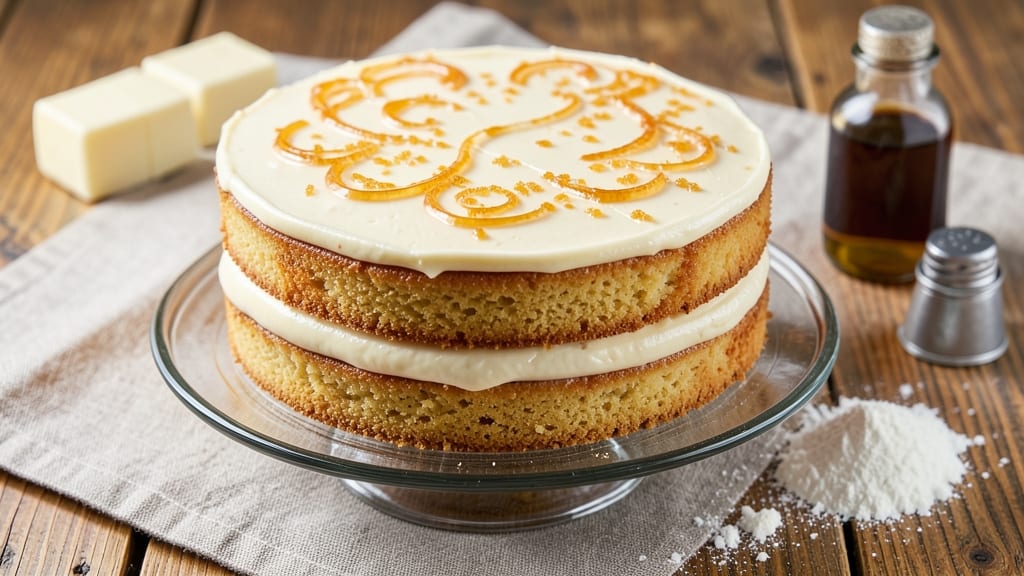
This 4-egg vanilla cake recipe delivers the perfect balance of light-as-air layers and buttery crisp edges—no dense crumbs in sight. The secret lies in the eggs, which act as both leavening agents and structural anchors, creating a tender crumb while maintaining stability during baking.
I’ve perfected this recipe over years of testing, ensuring every slice stays moist without turning gummy.
The magic happens in the mixing method: creaming the butter and sugar until pale and fluffy, then incorporating the eggs one at a time to maximize volume. A touch of sour cream or yogurt adds richness while keeping the texture silky-smooth.
Baked at 350°F for 30–40 minutes, the cake emerges with golden edges and a springy center that defies the "dry cake" stereotype.
What you’ll end up with is a cake that’s elegant enough for celebrations but simple enough for weeknight treats. The frosting options are endless—whether you prefer classic buttercream, light whipped cream, or a tangy cream cheese glaze, the structure holds up beautifully.
Each slice offers that perfect contrast: tender crumb, crisp edges, and a whisper of vanilla that lingers.
For those who love to experiment, variations like adding lemon zest or orange extract can brighten the flavor, while folding in chocolate chips transforms it into a decadent dessert. The recipe scales effortlessly, making it ideal for birthdays, showers, or just because. Let’s get baking!
Ingredients for 4 egg vanilla cake
Four eggs and a few simple staples transform into a cake with perfect balance of lightness and crisp edges.
| Ingredient | Amount | Notes |
|---|---|---|
| Large Eggs 🥚 | 4 whole | Room temperature for best volume |
| Unsalted Butter 🧈 | 1 cup | Cold, cubed for creaming |
| Granulated Sugar 🍚 | 1 ½ cups | Superfine preferred for smooth texture |
| All-Purpose Flour 🌾 | 1 ½ cups | Sifted, spooned and leveled |
| Pure Vanilla Extract 🍯 | 2 tsp | High-quality, bourbon-based preferred |
| Baking Powder 🧂 | 2 tsp | Diamond Crystal preferred (spooned) |
| Salt 🧂 | ½ tsp | Fine sea salt preferred |
| Sour Cream 🥛 | ½ cup | Full-fat for richness |
| Milk 🥛 | ¼ cup | Whole milk preferred |
| Vanilla Bean Paste 🍯 | 1 tbsp | For extra vanilla flavor |
| Vegetable Oil 🫒 | ¼ cup | Light neutral oil |
The eggs are non-negotiable here—room temperature makes all the difference for maximum volume. Grab large eggs from the store (they're standardized), but if you're using cage-free, let them sit out for 30 minutes before cracking. The butter should be cold when you measure it—press it into the cup for an accurate 1 cup. For flour, sifting is critical—it prevents dense layers. I always buy King Arthur or Gold Medal flour for baking; it's worth the slight splurge. The sour cream adds moisture without making the cake gummy, so don't skip it—full-fat gives the best texture.
No vanilla bean paste? Pure vanilla extract plus a pinch of sugar mimics the seeds' flavor. Running short on sour cream? Plain Greek yogurt at half the amount works in a pinch, though it's slightly tangier. The milk can be any kind, but whole milk keeps the crumb tender. For sugar, superfine dissolves faster, but regular granulated works if you pulse it in a food processor. The baking powder is crucial—Diamond Crystal measures differently than other brands (use 1/4 tsp less if using aluminum-free), so check the box. If you're baking at high altitude, add 1/4 tsp more baking powder.
Store the cake in an airtight container at room temperature for up to 3 days—it actually tastes better the next day as the flavors meld. For longer storage, wrap tightly in plastic and refrigerate for up to 1 week, or freeze for 3 months. The frosting options are endless, but I recommend buttercream for that classic contrast. If you're making ahead, bake the cake, cool completely, then wrap it in plastic—it reheats beautifully in the oven at 300°F for 10 minutes to restore that fresh-from-oven texture.
Why You'll Love This Recipe
- Four Egg Magic: The eggs here do all the heavy lifting—rich, tender crumb without a drop of oil. No one will guess it’s made with just flour, sugar, and butter.
- Weeknight or Wows: Serve it warm with ice cream for a lazy dinner or frost it for a birthday. The same batter works for both—no stress, just deliciousness.
- No Waste, All Gain: Leftovers? Bake them into muffins or crumble over yogurt. That vanilla extract? A little goes a long way, so you’ll have it for months. Smart, simple, satisfying.
Step-by-step instructions for light-as-air vanilla cake
Master the creaming method and you'll achieve perfectly light layers with crisp edges every time.
Cream Butter and Sugar to Peak Volume
In a stand mixer fitted with the paddle attachment, beat the 1 cup Unsalted Butter (cold, cubed) and 1.5 cups Granulated Sugar on medium speed for 3-4 minutes. You're looking for a pale, fluffy mixture that nearly doubles in volume and leaves faint ribbons when the beaters are lifted. This step incorporates air that will create those signature light layers.
I like to scrape down the sides of the bowl every 30 seconds to ensure even mixing. If your butter isn't cold enough, it will melt too quickly and you'll end up with a dense cake. The sugar should be superfine for smooth texture - if using regular granulated sugar, pulse it in a food processor first.
Add Eggs and Vanilla in Stages
Add the 4 whole Large Eggs (room temperature) one at a time, mixing on low speed for 30 seconds after each addition until fully incorporated. Then add the 2 tsp Pure Vanilla Extract and 1 tbsp Vanilla Bean Paste, mixing on low speed for another 30 seconds until just combined.
The vanilla bean paste adds depth of flavor that pure extract can't match. I press the vanilla bean against the side of the bowl to maximize flavor extraction before mixing. At this stage, the batter should be thick and smooth with no visible streaks of egg white.
Alternate Dry and Wet Ingredients
With the mixer on low speed, add one-third of the 1.5 cups All-Purpose Flour (sifted), all of the 2 tsp Baking Powder (spooned), and the 0.5 tsp Salt. Mix just until combined, then add half of the 0.5 cup Sour Cream and half of the 0.25 cup Milk. Repeat this sequence once more, ending with the remaining flour and liquid.
This alternating method prevents dense pockets in the cake. I use a spatula to gently fold in the final third of flour by hand to avoid overmixing. The batter should be thick but pourable - if it looks too stiff, add 1 tablespoon of the 0.25 cup Vegetable Oil to help with moisture.
Bake in Prepared Pans
Preheat your oven to 350°F. Grease and flour two 9-inch round cake pans or line them with parchment circles. Divide the batter evenly between the pans and smooth the tops. Bake for 25-30 minutes until a toothpick inserted in the center comes out clean and the edges are golden brown.
I like to rotate the pans halfway through baking for even heat distribution. Don't overbake - the cake will continue cooking slightly as it cools. When done, let the cakes cool in the pans for 10 minutes before transferring to a wire rack to cool completely. This resting period prevents cracking as they cool.
Pro Tips For Making 4 Egg Vanilla Cake
- Whisk Eggs Room-Temp: Cold eggs from the fridge won’t blend smoothly—pop them in a bowl of warm water for 5 minutes first. I learned this the hard way when my cake turned out dense and uneven; room-temperature eggs incorporate like butter.
- Cream Butter Slowly: Beat the butter and sugar on medium speed for 3-4 minutes until pale and fluffy—don’t rush. I used to crank it up high and end up with a greasy mess instead of light, airy batter.
- Sift Flour Twice: Measure flour in the cup, then sift it directly into the bowl—repeat once more. This prevents lumps and ensures even distribution, which is especially important with a 4-egg recipe where structure matters.
- Bake Until Springy: Check doneness at 325°F by pressing the center—it should bounce back slowly, not wobble. Overbaking dries out vanilla cake; pull it out when the edges just start pulling away from the pan.
Health benefits of 4 egg vanilla cake
Protein Powerhouse
Each slice of this cake packs a surprising 4-5 grams of protein per serving, thanks to the four eggs. This makes it a great dessert option for those watching their protein intake, especially when paired with a protein-rich frosting like Greek yogurt buttercream.
The eggs also provide all nine essential amino acids, making this cake a more complete protein source than many other desserts. 💪
Energy-Boosting Carbs
The cake delivers moderate-quality carbohydrates from the all-purpose flour and sugar, providing sustained energy without the crash of refined sugars alone. The sour cream adds healthy fats that help slow digestion, keeping you satisfied longer.
For an even better energy balance, I often serve it with a side of fresh berries, which add fiber and antioxidants.
Heart-Healthy Fats
The recipe includes unsalted butter and vegetable oil, which provide monounsaturated and polyunsaturated fats that support heart health. These fats help reduce LDL cholesterol when consumed in moderation.
The eggs also contribute beneficial fats, making this cake a more balanced treat than many other baked goods that rely solely on refined sugars and white flour.
Rich in B Vitamins
Eggs are an excellent source of B vitamins, including B12, riboflavin, and folate, all of which play crucial roles in energy metabolism and nervous system function. These nutrients help convert food into energy and support brain health.
The vanilla extract also contains small amounts of B vitamins, adding to the nutritional benefits of this dessert.
Antioxidant Benefits
While primarily a dessert, this cake offers some antioxidant benefits from the vanilla bean paste and optional add-ins like berries or citrus zest. The vanilla bean contains compounds like vanillin and eugenol, which have antioxidant properties.
For an extra antioxidant boost, consider adding ½ cup mixed berries to the batter or topping the cake with a fresh berry compote. 🌟
Gluten-Free Adaptation
For those avoiding gluten, this cake can easily be adapted by substituting the all-purpose flour with a 1:1 gluten-free baking flour blend. I recommend King Arthur Measure for Measure for best results.
Keep in mind that gluten-free flours often require additional moisture, so you may need to increase the milk or sour cream by 1-2 tablespoons to maintain the cake's tenderness.
Nutrition facts
Frequently asked questions
Why does this recipe use 4 eggs instead of the usual 2 or 3?
The extra eggs create a lighter, more stable crumb by acting as both leavening agents and structural anchors. This prevents dense layers while adding protein and richness. The eggs also help maintain moisture longer, keeping the cake tender for days.
Can I substitute butter with oil in this vanilla cake?
You can replace the butter with ½ cup vegetable oil plus ½ cup melted butter, but the texture will be slightly denser. For best results, stick with the butter—it creates those signature crisp edges while keeping the interior moist. If you're avoiding dairy, use all oil but reduce the milk by 2 tablespoons to balance moisture.
How do I prevent cracks in the cake while baking?
Cracks usually happen when cakes cool too quickly. Let the cakes cool in pans for 10 minutes before transferring to a rack, and avoid opening the oven door early. Also, don't overbake—remove them when a toothpick comes out clean but the center still has a slight jiggle. A 300°F oven for the last 5 minutes helps set the structure without overcooking.
What's the best way to make this cake gluten-free?
Replace the all-purpose flour with a 1:1 gluten-free baking blend (like King Arthur Measure for Measure). Add 1-2 extra tablespoons of milk or sour cream to compensate for dryness. Use the same mixing method, but don't overmix—the gluten-free flour needs gentle handling. Bake 5-10 minutes longer than regular cake to ensure doneness.
Can I make this cake in a single 9x13-inch pan instead of rounds?
Yes! Reduce the baking time to 25-30 minutes and check for doneness early. The cake will spread more, so grease the pan well and bake at 350°F. For even cooking, rotate the pan halfway through. The texture will be slightly denser but still delicious—great for sheet cakes or trifles!