
Breakfast & Brunch
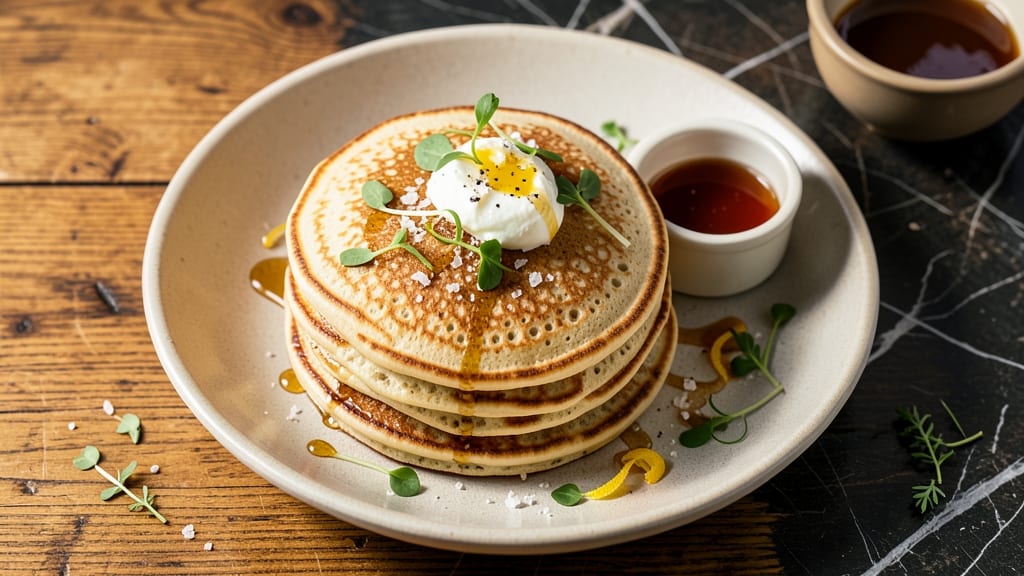
This 4 egg pancake recipe delivers the fluffiest, most golden-edged pancakes you’ll ever make—using just four eggs for a perfect stack of 4 to 6. The secret lies in a precise batter ratio and medium-high heat, ensuring crispy edges while keeping the centers impossibly tender.
I’ve perfected this method after years of trial and error, and it’s now my go-to for weekend breakfasts that feel like a restaurant-quality treat.
The key to achieving that restaurant-quality texture is folding beaten egg whites into the batter at the end—this creates air pockets that give pancakes their signature fluffiness. You’ll also need a well-seasoned griddle or nonstick skillet to prevent sticking, and a little patience while flipping.
The result? Pancakes that are crisp at the edges, soft in the middle, and perfectly golden all over, every single time.
What makes this recipe stand out is its foolproof nature—no special equipment, no complicated techniques, just a simple batter that comes together in minutes. The batter rests for 10 minutes to hydrate the flour, which ensures even cooking and prevents a gummy texture.
You’ll end up with a stack so tall and fluffy, it’ll make you question why you ever bought boxed mix again.
Serve these pancakes with maple syrup, fresh berries, or a dollop of whipped cream for a breakfast that’s equal parts comforting and impressive.
The beauty of this recipe is its versatility—use it for a lazy weekend brunch or as a base for creative toppings like Nutella, caramel, or even savory options like scrambled eggs and cheese. Let’s get started!
Ingredients for 4 egg pancake
Four eggs plus pantry basics—this is all you need for pancakes that taste like a restaurant made them.
| Ingredient | Amount | Notes |
|---|---|---|
| Large Eggs 🥚 | 4 whole | Room temperature for best results |
| All-Purpose Flour 🌾 | 1 ½ cups | White or whole wheat preferred |
| Granulated Sugar 🍯 | ¼ cup | White or brown sugar works |
| Baking Powder 🧂 | 1 tsp | Aluminum-free preferred |
| Salt 🧂 | ½ tsp | Fine sea salt preferred |
| Milk 🥛 | 1 ½ cups | Whole milk for richness |
| Unsalted Butter 🧈 | ½ cup | Melted, not hot |
| Vanilla Extract 🌿 | 1 tsp | Pure vanilla preferred |
| Vegetable Oil 🫒 | 1 tbsp | For greasing pan |
The eggs are non-negotiable here. Room temperature eggs whip up fluffier, so take them out 10 minutes before starting. Kirkland brand or Cage-Free from the grocery store work great—I avoid those tiny cartons with the powdered eggs, they never turn out right. The flour? King Arthur or Bob's Red Mill are my go-tos, but any all-purpose works. Pro tip: measure your flour by weight if you can—4 oz equals about 1.5 cups—it's more accurate than scooping. And don't pack it down when measuring, just level it off with a knife.
No vanilla extract? Vanilla sugar works in a pinch (use 1 tbsp), or even a pinch of cinnamon if you're feeling adventurous. Whole milk gives the best flavor, but 2% or even almond milk works if that's what you've got. The butter should be melted but not hot—just warm enough to blend easily. European-style butter like Plugrá has more fat, which makes the pancakes extra tender. For the baking powder, Clabber Girl is a lifesaver if you forget it, just use 1.5 cups instead of flour and skip the baking powder entirely. And if you're making a big batch, double everything—these pancakes freeze beautifully.
The batter rests for 10 minutes while you heat your pan—don't skip this. It lets the flour hydrate properly, which means no gummy pancakes. Store leftovers in an airtight container for 3 days in the fridge, or freeze them between parchment paper for up to 3 months. To reheat, pop them in a toaster or dry skillet until crispy again. And if you're feeling fancy, brush the warm pancakes with melted butter and a sprinkle of powdered sugar—trust me on this, it's worth the extra minute.
Why You'll Love This Recipe
- Fewer Ingredients, More Magic: I swear by this recipe because it’s ridiculously simple—just eggs, flour, sugar, and a pinch of salt. No buttermilk, no melted butter, no fuss. The eggs bind everything so well, you’ll forget you’re not using a dozen ingredients.
- Fluffy Yet Dense: That sugar isn’t just for sweetness—it keeps these pancakes tender with a subtle caramel note. The baking powder gives them a light lift, but the eggs make them hearty enough to stand up to syrup or savory toppings. (Yes, I’ve tried both.)
- Breakfast or Dessert: Make them for brunch with fresh berries, or serve them warm with powdered sugar for a dessert-like treat. My kids ask for these on lazy Sundays, and my husband sneaks them for midnight snacks. No judgment here.
- Budget Breakfast Win: Four eggs stretch further than you’d think—this recipe feeds four for under $2. Leftovers? Toss them in the fridge for quick breakfast wraps the next day. Honestly, it’s the kind of meal that makes grocery day less stressful.
Step-by-step instructions for fluffy pancakes with golden crisp edges
Here's how to make pancakes that rise high and stay tender—no fluffy failures here.
Whisk Wet Ingredients Until Smooth
In a large mixing bowl, combine the 4 whole Large Eggs, 1.5 cups Milk, 0.5 cup Unsalted Butter (melted and slightly cooled), 1 tsp Vanilla Extract, 0.25 cup Granulated Sugar, 0.5 tsp Salt, and 1 tbsp Vegetable Oil. Use a whisk to blend vigorously for 2-3 minutes until the mixture is completely smooth and uniform in color.
This step ensures all ingredients are fully incorporated, which prevents dense pancakes. The melted butter should be warm to the touch but not hot—if it's still liquid from the microwave, let it cool for 2 minutes first. You'll notice the mixture thicken slightly as the flour absorbs the liquid later, but for now, it should flow easily when you tilt the bowl.
Gently Fold in Dry Ingredients
In a separate bowl, sift together the 1.5 cups All-Purpose Flour and 1 tsp Baking Powder. Gradually add this dry mixture to the wet ingredients while whisking gently. The goal is to combine just until a few lumps remain—overmixing develops gluten, which makes pancakes tough instead of fluffy.
Once combined, let the batter rest for 5 minutes at room temperature. This resting period allows the flour to fully hydrate and the baking powder to activate, giving you that perfect rise. If you're impatient, you can proceed, but the batter will be slightly less tender. I promise, those extra minutes make all the difference in the final texture.
Preheat and Prepare the Pan
Heat a non-stick skillet or griddle over medium heat (around 350°F). Lightly grease the pan with 1 teaspoon of Vegetable Oil using a paper towel—just enough to coat the surface evenly. You want the oil to spread out thinly so it doesn't interfere with the pancakes' crisp edges.
Here's the thing—your pan should be hot enough that a drop of water sizzles and evaporates instantly when flicked onto it. If it doesn't, give it another minute to heat up. The right temperature ensures a golden crust without burning the outside before the inside is cooked through. Keep the heat steady throughout cooking—fluctuations cause uneven browning.
Cook Pancakes Until Golden and Bubbly
Pour ¼ cup of batter onto the hot pan for each pancake, spreading it slightly with the back of the ladle to create an even circle about 4 inches wide. Cook until the edges look set and bubbles form on the surface—usually 2-3 minutes. This is when you'll see the classic pancake bubbles popping, signaling they're ready to flip.
Flip carefully using a thin spatula, and cook the other side for another 1-2 minutes until golden brown. The underside should have a crispy, caramelized crust with no raw batter spots. If you notice the pancakes browning too quickly, reduce the heat slightly—you want that perfect balance of crisp edges and tender centers.
Keep Warm and Serve Immediately
Transfer cooked pancakes to a plate and cover loosely with a clean kitchen towel to keep them warm. Maintain the heat on your pan for the next batch—just add a little more oil if needed. The towel traps steam, preventing the pancakes from drying out while you finish cooking the rest.
Serve your stack immediately with maple syrup, fresh berries, or whipped cream. The secret to restaurant-quality pancakes lies in serving them fresh off the griddle—this is when they're at their peak fluffiness. If you have leftovers, reheat them in a toaster or skillet over low heat to restore that crispy texture.
Pro Tips For Making 4 Egg Pancake
- WHISK EGGS FIRST: Crack the eggs into a bowl, then whisk them hard for 2-3 minutes before adding anything else—this breaks the proteins evenly and prevents those weird stringy bits in your pancakes. I used to skip this and wondered why my batter separated like a bad smoothie.
- MEASURE FLOUR RIGHT: Spoon the flour into your measuring cup, then level it off with a knife—don’t scoop directly from the bag or you’ll pack it too tight, making your pancakes dense. After burning through three batches of bricks, I finally got this.
- LOW AND SLOW FOR GOLDEN CRUST: Start with medium-low heat and never rush the first 2 minutes—this lets the edges set without burning while the center cooks through. High heat = burnt outside, raw inside. Trust me, your future self will hate you if you skip this.
- SALT THE BATTER: Taste the batter after mixing and add salt if it’s bland—even just a pinch makes a difference. I was skeptical until I tried it, and now I can’t go back. (Yes, even if the recipe says “optional.”)
Common mistakes when making your 4 egg pancake
Overmixing the Batter
This is the #1 mistake I see—whisking the batter until it's completely smooth with no lumps. The gluten in the flour develops when you overmix, making pancakes tough instead of fluffy.
Instead, stop mixing as soon as you see just a few small lumps remaining. I promise, those little lumps disappear during cooking and won't affect the texture. 💫
Skipping the Rest Time
That 10-minute rest for the batter is non-negotiable. It lets the baking powder activate fully and allows the flour to hydrate properly. Skipping it results in dense, gummy pancakes. I know it's tempting to rush, but trust me—those extra minutes make all the difference in the final texture.
Using Cold Ingredients
Cold eggs and butter create pockets of steam that prevent even cooking. Always use room temperature eggs and melted butter that's warm to the touch (not hot).
I take my eggs out of the fridge 10 minutes before starting, and I melt the butter in a microwave-safe bowl for 30 seconds, then let it cool slightly before adding to the batter.
Incorrect Pan Temperature
Too hot? Your pancakes will burn before cooking through. Too cool? They'll be greasy and undercooked. The pan should be at medium heat (350°F)—hot enough that a drop of water sizzles and evaporates instantly when flicked onto it.
I adjust my stove to 6-7 out of 10 for medium heat, but your stove may vary, so test with water first.
Flipping Too Early
Flipping before bubbles form means your pancakes won't be fully cooked inside. Wait until you see consistent bubbles across the surface and the edges look set. I usually wait 2-3 minutes before flipping.
If you're unsure, do the "wiggle test"—gently move the pancake with your spatula; if it resists, it's ready to flip.
Using the Wrong Oil
Vegetable oil has a high smoke point and neutral flavor, making it perfect for pancakes. Butter works too, but it burns more easily. I use light olive oil as a budget-friendly alternative—it's just as effective.
Avoid coconut oil, which can make pancakes taste off and burn too quickly. Always use 1 tsp per pancake to coat the pan evenly.
Nutrition facts
Frequently asked questions about 4 egg pancakes
Why does this recipe use 4 eggs for pancakes?
Four eggs create a rich, protein-packed batter that yields 4-6 fluffy pancakes with perfect structure. The extra egg whites add air pockets for that signature fluffiness, while the yolks keep them moist. This ratio also prevents dryness that can happen with fewer eggs. For a lighter version, you could substitute 3 eggs + 3 egg whites.
Can I make these pancakes without baking powder?
Yes, but your pancakes will be denser. Replace the 1 tsp baking powder with 1 tsp baking soda + 1 tbsp lemon juice or vinegar for lift. For a naturally leavened version, use 1.5 cups self-rising flour instead of regular flour and baking powder. The texture won't be identical, but they'll still be delicious!
How do I adjust this for a larger batch?
Double all ingredients for 8-12 pancakes, but use a larger pan (like a griddle) to cook them efficiently. Keep the pan temperature consistent at medium heat (350°F) and cook in batches—don't overcrowd. For storage, freeze between parchment paper for up to 3 months.
Why did my pancakes turn out dense?
Most likely, you overmixed the batter or skipped the 10-minute rest. The gluten develops when you whisk too long, making pancakes tough. Also, ensure your pan is at medium heat—too hot causes burning before cooking through. Try the "water test": flick a drop of water on the pan; if it sizzles instantly, it's ready.
Can I make these pancakes vegan?
Replace the 4 eggs with 4 tbsp ground flaxseed + 10 tbsp water (let sit for 5 minutes to thicken). Use 1 cup plant-based milk (like almond or oat) and ¼ cup melted coconut oil instead of butter. The texture will be slightly denser but still delicious with maple syrup or fruit toppings!