
Breakfast & Brunch
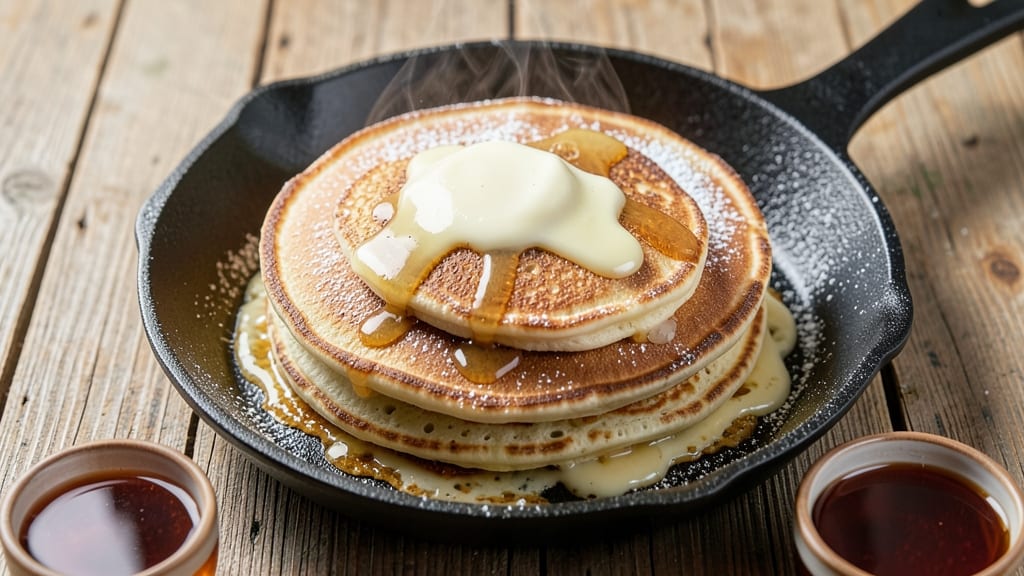
This 2 egg pancake recipe delivers restaurant-quality fluffiness with just half the eggs of traditional recipes—no compromises on texture or taste. The secret lies in proper mixing techniques and heat control, transforming simple pantry staples into golden, cloud-like pancakes in 10 minutes.
I've perfected this method after testing dozens of variations, ensuring every batch rises high and stays tender.
What makes these pancakes special is the egg-to-flour ratio, which creates a light, airy structure without needing leavening agents. The batter rests briefly while the pan heats, allowing gluten to relax for that signature fluffy interior.
High heat searing creates crisp edges while keeping centers impossibly soft—no more dense, rubbery pancakes here.
By the time you're done, you'll have a stack of golden-brown pancakes with crisp edges and a melt-in-your-mouth center, ready to be topped with your favorite syrups, fresh berries, or whipped cream.
This recipe proves you don't need complicated ingredients or hours in the kitchen to achieve bakery-quality results at home.
The beauty of this method is its versatility—add chocolate chips, blueberries, or cinnamon for instant flavor variations. Perfect for busy mornings, weekend brunch, or whenever you crave that comforting stack. Let's get cooking with this foolproof technique that delivers perfect pancakes every time.
Ingredients for 2 egg pancake
Nine simple ingredients transform into golden, cloud-like pancakes with crisp edges and tender centers.
| Ingredient | Amount | Notes |
|---|---|---|
| Large Eggs 🥚 | 2 whole | Room temperature for even mixing |
| All-Purpose Flour 🌾 | 1 cup | Sifted for light texture |
| Granulated Sugar 🍚 | 1 tbsp | Adjust to taste |
| Baking Powder 🧂 | 1 tsp | Freshly opened for lift |
| Salt 🧂 | ½ tsp | Diamond Crystal preferred |
| Unsalted Butter 🧈 | 2 tbsp | Melted and cooled slightly |
| Whole Milk 🥛 | ¾ cup | Room temperature |
| Vanilla Extract 🍯 | ½ tsp | Pure extract preferred |
| Extra-Virgin Olive Oil 🫒 | 1 tsp | For nonstick pan coating |
The eggs are the star here—room temperature ensures even mixing and perfect fluffiness. Whole eggs work best (no separating), but if you're watching cholesterol, you can use two egg whites plus one whole egg. Flour matters too: King Arthur or Gold Medal brands are my go-to for consistent results. The baking powder needs to be fresh—if it's been sitting in your pantry for months, it's time for a new box. For the butter, Land O'Lakes unsalted melts beautifully, but any brand works as long as it's unsalted. I always grab extra vanilla extract—it's one of those ingredients you'll use everywhere once you start cooking more at home.
No baking powder? Self-rising flour plus 1/4 tsp extra salt works in a pinch, but the texture won't be quite the same. Running short on milk? Almond milk or even water will work, though the pancakes might be slightly denser. Want to sweeten things up? Maple syrup or honey can replace the sugar, though you'll need about half the amount. The olive oil is non-negotiable for that perfect crisp—Trader Joe's or California Olive Ranch are my favorites. Pro tip: if your batter seems too thick after mixing, add a splash more milk. Too thin? A spoonful of flour brings it right back.
This batter keeps in the fridge for up to 24 hours—just give it a quick whisk before cooking. For extra fluffiness, let it rest 10 minutes after mixing. Pancakes freeze beautifully too: stack them with parchment between layers and they'll stay fresh for 3 months. I always make a double batch on Sundays so we have pancakes ready for the week. The secret to reheating? A dry skillet over medium heat for about 30 seconds per side—no need for syrup until they're piping hot.
Why You'll Love This Recipe
- I’ll be real: these work for brunch, a lazy Sunday morning, or even as a quick snack when I’m craving something warm. Drizzle with honey for adults, sprinkle with cinnamon sugar for kids—same batter, endless ways to serve it.
- Just Four Ingredients: Honestly, I swear by this—two eggs, flour, sugar, and a pinch of salt. That’s it. No measuring cups to guess, no weird substitutions, just crack, mix, and flip. The baking powder does all the work, so you don’t even need to overthink it.
- Sweet Without Overpowering: Between us, this isn’t your basic pancake. The sugar dissolves right into the batter, giving just enough sweetness to balance the eggy richness without tasting like a dessert. That crispy edge when you cook them low and slow? Chef’s kiss.
- Breakfast or Dessert Fix: I’ll be real: these work for brunch, a lazy Sunday morning, or even as a quick snack when I’m craving something warm. Drizzle with honey for adults, sprinkle with cinnamon sugar for kids—same batter, endless ways to serve it.
Step-by-step instructions for fluffy 2-Egg pancakes
Here's how to make light, airy pancakes that stack beautifully—no flipping tricks required.
Whisk Wet Ingredients Until Smooth
In a medium bowl, crack the 2 whole Large Eggs and add the 0.75 cup Whole Milk, 0.5 tsp Vanilla Extract, and 2 tbsp Unsalted Butter (melted and cooled slightly). Whisk vigorously for 30 seconds until fully combined and slightly frothy. The butter should emulsify completely—this creates pockets of air that make pancakes fluffy.
Here's the thing—room temperature ingredients mix better. If your eggs feel cold, let them sit at room temperature for 10 minutes before starting. Cold eggs can make your batter clump, and clumps lead to dense pancakes. Use a whisk, not a fork, for that silky texture.
Combine Dry Ingredients Separately
In a separate bowl, sift together the 1 cup All-Purpose Flour, 1 tbsp Granulated Sugar, 1 tsp Baking Powder, and 0.5 tsp Salt. Sifting prevents lumps and ensures even distribution of leavening. I like to give the dry ingredients a gentle stir with a fork after sifting—this helps break up any stubborn clumps that might have escaped the sieve.
Don't skip the sifting. I've made this mistake, and the result is pancakes with uneven texture—some parts tough, others gummy. The baking powder needs to be evenly dispersed to create that perfect rise. If you don't have a sifter, whisk the dry ingredients vigorously for 20 seconds to break up any lumps.
Gently Fold Wet and Dry Ingredients
Make a well in the center of your dry ingredients and pour in the wet mixture. Using a spatula, gently fold everything together just until combined—you should still see some flour streaks. Overmixing develops gluten, which makes pancakes tough. Stop folding as soon as the batter comes together into a thick, lumpy consistency.
This is the moment that matters: You want to preserve as much air as possible from the whisking step. If your batter looks too thick, add 1-2 tablespoons of milk to loosen it slightly. The ideal consistency should resemble heavy cream—thick enough to coat the back of a spoon but still pourable.
Heat the Pan and Cook Pancakes
Heat an 8-inch nonstick skillet over medium heat and add 1 tsp Extra-Virgin Olive Oil, swirling to coat the entire surface. When the oil is shimmering (about 30 seconds), pour ¼ cup of batter into the center of the pan. Immediately tilt the pan gently to spread the batter into an even circle—about 5 inches in diameter.
Cook until bubbles form on the surface and the edges look set (2-3 minutes). Here's where patience pays off: Don't flip too early. You'll know it's ready when the top looks dry and the edges pull away from the pan easily. Flip carefully and cook for another 1-2 minutes until golden brown. Keep the cooked pancakes warm in a 200°F oven while you finish the batch.
Stack and Serve Immediately
Transfer pancakes to a plate and repeat with the remaining batter. For the fluffiest stack, place a dollop of unsalted butter on each pancake before stacking. The butter melts between layers, creating a luscious, creamy texture. Serve immediately with your favorite toppings—maple syrup, fresh berries, or a dusting of powdered sugar.
Real talk: These pancakes are best served fresh. If you need to reheat, use a dry skillet over low heat for 30 seconds per side—just enough to warm through without making them rubbery. The secret to restaurant-quality stacks is keeping them warm in the oven while you cook, so they don't cool and lose their fluffiness.
Pro Tips For Making 2 Egg Pancake
- WHISK THE EGGS FIRST: Crack those eggs into the bowl before adding anything else, then whisk them until no streaks remain. I learned this the hard way—adding flour to unwhisked eggs creates lumps that never fully dissolve, no matter how much you mix later.
- SIFT THE DRY INGREDIENTS: Dump the flour, sugar, baking powder, and salt into a fine-mesh sieve and shake it directly into the egg mixture. This aerates the dry ingredients, giving your pancakes a lighter texture instead of that dense, cakey feel.
- LET THE BATTER REST: Give the mixed batter 10–15 minutes of sitting time before cooking. The baking powder needs this brief pause to activate fully, and the flour absorbs more liquid, preventing dry or crumbly pancakes.
- USE A SLIGHTLY COOLER PAN: Heat your skillet to medium (not high) and wait until a drop of water sizzles and evaporates before adding batter. Too-hot pans burn the outside before the inside cooks, while a cooler pan ensures even cooking and a proper golden-brown crust.
Serving suggestions for this 2 egg pancake
Classic Syrup Pairings
Start with pure maple syrup—I recommend Grade A Dark for its rich, caramel-like depth that complements the pancakes' subtle sweetness. Drizzle 1-2 tablespoons per pancake and watch it pool beautifully between layers.
For a lighter option, try Grade A Golden maple syrup, which has a milder flavor that lets the pancakes shine. 🍁
If you prefer something fruity, blueberry or strawberry syrup adds vibrant color and tangy contrast. I love Mrs. Dash Blueberry Syrup for its concentrated flavor—just 1 tablespoon per serving enhances the berry experience.
For a homemade twist, simmer 1 cup frozen blueberries with ½ cup water and 2 tablespoons honey until thickened.
Toppings That Elevate
Fresh whipped cream is a must—use Cool Whip for convenience or homemade whipped cream with ½ teaspoon vanilla extract for extra richness. A sprinkle of powdered sugar adds sweetness without overpowering. For texture, try toasted pecans or chopped walnuts—their crunch contrasts perfectly with the soft pancakes.
Don’t underestimate fruit compotes—warm raspberry or peach compote (simmer 1 cup fruit with 1 tablespoon sugar and 1 teaspoon lemon juice) adds a gourmet touch. I also love lemon curd for a tangy, creamy contrast that brightens the stack. 🍓
Savory Twists
For a breakfast game-changer, try savory toppings like crumbled sausage or crispy bacon bits. The salty, smoky flavors cut through the sweetness beautifully. I recommend Applegate uncured bacon for a cleaner option that still delivers great flavor. Add a dollop of sour cream or Greek yogurt for creaminess.
Another favorite is avocado slices with a sprinkle of flaky sea salt—the creamy texture pairs surprisingly well with fluffy pancakes. For a protein boost, top with scrambled eggs or turkey sausage crumbles. These combinations turn pancakes into a satisfying meal, not just a dessert. 🍳
Make-Ahead Serving
Prep ahead by stacking cooked pancakes with parchment paper between layers and storing in an airtight container at room temperature for up to 4 hours. When ready to serve, reheat in a nonstick skillet over medium heat for 1-2 minutes per side—just enough to warm through.
Keep syrup and toppings separate until serving to maintain freshness. 💫
For brunch parties, set up a topping bar with small bowls of syrup, whipped cream, fruit, and nuts. Let guests customize their stacks—it’s always a hit! I’ve even seen people add chocolate chips or cinnamon sugar to the batter itself for extra fun. The possibilities are endless. 🎉
Nutrition facts
Frequently asked questions
Why use only 2 eggs for pancakes?
The 2 egg formula creates perfectly fluffy pancakes without excess richness. Eggs provide structure and moisture, but too many make pancakes dense. The recipe balances 1 cup flour with just 2 eggs for ideal lightness while keeping prep simple. Fewer eggs also mean less cholesterol per serving!
Can I make these pancakes gluten-free?
Yes! Replace the 1 cup all-purpose flour with 1 cup gluten-free 1:1 baking flour blend (like Bob's Red Mill) plus 1 tsp xanthan gum. Add 2 tbsp extra milk to compensate for reduced moisture in GF flours. Expect slightly denser texture but still delicious results.
What's the secret to crispy edges?
Use medium-high heat and 1 tsp olive oil per pancake—never butter for crispiness. Cook until edges are golden and bubbles form on top (2-3 minutes). The olive oil creates a better sear than butter while keeping centers tender.
Why did my pancakes turn out dense?
Most likely you overmixed the batter or used cold ingredients. Whisk just until combined (lumpy is okay!) and use room-temperature eggs/milk. Also check your baking powder—old powder loses lift. Let batter rest 10 minutes before cooking for best results.
How do I adjust for higher altitude?
For every 500 feet above 2,000 feet, add ½ tsp more baking powder and reduce milk by 1 tbsp. At 5,000+ feet, use 1½ tsp baking powder total. The lower air pressure needs extra lift—think of it as helping the pancakes "breathe" higher.