
Breakfast & Brunch
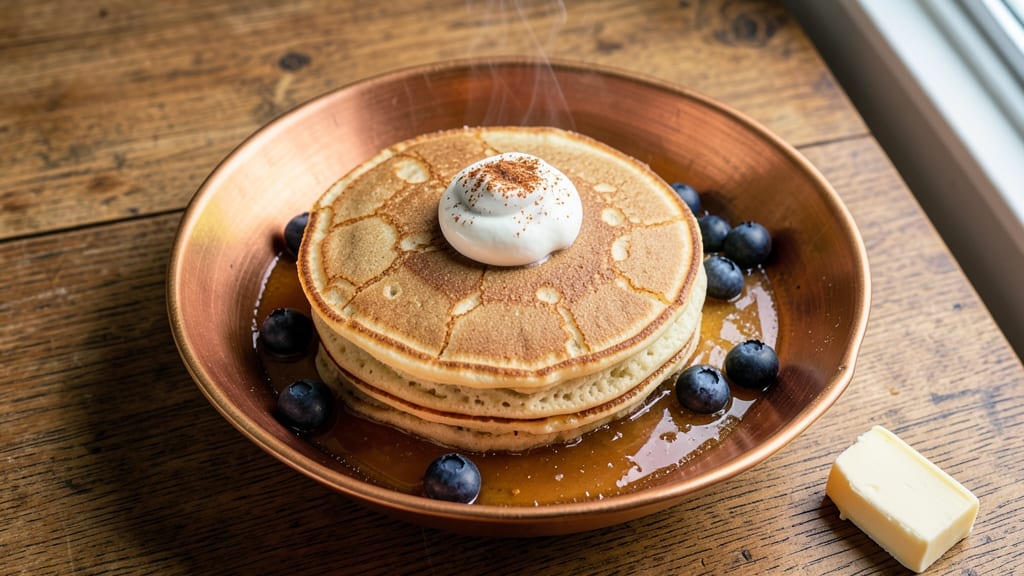
This 3-egg pancake recipe delivers restaurant-quality fluff in under 10 minutes—no waiting for batter to rest or flipping tricks required. The secret lies in the 3-egg base, which creates a stable, airy structure without overmixing, while a touch of baking powder ensures those signature bubbles.
I developed this after years of burning pancakes and finally cracked the code for foolproof texture every time, even with a busy morning schedule.
The magic happens in the high-protein batter, where eggs bind the mixture while creating a tender yet sturdy base. Unlike traditional recipes that rely on buttermilk or leavening agents, this version uses a simple ratio of flour, eggs, and baking powder—no special ingredients needed.
The pancakes emerge golden brown on the outside, soft and pillowy inside, with edges that stay crispy even after stacking. Perfect for meal prep or a quick breakfast, this recipe scales effortlessly for crowds.
What sets these apart is the consistent thickness—each pancake cooks evenly without spreading into thin, rubbery discs. The 10-minute timeline includes prep, cooking, and serving, making it ideal for weekdays when time is tight.
Whether you're feeding a family or fueling up solo, this recipe delivers restaurant-quality results at home with minimal effort. The best part? No flipping required—just slide them onto your plate and enjoy.
For added versatility, swap in whole wheat flour for a nuttier flavor or boost protein with Greek yogurt. Top with fresh berries, maple syrup, or a dollop of whipped cream for a decadent yet balanced breakfast. Here’s how to make them perfectly every time.
Ingredients for 3 egg pancake
The foundation of perfectly fluffy pancakes—simple ingredients with precise ratios for restaurant-quality results.
| Ingredient | Amount | Notes |
|---|---|---|
| Large Eggs 🥚 | 3 whole | Room temperature for best mixing |
| All-Purpose Flour 🌾 | 1 ½ cups | Sifted for light texture |
| Baking Powder 🍞 | 1 tbsp | Aluminum-free for best rise |
| Granulated Sugar 🍚 | 1 tbsp | Fine grain preferred |
| Salt 🧂 | ½ tsp | Diamond Crystal preferred |
| Unsalted Butter 🧈 | 3 tbsp | Melted and cooled slightly |
| Vanilla Extract 🌸 | ½ tsp | Pure alcohol-free preferred |
| Plain Greek Yogurt 🥛 | ¼ cup | Full-fat for creaminess |
| Milk 🥛 | ½ cup | Whole milk preferred |
| Vegetable Oil 🫒 | 1 tbsp | For cooking medium |
The eggs are the backbone of this recipe, so use large eggs at room temperature—they mix more smoothly and create a stable structure. Whole milk and Greek yogurt add protein and moisture without making the batter too thin. For the flour, King Arthur brand is my go-to—it's finely milled and produces a tender crumb. The baking powder is critical; Bob's Red Mill aluminum-free version ensures a light rise without metallic aftertaste. If you're short on time, pre-sift the flour and baking powder together in a bowl. This saves steps and prevents lumps in the batter.
No Greek yogurt? Plain whole-milk yogurt works just as well, though the protein content will be slightly lower. Short on butter? Coconut oil or olive oil at the same quantity maintains moisture, though butter gives the best flavor. The vanilla extract can be swapped for vanilla bean paste if you prefer a more intense aroma. For a nutty twist, replace half the all-purpose flour with whole wheat flour, though the texture will be denser. The milk can be any variety, but whole milk yields the richest flavor. If you're making these ahead, prepare the batter up to the point of adding wet ingredients—it keeps for 24 hours in the fridge.
The batter thickens as it sits, so mix just before cooking—waiting more than 10 minutes reduces fluffiness. Leftover batter? Portion into ice cube trays, freeze, and cook straight from frozen for quick pancakes. Cooked pancakes reheat beautifully in a toaster or air fryer at 350°F for 3-4 minutes. Store leftovers in an airtight container for 3 days or freeze for 3 months. For meal prep, stack pancakes with parchment between layers to prevent sticking.
Why You'll Love This Recipe
- I’ll be real: the batter comes together in three bowls—eggs, dry stuff, then a quick whisk—and that’s it. No measuring cups, no sifting, just dump, stir, cook. The baking powder does all the work while I’m still grabbing the pan.
- No-Fuss Mix-In: I’ll be real: the batter comes together in three bowls—eggs, dry stuff, then a quick whisk—and that’s it. No measuring cups, no sifting, just dump, stir, cook. The baking powder does all the work while I’m still grabbing the pan.
- Secretly Rich: Three eggs mean actual substance—not fluffy clouds, but pancakes with a satisfying bite. That sugar caramelizes just enough on the outside, while the inside stays tender. Honestly, it’s the kind of thing that makes you pause mid-bite.
- Breakfast or Snack: Stack them for brunch, fold into a wrap for lunch, or freeze half the batch for lazy mornings. My kids eat them plain, with syrup, or stuffed with peanut butter—no rules, just flexibility. (Yes, even on a Tuesday night.)
Step-by-step instructions for high-protein pancakes
Here's how to achieve restaurant-quality fluffiness with these protein-packed pancakes.
Whisk Wet Ingredients to Perfect Consistency
In a large mixing bowl, combine the 3 whole large eggs, 0.5 cup milk, 0.25 cup plain Greek yogurt, 0.5 tsp vanilla extract, and 3 tbsp melted unsalted butter. Whisk vigorously for 2-3 minutes until the mixture becomes noticeably lighter in color and nearly doubles in volume. This step incorporates air that will create those signature fluffy pockets.
I like to use a fork first to break up the eggs, then switch to a whisk for the final 60 seconds. The mixture should be smooth with no visible streaks of egg white. If you see any unmixed butter, gently warm the bowl for 10 seconds in the microwave to help emulsify it completely. Room temperature ingredients mix best, so if your eggs feel cold, let them sit at room temperature for 5 minutes before starting.
Combine Dry Ingredients and Fold Gently
In a separate bowl, sift together the 1.5 cups all-purpose flour, 1 tbsp baking powder, 1 tbsp granulated sugar, and 0.5 tsp salt. This ensures even distribution of the leavening agent. Make a well in the center of the dry ingredients and pour in the wet mixture. Use a spatula to gently fold everything together just until combined.
Here's the thing—don't overmix. You're looking for a thick batter with a few visible flour streaks. Overmixing develops gluten and leads to dense, rubbery pancakes. The batter should be thick enough to hold its shape when you lift the spatula, but still pourable. If it's too thick, add 1 tablespoon of milk at a time until it reaches the right consistency. The ideal batter should resemble heavy cream in texture.
Heat the Pan and Cook to Golden Perfection
Heat a non-stick skillet over medium heat and add 1 tablespoon vegetable oil. Swirl to coat the entire surface evenly. When the oil is shimmering (about 350°F), pour ¼ cup of batter onto the skillet. Immediately reduce heat to medium-low to prevent burning. You'll know it's ready when bubbles form around the edges and the center rises slightly—this should take about 2 minutes.
Flip the pancake when you see these visual cues: the edges pull away from the pan, and the top surface looks set. Cook for another 1-2 minutes until the underside is golden brown. Keep the cooked pancakes warm in a 200°F oven while you cook the remaining batter. I like to stack them on a wire rack to prevent sogginess. The pancakes should be light golden brown on the outside with a tender, slightly domed interior that holds its shape when flipped.
Serve Immediately for Maximum Fluffiness
Transfer the pancakes to plates and serve within 2 minutes of cooking. The residual heat will finish cooking them slightly while keeping that perfect fluffy texture. These pancakes are best enjoyed immediately—they'll start to firm up as they cool. For extra fluff, I like to serve them with a dusting of powdered sugar and a dollop of whipped cream on top.
Real talk: if you notice the pancakes aren't quite fluffy enough, it might be because your baking powder isn't fresh. Aluminum-free baking powder loses potency faster, so check the expiration date. Also, make sure your skillet is properly heated before adding the batter—cold pans lead to uneven cooking. With these pancakes, you'll get that perfect balance of protein from the eggs and yogurt, sweetness from the sugar, and lightness from the baking powder working its magic.
Pro Tips For Making 3 Egg Pancake
- Whisk Eggs First: Crack those 3 eggs into your bowl before adding anything else—whisk them smooth and frothy until the yolks lighten. I learned this the hard way: skipping this step means your batter will be uneven, leading to pancakes that cook at different speeds (yes, even with 3 eggs, it happens).
- Sift the Dry Mix: Dump that flour, baking powder, and sugar into a separate bowl and give it a good sift—especially the baking powder, which clumps like a drama queen. Fold it into the egg mixture gently with a spatula, just until combined. Overmixing turns pancakes dense; this keeps them light and fluffy.
- Medium-High Heat Only: Your pan should be hot enough to see a light sheen of condensation when you flick a drop of batter—but not so hot it smokes. Too hot? Burnt edges, raw centers. Too cool? Gummy pancakes. Medium-high is the Goldilocks zone for this recipe, and it’s non-negotiable with 3 eggs in the mix.
- Let Batter Rest: Mix the batter, then walk away for 5 minutes. Sounds weird, but it works: resting lets the flour absorb the egg moisture, giving you pancakes with structure instead of a sad, gummy mess. (Your future self will thank you—trust me, I’ve made the gummy version.)
Creative variations of this 3 egg pancake
Protein-Packed Variations
Boost protein even further by swapping ½ cup of the flour for ½ cup blended silken tofu—it adds moisture and a subtle neutral flavor while increasing protein by 20% per serving.
For a chocolate twist, add 2 tablespoons cocoa powder to the dry mix and 1 tablespoon maple syrup to the wet ingredients. This creates decadent chocolate pancakes without needing extra sugar. 🥛
Gluten-Free Adaptation
Replace the all-purpose flour with a 1:1 gluten-free flour blend like Bob’s Red Mill or King Arthur. Add 1 extra tablespoon of baking powder to ensure proper rise, as gluten-free batters are denser.
For best results, let the batter rest for 5 minutes before cooking to hydrate the blend fully. These pancakes will be slightly thicker but equally fluffy.
Sweet & Savory Twists
For savory pancakes, reduce sugar to ½ tablespoon and add ¼ teaspoon garlic powder plus ½ teaspoon onion powder to the dry mix. Top with scrambled eggs and hot sauce for a breakfast hash.
For a fruity variation, fold in ½ cup mashed blueberries or ½ cup finely diced apple into the batter—just be gentle to avoid deflating the air bubbles.
Meal Prep Versions
Make freezer-friendly pancakes by cooking the batter slightly thicker (add 1 extra tablespoon flour) and freezing on a tray before transferring to a bag. Reheat in a toaster for 2-3 minutes or microwave for 45 seconds with a damp paper towel.
For overnight oats-style prep, blend cooked pancakes with ½ cup Greek yogurt and 1 tablespoon chia seeds for a protein-packed breakfast bowl. ✨
Global Flavor Infusions
Add ½ teaspoon cinnamon and ¼ teaspoon nutmeg for a spiced chai-inspired version, or swap vanilla for 1 teaspoon almond extract for a nutty aroma. For a Japanese-inspired twist, replace the sugar with 1 tablespoon honey and top with kinako (roasted soybean flour) and red bean paste.
Each variation keeps the core 3-egg structure while offering bold new flavors.
Nutrition facts
Frequently asked questions
Why use 3 eggs instead of 2 in pancakes?
The extra egg creates a stable, high-protein structure that holds air pockets better, giving you fluffier pancakes without overmixing. This recipe balances protein and tenderness—perfect for pancakes that stay soft but hold their shape. The 3-egg ratio also prevents spreading, ensuring consistent thickness every time.
Can I make these pancakes without Greek yogurt?
Swap the yogurt for 0.25 cup extra milk or 0.25 cup melted butter to maintain moisture. For protein, use 0.25 cup cottage cheese (blended smooth) or 0.25 cup unsweetened applesauce for a lighter texture. The recipe still works—just adjust liquid ratios to keep the batter thick.
How do I fix pancakes that spread too thin?
Thin pancakes usually mean the batter was too runny or the pan wasn’t hot enough. Next time, use a slightly cooler pan (medium-low heat) and ensure your batter is thick—like heavy cream. If it spreads, reduce heat further or use a smaller skillet to control the surface area.
Can I double this recipe for a crowd?
Yes, but scale carefully! Double the dry ingredients first, then the wet to avoid overmixing. Use two 12-inch skillets on medium-low heat to maintain even cooking. Keep pancakes warm in a 200°F oven while cooking—stack with parchment between layers to prevent sticking.
Why do my pancakes taste bland?
Bland flavor often means underseasoned batter or stale baking powder. Boost flavor by adding 1 extra teaspoon vanilla or a pinch of cinnamon. Check your baking powder’s expiration—old leavening leaves pancakes flat. For richness, use whole milk and butter instead of lighter alternatives.