
Desserts
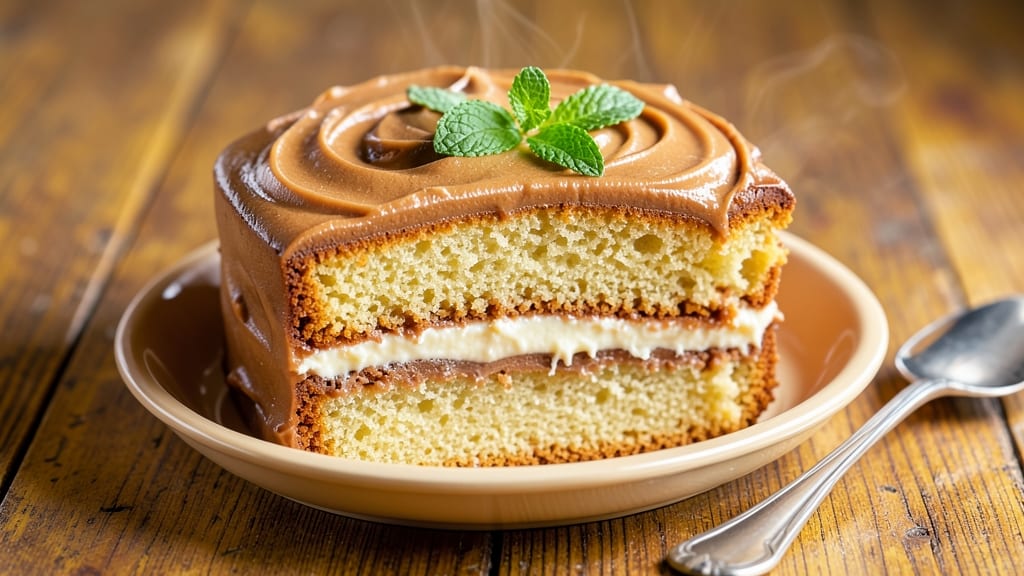
This 2-egg butter cake recipe delivers restaurant-quality richness without the fuss—all in one bowl. 💛 The secret lies in a precise balance of butter, sugar, and eggs that creates a tender crumb with just the right amount of moisture, proving you don’t need a dozen eggs for decadence.
Perfect for beginners or anyone craving a foolproof dessert, this cake requires minimal effort but maximum flavor, with a buttery aroma that fills your kitchen the moment it comes out of the oven.
What sets this recipe apart is its simplicity: no mixing bowls to wash, no complicated techniques, and only 2 eggs to achieve that signature buttery texture. The cake bakes up golden brown with a fine, even crumb that stays moist for days, making it ideal for slicing into perfect squares.
The key? Creaming the butter and sugar properly and folding in the dry ingredients just until combined—overmixing is the enemy of that tender crumb we’re after.
By the time you pull it from the oven, you’ll have a cake that’s moist yet light, with a buttery richness that feels indulgent without being heavy.
It’s the kind of dessert that pairs perfectly with a cup of coffee or a scoop of vanilla ice cream, and it’s so easy to make that you’ll want to bake it again and again. The best part? Leftovers keep well, so you can enjoy slices throughout the week.
Optional additions like a dusting of powdered sugar or a simple glaze elevate it further, but the cake shines on its own. Whether you’re celebrating a special occasion or just treating yourself to a little homemade indulgence, this recipe delivers every time. Let’s get baking!
Ingredients for 2 egg butter cake
Buttery richness meets foolproof simplicity—just eight ingredients for a cake that feels indulgent yet stays light.
| Ingredient | Amount | Notes |
|---|---|---|
| Unsalted Butter 🧈 | 1 cup | Softened to room temperature |
| Granulated Sugar 🍚 | 1 ½ cups | White or light brown |
| Large Eggs 🥚 | 2 whole | Room temperature |
| All-Purpose Flour 🌾 | 1 ½ cups | Sifted for even texture |
| Baking Powder 🧂 | 2 tsp | Aluminum-free preferred |
| Salt 🧂 | ½ tsp | Fine sea salt |
| Vanilla Extract 🌿 | 1 tsp | Pure vanilla preferred |
| Whole Milk 🥛 | ½ cup | Room temperature |
| Powdered Sugar 🍚 | ¼ cup | For optional dusting |
The butter is non-negotiable here. Land O'Lakes unsalted or Plugrá are my go-tos—they melt beautifully and give that signature richness. Room temperature is key: press the butter between two sheets of wax paper and leave it on the counter for 30 minutes before starting. Sugar matters too—Domino or C&H work perfectly, but if you're feeling fancy, a touch of light brown adds subtle depth. The eggs? Room temperature makes all the difference for a tender crumb. I always crack them into a separate bowl first—no shells in your batter!
No vanilla extract? Vanilla bean paste works wonders, or a scraped vanilla bean pod if you're feeling extra. Out of milk? Heavy cream or water in a pinch, but milk's fat content keeps the cake moist. The flour should be sifted—King Arthur or Gold Medal are my favorites, but any all-purpose will do. If you don't have powdered sugar, a quick glaze with simple syrup and powdered sugar can be made separately. Pro tip: measure your butter by weight (1 cup = 2 sticks) for precision—volume measurements can vary with brands.
This cake keeps beautifully—3-4 days at room temperature wrapped in foil, or 1 week in the fridge. For longer storage, slice and freeze portions for up to 3 months. The powdered sugar dusting? Optional but magical—just toss it over the cooled cake. Leftovers reheat perfectly in the microwave for 10 seconds to restore that buttery aroma. Trust me, the first slice out of the fridge tastes just as good as day one!
Why You'll Love This Recipe
- No Mixer Needed: I swear by this recipe when I’m too tired to cream butter and sugar properly. Just melt the butter, mix in sugar and eggs—it’s that simple. The texture still turns out rich and tender, like you slaved over it.
- Rich Without Effort: Two eggs and a stick of butter? That’s all it takes for a cake so moist it practically melts in your mouth. The sugar caramelizes just enough to give it that subtle depth, and the baking powder keeps it light—no heavy, dense vibes here.
- Breakfast or Dessert: Honestly, I make this for both. Toast a slice warm with jam for breakfast, or serve it chilled with whipped cream for dessert. It’s the kind of cake that doesn’t demand a special occasion—just a craving.
- Budget-Friendly Staples: Flour, sugar, butter, eggs—these are the basics I always have on hand. No fancy ingredients, no last-minute grocery runs. And leftovers? They keep for days, so I’m never scrambling for a quick treat.
Step-by-step instructions for 2 egg butter cake
Here's how to make the perfect single-bowl cake with ultra-moist crumb and rich buttery flavor.
🍳 Step 1: Cream Butter and Sugar Until Light and Fluffy
In a large mixing bowl, combine the 1 cup unsalted butter and 1.5 cups granulated sugar. Using an electric mixer on medium-high speed, beat for 3-4 minutes until the mixture is light in color and nearly doubles in volume. You'll see ribbons form when the beaters are lifted—this means you've incorporated enough air for that tender crumb.
Here's the thing—I like to scrape down the sides of the bowl every minute or so to make sure everything gets evenly mixed. The butter should be completely smooth with no lumps, and the sugar should be fully dissolved. If it's still grainy after 4 minutes, give it another minute. This creaming step is what creates that signature moist texture in butter cakes.
👨🍳 Step 2: Add Eggs and Vanilla for Richness
Add the 2 whole large eggs one at a time, mixing well after each addition. Start on low speed to prevent splattering, then increase to medium for 30 seconds after the second egg is incorporated. Add the 1 teaspoon vanilla extract and mix for another 10 seconds until fully combined.
I always use room temperature eggs for this recipe—they blend more smoothly and help create a lighter texture. If your eggs are straight from the fridge, let them sit in warm water for 5 minutes first. The mixture should look thick and slightly shiny at this point, with no visible egg streaks.
👨🍳 Step 3: Alternate Dry and Wet Ingredients
In a separate bowl, whisk together the 1.5 cups all-purpose flour, 2 teaspoons baking powder, and 0.5 teaspoon salt. Sift the dry ingredients directly into the wet mixture to prevent lumps. With the mixer on low speed, add about ⅓ of the flour mixture, then ¼ cup of the whole milk, mixing just until combined.
Repeat this alternating process, ending with flour. The key here is to mix just until the ingredients are combined—overmixing develops gluten and makes the cake tough. You should still see some flour streaks when you're done. Add the remaining 0.25 cup whole milk and mix until smooth.
🔥 Step 4: Bake Until Golden and Springy
Preheat your oven to 350°F and grease a 9x13-inch baking pan (or line it with parchment paper). Pour the batter into the prepared pan and smooth the top with a spatula. Bake for 30-35 minutes until a toothpick inserted in the center comes out clean and the edges are golden brown.
I know it's tempting to open the oven early, but resist! The cake needs that full baking time to develop proper structure. The center should look slightly underdone when you take it out—that's normal. Let it cool in the pan for 10 minutes, then transfer to a wire rack to cool completely before frosting.
🍰 Step 5: Dust with Powdered Sugar (Optional)
Once completely cool, dust the top with the 0.25 cup powdered sugar using a fine-mesh sieve. This adds a beautiful finish and balances the rich buttery flavor. For extra decadence, you can also brush warm cake layers with simple syrup made from equal parts sugar and water.
This cake keeps well at room temperature for 3 days or can be frozen for up to 3 months. The secret to its moistness is the butter-to-flour ratio and the careful creaming process—don't skip those steps! The result is a tender, rich cake that's perfect for birthdays, celebrations, or just because.
Pro Tips For Making 2 Egg Butter Cake
- Weigh the Butter: Don’t eyeball it—use a kitchen scale for the butter. I learned this after making two cakes that turned out dense because I scooped instead of measured. For this recipe, ½ cup (1 stick) should be exactly 113g. Precision here means a lighter, fluffier texture.
- Whip Eggs and Sugar First: Beat the eggs and sugar together until pale and slightly thickened before adding anything else. This step aerates the batter early, giving you a taller cake. I used to skip it, and my cakes always ended up flat—like a sad pancake.
- Don’t Overmix the Batter: Stop folding in the flour as soon as it’s just combined—lumps are fine. Overmixing develops the gluten, leading to a tough, chewy cake. Think "damp flour," not "smooth batter."
- Use Room-Temp Ingredients: Let the eggs and butter sit out for 30 minutes before starting. Cold butter won’t cream properly, and cold eggs won’t emulsify well, leaving you with a greasy or grainy texture. Trust me, this small step makes a real difference.
Creative variations of these flavors
Citrus Twist
Add 1 tablespoon lemon or orange zest to the dry ingredients for a bright, zesty flavor profile. The citrus cuts through the richness beautifully, especially if you top it with a glaze made from 2 tbsp powdered sugar + 1 tbsp lemon juice.
I love this variation for afternoon tea—it feels fancy but takes minutes to prepare. 🍋
Spiced Chai Version
Infuse the batter with warm spices by adding 1 tsp ground cinnamon, ½ tsp ground cardamom, and ¼ tsp ground cloves to the dry ingredients.
A pinch of black pepper enhances the flavors without overpowering. This version pairs perfectly with spiced chai tea or a scoop of vanilla bean ice cream. 🌶️
Coconut Butter Swap
For a tropical twist, replace the regular butter with 1 cup coconut oil (solid) for a rich, nutty flavor. The texture stays tender, but the coconut aroma transforms the cake into something entirely different.
I recommend toasting ½ cup unsweetened shredded coconut and sprinkling it on top before baking for extra crunch. 🥥
Chocolate-Dipped Layers
Divide the batter into two 9-inch round pans and bake as directed. Once cooled, slice each layer horizontally, then brush with ½ cup melted dark chocolate (or Nutella for extra indulgence).
Stack the layers with a dusting of powdered sugar between each. This makes it feel like a decadent layered cake without the fuss. 🍫
Lemon Glaze Finish
Skip the powdered sugar dusting and make a simple lemon glaze by whisking together ½ cup powdered sugar and 2 tbsp fresh lemon juice. Drizzle over the cooled cake and let it set for 10 minutes before slicing. The tangy glaze balances the buttery richness perfectly. 💛
Nutty Crunch Topping
Before baking, sprinkle ½ cup chopped walnuts or pecans over the batter for texture. Press them gently into the top so they stay in place. The nuts toast beautifully in the oven, adding a delightful crunch to every bite.
I also like adding 1 tbsp brown sugar to the nuts for extra caramelization. 🌰
Nutrition facts
Frequently asked questions
Why does this recipe only use 2 eggs?
This recipe uses just 2 eggs to create a tender, moist crumb without overpowering the buttery richness. The secret is proper creaming of the butter and sugar, which incorporates air into the batter. This technique ensures the cake rises beautifully and stays light, even with fewer eggs. Fewer eggs also make this recipe more approachable for beginners!
Can I make this cake in a different pan size?
Yes! For a 9-inch round pan, bake for 25-30 minutes at 350°F. If using an 8-inch square pan, reduce baking time to 20-25 minutes. Always check for doneness with a toothpick—it should come out clean. Adjustments may be needed based on your oven's heat distribution.
What if my cake is too dense?
Overmixing the batter is the most common cause of dense cake. Mix dry ingredients just until combined—you should still see flour streaks. Also, ensure your butter is fully softened (but not melted) and room temperature. If using a different brand of flour, add 1 extra tablespoon of milk to compensate for variations in protein content.
How do I store leftovers?
Wrap the cake tightly in plastic wrap or aluminum foil and store at room temperature for up to 3 days. For longer storage, slice and freeze portions in airtight containers for up to 3 months. Reheat individual slices in the microwave for 10-15 seconds to restore that fresh-from-oven texture.
Can I substitute butter with something else?
For a lighter texture, you can use ½ cup melted coconut oil + ½ cup butter, but the flavor will differ. For a vegan version, replace butter with 1 cup vegan butter or coconut oil and use flax eggs (1 tbsp ground flax + 3 tbsp water per egg). The cake will still be delicious, though the texture may vary slightly.