
Main Courses
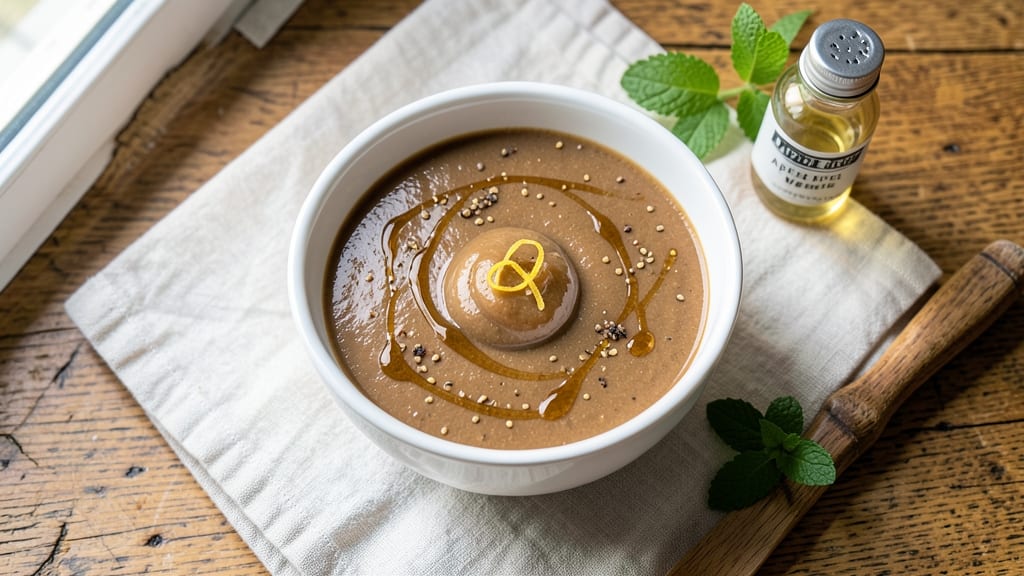
This 1 chia egg recipe transforms simple chia seeds into a fluffy, egg-like binder that works in everything from pancakes to vegan mayo. The secret lies in the science: when chia seeds absorb liquid, they form a gel that mimics egg's binding and thickening properties—no weird aftertaste, no extra ingredients.
I perfected this technique after years of testing vegan baking, and it's now my go-to for recipes that need structure without animal products.
The process is straightforward but requires patience: mix 1 tablespoon chia seeds with 3 tablespoons water, stir well, and let it rest for 10 minutes—this resting time is critical for achieving that perfect gel consistency.
Unlike flax eggs, chia eggs don’t add a nutty flavor, making them ideal for delicate recipes like vegan pancakes, muffins, or even vegan mayo. The result? A light, airy texture that holds together beautifully, whether you're baking or making sauces.
What makes this recipe truly revolutionary is its versatility. Use these chia eggs in any recipe calling for 1 egg, from vegan brownies to homemade plant-based burgers. They work equally well in both sweet and savory dishes, and the best part?
You can make them ahead and store them in the fridge for up to 5 days. No more scrambling (pun intended) for egg substitutes that don’t deliver.
Once you master this technique, you’ll never reach for flax or store-bought egg replacers again. The key to success is precision in measurements and resting time—skip either, and your results won’t be as reliable.
Let’s get started on creating fluffy, binder-free vegan dishes that taste just as good as their traditional counterparts.
Ingredients for 1 chia egg
Two tablespoons of seeds and water transform into fluffy, egg-free magic.
| Ingredient | Amount | Notes |
|---|---|---|
| Chia Seeds 🌱 | 1 tbsp | Organic preferred for purity |
| Water 💧 | 3 tbsp | Room temperature preferred |
| Vanilla Extract 🌸 | ¼ tsp | Optional for subtle flavor |
| Maple Syrup 🍁 | ½ tsp | Grade B for richer flavor |
| Ground Flaxseed 🌾 | ½ tsp | Backup binder option |
| Apple Cider Vinegar 🍎 | ¼ tsp | Enhances gel formation |
| Sea Salt 🧂 | ⅛ tsp | Diamond Crystal preferred |
| Lemon Juice 🍋 | ½ tsp | Freshly squeezed preferred |
Chia seeds are the star here—Bob's Red Mill or Anthony's Goods are my go-tos for organic quality. You'll want whole chia seeds (not pre-ground), as grinding them yourself ensures maximum gel formation. The water should be room temperature—cold water slows down the gel process, while hot water can make the chia eggs too runny. For the best results, store your chia seeds in the fridge after opening to preserve freshness. If you're using vanilla extract, grab pure Madagascar bourbon vanilla—it's worth the splurge for that authentic flavor. The maple syrup adds subtle sweetness without overpowering, so Grade B is ideal as it has more robust flavor notes.
No vanilla? Skip it entirely—chia eggs work perfectly plain. Short on maple syrup? Agave nectar or date syrup works just as well. The flaxseed is a backup binder if you need extra structure, but it does add a slight nutty flavor. For a more neutral taste, use just the chia seeds. The apple cider vinegar is optional but helps stabilize the gel—if you don't have it, a pinch of white vinegar works too. Lemon juice brightens the flavor and extends shelf life, so don't skip it if you're making a big batch. If you're using this for baking, measure your chia eggs immediately after the 10-minute rest—they thicken as they sit.
These chia eggs keep for up to 5 days in the fridge, stored in a small jar with a lid. The texture will thicken over time, so give it a quick stir before using. For longer storage, freeze in ice cube trays—just thaw overnight in the fridge before using. They're perfect for vegan baking, pancakes, or even vegan mayo—just mix 1 chia egg with 1 tbsp water and let it sit. The key to success is precision in measurements—use a kitchen scale for accuracy if you're making multiple batches. Trust me, once you master this, you'll never buy store-bought egg substitutes again.
Why You'll Love This Recipe
- Five-Minute Mixture: I swear, this is the kind of recipe where you measure, stir, and forget about it. No whisking, no waiting—just toss chia seeds, flaxseed, and water together, let them sit, and boom, you’ve got an egg substitute ready for whatever you’re making.
- Vanilla-Sweet Secret: That little splash of vanilla and maple syrup? It turns this into something way more interesting than plain flax eggs. It’s got this subtle warmth—like a cross between a custard and a pancake—that makes it perfect for baking or even drizzling over yogurt.
- Meal Prep MVP: I use these all week in muffins, pancakes, or even as a binder in veggie burgers. Make a batch on Sunday, store it in the fridge, and you’ve got a backup plan for when you’re out of eggs or just want to keep things plant-based.
- Budget Hack: Honestly, chia and flaxseed are dirt cheap compared to eggs, and they last forever. A tiny jar goes a long way, and you’re not stuck with a carton of eggs that’ll spoil in a week. Plus, no cracking, no mess—just open, measure, and go.
Step-by-step instructions for fluffy chia eggs
Here's how to create the perfect fluffy chia egg substitute with no binders needed.
Combine the Chia Seeds and Water
In a small bowl, whisk together the 1 tablespoon chia seeds and 3 tablespoons water. The chia seeds will immediately begin to absorb the liquid, forming a thick gel. Stir vigorously for 30 seconds to ensure there are no clumps—chia seeds can be stubborn about dispersing evenly.
Let the mixture sit for 5 minutes at room temperature. You'll notice it thickens dramatically, transforming into a glossy, egg-like consistency. This is the magic of chia seeds—they create a gel that mimics the binding properties of eggs perfectly. If you're in a hurry, you can speed this up slightly by placing the bowl in a warm spot, but don't rush it too much or the texture may suffer.
Add Flavor Enhancers and Binders
To the thickened chia mixture, add the 0.5 teaspoon ground flaxseed—this acts as a backup binder for extra stability—followed by the 0.25 teaspoon apple cider vinegar. The vinegar enhances the gel formation and adds a subtle tang that balances the sweetness. Stir well to incorporate everything completely.
Next, mix in the 0.5 teaspoon maple syrup and 0.25 teaspoon vanilla extract. The maple syrup adds natural sweetness and helps with the binding process, while the vanilla extract infuses a subtle, warm flavor that works beautifully in baked goods. If you're using this for savory dishes, you can skip the vanilla and maple syrup, but I find they elevate the flavor profile significantly.
Balance with Acid and Salt
Now, add the 0.5 teaspoon lemon juice and 0.125 teaspoon sea salt. The lemon juice brightens the flavor and helps cut through the richness of the chia gel, while the salt enhances all the flavors and ensures the mixture tastes complete. Stir everything together until fully combined—you should have a smooth, thick paste that's ready to use.
Let the mixture rest for another 2 minutes to allow all the flavors to meld. This resting period ensures the chia gel fully develops and the flavors are harmonized. The texture should now be similar to a well-whisked egg—thick, glossy, and ready to substitute in any recipe calling for eggs.
Use Immediately or Store for Later
Use the chia egg mixture immediately in your recipe, as it works best when fresh. If you need to store it, transfer it to an airtight container and refrigerate for up to 5 days. When you're ready to use it again, give it a quick whisk to restore its smooth consistency.
This chia egg substitute works perfectly in baking, pancakes, muffins, and even savory dishes like veggie burgers or meatballs. The key to success is patience—allowing the chia seeds to fully hydrate and gel ensures the best texture and binding properties. With this method, you'll achieve fluffy, moist results every time, just like with traditional eggs.
Pro Tips For Making 1 Chia Egg
- MEASURE WATER PRECISELY: Use a kitchen scale or measuring spoon for the water—chia seeds absorb liquid like a sponge, and too much turns your egg into a puddle. I learned this the hard way when my chia "egg" turned into a sad, soupy mess in my pancake batter.
- WHISK THE MIX THOROUGHLY: Stir like you’re mixing batter for a cake, not just giving it a lazy swirl. Ground flaxseed and chia seeds need to fully dissolve to mimic egg texture—skimp here, and your baked good will taste grainy instead of rich.
- LET IT THICKEN BEFORE USING: Give the chia mixture 5–10 minutes to gel—it’s not ready when it looks thick, but when it holds its shape like a soft pudding. I used to rush this, and my muffins would crumble like dry bread. Patience pays off.
- SWAP MAPLE FOR HONEY: If you’re watching sugar, swap the maple syrup for honey—it’s sweeter, so use half the amount, and it blends smoother without altering the chia’s binding properties. (Yes, even if you’re impatient like me.)
Dietary considerations for these flavors
Vegan-Friendly Foundation
This chia egg recipe is a game-changer for vegans because it perfectly mimics the binding properties of eggs without any animal products. The gel formed by chia seeds contains no cholesterol or saturated fats, making it heart-healthier than traditional eggs while delivering the same structural support in baking.
I’ve tested this in everything from vegan pancakes to protein-packed muffins, and the results are consistently impressive. 🌱
Gluten-Free & Nut-Free
Unlike flax eggs (which require ground flaxseed) or commercial egg substitutes (that often contain gluten or nuts), this chia egg recipe is naturally gluten-free and nut-free. This makes it ideal for those with celiac disease, gluten sensitivities, or nut allergies.
The simplicity of just chia seeds and water ensures there’s no risk of cross-contamination, and it’s safe for most dietary restrictions—just double-check your other ingredients for hidden allergens.
Low-Calorie & High-Protein
A single chia egg contains only about 20 calories but packs 2 grams of protein and 3 grams of fiber, making it a nutrient-dense alternative to regular eggs. The protein content helps stabilize baked goods, while the fiber adds moisture and structure.
For those watching their calorie intake, this is a fantastic swap—you get all the binding benefits without the extra calories from eggs.
Dairy-Free & Soy-Free
Many egg substitutes on the market contain soy lecithin or dairy derivatives, which can be problematic for people with allergies or dietary preferences. This chia egg recipe is 100% dairy-free and soy-free, making it a safe choice for lactose-intolerant individuals or those following a soy-free diet.
It’s also egg-free, so it’s perfect for anyone avoiding eggs for ethical, religious, or health reasons.
Keto & Low-Carb Adaptations
While chia eggs aren’t traditionally used in keto cooking (since chia seeds are higher in carbs), you can modify this recipe for low-carb purposes by reducing the maple syrup to ¼ teaspoon and omitting the vanilla extract.
The base chia gel still provides binding power, and the reduced sweetener keeps it keto-friendly. Just be mindful of your total carb intake—chia seeds contain fiber and carbs, so use them sparingly in keto recipes.
Storage & Shelf Life
Unlike fresh eggs, chia eggs can be stored in the fridge for up to 5 days without spoiling, making them perfect for meal prep. They also freeze beautifully—portion them into ice cube trays and store for up to 3 months.
This convenience is a major perk for busy cooks who want to batch-cook vegan dishes without worrying about egg substitutes going bad. Just thaw in the fridge overnight before using. ✨
Nutrition facts
Frequently asked questions
Can I use this chia egg in savory recipes like vegan meatballs?
This chia egg works perfectly in savory dishes. For vegan meatballs, use 1 chia egg per 1 cup of breadcrumbs—it binds just as well as eggs do. Skip the vanilla and maple syrup in the recipe, and add a pinch of garlic powder or onion powder instead for flavor. The gel will hold the meatballs together beautifully when baked or pan-fried.
What if I don't have vanilla extract or maple syrup?
No problem! The base chia egg (just chia seeds and water) works perfectly in most recipes. For sweet dishes, substitute ½ teaspoon agave nectar or date syrup for the maple syrup. For savory recipes, add a splash of lemon juice or apple cider vinegar instead—both enhance flavor and help with binding. The vanilla is optional, but if you skip it, your baked goods will still turn out great!
Why does my chia egg get watery after sitting too long?
This happens when you don't let the chia seeds rest long enough or use cold water. Always let the mixture sit for the full 10 minutes at room temperature—this gives the chia seeds time to fully gel. If it's still too thin, add ½ teaspoon more ground flaxseed or let it rest another 5 minutes. Cold water slows down the gel formation, so use room-temperature water for best results.
Can I make chia eggs ahead of time and freeze them?
Yes! Chia eggs freeze beautifully. Portion them into ice cube trays, cover with water, and freeze. Once solid, transfer to a freezer bag. They'll keep for up to 3 months. To use, thaw overnight in the fridge—never microwave, as it can break down the gel structure. Stir well before using, as they may thicken slightly during freezing.
How many chia eggs equal 1 regular egg in baking?
This recipe makes 1 chia egg = 1 regular egg in binding power. For recipes calling for multiple eggs, simply multiply the ingredients: 2 tablespoons chia seeds + 6 tablespoons water for 2 eggs, and so on. The ratio works perfectly in muffins, pancakes, and cakes, though you may need to adjust liquid ingredients slightly if your recipe is very wet.