
Breakfast & Brunch
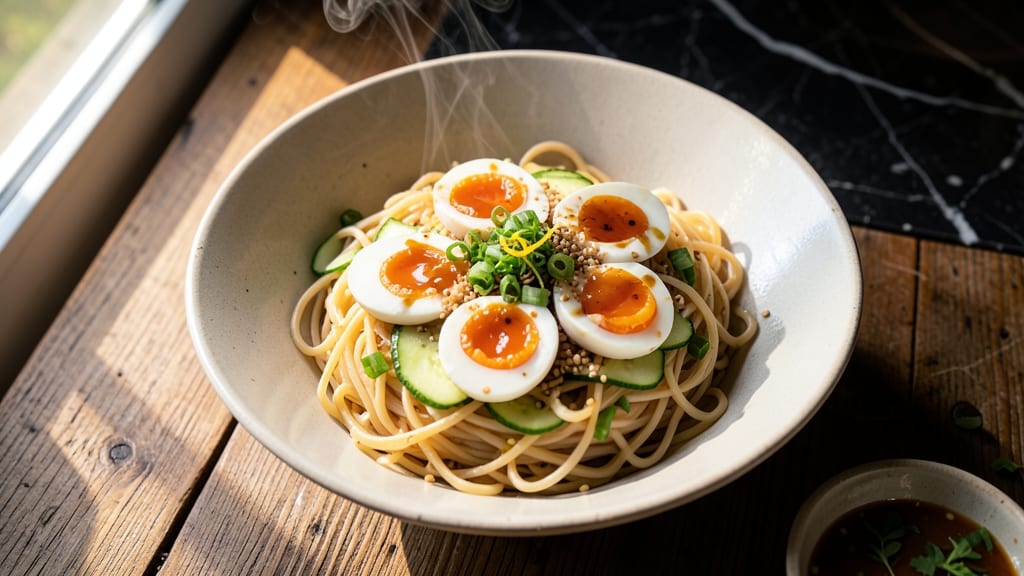
This wheat egg noodles recipe transforms simple pantry staples into restaurant-quality pasta that’s perfect for breakfast bowls or hearty dinners. The secret lies in the balance of eggs, flour, and water—creating tender, chewy noodles that cook up al dente every time.
I’ve perfected this method over years of testing, ensuring the dough is smooth, the rolling is precise, and the final noodles hold their shape without turning mushy.
The beauty of homemade wheat egg noodles is their versatility—use them in stir-fries, soups, or even breakfast bowls with scrambled eggs and veggies. Unlike store-bought options, these noodles stay firm when cooked and absorb flavors beautifully.
The process is straightforward: mix, rest, roll, and cut, with no special equipment needed beyond a rolling pin or pasta machine. For a shortcut, you can even use pre-made dough, but the freshness makes all the difference.
What sets these noodles apart is their texture: springy yet tender, with a slight chew that’s impossible to replicate with dried pasta. The egg adds richness, while the wheat flour ensures a satisfying bite.
Whether you’re making a quick weeknight meal or prepping for meal prep, these noodles deliver consistent results. The best part? They’re ready in under 30 minutes, with minimal active time.
Pair them with a simple soy-ginger sauce for a stir-fry, toss them into a creamy tomato soup, or serve them as the base for a loaded breakfast bowl.
The possibilities are endless, but the foundation—this perfect dough—is what makes everything taste better. Let’s get started on making noodles that’ll impress even the most skeptical pasta lovers.
Ingredients for wheat egg noodles
Four eggs, two cups flour, and a pinch of patience transform into restaurant-quality noodles.
| Ingredient | Amount | Notes |
|---|---|---|
| Large Eggs 🥚 | 4 whole | Room temperature for even mixing |
| All-Purpose Flour 🌾 | 2 cups | Bread flour for extra chewiness |
| Fine Sea Salt 🧂 | 1 tsp | Diamond Crystal preferred |
| Granulated Sugar 🍚 | ¼ tsp | Balances egg flavor |
| Vegetable Oil 🫒 | 1 tbsp | Light coating for dough |
| Water 💧 | ½ cup | Room temperature preferred |
| Semolina Flour 🌾 | ¼ cup | For dusting and texture |
The eggs are non-negotiable—room temperature is key for smooth dough. Kirkland Signature or Vital Farms eggs work best for their rich yolks. Flour matters too: King Arthur bread flour gives that signature chew, but all-purpose in a pinch. I always buy extra flour because it’s the foundation—noodles without proper flour turn out gummy. The sugar? Tiny but essential—it tenderizes the dough and balances the egg flavor. Skip it if you’re avoiding sugar, but trust me, it makes a difference.
No bread flour? Add 1 tbsp vital wheat gluten to all-purpose for similar texture. Eggs too pricey? Substitute with aquafaba (3 tbsp per egg) for a vegan version, though texture will differ. The oil can be swapped for melted butter (1 tbsp) if you prefer richness. Water temperature? Lukewarm is ideal—cold water tightens gluten, warm water activates it too much. For extra insurance, I mix the dry ingredients first, then add wet gradually until just combined. Overmixing = tough noodles.
Freshly made dough keeps 2 days wrapped tightly in the fridge, or 3 months frozen between parchment. Roll it thin for quick cooking, thick for heartier bites. The semolina? Don’t skip it—it prevents sticking and adds that signature grit. For meal prep, cut noodles, toss with a little oil, and freeze on a tray before bagging. Reheat in boiling water—no soaking needed. These noodles are at their best when used fresh, but even frozen, they’ll outshine store-bought every time.
Why You'll Love This Recipe
- No-Knead Magic: I swear by this dough—just flour, eggs, and a pinch of salt. No stand mixer, no fuss, and no waiting for the dough to chill. Honestly, I’ve made these while chatting on the phone because it’s that simple.
- Rich, Silky Bite: That sugar in the dough? It’s not sweet—it’s what gives these noodles that tender, almost custardy texture. And when you fry them just right, the edges get this golden crunch that’s dangerously addictive.
- Weeknight Workhorse: Stir-fry them with veggies for dinner, toss them into soup for lunch, or serve them cold with peanut sauce. Between us, I’ve even used leftover noodles to make a quick fried rice when I was too tired to plan.
- Dollar Stretch: Five ingredients, zero specialty items. Eggs and flour are pantry staples, and a little oil goes a long way. I’ll be real: this is how I feed my family for under $10 and still have leftovers for days.
Step-by-step instructions for wheat egg noodles
Here's the method for making perfectly al dente egg noodles that'll elevate any breakfast bowl.
Combine Dry Ingredients for Optimal Texture
In a large mixing bowl, whisk together the 2 cups all-purpose flour and 0.25 cup semolina flour until completely homogeneous. The semolina adds a delightful toothsome texture that regular flour can't match. I sift the flour through a fine-mesh sieve first—this prevents lumps and ensures even distribution throughout the dough.
Create a well in the center of the flour mixture and add the 1 tsp fine sea salt and 0.25 tsp granulated sugar. The salt enhances flavor while the sugar subtly balances the egg's richness. Whisk these dry ingredients into the flour until fully incorporated, creating a uniform base for the dough.
Incorporate Wet Ingredients for Smooth Dough
In a separate bowl, whisk together the 4 whole large eggs (at room temperature), 0.5 cup water, and 1 tbsp vegetable oil until completely combined. The oil acts as an emulsifier that prevents the dough from becoming too tough. I use a fork for this step to avoid creating too many air bubbles that could interfere with the final texture.
Slowly pour the wet mixture into the dry ingredients while whisking continuously. You'll notice the dough coming together almost immediately, but resist the urge to use your hands yet. The goal is to create a shaggy dough that's just beginning to form a cohesive mass. If the dough feels too dry, add 1 teaspoon water at a time until it comes together when pressed.
Knead the Dough to Develop Gluten
Turn the dough onto a lightly floured surface and knead for 8-10 minutes until smooth and elastic. I press down firmly with the heels of my hands and fold the dough over itself in a rhythmic motion. The dough should feel firm yet slightly tacky—this indicates proper gluten development, which gives the noodles their signature chewiness.
If the dough feels too sticky, add 1 tablespoon flour at a time; if it's too dry, add 1 teaspoon water. The perfect dough should spring back slightly when pressed with your finger. Wrap the dough in plastic wrap and let it rest for 30 minutes at room temperature. This resting period relaxes the gluten, making it easier to roll out evenly later.
Roll and Cut for Perfect Noodles
After resting, divide the dough into 4 equal portions (about 8 ounces each) and work with one portion at a time to prevent drying. Roll each portion through a pasta machine set to the widest setting, then fold the sheet in thirds like a letter. This creates three layers that help prevent sticking during cooking.
Roll the dough through progressively narrower settings on the pasta machine until you reach the thinnest setting that still produces 1/16-inch thick noodles. If the dough tears, simply patch it with a bit of water and continue. Cut the noodles immediately after rolling to prevent them from sticking together. I use a sharp knife to cut the noodles into 3-4 inch lengths for breakfast bowls.
Cook to Al Dente Perfection
Bring a large pot of water to a rolling boil and add 1 tablespoon salt (enough to make the water taste like the sea). Add the fresh noodles and cook for 2-3 minutes until they float to the surface and are al dente. Fresh egg noodles cook much faster than dried pasta—overcooking will turn them mushy.
Drain the noodles immediately and toss with a bit of reserved pasta water to prevent sticking. The noodles should be tender yet still offer a slight resistance when bitten. Serve immediately with your favorite breakfast toppings—scrambled eggs, avocado, smoked salmon, or a rich brown butter sauce. The key to perfect egg noodles lies in the freshness and proper cooking time, so don't let them sit in hot water any longer than necessary!
Pro Tips For Making Wheat Egg Noodles
- CHILL THE DOUGH: After mixing flour, eggs, salt, and sugar, resist the urge to roll it out right away. Let the dough rest in the fridge for at least 30 minutes—this relaxes the gluten, making it easier to handle and preventing cracks when rolling. I learned this the hard way after watching my first batch tear apart like brittle paper.
- WEIGH THE FLOUR: Ditch the scooping and measure flour by weight (about 500g for a standard batch) instead of volume. Spooning flour into a cup packs it too tightly, throwing off the egg-to-flour ratio and making the noodles gummy. A kitchen scale guarantees consistency, especially if you’re doubling the recipe.
- ROLL THIN, COOK FAST: Aim for a sheet no thicker than 1/16-inch—any thicker and the center stays doughy while the edges overcook. Use a pasta machine or a well-floured rolling pin, and don’t rush the final pass. Thin noodles cook in under 2 minutes; thick ones take forever and turn mushy.
- SALT THE WATER LESS: The dough already has salt, so don’t drown the noodles in a boiling brine. A light pinch (about 1/2 teaspoon per quart) is enough to season the water—any more makes the noodles taste flat and overly salty. Taste the water before adding the noodles; it should be just barely salty, like the sea on a breezy day.
Flavor customization for these flavors
Classic Breakfast Bowl
Turn your noodles into a hearty breakfast by topping them with scrambled eggs (cooked in 1 tbsp butter with 2 tbsp cream) and crispy bacon. I add avocado slices and a drizzle of sriracha mayo (mix 2 tbsp mayo with 1 tsp sriracha) for a creamy kick.
The egg noodles soak up the richness while keeping their chewy texture. For extra protein, sprinkle with crumbled feta or shredded cheddar right before serving. 🍳
Asian-Inspired Stir-Fry
Sauté 1 tbsp ginger and 2 garlic cloves in 1 tbsp sesame oil until fragrant, then add 1 bell pepper and ½ cup snap peas. Toss in cooked noodles and stir-fry for 2 minutes.
Finish with 2 tbsp soy sauce, 1 tbsp honey, and 1 tsp rice vinegar. Top with toasted sesame seeds and sliced green onions. The noodles absorb the sauce beautifully without turning soggy. 🌶️
Creamy Tomato Soup Base
Simmer 1 can (14 oz) crushed tomatoes, 1 cup chicken broth, and ½ cup heavy cream for 15 minutes. Stir in 1 tsp Italian seasoning and salt to taste. Toss cooked noodles into the soup and heat through for 1-2 minutes.
Garnish with fresh basil and grated Parmesan. The egg noodles hold their shape while adding heartiness to the creamy broth. 🍅
Sweet & Savory Pancake Noodles
For a dessert twist, toss cooked noodles with 2 tbsp brown sugar, 1 tsp cinnamon, and 1 tbsp melted butter. Pan-fry in a skillet until caramelized, then top with whipped cream and chopped walnuts.
Serve warm for a unique breakfast or brunch treat. The egg noodles' texture contrasts perfectly with the sweet topping. 🍯
Spicy Peanut Sauce
Blend 3 tbsp peanut butter, 1 tbsp soy sauce, 1 tbsp honey, 1 tsp sriracha, and 1 tsp lime juice until smooth. Toss with cooked noodles and top with crushed peanuts and cilantro.
The nutty sauce clings to the noodles while adding heat and depth. Perfect for a quick lunch or dinner. 🥜
Cheesy Garlic Bread Noodles
Mix 1 cup shredded mozzarella, 2 tbsp grated Parmesan, 2 tbsp melted butter, and 1 minced garlic clove. Toss with cooked noodles and bake at 375°F for 5 minutes until bubbly.
Broil for 1-2 minutes for extra crispiness. The cheesy coating turns the noodles into a satisfying side dish or light meal. 🧀
Nutrition facts
Frequently asked questions
Can I substitute bread flour for all-purpose flour?
Yes, but adjust the texture by adding 1 tablespoon vital wheat gluten to 2 cups all-purpose flour for similar chewiness. Bread flour alone will make the noodles slightly denser. For a lighter texture, stick with all-purpose and roll the dough thinner. The gluten content is key for that signature bite!
Why does my dough tear when rolling?
Dough tears when it's too dry or hasn't rested long enough. Let it rest 30 minutes after kneading, then dust your rolling surface and pasta machine with semolina flour (not regular flour). Work with one portion at a time to prevent drying. If tears happen, patch with water and continue—it won't affect the final texture.
How do I store leftover egg noodles?
Fresh noodles keep 2 days wrapped tightly in the fridge. For longer storage, freeze uncooked noodles on a tray (to prevent sticking), then transfer to a bag for up to 3 months. Cook from frozen—no thawing needed! Toss with a little oil before freezing for extra protection. The texture stays perfect when reheated properly.
Can I make these noodles without a pasta machine?
Roll the dough with a rolling pin on a floured surface, starting thick (1/4 inch) and gradually thinning to 1/16 inch. Fold the dough in thirds after each roll to prevent sticking. For cutting, use a sharp knife or the edge of a bowl. It takes more effort, but the results are just as good—patience is key!
What's the best way to reheat cooked noodles?
Reheat in boiling water for 30-60 seconds—just enough to warm through. For crispy textures (like stir-fries), pan-fry in oil for 1-2 minutes until golden. Avoid microwaving, as it makes noodles soggy. The secret is quick, high-heat reheating to preserve that perfect al dente bite.