
Desserts
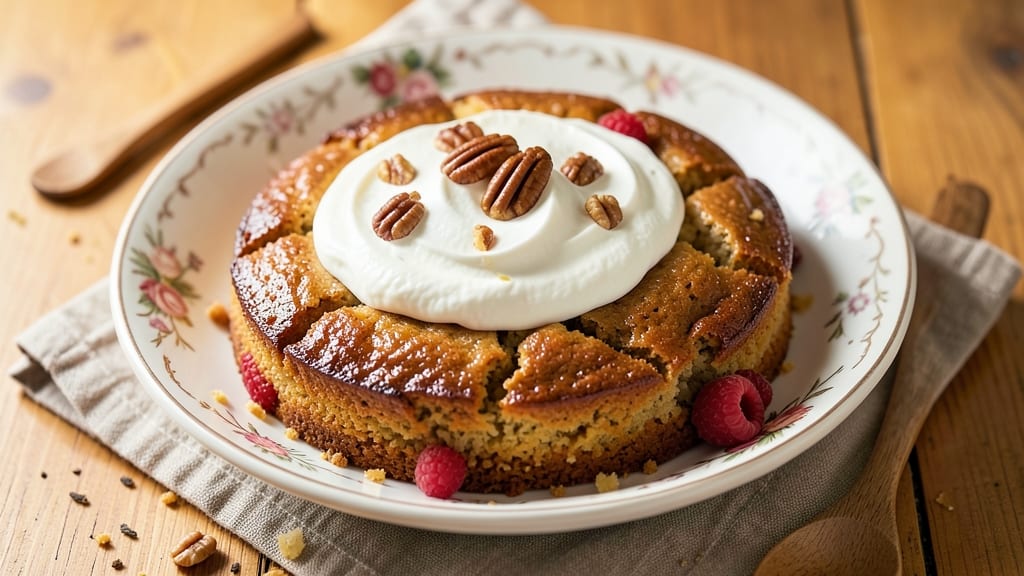
This wheat cake recipe with egg delivers the perfect balance of buttery crisp edges and an ultra-moist crumb that stays fresh for days. The eggs play a crucial role here—binding the flour and fat while keeping the texture tender, even after baking.
I developed this recipe after years of testing wheat-based cakes, and it’s become my go-to for gatherings or a simple treat.
The secret lies in the method: creaming butter and sugar until light, then alternating between dry ingredients and whole eggs for even distribution. Baking at 350°F ensures a golden crust while keeping the inside perfectly moist. The result? A cake that’s rich, flavorful, and foolproof for beginners.
Once baked, the cake’s edges develop a delicate crispness, while the crumb remains soft and inviting. A light dusting of powdered sugar or a simple glaze elevates it further, making it ideal for celebrations or a cozy afternoon.
Store it in an airtight container for up to 5 days—though I doubt it’ll last that long.
This recipe works with all-purpose or whole wheat flour, so you can adjust based on your pantry. The eggs ensure structure without dryness, and the butter adds richness that’s hard to resist. Let’s get baking—your kitchen will smell amazing in no time.
Ingredients for wheat cake recipe with egg
Buttery richness meets wholesome wheat—just 11 ingredients for a cake that’s crisp-edged and moist inside.
| Ingredient | Amount | Notes |
|---|---|---|
| Unsalted Butter 🧈 | 1 cup | Room temperature, full-fat for best flavor |
| Granulated Sugar 🍚 | 1 ½ cups | White or light brown preferred |
| Large Eggs 🥚 | 4 whole | Room temperature, fresh for best binding |
| All-Purpose Flour 🌾 | 1 ½ cups | For structure, can substitute half with whole wheat |
| Whole Wheat Flour 🌾 | 1 cup | For hearty texture, sift if lumpy |
| Baking Powder 🧂 | 2 tsp | Aluminum-free for best rise |
| Salt 🧂 | ½ tsp | Fine sea salt preferred |
| Vanilla Extract 🌿 | 1 tbsp | Pure vanilla for authentic flavor |
| Milk 🥛 | ½ cup | Whole milk for richness (or dairy-free alternative) |
| Powdered Sugar 🍚 | ¼ cup | For dusting, sifted for even coverage |
| Lemon Zest 🍋 | 1 tbsp | Fresh lemon, finely grated |
The butter matters here—unsalted, full-fat gives that signature richness. Kirkland Signature or Land O’Lakes are my go-tos, but any good brand works. Room temperature is key—press the butter with your finger, and it should dent but not flatten. The eggs? Fresh is non-negotiable—they bind and emulsify better. I always grab a dozen from the store’s refrigerated section, not the shelf. The flours? Mixing all-purpose with whole wheat gives that perfect balance—King Arthur flours are my secret, but any store-brand works in a pinch.
No vanilla extract? Vanilla bean paste works too, or even a pinch of vanilla sugar. Short on milk? Heavy cream or even water will do, though the texture might be slightly denser. The lemon zest adds brightness—skip it if you hate citrus, but I promise it makes the cake taste fresher. For the flours, if you’re out of whole wheat, substitute with spelt or oat flour. The baking powder? Double-check the expiration date—old baking powder won’t rise properly. And if you’re gluten-sensitive? Omit the wheat flour entirely—this recipe still works with just all-purpose.
This cake keeps beautifully—5 days in an airtight container at room temp, or 2 weeks in the fridge if you want to extend its life. For extra crisp edges, bake at 375°F for the last 5 minutes. The powdered sugar dusting? Do it right before serving—it softens if you do it too early. Leftovers? Slice and freeze for up to 3 months—just thaw at room temp before serving. Trust me, it’s even better the second day.
Why You'll Love This Recipe
- No Mixer Needed: I swear by this—just cream the butter and sugar with a wooden spoon until it’s light and fluffy. The whole process takes less time than waiting for coffee to brew, and honestly? The texture comes out better when you don’t overwork it.
- Golden Crust, Soft Core: That caramelized sugar crust when it bakes? Irresistible. But here’s the magic: the whole wheat flour keeps it moist inside, so you get a cake that’s tender enough to eat with a spoon. (Yes, I’ve been caught doing that.)
- Breakfast or Dessert: Serve it warm with a drizzle of honey for breakfast, or dust it with powdered sugar for an after-dinner treat. My kids beg for it both ways—proof it’s a crowd-pleaser without trying too hard.
- Budget-Friendly Staples: You’re already using pantry basics: butter, sugar, eggs, and flour. No fancy ingredients, no last-minute grocery runs. I’ve made this for 12 people using a single batch—just double the pan. Leftovers? They disappear faster than I can say “second slice.”
Step-by-step instructions for wheat cake with egg: buttery crisp edges
Here's how to bake a cake with a golden crust and tender crumb—no dry bites in sight.
Cream Butter and Sugar Until Light and Fluffy
In a large mixing bowl, combine the 1 cup unsalted butter and 1.5 cups granulated sugar. Using a hand mixer or stand mixer with the paddle attachment, beat on medium speed for 3-4 minutes until the mixture is pale, thick, and nearly doubles in volume. You'll see ribbons form when you lift the beaters—this is your signal the butter and sugar are properly emulsified.
This creaming process incorporates air, which creates that signature tender crumb and crisp edges. If your butter isn't soft enough, let it sit at room temperature for another 10 minutes before starting. I always check by pressing my finger into the butter—if it leaves a slight indent, it's ready.
Add Eggs and Vanilla One at a Time
Add the 4 whole large eggs, one at a time, mixing well after each addition. Then stir in the 1 tablespoon vanilla extract. The mixture will look slightly curdled at first, but don't worry—it will smooth out once you add the dry ingredients. Mix on low speed for about 30 seconds after the last egg is incorporated.
I like to let the eggs come to room temperature before using them too. Cold eggs can cause the batter to curdle or separate, which ruins the cake's texture. If your eggs are straight from the fridge, give them a 10-minute soak in warm water while you prep the other ingredients.
Combine Dry Ingredients and Alternate with Milk
In a separate bowl, whisk together the 1.5 cups all-purpose flour, 1 cup whole wheat flour, 2 teaspoons baking powder, and ½ teaspoon salt. Sift the dry ingredients into the wet mixture in three parts, alternating with ¼ cup milk at a time. Start and end with the dry ingredients to ensure even distribution. Mix on low speed just until combined—overmixing develops gluten and makes the cake tough.
The whole wheat flour gives this cake a hearty texture, but it can be a bit dense if not handled properly. That's why we alternate with milk—it keeps the batter light and ensures the cake rises properly. Stop mixing as soon as the flour disappears; you should still see a few streaks.
Fold in Lemon Zest and Prepare the Cake Pan
Gently fold in the 1 tablespoon lemon zest using a spatula. This adds a bright, citrusy flavor that cuts through the richness of the butter. Grease two 8-inch round cake pans with butter and line the bottoms with parchment paper. I like to dust the pans with a thin layer of flour to prevent sticking, but don't overdo it—too much flour can make the cake dry.
Divide the batter evenly between the two pans. Tap each pan gently on the counter to release any air bubbles, then smooth the tops with a spatula. The batter should fill the pans about ¾ full—this prevents overflowing while baking.
Bake Until Golden and Springy
Preheat your oven to 350°F. Bake the cakes for 25-30 minutes, or until a toothpick inserted into the center comes out clean and the tops are golden brown. Rotate the pans halfway through baking for even browning. Overbaking is the easiest way to end up with a dry cake, so keep an eye on them starting at the 20-minute mark.
Once done, let the cakes cool in the pans for 10 minutes before transferring them to a wire rack to cool completely. This gradual cooling prevents cracking. While they cool, you can make a simple glaze by mixing the ¼ cup powdered sugar with 1-2 tablespoons milk until smooth. Drizzle it over the cooled cake for extra sweetness and shine.
Pro Tips For Making Wheat Cake Recipe With Egg
- Cream Butter Slowly: Whole wheat flour absorbs moisture like a sponge, so beat the butter and sugar until it’s light and fluffy—about 3-4 minutes. I used to rush this, and my cakes turned dense. Let the mixer do the work; don’t skimp on time here.
- Sift the Wheat Flour: Whole wheat flour is heavy and clumpy. Sift it with the all-purpose flour before measuring to avoid pockets of dryness in your batter. I learned this the hard way when my first batch had weird, gummy spots—now I sift everything.
- Don’t Overmix the Eggs: Once the eggs are fully incorporated, mix just until combined. Overwhipping adds gluten, which makes wheat cakes tough. Stop when the batter looks smooth but still has slight streaks—it’ll come together.
- Bake with a Water Bath: Wheat cakes dry out fast. Place your pan in a larger baking dish, add hot water halfway up the sides, then bake. It keeps the center moist without making the cake soggy—trust me, your crumb will thank you.
Storing and reheating this wheat cake recipe with egg
Room Temperature Storage
This cake stays fresh for 3-5 days at room temperature when stored in an airtight container—I use glass containers with tight-sealing lids. Place it on a wire rack inside the container to prevent condensation from making the bottom soggy.
The edges will maintain their crisp texture, while the crumb stays moist. I always let it cool completely before storing to avoid steam buildup, which can make the cake gummy. 🌟
Fridge Preservation
For longer storage, refrigerate the cake for up to 2 weeks in the same airtight container. The cold temperature actually enhances the crisp edges, making them even more satisfying.
When ready to serve, let it sit at room temperature for 30-60 minutes before slicing—this prevents the cake from releasing moisture and becoming dense. I like to wrap individual slices in parchment paper for easy grab-and-go portions. ✨
Freezer-Friendly Tips
Slice the cake and freeze individual portions for up to 3 months in quart-sized freezer bags or wrapped tightly in plastic wrap and aluminum foil. Thaw overnight in the fridge or at room temperature for 1-2 hours.
To revive the texture, warm the slices in a 300°F oven for 5-10 minutes—this restores the crisp edges without drying out the crumb. Label your freezer bags with the date to track freshness. ❄️
Reheating Like a Pro
For the best texture, reheat slices in a toaster oven or air fryer at 325°F for 3-5 minutes—this method keeps the edges crisp while warming the center. Avoid microwaving unless you're in a rush, as it can make the cake rubbery.
If using the microwave, heat for 10-15 seconds on low power and cover with a damp paper towel to retain moisture. A quick broil for 1-2 minutes adds back that golden crust. 🔥
Glaze Refresh
If your cake loses its shine after storage, revive it with a fresh glaze. Mix 2 tablespoons milk with 2 tablespoons powdered sugar, drizzle over the cake, and let it set for 5 minutes before serving.
For extra flavor, add ½ teaspoon lemon zest to the glaze. This works beautifully on both room-temperature and refrigerated cake slices. The glaze also helps mask any slight dryness from storage. 💛
Nutrition facts
Frequently asked questions
Why does this wheat cake recipe use both all-purpose and whole wheat flour?
The combination creates the perfect balance: all-purpose flour gives structure and lightness, while whole wheat adds a hearty texture and subtle nutty flavor. Using only whole wheat would make the cake dense, but this mix keeps it tender with crisp edges. For a lighter version, you can substitute up to half with spelt or oat flour.
Can I make this cake without eggs?
This recipe relies on eggs for structure and moisture—without them, the cake would be denser and less stable. You could try substituting with 4 tablespoons ground flaxseed mixed with 8 tablespoons water (let it sit for 5 minutes to gel), but the texture won't be identical. The eggs also help create that signature crisp edge, so it's best to keep them in if possible.
How do I know when the cake is fully baked?
Insert a toothpick into the center—it should come out clean with just a few moist crumbs. The edges should be golden brown, and the cake should spring back slightly when pressed gently. Overbaking dries out the cake, so start checking at 25 minutes if your oven runs hot. If the top browns too quickly, tent with foil.
What's the best way to store leftovers to keep them fresh?
Store in an airtight container at room temperature for 3-5 days—the crisp edges stay perfect! For longer storage, refrigerate for up to 2 weeks or freeze slices for 3 months. Always let the cake cool completely before storing to prevent condensation. Wrap individual slices in parchment paper for easy grab-and-go portions.
Can I use this recipe for a gluten-free version?
For a gluten-free adaptation, replace both flours with a 1:1 gluten-free baking flour blend (like Bob's Red Mill). Add ½ teaspoon xanthan gum if your blend doesn't include it—this helps with structure. The cake will still be tender but may lack the crisp edges. Test with a small batch first, as gluten-free flours behave differently.