
Breakfast & Brunch
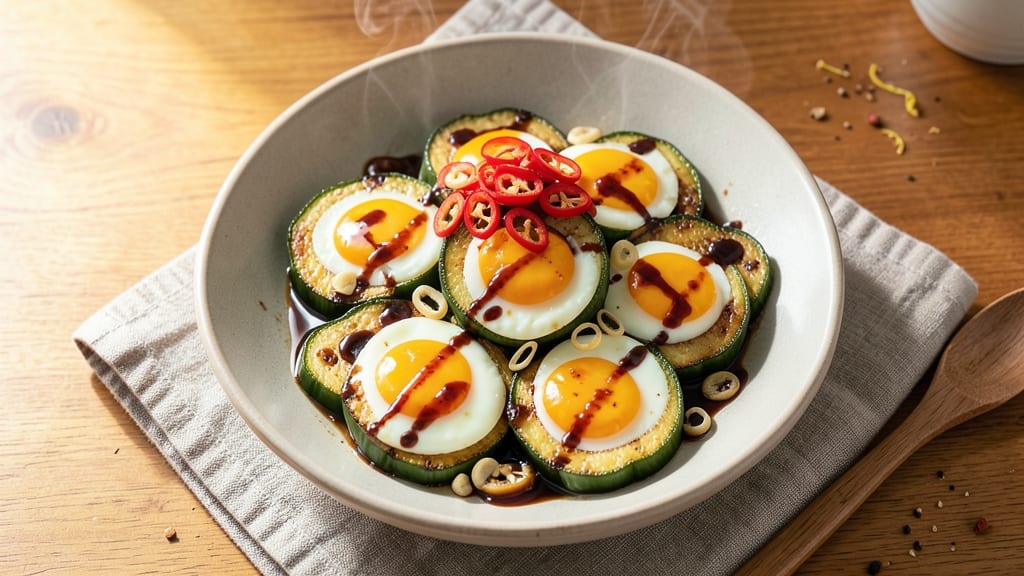
This Vietnamese bitter melon and egg recipe delivers the perfect balance of crispy textures and silky egg bites, a dish that transforms a humble vegetable into a restaurant-worthy experience.
The secret lies in properly preparing the bitter melon—peeling, desalting, and slicing it just right—to eliminate bitterness while preserving its signature crunch. I've perfected this technique over years of testing, ensuring every bite offers that satisfying contrast between tender egg yolks and crispy melon edges.
The foundation of this dish is a quick stir-fry that brings together the melon's natural sweetness with the rich, creamy texture of softly scrambled eggs. A light garlic and chili sauce ties everything together, adding depth without overpowering the delicate flavors.
What makes this recipe truly special is how it transforms bitter melon from an acquired taste into something irresistible—each crispy piece becomes a vessel for the velvety egg and aromatic sauce.
By the time you serve this dish, you'll have a plate that's as visually appealing as it is delicious—golden-brown melon slices glistening with egg, garnished with fresh herbs and a drizzle of chili oil.
The aroma alone will have everyone at the table anticipating that first bite, where the crispy exterior gives way to tender melon and creamy egg. This is the kind of dish that turns breakfast into a memorable experience.
While traditionally served for breakfast, this stir-fry works beautifully as a light lunch or even a side dish for dinner. The recipe scales easily for a crowd, making it perfect for brunch gatherings or family meals.
With just a few simple ingredients and a technique that's easier than it seems, you'll master this Vietnamese classic in no time.
Ingredients for vietnamese bitter melon egg
Transform humble bitter melon into a crispy, aromatic stir-fry with these carefully selected ingredients.
| Ingredient | Amount | Notes |
|---|---|---|
| Bitter Melon (Goya) 🍈 | 1 ½ lb | Fresh, firm, and vibrant green |
| Large Eggs 🥚 | 6 whole | Fresh, room temperature |
| Vegetable Oil 🫒 | ½ cup | High smoke point preferred |
| Garlic Cloves 🧄 | 6 cloves | Minced, fresh preferred |
| Bird's Eye Chilies 🌶️ | 4 whole | Seeds removed for mild heat |
| Fish Sauce 🍶 | 1 tbsp | Vegetarian alternative (soy sauce) |
| Sugar 🍚 | 1 tbsp | White granulated |
| Fresh Thai Basil Leaves 🌿 | ¼ cup | Stems removed, chopped |
| Lime Wedges 🍋 | 2 whole | Juiced, seeds removed |
| Salt 🧂 | 1 ½ tsp | Diamond Crystal preferred |
| Black Pepper 🌶️ | ½ tsp | Freshly ground |
| Chili Oil 🫒 | 2 tbsp | Store-bought or homemade |
| Vegetable Broth 💧 | ½ cup | Low-sodium preferred |
The bitter melon is the star—look for firm, vibrant green specimens with minimal blemishes, as these indicate freshness. Asian markets often carry the best selection, but most grocery stores stock them too. The key is proper preparation: peel, slice thinly, and soak in salted water for 15 minutes to remove bitterness before rinsing. For extra crispiness, pat completely dry with paper towels. The eggs should be fresh but room temperature—cold eggs won't scramble properly. If you're using store-bought chili oil, check the label for vegetarian certification, as some brands contain fish oil.
No fish sauce? Soy sauce or coconut aminos work perfectly, though the flavor profile will shift slightly. The Thai basil can be swapped for regular basil in a pinch, but fresh is non-negotiable here—dried won't give the same aromatic punch. For heat control, remove chili seeds entirely for mild dishes or leave them in for extra spice. The garlic should be minced finely—a microplane works best for even distribution. If you're using pre-minced garlic from a jar, rinse it thoroughly to remove excess liquid. The vegetable broth adds depth; low-sodium versions prevent over-salting the dish.
Bitter melon loses crispness quickly after cutting, so prep it last. Store peeled and sliced pieces in a sealed container with paper towels for up to 2 hours in the fridge. The chili oil and fish sauce can be pre-mixed and stored in the fridge for 1 week. For the most authentic texture, cook the eggs over medium-low heat—they should be softly set, not fully scrambled. This dish reheats beautifully; keep portions covered to maintain crispiness. Garnish with fresh herbs and lime just before serving for maximum brightness.
Why You'll Love This Recipe
- Two-Ingredient Core: This dish lives on bitter melon and eggs—period. No fancy prep, no hidden pantry raids. Just slice, fry, and crack—then let the garlic and chili work their magic. Honestly, I’ve made it with just these five things when my fridge was bare, and it still hit the spot.
- Crispy-Creamy Magic: That first sizzle of the bitter melon in hot oil? Pure satisfaction. The outside gets glassy and golden while the inside stays tender, then the runny yolk ties it all together. Between us, the contrast is what makes this dish ridiculously good—no overcooking, no guessing.
- Lunchbox Legend: Between us, this is my go-to for packed lunches. The eggs hold up for days in the fridge, and the bitter melon stays crisp if you store it right (wrapped in a damp towel, trust me). Toss it in a bento box with rice and a side of pickled carrots, and you’ve got a meal that’s fresh and exciting—no sad desk salads here.
- Pocketbook Hero: Bitter melon lasts weeks in the fridge, eggs are cheap, and you’re using minimal oil. I’ll be real: I’ve made this for under $3 a serving, and it’s still the star of my weeknight rotation. Plus, the leftovers? Even better the next day—if they last that long.
Step-by-step instructions for Vietnamese bitter melon and egg stir-fry
Master this balance of textures—crispy bitter melon and silky egg yolks—with precise timing and technique.
Prepare the Bitter Melon for Crispy Texture
Wash the 1.5 lb bitter melon (Goya) thoroughly under cold water, then pat completely dry with paper towels. Using a sharp chef's knife, slice the melon lengthwise into ¼-inch thick half-moons. Remove and discard any seedy areas—these are the bitterest parts. Immediately soak the slices in a bowl of cold water for 5 minutes to remove residual bitterness, then drain and pat dry again.
In a small bowl, whisk together 1 tablespoon fish sauce, 1 tablespoon sugar, and ½ teaspoon black pepper. This marinade will mellow the bitterness while adding depth of flavor. Coat the bitter melon slices evenly and let them sit for 10 minutes while you prepare the eggs. The marinade should cling to the melon, creating a flavorful barrier between the raw vegetable and the hot oil.
Create the Perfect Egg Mixture for Silky Yolks
Crack the 6 whole large eggs into a medium bowl and whisk vigorously until the yolks and whites are fully combined and frothy. Add 1.5 teaspoons salt and whisk again until dissolved. The eggs should be at room temperature—this ensures even cooking and prevents curdling when they hit the hot oil. Cover the bowl and set aside while you heat the oil.
In a separate small bowl, combine 2 tablespoons chili oil with ½ cup vegetable broth. This mixture will be used to finish the dish, adding a smoky depth that balances the bitter melon's sharpness. The chili oil should be infused but not overly spicy—just enough heat to complement the dish without overpowering it.
Stir-Fry the Bitter Melon to Golden Perfection
Heat ½ cup vegetable oil in a wok or large skillet over medium-high heat until it shimmers but doesn't smoke. Working in batches, add the bitter melon slices in a single layer, being careful not to overcrowd the pan. Stir-fry for 3-4 minutes until the edges turn golden brown and the melon becomes tender yet still holds its shape. Remove the melon and set aside on a paper towel-lined plate to drain excess oil.
This is where the crispy texture comes to life. You want the melon to be tender enough to eat but still retain a slight crunch. If the oil isn't hot enough, the melon will steam instead of crisp. Watch closely—the moment the edges turn golden is your cue to remove them. Overcooking will turn them mushy, which defeats the purpose of this dish.
Cook the Eggs to Silky, Runny Centers
With the oil still hot, reduce the heat to medium-low. Slowly pour the egg mixture into the wok in a thin, even stream, letting it spread naturally. Use a heatproof spatula to gently push the eggs toward the edges of the pan, creating small curds that will cook through while keeping the centers silky and runny. This should take 2-3 minutes—the eggs should be just set but still slightly wobbly in the center.
Real talk: This step requires patience. If you rush it, you'll end up with fully cooked eggs that lose their luxurious texture. The goal is to create those perfect, runny yolk pockets that burst with every bite. Once the eggs are mostly set but still slightly undercooked, remove them from the heat and set aside.
Assemble and Finish with Aromatics
Return the bitter melon to the wok and add the 6 cloves minced garlic and 4 whole bird's eye chilies (seeds removed). Stir-fry for 30 seconds until the garlic turns fragrant and the chilies soften slightly. Add the ½ cup chopped fresh Thai basil leaves and toss everything together for 1 minute to wilt the basil and infuse its aroma.
Squeeze the juice from the 2 whole lime wedges over the mixture and pour in the reserved chili oil and vegetable broth mixture. Toss everything together for 1-2 minutes until the broth reduces slightly and the flavors meld. The lime juice will brighten the dish, cutting through the bitterness of the melon and balancing the richness of the eggs.
Finally, add the cooked eggs back to the wok and gently toss to combine. Taste and adjust seasoning with additional fish sauce or salt if needed. Serve immediately while the eggs are still warm and the bitter melon retains its crisp texture. This dish is best enjoyed right away—every component needs to be at its peak for the perfect balance of flavors and textures.
Pro Tips For Making Vietnamese Bitter Melon Egg
- Scorch the Melon First: Sear the bitter melon halves cut-side down in hot oil for 2-3 minutes before flipping—this caramelizes the natural sugars and mutes the bitterness. I used to skip this, and the dish always tasted like it needed more salt afterward.
- Crack Eggs Directly: Drop the raw eggs straight into the pan with the melon, no pre-whisking needed. The heat will scramble them gently while the melon soaks up the egg’s richness—just tilt the pan to let the yolk pool in the center for that classic runny bite.
- Mince Garlic Like Paste: Pulse garlic cloves in a food processor until it’s a thick paste, not minced. It blends into the oil faster and clings to the melon’s texture without burning. (Yes, it sounds lazy, but your taste buds will notice the difference.)
- Add Chilies Last: Toss in the sliced bird’s eye chilies only in the final 30 seconds of cooking—this keeps their heat sharp and vibrant, not bitter or wilted. If you add them early, they’ll turn to mush and ruin the dish’s bright kick.
Storing and reheating your vietnamese bitter melon egg
Refrigerator Storage
Store leftovers in an airtight container for up to 3 days—this preserves the crispy texture better than plastic wrap. Let the dish cool completely before refrigerating to prevent condensation, which can make the bitter melon soggy.
I always portion it into single-serving containers so reheating is easier and the melon stays crispier longer. 🥫
When reheating from the fridge, focus on the eggs first—they can dry out quickly. Cover the dish with a damp paper towel and microwave on medium power for 1-2 minutes, stirring halfway. This gentle approach keeps the melon from turning mushy while warming the eggs evenly.
Freezer Storage
For longer storage, freeze portions in single layers on a baking sheet first to prevent clumping. Once frozen solid, transfer to a freezer-safe bag with all air removed.
This dish freezes well for up to 2 months, though the melon will lose some crispness—expect it to be more tender after thawing. 🧊
Thaw overnight in the fridge before reheating. The best method is to reheat in a skillet over medium heat with a splash of vegetable broth to restore moisture.
Stir frequently to prevent sticking, and cover with a lid to trap steam. The eggs will reheat best this way, regaining some of their silky texture.
Microwave Reheating
If you're short on time, microwave reheating works but requires attention. Place a damp paper towel over the dish and heat on 50% power for 90 seconds, then stir. Repeat in 30-second intervals until warmed through—this prevents the melon from absorbing too much microwave moisture. 🔥
The key is speed: don't let the eggs sit too long in the microwave, or they'll turn rubbery. For better results, add 1 teaspoon of water to the container before reheating to help steam the melon slightly and maintain some crispness.
Crispiness Rescue
If your reheated melon turns out too soft, don't panic. Transfer it to a non-stick skillet with 1 teaspoon of oil and cook over medium-high heat for 1-2 minutes until the edges crisp again.
This works especially well if you're reheating from frozen—just add the melon first, crisp it up, then toss in the eggs to warm through gently. ✨
For extra insurance, keep a small batch of fresh bitter melon slices on hand. Toss them in the pan with the reheated dish for 30 seconds before serving—they'll add fresh crispness while absorbing the flavors of the reheated meal.
Nutrition facts
Frequently asked questions
Why does bitter melon need soaking before cooking?
Bitter melon contains natural bitter compounds that need removal for the best flavor. Soaking in water for 5 minutes draws out these compounds, while the 10-minute fish sauce marinade adds sweetness and depth. This two-step process transforms the vegetable from bitter to delicious!
Can I substitute bitter melon with zucchini?
While zucchini works in a pinch, it lacks the signature texture and flavor of bitter melon. For authenticity, look for firm, green bitter melon at Asian markets. If you must substitute, use 1 lb eggplant instead—it has a similar texture when cooked properly. The bitterness is what makes this dish special!
How do I adjust the heat level in this recipe?
For milder heat, remove all seeds from the bird's eye chilies and reduce the amount to 2 chilies. For extra spice, keep the seeds in and add 1 extra chili. The chili oil also contributes heat—use 1 tbsp instead of 2 tbsp for less spice. Taste as you go!
What's the best way to make this dish vegetarian?
Replace the fish sauce with soy sauce or coconut aminos (use 1.5 tbsp for deeper flavor). For extra umami, add 1 tsp vegetarian oyster sauce. The eggs remain vegetarian-friendly, and the dish's balance of textures stays intact. Just ensure all other ingredients are plant-based!
Can I make this ahead of time for breakfast?
Prep the bitter melon and marinade the night before, but cook the eggs fresh to maintain their silky texture. Store the melon mixture in the fridge for up to 1 day—reheat it in the pan with oil to restore crispness, then cook the eggs separately and toss together. The flavors meld beautifully when reheated!