
Soups & Stews
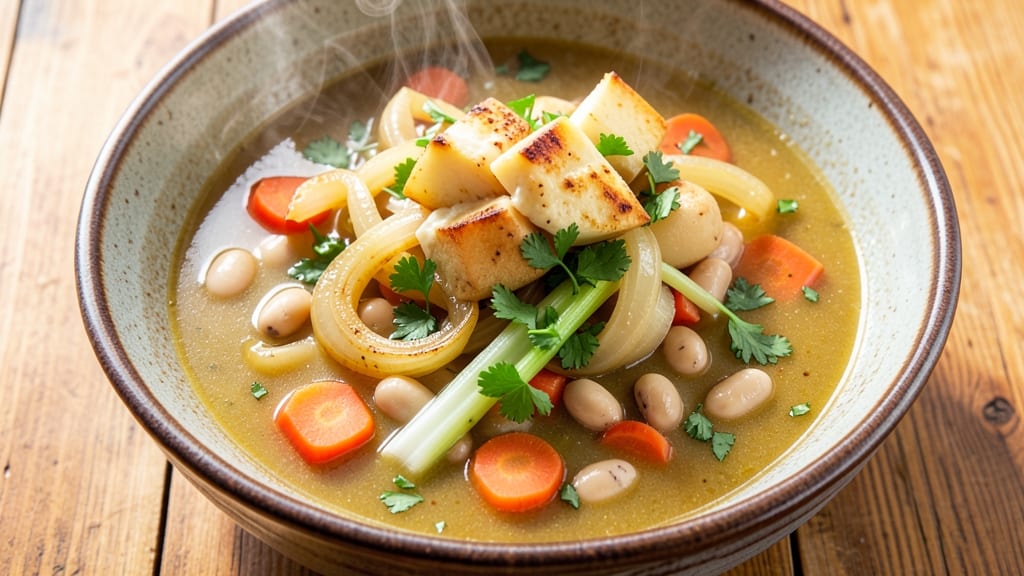
This slow cooker veggie soup recipe transforms simple ingredients into a deeply satisfying bowl of comfort that practically cooks itself. The beauty of this method lies in its hands-off simplicity—just dump, set, and return to a fragrant, flavorful broth that's perfect for chilly evenings or busy weeknights.
I developed this recipe after years of testing what works best in a slow cooker, balancing texture and flavor without requiring constant attention.
The secret to an exceptional veggie soup is layering flavors through aromatics and slow cooking. Carrots, celery, and onions form the foundation, while potatoes and beans add heartiness. A splash of vinegar brightens the broth, and fresh herbs at the end elevate it from ordinary to extraordinary.
This recipe delivers restaurant-quality results with minimal effort—ideal for anyone who wants nourishing, home-cooked meals without the fuss.
What makes this soup truly versatile is its adaptability. Swap in seasonal vegetables like zucchini or mushrooms, or use vegetable broth instead of chicken for a vegetarian option. The slow cooker does all the work, ensuring tender vegetables and a rich, well-developed broth.
Serve with crusty bread or a sprinkle of cheese for added indulgence, and you'll have a meal that's as comforting as it is nutritious.
Perfect for meal prep, this soup tastes even better the next day as the flavors meld. The slow cooking process intensifies the natural sweetness of the vegetables while keeping the broth deeply flavorful.
Whether you're feeding a family or just yourself, this recipe delivers warmth, satisfaction, and simplicity in every spoonful.
Ingredients for veggie soup recipe slow cooker
Six cups of aromatic broth kickstarts this soul-warming veggie soup, where humble vegetables transform into restaurant-quality comfort.
| Ingredient | Amount | Notes |
|---|---|---|
| Vegetable Broth 🥕 | 6 cups | Low-sodium preferred for flavor control |
| Yellow Onion 🧅 | 1 whole | Diced for aromatic base |
| Carrots 🥕 | 4 medium | Chopped into 1-inch pieces |
| Celery Stalks 🧅 | 3 whole | Chopped, including leafy tops |
| Russet Potatoes 🥔 | 2 lbs | Peeled and cubed for even cooking |
| Canned White Beans 🫘 | 2 cups | Drained and rinsed for texture |
| Garlic Cloves 🧄 | 4 cloves | Minced for deep flavor infusion |
| White Wine Vinegar 🍷 | 1 tbsp | Brightens the broth beautifully |
| Tomato Paste 🍅 | 2 tbsp | For rich, concentrated flavor |
| Bay Leaves 🌿 | 2 whole | Removed before serving |
| Dried Thyme 🌿 | 1 tsp | Or 1 tbsp fresh thyme |
| Salt 🧂 | 1 ½ tsp | Adjust to taste at the end |
| Black Pepper 🌶️ | ½ tsp | Freshly ground for best flavor |
| Fresh Parsley 🌿 | ¼ cup | Chopped for garnish and freshness |
The vegetable broth is your flavor foundation—Trader Joe's or Pacific Foods brands deliver consistent quality without excess sodium. For the onions, carrots, and celery, buy organic if possible—the skin adds texture and flavor. Russet potatoes hold up best in slow cooking, but Yukon Golds add creaminess if you prefer. The white beans? Canned is fine, but homemade or dried beans soaked overnight give you that extra depth of flavor. Garlic is non-negotiable here—freshly minced releases more aroma than pre-minced jars.
No vegetable broth? Chicken broth works too, but for a fully vegetarian option, mushroom broth or even water with bouillon cubes gets you close. Short on carrots? Sweet potatoes or butternut squash add natural sweetness. The tomato paste can be swapped for 1 cup crushed tomatoes if you prefer chunkier texture. Fresh thyme is ideal, but dried at one-third the amount works in a pinch. For the vinegar, apple cider vinegar adds subtle sweetness, while white wine vinegar keeps it bright and tangy.
This soup only gets better with time—flavors meld beautifully overnight, so double the batch if you can. Store in airtight containers for 5 days in the fridge or freeze for 3 months. I like to portion it into 2-cup servings for meal prep, adding a sprinkle of fresh parsley right before eating. The bay leaves? Remove them before serving—they're just for flavor infusion, not for eating!
Why You'll Love This Recipe
- Here’s what sold me: those Russet potatoes soften into fluffy, melt-in-your-mouth perfection. The slow cooker turns them creamy without turning to mush—no one will guess they’re just boiled veggies.
- Ditch the Chopping: I swear by this—just toss onion chunks, whole carrots, and celery stalks straight into the slow cooker. No peeling, no dicing, no mess. The broth does all the work while you sip wine (or tea, no judgment).
- Potatoes So Good: Here’s what sold me: those Russet potatoes soften into fluffy, melt-in-your-mouth perfection. The slow cooker turns them creamy without turning to mush—no one will guess they’re just boiled veggies.
- Leftovers That Don’t Suck: Between us, most veggie soup leftovers are sad. Not this one. The flavors deepen overnight, and I’ve reheated it for days without getting tired. Freeze half? Even better—just add fresh herbs when you reheat.
Step-by-step instructions for slow cooker veggie soup
This hearty soup comes together effortlessly in your slow cooker—packed with vibrant vegetables and rich, savory depth.
Sauté the Aromatic Base
Heat a large skillet over medium heat and add the diced yellow onion, chopped carrots, and chopped celery stalks (including leafy tops). Cook for 5-6 minutes until the vegetables soften slightly and the onion becomes translucent. This step builds the foundation for your soup's flavor.
Add the minced garlic cloves and cook for another 30 seconds until fragrant—don't let it brown or it'll turn bitter. Transfer the sautéed vegetables to your slow cooker. Here's the thing—this quick prep prevents a watery soup by releasing flavors before the slow cook. If you skip this, the broth will taste bland.
Layer the Potatoes and Beans
Add the peeled and cubed russet potatoes to the slow cooker, spreading them evenly over the sautéed vegetables. Nestle the drained and rinsed white beans on top, ensuring they're partially submerged. This layering ensures the potatoes cook through while the beans absorb flavor without turning mushy.
Real talk: Don't overcrowd the slow cooker. If it's packed too tightly, the vegetables won't cook evenly. The potatoes should have space to expand as they soften. This is where you'll notice the difference between a thick, hearty soup and a thin, watery one.
Build the Broth and Season
Pour in the 6 cups vegetable broth, ensuring all ingredients are well-covered. Stir in the tomato paste, white wine vinegar, bay leaves, dried thyme, 1.5 teaspoons salt, and 0.5 teaspoon black pepper. The tomato paste adds a rich, umami depth that balances the acidity of the vinegar.
Here's where it gets fun—taste the mixture now. The broth should be seasoned but not overwhelming. If you're using low-sodium broth, you might need to adjust the salt later. I always add a splash of vinegar at this stage to brighten the flavors before the long cook.
Cook on Low for Maximum Flavor
Cover the slow cooker and set it to low heat for 7-8 hours. This long, slow cook allows the vegetables to break down gently, creating a velvety texture without losing their natural sweetness. The potatoes should be fork-tender, and the carrots should be easily pierced with a fork.
Don't be tempted to rush this step. The slow cooker's gentle heat ensures the flavors meld beautifully. If you're short on time, you can cook it on high for 4-5 hours, but the texture won't be as tender. The key is patience—this is where the magic happens.
Finish and Garnish
Once the vegetables are tender, remove the bay leaves and discard them. Stir in the chopped fresh parsley just before serving to add a fresh, bright finish. The parsley not only enhances the presentation but also balances the richness of the soup with its crisp, herbal notes.
Taste and adjust the seasoning if needed. The soup should be well-seasoned but not salty. Serve immediately with crusty bread or over a bed of greens. The broth should coat the back of a spoon, thick and hearty, with each bite delivering a perfect balance of vegetables, beans, and aromatic depth.
Pro Tips For Making Veggie Soup Recipe Slow Cooker
- CUT ONIONS IN EVEN SLICES: I learned this the hard way—uneven onion pieces mean some turn to mush while others stay stubbornly whole. For slow cooker veggie soup, slice the yellow onion into ¼-inch thick rounds so every bite gets that sweet, soft texture without turning to paste.
- POTATOES FIRST, NOT LAST: Add the Russet potatoes halfway through cooking, not at the start. They’ll absorb too much broth early and turn out watery; wait until the carrots and celery have softened (about 3-4 hours on low), then toss them in for the final hour. Trust me, this keeps them creamy, not gluey.
- SALT THE BROTH NOW: Most store-bought vegetable broth is bland, and slow cooking doesn’t fix that. Toss in ½ teaspoon of salt with the broth at the start—it’ll mellow out but guarantee flavor depth. Skipping this step means your soup tastes like it’s missing something, and you’ll wonder why.
- USE FROZEN VEGETABLES FOR BACKUP: No fresh carrots or celery? Frozen works just fine—no need to thaw. Toss in a bag of frozen mixed veggies (peas, corn, green beans) with the potatoes in the last 30 minutes. They’ll soften perfectly and add texture without overpowering the broth. (Yes, even if you’re skeptical.)
Dietary considerations for this recipe
Vegetarian Adaptations
This soup is already vegetarian-friendly, but you can easily make it fully plant-based by swapping the vegetable broth for a mushroom or vegetable bouillon-based broth. I love using Better Than Bouillon for a quick, low-sodium option.
For extra richness, stir in 1 cup of coconut milk during the last 30 minutes of cooking—it adds a luscious texture without dairy. 🌱
Gluten-Free Options
Most store-bought vegetable broths are gluten-free, but always check the label to avoid cross-contamination. If you're using canned beans, opt for gluten-free brands like Amy's or Bush's.
The tomato paste, vinegar, and spices in this recipe are naturally gluten-free, so no adjustments are needed beyond verifying your broth and beans. Always double-check packaging for hidden gluten sources.
Low-Sodium Focus
To control sodium levels, use low-sodium vegetable broth and reduce the added salt to just ½ teaspoon. Boost flavor with extra white wine vinegar (another ½ tablespoon) or a pinch of smoked paprika—both add depth without salt.
Fresh herbs like parsley or basil also brighten the soup naturally. I find that roasting the potatoes and carrots before adding them to the slow cooker intensifies their natural sweetness, reducing the need for extra seasoning. 🧂
Dairy-Free Enhancements
For a creamy finish without dairy, stir in ¼ cup of cashew cream (blend ½ cup soaked cashews with ½ cup water) during the last 20 minutes of cooking. Alternatively, top each bowl with avocado slices or a drizzle of tahini for a rich, nutty contrast.
The beans and potatoes already provide heartiness, so these additions are purely for texture and flavor.
Allergen-Friendly Swaps
If you're avoiding nightshades (like tomatoes), replace the tomato paste with 1 cup of puréed butternut squash or roasted red peppers. For a nut-free version, skip the cashew cream and use silken tofu blended with water instead.
Always check bean labels for potential allergens—some brands process in facilities with nuts or soy. When in doubt, opt for organic, single-ingredient canned beans like Wild Garden.
Nutrition facts
Frequently asked questions
Can I use frozen vegetables in this slow cooker veggie soup?
Yes, but with a few adjustments! Use thawed and drained frozen veggies like peas, corn, or green beans—add them during the last 30 minutes of cooking to prevent mushiness. Avoid frozen potatoes or carrots as they release too much moisture. For best results, stick to fresh staples like onions, celery, and carrots for the base.
How do I make this soup thicker or thinner?
For a thicker soup, mash ½ of the cooked potatoes with a fork before serving or stir in 1 tablespoon cornstarch mixed with water. To thin it, add ½ cup more broth and cook for 30 minutes longer. The slow cooker's gentle heat helps maintain the perfect consistency without overcooking.
Can I prep this soup ahead of time?
This soup tastes even better the next day as flavors meld. Prep all ingredients the night before, store them in the slow cooker (uncooked) in the fridge for up to 24 hours, then cook as directed. For meal prep, portion into airtight containers and refrigerate for 5 days or freeze for 3 months.
What if my slow cooker doesn't have a "low" setting?
No problem! Use the normal or "keep warm" setting for 6-7 hours instead. The key is patience—longer cooking time develops deeper flavors. If you're short on time, cook on high for 4-5 hours, but the texture may be slightly less tender.
Can I add fresh herbs other than parsley?
Try basil, cilantro, or dill for a fresh twist. Add them during the last 30 minutes of cooking to preserve their bright flavors. For extra aroma, add a whole sprig of rosemary with the bay leaves and remove before serving.