
Soups & Stews
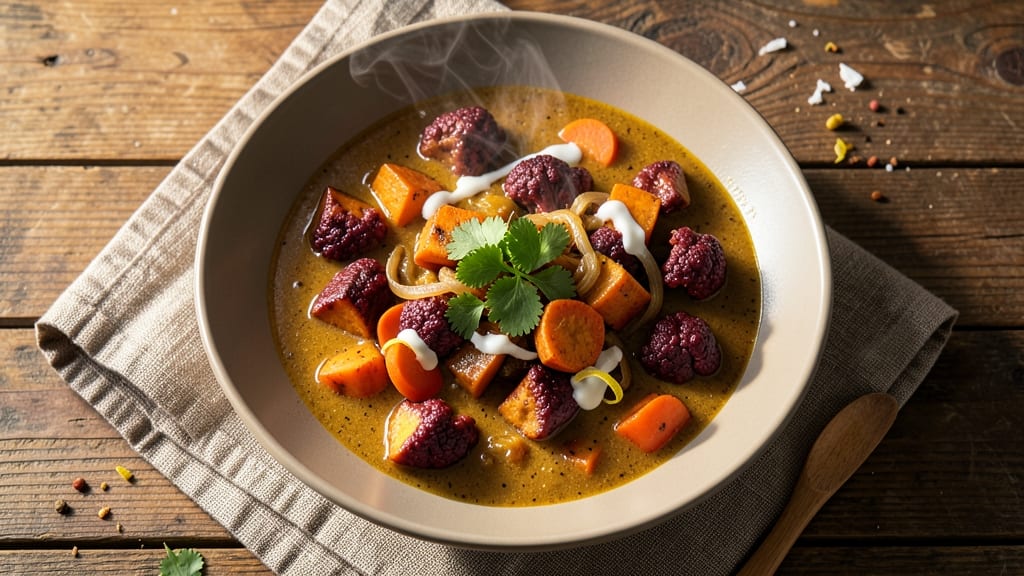
This slow cooker veggie curry recipe transforms humble vegetables into a deeply aromatic, restaurant-worthy dish with minimal effort. The secret lies in slow-cooking spices and coconut milk together, creating a velvety sauce that coats every ingredient in rich, complex flavors.
I developed this version after years of experimenting with slow-cooker curries—it’s the one that finally delivers that perfect balance of spice, sweetness, and depth without burning or overcrowding the pot.
The beauty of this method is its hands-off simplicity: chop your vegetables, toss them with spices, and let the slow cooker do the work. On low heat, the spices bloom gradually, infusing the coconut milk with layers of warmth and earthiness.
By the time you’re ready to serve, your kitchen will smell like a bustling Indian spice market, and your taste buds will be rewarded with tender vegetables swimming in a sauce so luscious it begs for extra rice.
What sets this curry apart is its versatility—it works as a standalone vegetarian main or pairs beautifully with naan, basmati rice, or even roasted potatoes. The slow-cooking process ensures the vegetables stay tender-crisp rather than mushy, while the coconut milk keeps the sauce rich and creamy.
Garnish with fresh cilantro and a squeeze of lime just before serving to brighten the flavors and elevate the dish to restaurant-quality.
Best of all, this recipe scales effortlessly—double or triple the ingredients for a crowd, or halve it for a cozy weeknight dinner. The slow cooker’s even heat distribution means no hot spots or burnt edges, just a perfectly balanced curry that’s foolproof and foolhardy to resist. Let’s get cooking!
Ingredients for veggie curry recipe slow cooker
Humble veggies meet bold spices in this slow-cooker magic—just toss, set, and savor.
| Ingredient | Amount | Notes |
|---|---|---|
| Yellow Onion 🧅 | 1 whole | Diced into small pieces |
| Sweet Potato 🍠 | 1 ½ lb | Peeled and cubed evenly |
| Carrots 🥕 | 1 lb | Baby carrots or sliced whole |
| Cauliflower 🥬 | 1 head | Cut into florets |
| Coconut Milk 🥥 | 13 ½ oz | Full-fat canned preferred |
| Tomato Paste 🍅 | ½ cup | Smooth, not chunky |
| Curry Powder 🌶️ | 2 tbsp | Mild or medium heat |
| Ground Cumin 🌿 | 1 tbsp | Toasted for depth |
| Ground Coriander 🌿 | 1 tbsp | Freshly ground preferred |
| Turmeric Powder 🌶️ | 1 tsp | Bright yellow color |
| Ginger 🌿 | 1 tbsp | Freshly grated |
| Garlic Cloves 🧄 | 4 cloves | Minced finely |
| Fresh Cilantro 🌿 | ¼ cup | Chopped for garnish |
| Lime Juice 🍋 | 2 tbsp | Freshly squeezed |
| Salt 🧂 | 1 ½ tsp | Kosher or sea salt |
The coconut milk is non-negotiable here—full-fat canned is the secret to that velvety texture. Thai Kitchen or Aroy-D brands are my go-tos, but any full-fat can works. For the spices, Penzeys or the bulk bins at Whole Foods give the freshest, most aromatic blends. Ginger and garlic? Always fresh—dried just won’t cut it for that bright punch. The sweet potatoes are the star, so grab the organic variety if you can—they’re sweeter and hold up better. Baby carrots are a time-saver, but regular carrots work too if you slice them evenly.
No curry powder? Mix 1 tbsp each of turmeric, coriander, and cumin for a DIY version. Fresh ginger too expensive? Powdered works at half the amount, though it’s not quite the same. Tomato paste tubes are your friend here—Trader Joe’s has the perfect squeeze bottles that cut down on waste. Swapping cauliflower? Zucchini or bell peppers hold up well too, but they’ll get softer faster. For extra richness, stir in 1 tbsp peanut butter with the coconut milk—trust me, it’s a game-changer.
This curry tastes even better the next day, so double the batch if you can. Store leftovers in airtight containers for 4-5 days in the fridge, or freeze for 3 months. I like to portion mine into containers with rice already measured in—just reheat and serve. The lime and cilantro should go on fresh, though. They brighten everything up and keep the flavors vibrant. Garnish with extra cilantro if you’re feeling fancy—it’s the perfect finishing touch.
Why You'll Love This Recipe
- Dump-and-Go Magic: Honestly, I swear by this one—just toss in chopped onion, sweet potato chunks, carrots, cauliflower florets, and coconut milk. The slow cooker does all the work while you're watching TV or grading papers.
- Sweet & Savory Balance: That caramelized sweet potato meets the earthy coconut milk? It’s like a hug in a bowl. The onions soften just enough to melt into the sauce, and the cauliflower soaks up all the flavor without getting mushy.
- Leftover Goldmine: Between us, this curry tastes better the next day. I make a double batch on Sundays—freezer-friendly portions for lazy nights or when friends drop by unannounced. (Yes, even on a Tuesday night.)
- Budget-Friendly Feast: Cauliflower and sweet potatoes stretch this into four servings for under $10. Swap in whatever veggies you have—extra zucchini, spinach, even potatoes—and it’s still a winner. My wallet and my family thank me.
Step-by-step instructions for slow cooker veggie curry
This hands-off method transforms simple vegetables into a fragrant, flavorful curry that gets better as it simmers.
Sauté the Aromatics for Maximum Flavor
Heat a large skillet over medium heat and add the diced yellow onion. Cook for 5-6 minutes until the onions soften and become translucent, stirring occasionally. This step builds the flavor foundation—don't skip it.
Add the minced garlic cloves and freshly grated ginger to the pan. Cook for another 1-2 minutes until fragrant—you'll smell that bright, zesty aroma developing. Here's the thing: these aromatics are the heart of your curry, so don't rush this step. The flavors need time to meld before they transfer to your slow cooker.
Build the Spice Base in the Slow Cooker
Transfer the sautéed onion-garlic mixture to your slow cooker. Add the 2 tablespoons curry powder, 1 tablespoon ground cumin, 1 tablespoon ground coriander, and 1 teaspoon turmeric powder. Stir everything together for 30 seconds to evenly distribute the spices.
Next, add the 0.5 cup tomato paste and mix well. The paste will thicken slightly as it combines with the spices, creating a rich, concentrated base. This is where the magic happens—the spices bloom and develop their full aroma as they cook with the tomato paste.
Layer the Vegetables for Even Cooking
Add the peeled and cubed 1.5 lb sweet potato, 1 lb carrots, and 1 head cauliflower florets to the slow cooker. Give everything a gentle stir to distribute the spices evenly. The sweet potatoes should be in the middle layer, with carrots and cauliflower surrounding them—this arrangement helps them cook at similar rates.
Pour in the 13.5 oz coconut milk and add the 1.5 teaspoons salt. Stir again to combine all ingredients. The coconut milk will create a creamy base that carries all those beautiful spice flavors throughout the curry. Make sure the vegetables are submerged in the liquid—this ensures they cook evenly and absorb maximum flavor.
Simmer to Perfection on Low Heat
Cover the slow cooker and cook on low heat for 6-7 hours. This long, gentle cooking time allows all the flavors to meld together and the vegetables to become tender without falling apart. The curry should thicken slightly as it cooks, developing a rich, velvety texture.
After 6 hours, check the vegetables for doneness. They should be fork-tender with no resistance when pierced. If they need more time, continue cooking for another 30-minute to 1-hour interval until perfectly tender. The curry will continue to thicken and develop deeper flavor as it simmers.
Finish with Fresh Herbs and Brighten with Lime
Once the vegetables are perfectly tender, stir in the chopped fresh cilantro and freshly squeezed lime juice. The cilantro adds a fresh, bright contrast to the rich, spiced curry, while the lime juice cuts through the creaminess and adds a tangy finish. Taste and adjust the seasoning if needed—you might want to add a pinch more salt or a squeeze of lime to balance the flavors.
Let the curry sit for 5-10 minutes before serving to allow the flavors to settle. This hands-off method delivers a restaurant-quality veggie curry with minimal effort, and the best part is that it tastes even better the next day as the flavors continue to develop. Serve with steamed basmati rice to soak up every last bit of that delicious sauce.
Pro Tips For Making Veggie Curry Recipe Slow Cooker
- CHOP CAULIFLOWER SMALL: Big florets turn to mush in the slow cooker—break them into 1-inch pieces instead. I used to skip this, and half my cauliflower would dissolve into the sauce like a sad, overcooked pancake.
- SWEAT ONIONS FIRST: Don’t just dump raw onion in—sauté it in oil for 5 minutes until soft and translucent. This builds flavor before the slow cooker even turns on, and it keeps the curry from tasting like you just tossed everything in raw.
- USE FULL-FAT COCONUT MILK: The cheap stuff separates and makes your curry look like a science experiment gone wrong. Full-fat (40% or higher) blends smoothly and adds richness without curdling—trust me, your taste buds will notice.
- ADD SALT IN LAYERS: Taste as you go—add half the salt when you dump in the veggies, then another pinch before adding coconut milk. Slow cookers dilute flavors, so you’ll need more than you think, especially if you’re using low-sodium broth.
Serving suggestions for veggie curry recipe slow cooker
Rice Pairings
Steamed jasmine rice is my go-to pairing—its delicate floral notes complement the curry’s warmth without overpowering it. For extra texture, try brown basmati rice, which holds up better to the sauce and adds a nutty contrast.
I like to cook 1 cup rice per 2 servings of curry, using a 1:1.5 rice-to-water ratio for perfectly fluffy grains. 🌾
Bread Options
Warm naan bread is a must for soaking up that creamy coconut sauce. Look for store-bought naan at Indian markets or make your own with a simple dough of flour, yogurt, and baking powder.
For a gluten-free option, serve with garlic flatbread or roasted cauliflower rice—it absorbs the sauce beautifully while adding a fresh crunch. 🍞
Protein Add-Ins
While this curry is vegetarian, you can easily boost protein by stirring in ½ cup cooked chickpeas or ½ cup crumbled tofu during the final 30 minutes of cooking.
For a dairy option, add ½ cup Greek yogurt at the end and mix gently—it adds a cooling creaminess that balances the spice. 🍗
Garnish Game-Changers
Fresh cilantro leaves and a squeeze of lime juice are non-negotiable—they brighten the dish instantly. For extra flair, sprinkle toasted coconut flakes or crushed peanuts on top. I also love adding a few red chili threads for heat lovers, or a drizzle of chili oil for smoky depth. ✨
Side Dish Ideas
A simple cucumber raita (yogurt with grated cucumber and mint) cuts through the richness beautifully. For a heartier option, serve with roasted sweet potato wedges or a mango avocado salad—the cool, sweet contrast is perfect. 🥕
Serving Presentation
Use a deep, wide bowl for serving to showcase the vibrant colors of the curry and vegetables. Garnish with extra cilantro and lime wedges on the side for a restaurant-worthy touch.
For a family-style spread, serve in a cast-iron skillet** with rice in the center and curry surrounding it—it’s both practical and visually appealing. 🍽️
Nutrition facts
Frequently asked questions
Can I use frozen vegetables in this slow cooker veggie curry?
Frozen veggies work perfectly—just thaw them first or add them directly to the slow cooker with the other ingredients. They'll release moisture as they cook, so you might need to reduce the coconut milk by 1-2 tablespoons to maintain the right consistency. The texture will be slightly softer than fresh, but still delicious.
How do I adjust the spice level for kids or sensitive palates?
Start by reducing the curry powder to 1 tablespoon instead of 2 tablespoons, and omit the turmeric or ginger if needed. For extra mildness, stir in ½ cup coconut milk after cooking to dilute the spices. Always taste as you go—you can't overdo the coconut milk, but you can't take out spices once added.
What if my curry turns out too thin or too thick?
For a thinner sauce, stir in 1-2 tablespoons of water or vegetable broth during the final 30 minutes of cooking. If it's too thick, add 1-2 tablespoons of coconut milk or a splash of water. The slow cooker's gentle heat means adjustments are easy—just check consistency after 5 hours and tweak as needed.
Can I make this curry in an Instant Pot instead?
Yes! Sauté the onions, garlic, and spices in the Instant Pot first. Then add all ingredients and cook on high pressure for 10 minutes, followed by a 10-minute natural release. For creamier results, stir in 1 extra tablespoon of coconut milk after cooking. The Instant Pot version cooks faster but requires more attention to timing.
How do I reheat leftovers without drying them out?
Reheat gently on the stove over low heat with a splash of water or coconut milk to prevent drying. In the microwave, cover with a damp paper towel and heat in 30-second intervals**, stirring between each. For best results, reheat just until warm—this curry tastes even better cold or at room temperature the next day!