
Breakfast & Brunch
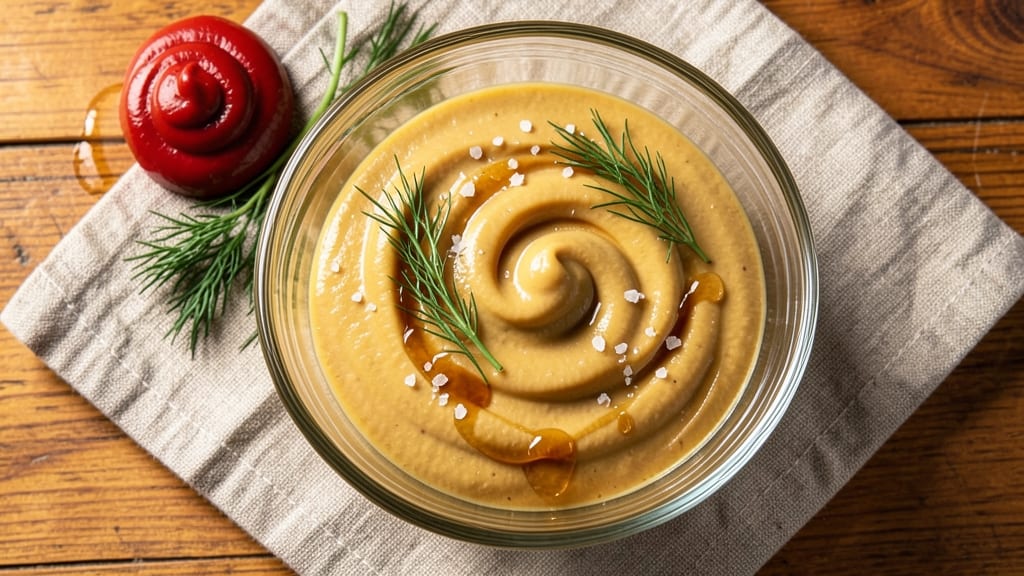
This vegetarian mayonnaise recipe without eggs delivers the same creamy, velvety texture you love—just plant-powered and just as rich. The secret lies in aquafaba (chickpea brine), which emulsifies beautifully when whipped with neutral oil and acid. I've perfected this version to mimic traditional mayo down to the last drop, making it ideal for sandwiches, dressings, or dipping.
What sets this recipe apart is its stability—no separation, no weird textures, just smooth, luxurious mayo that holds up in everything from tacos to deviled eggs. The key is gradual emulsification: start with a small amount of oil while blending, then slowly incorporate more to create that signature creamy consistency.
It takes about 10 minutes of active time, but the results are worth every second.
Once you taste this version, you'll never go back to store-bought. The flavor is neutral enough to work in any recipe but rich enough to stand out on its own. It's also completely customizable—add lemon juice for brightness, Dijon mustard for depth, or fresh herbs for freshness.
The best part? It keeps for up to a week in the fridge, ready whenever you need that creamy boost.
Perfect for vegans, egg allergies, or anyone craving a lighter mayo without sacrificing texture. Let's get started—your sandwiches (and taste buds) will thank you.
Ingredients for vegetarian mayonnaise recipe without eggs
Seven ingredients transform simple pantry staples into velvety, plant-powered mayo—no eggs needed.
| Ingredient | Amount | Notes |
|---|---|---|
| Aquafaba (Chickpea Brine) 🥜 | ½ cup | Freshly strained from canned chickpeas |
| Neutral Oil (Avocado or Light Olive) 🫒 | 1 cup | High smoke point preferred |
| Dijon Mustard 🌶️ | 1 tbsp | For depth and stability |
| Apple Cider Vinegar 🍎 | 1 tbsp | Balances richness |
| Iodized Salt 🧂 | ½ tsp | Kosher or sea salt preferred |
| Granulated Sugar 🍚 | ¼ tsp | Enhances flavor |
| Lemon Juice 🍋 | ½ tsp | Freshly squeezed |
| Water 💧 | 1 tbsp | For thinning consistency |
The aquafaba is the star here—save the brine from a can of chickpeas (or buy it pre-strained at specialty stores). Trader Joe's carries it pre-packaged if you're short on time. For the oil, avocado oil gives the most neutral flavor, but light olive oil works too. The Dijon mustard isn't just for flavor—it helps stabilize the emulsion, so don't skip it. If you're using canned chickpeas, rinse them well to remove excess starch before straining the brine. The sugar might seem odd, but it rounds out the acidity and makes the mayo taste richer without adding sweetness.
No aquafaba? Silken tofu blended with water (1/2 cup tofu + 1/4 cup water) works in a pinch, though the texture will be slightly denser. Short on Dijon? Yellow mustard at half the amount gets you close, but the flavor won't be as complex. The lemon juice can be swapped for white vinegar or apple cider vinegar, though lemon adds a brighter finish. For a tangier mayo, increase the vinegar by 1/2 teaspoon. If your mayo breaks during blending, add 1 teaspoon of water and re-blend—it'll come back together. And if you're worried about the sugar, it's just enough to balance the acidity, not enough to make it sweet.
This mayo keeps beautifully—up to 1 week in the fridge sealed in an airtight container. For best texture, stir before using. If it thickens over time, add 1 teaspoon of water and whisk to restore consistency. Freezes for up to 3 months if stored in a sealed container, though texture may separate slightly upon thawing. I like to make a double batch—one for immediate use and one to freeze for later. The flavor actually improves after a day or two as the ingredients meld together, so don't be afraid to make it ahead.
Why You'll Love This Recipe
- Pantry Magic: I keep a can of chickpeas on hand just for this—no extra shopping, no fuss. The brine from the can is the secret; no whisking eggs or scrambling for substitutes.
- Tangy Twist: That apple cider vinegar and Dijon mustard combo? It’s the grown-up upgrade to store-bought mayo. Bright, sharp, and just a little fancy—like a hug for your sandwiches.
- Everyday Hero: Slather it on burgers, toss it in salads, or mix it into potato salad—it’s my go-to for picnics, lunchboxes, or when I’m too tired to think. Works just as well cold as it does at room temp.
- No-Waste Win: Between us, I’d rather use the aquafaba than toss it. A single can makes enough mayo to last a week, and the oil and vinegar are cheap staples. My wallet and the planet thank me.
Step-by-step instructions for silky plant-based mayonnaise
This aquafaba-based mayo delivers restaurant-quality texture without eggs—just a few simple steps.
Whisk the Aquafaba to Stiff Peaks
Measure the 0.5 cup aquafaba (chickpea brine) into a heatproof bowl. Place it over a pot of simmering water, ensuring the bottom doesn't touch the water. Whisk constantly for 3-4 minutes until the mixture becomes frothy and triples in volume. You'll notice the texture transform from liquid to thick, glossy peaks that hold their shape when you lift the whisk.
This heating process is critical—it mimics egg protein denaturation, creating the emulsifying power we need. If you skip this step, your mayo will never achieve that signature creamy consistency. Let the mixture cool to room temperature before proceeding, about 5 minutes. The aquafaba should be thick but still pourable at this stage.
Gradually Incorporate the Neutral Oil
Add the 1 cup neutral oil (avocado or light olive) to the cooled aquafaba, 1 tablespoon at a time, whisking vigorously after each addition. Start slowly at first, then increase speed to medium-high once the mixture begins to thicken. You'll see the emulsion form almost immediately—this is when the magic happens.
Here's the thing: patience prevents failure. If you add the oil too quickly, the emulsion will break and you'll end up with a greasy mess. Keep whisking for 2-3 minutes after the final addition until the mixture becomes thick and glossy, like traditional mayo. The texture should coat the back of a spoon smoothly without separating.
Add the Acid and Stabilizers
In a separate small bowl, whisk together the 1 tbsp apple cider vinegar, 0.5 tsp lemon juice, 1 tbsp Dijon mustard, 0.5 tsp iodized salt, and 0.25 tsp granulated sugar. This acid blend balances the richness while the mustard adds depth and stability. The sugar enhances flavor without noticeable sweetness, and the salt rounds out the overall taste.
With the mixer running on low speed, slowly drizzle this mixture into the oil emulsion. Stop mixing immediately if the texture becomes too thick—this is normal. The acid helps emulsify the remaining oil and prevents separation. If the mixture looks too thick after adding everything, thin it with 1 tbsp water until it reaches a smooth, mayonnaise-like consistency.
Test and Adjust the Consistency
Taste your mayo and adjust seasoning if needed. You might want to add a pinch more iodized salt or a squeeze of lemon juice for brightness. For a smoother texture, blend briefly with an immersion blender. If it's too thick, thin with 1 teaspoon water at a time. The final product should be creamy, stable, and hold its shape when spread on bread.
Transfer to a clean jar and refrigerate for at least 1 hour before using. This resting period allows flavors to meld and the emulsion to fully stabilize. The mayo will keep for up to 1 week in the fridge—perfect for sandwiches, dips, or salad dressings. The result? A velvety, plant-based mayo that rivals traditional recipes in both texture and flavor.
Pro Tips For Making Vegetarian Mayonnaise Recipe Without Eggs
- WHISK IN STAGES: Start slow with the aquafaba—whisk it for 2 full minutes until frothy before adding oil. I learned this the hard way: rushing this step means your mayo will split like a bad joke at a family dinner, no matter how carefully you proceed after.
- USE COLD OIL: Chill your neutral oil in the fridge for 30 minutes before using—cold oil emulsifies better and keeps your mayo stable longer. Sounds weird, but it works: your mayo will stay thick and creamy instead of turning into a greasy mess.
- SALT THE AQUAFABA: Add a pinch of salt to the aquafaba before whipping—it helps stabilize the emulsion from the start. I skip this sometimes, but the difference in texture is noticeable, especially if you’re using low-sodium brine.
- STOP WHEN IT THICKENS: Your mayo is done when it coats the back of a spoon smoothly—no need to overmix. Overwhipping turns it into a sad, thin paste, and no one wants that. Trust the process; it’ll hold up better in the long run.
Serving suggestions for leftovers
Sandwich & Wrap Star
This vegetarian mayo transforms any sandwich or wrap into a creamy delight. Spread it on sourdough toast with smoked turkey and avocado slices for a vegan-friendly version of a classic. I love it on whole wheat wraps with hummus, shredded carrots, and cucumber for a fresh, protein-packed lunch.
The neutral flavor lets the other ingredients shine while adding that signature richness. 🥪
Dip Perfection
Use it as a dip for vegetable sticks, pita chips, or fresh spring rolls. Mix in 1 tsp sriracha for a spicy kick or 1 tsp honey for a sweet-and-tangy twist.
I serve it with roasted sweet potato wedges and crudités at parties—it disappears fast! The creamy texture makes it irresistible, and the plant-based base keeps it allergy-friendly.
Salad Dressing Upgrade
Thin it with 2 tbsp water or lemon juice to create a luscious salad dressing. Toss it with mixed greens, cherry tomatoes, and shaved fennel for a bright, creamy base.
Add 1 tsp Dijon mustard and a pinch of black pepper for extra depth. It’s lighter than traditional mayo dressings but just as satisfying. Perfect for pasta salads too!
Deviled Eggs (Vegan Style)
Blend it with 1 tsp turmeric and ½ tsp smoked paprika for a vibrant, creamy filling for vegan deviled eggs. Use silken tofu halves instead of egg whites for the base.
The mayo’s stability keeps the filling intact, and the spices give it that classic deviled egg flavor. Garnish with chopped chives or paprika for a pop of color. 🥚
Baked Potato Topping
Drizzle it over baked sweet potatoes or mashed potatoes for a rich, creamy topping. Mix in 1 tsp garlic powder and ½ tsp onion powder for extra flavor. It’s a game-changer for holiday sides—especially when paired with crispy bacon bits (use vegan bacon for a plant-based option).
The texture stays smooth even when heated, making it ideal for warm dishes.
Customizable Sauce Base
Use it as a foundation for other sauces. Blend it with 1 tbsp soy sauce and 1 tsp maple syrup for a quick vegan aioli. Or mix in 1 tbsp hot sauce and ½ tsp cumin for a smoky chipotle mayo.
The possibilities are endless—let your taste buds guide you! The neutral flavor makes it the perfect blank canvas for experimentation. ✨
Nutrition facts
Frequently asked questions
Can I use this vegetarian mayo in place of regular mayo in recipes?
This plant-based mayo works perfectly in all recipes that call for traditional mayo. Use it in sandwiches, potato salad, coleslaw, or as a dip—just measure it 1:1 by volume. The texture and flavor mimic regular mayo so closely that even non-vegetarians won't notice the difference. For best results, let it sit at room temperature for 10 minutes before using in warm dishes.
What if my mayo separates? How do I fix it?
Don't worry—this happens to everyone! If your mayo breaks, simply add 1 teaspoon of water and whisk or blend vigorously for 1-2 minutes. The emulsion will reform. For future batches, add ingredients more slowly and whisk continuously. If it's already separated, you can also try adding ½ teaspoon of Dijon mustard and blending again—this helps stabilize the mixture.
Is aquafaba necessary? Can I make this without it?
While aquafaba creates the best texture, you can substitute it with ½ cup silken tofu blended with ¼ cup water for a slightly denser mayo. The tofu version works well but may have a slightly different mouthfeel. If you're completely without aquafaba or tofu, try 1 tablespoon of cornstarch mixed with ¼ cup water as a last resort, though the texture won't be as smooth.
How do I make this mayo spicier or sweeter?
Easy customizations! For heat, mix in ½ teaspoon of hot sauce or 1 teaspoon of sriracha per ½ cup of mayo. For sweetness, add ½ teaspoon of honey or maple syrup. You can also blend in 1 teaspoon of garlic powder for savory depth or ½ teaspoon of smoked paprika for a smoky twist. The neutral base makes it perfect for flavor experimentation!
Why does my homemade mayo taste bitter?
Bitterness usually comes from overcooked aquafaba or using too much vinegar. To prevent this, whisk the aquafaba over low heat—just until frothy (about 3-4 minutes). For the vinegar, stick to 1 tablespoon total (apple cider or white vinegar work best). If bitterness appears after mixing, balance it with a pinch more sugar or a squeeze of lemon juice. Always taste as you go!