
Desserts
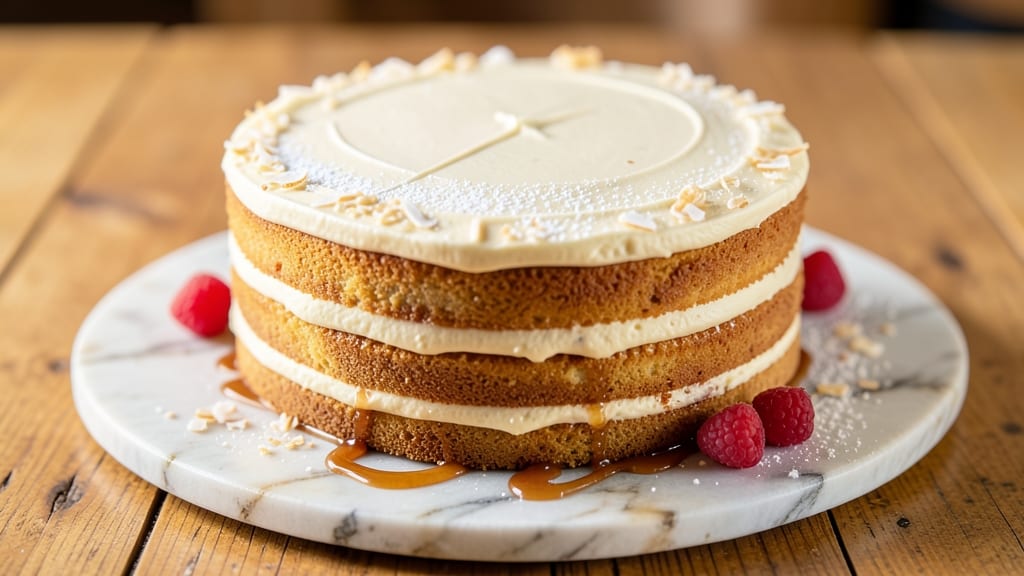
This vanilla cake recipe with two eggs delivers ultra-moist layers that stay tender for days—no dry crumbs in sight. ✨ I perfected it after years of testing, balancing simplicity with that perfect vanilla infusion that makes every slice feel like a treat.
The secret lies in the ratio of eggs to butter, creating a rich yet tender crumb that beginners and experienced bakers alike will love.
What makes this recipe stand out is how it achieves restaurant-quality moisture without requiring special ingredients or techniques. Two eggs provide just enough structure to hold the cake together while keeping it light and airy.
The vanilla extract is folded in at the end to preserve its delicate aroma, ensuring every bite tastes like pure comfort. Plus, the baking time is precise—no guessing, no overbaking.
By the time your cake emerges from the oven, you'll have golden layers with a fine crumb that practically melts in your mouth. The vanilla flavor is subtle yet present, letting the natural sweetness of the cake shine.
This is the kind of cake that tastes even better the next day, making it perfect for special occasions or a simple weekend dessert. Ready to bake?
The best part? This recipe scales effortlessly—whether you're making a single layer for two or a three-layer showstopper. The frosting options are endless, but the cake itself holds up beautifully to everything from classic buttercream to lighter whipped cream. Let's get started on creating your perfect vanilla cake.
Ingredients for vanilla cake recipe with two eggs
Two eggs, one cup butter, and pure vanilla—just the right balance for that ultra-moist cake you've been craving.
| Ingredient | Amount | Notes |
|---|---|---|
| All-Purpose Flour 🌾 | 2 cups | Sifted for light texture |
| Granulated Sugar 🍚 | 1 ½ cups | White or light brown |
| Unsalted Butter 🧈 | 1 cup | Room temperature, cubed |
| Large Eggs 🥚 | 2 whole | Room temperature, lightly beaten |
| Pure Vanilla Extract 🌸 | 2 tsp | High-quality, not imitation |
| Milk 🥛 | 1 cup | Whole milk preferred |
| Baking Powder 🍞 | 2 tsp | Diamond Crystal preferred |
| Salt 🧂 | ½ tsp | Fine sea salt |
| Vanilla Bean Paste 🌸 | 1 tbsp | For extra vanilla flavor |
| Vegetable Oil 🫒 | ¼ cup | Light neutral oil |
The butter matters here—unsalted, room temperature is non-negotiable for that tender crumb. I always grab Plugrá from the store because it's consistently high-quality, but any good brand works. The vanilla extract? No imitation stuff—this is where you taste the difference. If you're feeling fancy, add that extra vanilla bean paste for depth. The eggs should be at room temperature too—cold eggs make the cake dense. Pro tip: Whole milk gives the best flavor, but any milk works in a pinch.
No vanilla extract? Vanilla sugar or a scraped vanilla bean will save you. Out of baking powder? Baking soda plus cream of tartar works (use half the amount of baking soda). The oil can be swapped for melted butter if you prefer—just cool it completely first. For a richer flavor, brown sugar adds moisture and caramel notes. And if you're worried about dryness, add an extra tablespoon of milk when mixing. Trust me, this cake is forgiving!
This cake tastes even better the next day—wrap tightly in plastic to keep it moist. Store at room temperature for 3 days or freeze for 3 months. I like to slice it thin and layer with whipped cream or buttercream. For a showstopper, make two layers and fill with vanilla buttercream. The secret to perfect slices? Cool completely before frosting—no one likes a warm, melty mess!
Why You'll Love This Recipe
- No-Fuss Mixing: I swear by this recipe because it’s just flour, sugar, butter, eggs, and vanilla—no measuring cups of sour cream or weird ratios to stress over. Cream the butter and sugar until light, toss in the eggs one at a time, fold in dry ingredients, and boom. Done. The two-egg version keeps it light without requiring a third arm to mix.
- Vanilla That Sings: That pure vanilla extract? It’s the star. The buttercream topping (or even just a dusting of powdered sugar) makes every bite smell like a bakery—warm, buttery, and just sweet enough. Honestly, I’ve tried store-bought vanilla cake, and this one wins every time. The eggs add richness without heaviness, so it’s not cloying, just ridiculously good.
- Weeknight or Celebration: Between us, this cake is my lazy Sunday morning staple, but it also shows up at birthday parties. Frost it with whipped cream for a no-bake dessert, or slice it for breakfast—it’s that versatile. The two-egg version means it’s not too dense for a quick snack, but still impressive enough to serve guests.
- Budget-Friendly Leftovers: Two eggs, a stick of butter, and a few dollars’ worth of flour? This cake costs next to nothing to make, and it keeps for days in the fridge. I’ll be real: I’ve had a slice for lunch three days in a row without getting tired of it. Plus, the leftovers freeze beautifully—perfect for when you bake once and eat twice.
Step-by-step instructions for ultra-moist vanilla cake
Here's how to create layers that stay moist for days—no dry crumbs in sight!
🍳 Step 1: Cream Butter, Sugar, and Vanilla to Fluffy Perfection
In a stand mixer fitted with the paddle attachment, beat the 1 cup unsalted butter (room temperature) and 1.5 cups granulated sugar on medium speed for 3-4 minutes. You're looking for a light, pale, and fluffy mixture that nearly doubles in volume. This step incorporates air, which creates that tender crumb we're after.
Once the mixture is light and fluffy, add the 2 tsp pure vanilla extract and 1 tbsp vanilla bean paste, mixing on low speed for 30 seconds until fully combined. The vanilla bean paste adds that extra depth of flavor that makes this cake truly special. Here's the thing—don't rush this step. Properly creamed butter and sugar is the foundation of a moist cake.
👨🍳 Step 2: Add Eggs and Alternate with Dry Ingredients
Add the 2 whole large eggs (room temperature) one at a time, mixing on low speed for 30 seconds after each addition until fully incorporated. Then, add ½ cup of the 2 cups all-purpose flour, 1 cup milk, and 0.25 cup vegetable oil, mixing on low speed for 30 seconds just until combined.
In a separate bowl, whisk together the remaining 1.5 cups all-purpose flour, 2 tsp baking powder, and 0.5 tsp salt. With the mixer on low speed, gradually add the dry ingredients to the wet mixture, mixing just until the flour is incorporated. Be careful not to overmix—you should still see some streaks of flour. Overmixing develops gluten, which can make the cake tough instead of tender.
🥘 Step 3: Divide and Bake for Even Layers
Preheat your oven to 350°F and grease two 8-inch round cake pans, then line the bottoms with parchment paper. Divide the batter evenly between the two prepared pans. Here's the trick—I like to use a kitchen scale or a measuring cup to ensure both pans have exactly the same amount of batter. This ensures even baking and level layers.
Bake for 25-30 minutes, or until a toothpick inserted into the center comes out clean. The edges should be golden brown, and the top should spring back when gently touched. I know it's tempting to open the oven door to check, but resist! Every time you open the door, you risk causing the cakes to sink or develop a dome.
⏰ Step 4: Cool and Layer for Maximum Moisture
Remove the cakes from the oven and let them cool in the pans for 10 minutes. Then, run a thin knife or offset spatula around the edges to loosen them from the pans. Invert the cakes onto a wire rack to cool completely. This cooling process is crucial—it allows the cakes to set properly and prevents them from becoming gummy when layered.
Once completely cool, you're ready to layer. Here's where the magic happens: spread a thin layer of your favorite frosting or filling between the layers. I recommend using a simple vanilla buttercream or a light whipped cream filling. This step ensures that each bite is moist and flavorful. Don't skip it—it makes all the difference in that ultra-moist texture you're after!
Pro Tips For Making Vanilla Cake Recipe With Two Eggs
- Weigh the Butter Cold: I learned this the hard way—creaming butter and sugar at room temperature works, but cold butter gives you a lighter crumb. Take the butter straight from the fridge, cut it into tablespoons, and let it sit out for exactly 10 minutes before creaming. That’s enough to soften slightly but still hold its shape. (Yes, even if you’re impatient like me.)
- Sift the Flour Twice: This isn’t the prettiest method, but it’s the tastiest. After measuring your flour, give it a quick sift into the bowl, then stir it around with a fork. Sift it again right before folding it into the wet ingredients. The extra step cuts down on lumps and keeps the cake’s texture silky. (Your future self will notice the difference.)
- Stop Mixing at the Gluten Stage: Overmixing turns your cake into a chewy disaster. Once the flour is just combined with the butter-sugar-egg mixture—no streaks left—stop. The batter should look shaggy, not smooth. If you’re unsure, drop a spoonful in water: if it holds its shape, you’ve gone too far. (I skip this when I’m lazy, but the cake is noticeably better when I don’t.)
- Use a Toothpick and a Thermometer: A toothpick that comes out clean means your cake’s almost done—but not quite. Pull it out at 200°F (93°C) internal temp instead. The residual heat will finish cooking it evenly without overbrowning. (Your cake will thank you, especially if you’re baking in a hot oven or using a dark pan.)
Regional styles of vanilla cake recipe with two eggs
Southern Comfort Style
In the South, vanilla cake often gets a richer twist with buttermilk instead of milk and a touch of cornmeal (about 2 tbsp) mixed into the dry ingredients. This creates a denser, slightly crumbly texture that pairs perfectly with bourbon-infused frosting.
I like to add ½ tsp cinnamon to the batter for warmth. Serve with a scoop of vanilla ice cream for that classic Southern dessert experience. 🍦
French Vanilla Éclat
French bakers take vanilla cake to another level by incorporating 1 tbsp cornstarch into the flour mixture, which creates a lighter, more delicate crumb.
For an authentic touch, replace ½ cup of the milk with heavy cream and fold in 1 tbsp whipped egg whites at the end for extra airiness. This version is perfect for a light vanilla buttercream with a hint of lemon zest. The result?
A cake that's almost ethereal in texture. ✨
German Butter Cake Twist
German bakers often use sour cream instead of milk and add 1 tbsp lemon juice to the batter for brightness. The cake is baked in a single 9-inch round pan and topped with a rich vanilla glaze made from powdered sugar and milk.
For a festive touch, sprinkle the top with flaky sea salt before baking. This version stays moist for days and is perfect for celebrations. 🎉
Japanese Matcha Vanilla
For a modern twist, Japanese home bakers often infuse vanilla cake with 1 tbsp matcha powder (sifted into the dry ingredients) and use white miso paste (½ tsp) in the batter for umami depth. The frosting is typically a white chocolate ganache with a touch of soy milk.
This fusion creates a cake that's both delicate and complex, with a subtle earthiness that pairs beautifully with the vanilla. 🍵
Scandinavian Cardamom Vanilla
In Scandinavian kitchens, vanilla cake often includes ½ tsp ground cardamom and 1 tbsp aquavit (or vodka) in the batter for a subtle herbal note. The frosting is usually a simple sour cream glaze with a dusting of powdered sugar.
This version is lighter than traditional vanilla cake, with a subtle spice that makes it feel special without being overpowering. Perfect for cozy weeknight desserts. 🌿
Nutrition facts
Frequently asked questions
Why does this recipe use only two eggs?
Two eggs create the perfect balance of structure and moisture for this cake. They provide enough protein to hold the cake together while keeping it tender rather than dense. The butter and oil in the recipe also contribute to moisture, so we don't need the extra richness of three eggs. This ratio also makes the batter lighter and easier to mix by hand if you don't have a mixer.
Can I substitute butter with oil for a lighter cake?
Yes! Replace the 1 cup butter with 1 cup vegetable oil for a moister, slightly lighter cake. The oil keeps the crumb tender and extends shelf life. For best results, use a neutral oil like canola or vegetable oil. Just be aware the flavor will be slightly less rich than butter-based cakes, but it's still delicious.
How do I know when the cake is fully baked?
Your cake is done when a toothpick inserted in the center comes out clean (or with just a few crumbs). The edges should be golden brown, and the top should spring back slightly when gently pressed. Never rely on baking time alone—ovens vary! If the top browns too quickly, tent the cake with foil after 15 minutes to prevent over-browning.
Can I make this cake without vanilla bean paste?
If you don't have vanilla bean paste, use an extra 1 teaspoon of pure vanilla extract. For even deeper flavor, scrape seeds from ½ vanilla bean into the batter. The paste just adds those beautiful flecks of vanilla flavor—extract alone still works wonderfully. The cake will still taste amazing without it!
Why does my cake turn out dry?
Dry cake usually happens from overbaking, overmixing, or using cold ingredients. Check your oven temperature with an oven thermometer—it might be running hot. Also,