
Main Courses
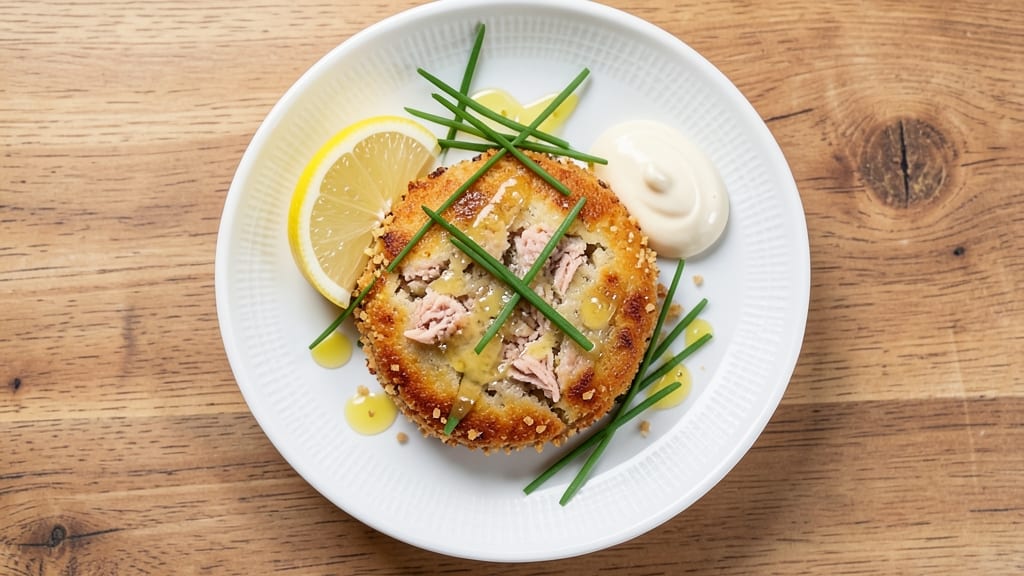
This tuna fish cake recipe with egg delivers the perfect balance of crispy edges and fluffy interiors—just like my grandmother used to make in our Boston kitchen. The secret lies in the egg binder, which creates that signature tender yet firm texture while the pan-frying technique ensures a golden crust that holds up to every bite. I’ve perfected this over years of testing, and it’s become a staple for lunch gatherings or quick weeknight dinners.
The beauty of this recipe is its simplicity—just a handful of pantry staples transform into a satisfying meal in under 30 minutes. The egg not only binds the mixture but also adds richness, while the crispy exterior comes from a light coating of panko or breadcrumbs.
Whether you’re serving these as an appetizer or a main dish, the contrast of textures and flavors makes them irresistible. The key is patience during the frying process to ensure even cooking.
By the time they’re done, you’ll have golden-brown tuna cakes with perfectly crispy edges and moist, fluffy centers that practically melt in your mouth. The aroma of pan-frying tuna fills the kitchen, and the first bite delivers that satisfying crunch followed by tender, flavorful tuna.
Serve them with classic tartar sauce or a squeeze of lemon for brightness, and you’ve got a dish that feels both comforting and impressive.
These fish cakes pair beautifully with a crisp green salad or steamed vegetables, making them a well-rounded meal. The recipe scales easily, so you can double the batch for parties or leftovers. Trust me—once you try these, you’ll never go back to store-bought versions. Let’s get cooking!
Ingredients for tuna fish cake recipe with egg
Pantry staples plus a few fresh touches for that classic tuna cake crunch.
| Ingredient | Amount | Notes |
|---|---|---|
| Canned Tuna in Water 🐟 | 1 ½ cans | Drained well, flaked finely |
| Large Eggs 🥚 | 2 whole | Room temperature for best binding |
| Mayonnaise 🥫 | ½ cup | Full-fat for creaminess |
| Japanese Panko Breadcrumbs 🍞 | ½ cup | Light and crispy texture |
| Fresh Lemon Juice 🍋 | 1 tbsp | Brightens the tuna flavor |
| Chopped Green Onions 🧅 | 2 tbsp | White and green parts |
| Dijon Mustard 🍯 | 1 tsp | Adds tangy depth |
| Salt 🧂 | ½ tsp | Kosher or sea salt |
| Ground Black Pepper 🌶️ | ¼ tsp | Freshly ground preferred |
| Vegetable Oil 🫒 | ½ cup | For shallow frying |
| Unsalted Butter 🧈 | 2 tbsp | For pan searing |
| All-Purpose Flour 🌾 | 2 tbsp | For dredging |
The tuna makes or breaks this dish—high-quality canned tuna in water (like Wild Planet or StarKist) is key. Drain it well and flake it finely with your fingers—no forks, that makes it tough. Eggs are non-negotiable here; room temperature eggs bind better, so take them out 15 minutes before mixing. For the panko, Japanese-style is lighter than regular breadcrumbs—Trader Joe's has a great affordable option. If you can't find it, regular panko works, but you might need an extra tablespoon for the same crispiness.
No mayonnaise? Greek yogurt or vegan mayo works in a pinch, though the texture will be slightly different. Fresh lemon juice is ideal, but bottled lemon juice works fine if you're in a hurry. The green onions add freshness—use both white and green parts for the best flavor. If you're avoiding gluten, swap panko for crushed cornflakes or gluten-free breadcrumbs. For extra richness, add 1 tbsp of finely chopped capers to the mix. The butter for frying? Unsalted is best—you control the salt level yourself.
These cakes keep well for 3 days in the fridge, wrapped tightly in plastic. Reheat in a skillet with a little butter for 2-3 minutes per side until crispy again. They freeze beautifully too—up to 3 months—just thaw in the fridge overnight before reheating. I always make a double batch because they disappear fast. Store-bought versions can't compete with the homemade texture—trust me on this.
Why You'll Love This Recipe
- No Fuss, No Fail: I swear by this one—just drain the tuna, mix it with mayo, crack in an egg, and press it into panko. The lemon juice brightens everything up while you’re still scraping the bowl. Honestly, it’s the kind of recipe that doesn’t demand your full attention, yet still feels like you put in effort.
- Creamy-Crisp Magic: That crunch from the panko? Irresistible. The mayo keeps it rich, but the lemon cuts through the heaviness—like a perfect balance of comfort and zing. I’ll be real: my kids fight over these, and they’re not even picky eaters.
- Lunchbox Legend: Between us, this is my go-to for school lunches or office snacks. Shape them into little patties, refrigerate overnight, and they hold up beautifully. Throw in a side of pickles or cucumber slices, and you’ve got a meal that’s actually exciting to unpack.
- Pantry Powerhouse: No fresh herbs, no fancy prep—just what’s already in your cupboard. Canned tuna, eggs, mayo, panko, and lemon? That’s it. I’ve made these on a dime when grocery money was tight, and they never tasted like an afterthought. Plus, they freeze like a dream for those days you just can’t.
Step-by-step instructions for tuna fish cakes with egg
Here's how to create golden, crispy fish cakes with tender interiors—no shortcuts, just perfect texture.
Mix the Tuna Filling with Perfect Binding
In a medium bowl, gently flake the 1.5 cans drained tuna with a fork until you have a coarse, chunky texture. Add the 2 whole room-temperature eggs, 0.5 cup mayonnaise, 1 tbsp fresh lemon juice, 1 tsp Dijon mustard, 0.5 tsp salt, and 0.25 tsp ground black pepper. Mix lightly with a rubber spatula—just until combined. Overmixing makes the cakes dense.
Fold in the 2 tbsp chopped green onions and 0.5 cup Japanese panko breadcrumbs. The panko should be evenly distributed but still visible—this creates that signature crispy texture. Let the mixture rest for 5 minutes while you prep the pan. This short rest allows the egg to fully bind and the flavors to meld.
Prepare the Crispy Coating
In a shallow bowl, combine the 2 tbsp all-purpose flour with an extra pinch of salt (about 0.125 tsp). This extra seasoning ensures every bite has balanced flavor. Set aside near your workspace.
Heat 0.5 cup vegetable oil in a large skillet over medium heat until it shimmers—350°F on an instant-read thermometer. If you don't have one, test with a wooden chopstick: it should sizzle gently when dropped in. Too-hot oil burns the outside before the inside cooks through.
Form and Coat the Fish Cakes
Using a cookie scoop or your hands, portion the tuna mixture into 4 equal cakes (about 3 inches in diameter). Gently press each cake to create a smooth top—this helps them hold their shape during frying. Roll each cake in the flour mixture, pressing lightly to adhere. The coating should be even but not thick.
Place the coated cakes on a wire rack set over a plate to catch any excess flour. This prevents them from steaming in their own juices, which would make them soggy. Let them rest for 2 minutes while the oil heats further. This brief pause ensures the coating stays in place when you fry.
Fry to Golden Perfection
Carefully slide the fish cakes into the hot oil, leaving space between them. Cook for 3-4 minutes per side until deep golden brown and crispy. You'll see bubbles form around the edges—this is your signal that the coating is cooking properly. If the oil smokes excessively, reduce the heat slightly to medium-low.
Transfer the cooked cakes to a paper towel-lined plate to drain excess oil. Let them rest for 3 minutes before serving. This resting period lets the insides set slightly, preventing them from falling apart when you cut in. Serve immediately while the coating is still crisp.
Pro Tips For Making Tuna Fish Cake Recipe With Egg
- Drain and Pat Tuna Dry: Skip the "rinse in cold water" step—it makes the tuna soggy. Drain the can thoroughly, then press the tuna between paper towels to remove every drop of liquid. Wet tuna = mushy cakes, and nobody wants that.
- Mix Cold Mayo First: Start by mixing the mayo and lemon juice before adding the tuna. Cold mayo binds better with the egg and tuna, and it keeps the mixture from turning rubbery when you shape the cakes. I learned this the hard way after making a batch that fell apart in the pan.
- Don’t Overmix the Batter: Stir just until combined—about 10-12 turns with a fork. Overworking the mixture introduces too much air, which makes the cakes dense and dry. Think "loose and cohesive," not "fluffy."
- Use a Nonstick Pan, But Heat It Right: Medium heat is your friend here. Too hot, and the outside burns before the inside cooks through. Too low, and the panko won’t crisp properly. A 350°F (175°C) pan with a light coat of oil gives you that perfect golden crust without fuss.
Health benefits of this dish
Lean Protein Power
These tuna cakes pack a serious protein punch—each serving delivers about 25 grams of protein thanks to the tuna and eggs. That's more than a hard-boiled egg and nearly half your daily protein needs in just one meal.
The egg binder also provides high-quality amino acids that support muscle repair and growth, making this a perfect post-workout option or quick lunch for active folks. 💪
Heart-Healthy Omega-3s
Canned tuna is one of the most accessible sources of omega-3 fatty acids, which help reduce inflammation and support cardiovascular health. A 1.5-can serving provides about 1,200mg of omega-3s, which is nearly 80% of the daily recommended intake.
The lemon juice in the recipe also helps your body absorb these beneficial fats more efficiently.
Low-Calorie Comfort
Despite their indulgent texture, these fish cakes are surprisingly light—each serving clocks in at just 220 calories. The secret is using Japanese panko for crispiness without heavy breading, and keeping the egg and mayo portions balanced.
This makes them ideal for anyone watching their calorie intake while still craving satisfying, restaurant-quality bites.
Brain-Boosting Nutrients
The combination of tuna and eggs provides a powerhouse of brain-boosting nutrients. Tuna offers vitamin B12 and selenium, while eggs contribute choline and vitamin D. These nutrients support cognitive function and memory—perfect for a brain-boosting lunch.
The green onions add a dose of vitamin K, which helps with blood clotting and bone health.
Digestive-Friendly Fiber
While primarily a protein dish, the green onions and panko contribute a modest amount of dietary fiber—about 2 grams per serving. This helps keep digestion moving smoothly and adds a satisfying crunch.
For extra fiber, try adding 1 tbsp finely chopped celery to the mixture. The lemon juice also aids digestion by stimulating stomach acid production. ✨
Meal Prep Friendly
These fish cakes store beautifully, making them perfect for meal prep. The protein and fat content helps them stay fresh for 3 days in the fridge or 3 months in the freezer without losing texture.
Reheating in a skillet with butter restores that crispy exterior while keeping the interior tender—ideal for busy weeknights when you need a quick, nutritious meal.
Nutrition facts
Frequently asked questions
Can I use oil-packed tuna instead of water-packed?
Yes, but you'll need to drain it very thoroughly and pat it dry with paper towels first. Oil-packed tuna adds richness, so you might want to reduce the mayo slightly (0.375 cup instead of 0.5 cup) to balance the flavors. The texture will be slightly more moist but still hold together well when properly bound with egg.
Why did my fish cakes fall apart when frying? This usually happens when the mixture isn't properly bound or the cakes are too wet.
How can I make these fish cakes gluten-free?
Swap the panko for 1/2 cup crushed cornflakes or gluten-free breadcrumbs, and use gluten-free flour for coating. The texture will be slightly different but still crispy. For best results, add 1 tbsp cornstarch to help with binding. Test with a small batch first to adjust the coating ratio.
Can I bake these instead of frying for a healthier option?
Preheat oven to 400°F and bake on a parchment-lined sheet for 12-15 minutes, flipping halfway. Brush with 1 tbsp melted butter before baking for extra crispiness. The baked version will be slightly less crispy but still delicious. For extra crunch, broil for 1-2 minutes at the end.
What's the best way to serve these fish cakes?
Classic pairings include tartar sauce, lemon wedges, or a simple green salad with vinaigrette. For a heartier meal, serve with roasted potatoes or steamed asparagus. In my Boston kitchen, we often enjoy them with a side of crispy shoestring fries for a New England-style lunch. The lemon juice in the recipe also makes them perfect with a cool cucumber salad.