
Breakfast & Brunch
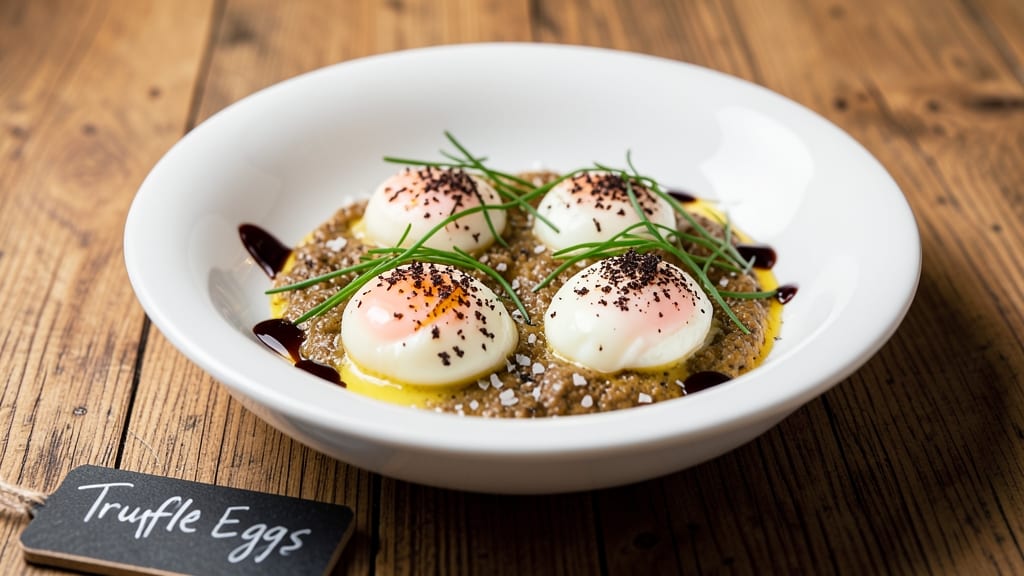
Mastering truffle eggs transforms a simple breakfast into an earthy, luxurious dish that feels like a restaurant experience at home. The secret lies in balancing rich truffle flavor with perfectly cooked eggs, whether poached, scrambled, or baked—no fancy equipment required.
I developed this technique after years of experimenting with truffle oil and shavings, and it consistently delivers that coveted gourmet touch.
The beauty of this recipe is its versatility and simplicity. You can achieve restaurant-quality results in just 15 minutes using pantry staples and a few key ingredients: eggs, truffle oil, butter, and fresh herbs. The truffle paste or shavings add depth without overpowering, while the eggs remain tender and flavorful.
What makes this technique special is how it elevates ordinary eggs into something extraordinary—ideal for brunch, weekend mornings, or even a light dinner.
By the time you finish, you’ll have eggs infused with that unmistakable truffle aroma and earthy richness, paired with a velvety texture that melts in your mouth.
The presentation is just as important: a drizzle of truffle oil, a sprinkle of flaky salt, and fresh herbs complete the dish, making it look as impressive as it tastes. Whether you're serving this to guests or treating yourself, it’s a game-changer for any breakfast table.
This method works equally well for poached, scrambled, or baked eggs, so you can adapt it to your preferred style. The key is precision in timing and truffle incorporation—just a few drops of oil or a pinch of shavings can make all the difference.
Let’s get started on creating your own truffle-infused masterpiece.
Ingredients for truffle eggs
Pantry staples plus a few luxury touches. Ten minutes to transform ordinary eggs into something extraordinary.
| Ingredient | Amount | Notes |
|---|---|---|
| Large Eggs 🥚 | 8 whole | Room temperature for even cooking |
| Unsalted Butter 🧈 | ½ cup | Cold, cubed for poaching |
| Truffle Oil 🍄 | 2 tbsp | High-quality, 100% pure |
| Truffle Shavings 🍄 | 1 tbsp | Fresh, finely shaved |
| Fresh Chives 🌿 | ¼ cup | Finely chopped for garnish |
| Flaky Sea Salt 🧂 | 1 tsp | Like Maldon for finishing |
| Fresh Black Pepper 🌶️ | ¼ tsp | Freshly cracked for brightness |
| White Vinegar 💧 | 1 tbsp | For poaching liquid |
| Heavy Cream 🥛 | ¼ cup | Optional for baked version |
| Extra-Virgin Olive Oil 🫒 | 1 tbsp | For drizzling on eggs |
| Garlic Cloves 🧄 | 2 cloves | Minced for flavor base |
| Shallots 🧅 | 2 whole | Thinly sliced for garnish |
The truffle oil and shavings are where the magic happens. Look for 100% pure truffle oil—none of that 'truffle-flavored' stuff. Costco or specialty stores like Whole Foods carry the good kind, and it's worth every penny. Fresh truffle shavings? Local gourmet shops or high-end markets are your best bet, but a good-quality jarred shaving works in a pinch. For the eggs, room temperature is key—they cook more evenly. I always grab freedom-range eggs from the grocery store—they're richer and creamier than standard eggs. And don't skip the vinegar in the poaching water—it keeps the whites tight and the yolks vibrant.
No truffle oil? Truffle paste mixed with olive oil (1 tsp paste to 1 tbsp oil) works surprisingly well. Short on fresh herbs? Dried chives at half the amount get you close, though fresh is always better. The butter should be cold and cubed for poaching—it melts into the water and creates a silky texture. For the baked version, heavy cream instead of milk makes the eggs extra luscious. And if you can't find shallots, green onions work just as well. The garlic? Freshly minced is ideal, but powdered in a bind (just taste it first—it's way more potent).
Store any leftover truffle oil in the fridge—it keeps for 6-12 months that way. Fresh truffle shavings? Use them all at once—they lose their aroma quickly. The eggs themselves? Poached eggs hold for 2 days in the fridge, but I find they're best eaten fresh. For baked eggs, they reheat beautifully—just a quick 30 seconds in the microwave with a splash of water. And if you're making a big batch, portion the truffle oil and shavings into small containers—they'll keep for 1 week in the fridge, ready to elevate any dish.
Why You'll Love This Recipe
- One-Pan Luxury: I swear by this recipe when I want restaurant-quality eggs without the fuss—just poach, coat, and garnish. The butter bath does all the work while you handle the eggs, and cleanup is just a wipe-down of two pans. Honestly, it feels like cheating when something this elegant takes less than 30 minutes.
- Earthy Umami Bomb: That first bite where the truffle butter meets the runny yolk? Chef’s kiss. The truffle oil and shavings add this deep, foresty richness, while the minced garlic and shallots in the poaching water give it a subtle, savory depth. It’s not just fancy—it’s ridiculously flavorful for something so simple.
- Weeknight to Weekend: These eggs work for breakfast or dinner, solo or as a crowd-pleaser. Serve them on toast for a lazy Sunday brunch, or arrange them on a platter with crusty bread for a dinner party that’ll impress without the stress. (Yes, even on a Tuesday night.)
- Truffle Oil Treasure: Between us, that leftover truffle oil is worth the splurge alone. You’ll keep it in the fridge for months, drizzling it on pasta, salads, or even popcorn when you’re craving that luxurious bite. And since the eggs themselves are best fresh, you won’t waste a drop—just use it up in other ways. Smart, right?
Step-by-step instructions for truffle eggs
Here's how to transform simple eggs into luxurious truffle-infused bites with minimal effort.
Prepare the Poaching Liquid and Aromatics
In a small saucepan, combine 4 cups water, the 1 tablespoon white vinegar, the 2 cloves garlic cloves (minced), and the 2 whole shallots (thinly sliced). Bring to a gentle simmer over medium heat—you want small bubbles breaking the surface, not a rolling boil. The vinegar lowers the eggs' surface tension, preventing them from spreading while poaching.
Simmer for 5 minutes to infuse the liquid with garlic and shallot flavors. Strain through a fine-mesh sieve to remove the solids, pressing gently to extract all the aromatic essence. Return the clear liquid to the pan and keep it at a bare simmer—this is your poaching bath. The liquid should remain just below a full boil to maintain even cooking without breaking the eggs' yolks.
Poach the Eggs to Perfect Doneness
Gently lower each of the 8 whole large eggs into the simmering liquid using a slotted spoon. Space them evenly to prevent overcrowding, which can lower the temperature and result in uneven cooking. Poach for 3 minutes and 30 seconds for softly set yolks or 4 minutes for fully set yolks—this is where precision matters most. You'll know they're ready when the whites are opaque all the way through but the yolks remain vibrant and slightly wobbly.
Use the slotted spoon to carefully transfer the poached eggs to a paper towel-lined plate. Pat them dry gently with another paper towel to remove any excess moisture—this step ensures your truffle oil clings beautifully to the eggs later. Work in batches if needed, keeping the poaching liquid at a simmer between additions. The eggs should be warm but not hot to the touch when removed.
Create the Truffle Butter Bath
In a separate saucepan, melt the 0.5 cup unsalted butter over low heat until it becomes a smooth, golden liquid. Remove from heat and stir in the 2 tablespoons truffle oil—this is where the magic happens. The butter should maintain its color but develop an earthy aroma from the truffle oil. If you're using the optional 0.25 cup heavy cream, gently warm it separately and whisk it into the butter mixture to create a richer, silkier coating.
Keep this truffle butter bath warm but not simmering—you want it to coat the eggs without cooking them further. The butter should be thick enough to cling to the eggs but still flow smoothly when drizzled. This mixture will become the luxurious, velvety exterior that makes these eggs extraordinary. If the butter begins to separate, gently reheat and whisk until fully emulsified again.
Coat and Garnish the Truffle Eggs
Using a small ladle or spoon, carefully dip each poached egg into the warm truffle butter bath, coating it completely. Let any excess butter drip off back into the pan. Arrange the coated eggs on a warmed serving platter, keeping them slightly apart for easy garnishing. The butter should create a glossy, golden crust that encases each egg perfectly.
Sprinkle each egg with a pinch of the 1 teaspoon flaky sea salt and a few cracks of the 0.25 teaspoon fresh black pepper. Then, scatter the 0.25 cup fresh chives (finely chopped) and the 1 tablespoon truffle shavings evenly over the top. Drizzle each egg with a tiny amount of the 1 tablespoon extra-virgin olive oil to enhance the truffle flavor and add a touch of brightness. The presentation should be elegant yet rustic, with every bite promising layers of earthy truffle and creamy richness.
Pro Tips For Making Truffle Eggs
- Prep Eggs Right: Take those eggs out of the fridge at least 30 minutes before cooking—cold eggs tighten up and turn into rubbery little bricks when poached. I learned this the hard way after making a batch that looked like sad, overcooked blobs instead of silky clouds.
- Strain That Broth: Don’t skip pressing the garlic and shallots through the sieve—those tiny bits pack serious flavor. I used to just skim them, and the poaching liquid tasted bland. A few extra seconds here make a real difference.
- Butter Bath Temp Matters: Keep that truffle butter bath warm, not hot—if it gets too aggressive, the eggs will cook further and turn into scrambled bits. Test with a spoon: it should coat your wrist but not burn you. (Yes, even if you’re impatient like me.)
- Dry Eggs Thoroughly: Pat those poached eggs really dry with paper towels before dipping them in the butter. Any moisture and your truffle oil will just slide off, leaving you with sad, greasy eggs instead of glossy, luxurious bites. Trust the process—your future self will thank you.
Wine and beer pairings for this recipe
White Wine Pairings
For truffle eggs, I always reach for a crisp, mineral-driven white wine that complements the earthy depth without overpowering it. A Chablis from Burgundy—specifically a Montrachet or Meursault—is my go-to.
The bright acidity and subtle nutty notes mirror the truffle's aroma, while the wine's mineral finish cleanses your palate between bites. If you prefer something lighter, a Pinot Grigio from Alto Adige in Italy offers citrusy freshness that contrasts beautifully with the richness. 🍷
Sparkling Wine Harmony
Prosecco or Cava adds a festive touch while balancing the dish's richness. The bubbles cut through the buttery eggs, and the slight sweetness in Prosecco enhances the truffle's earthiness. I like La Marca Prosecco for its crispness or Freixenet Cordon Negro Cava for a Spanish twist.
Serve it well-chilled to maintain its effervescence and refresh your palate between each luxurious bite.
Beer Pairings
A light, crisp lager like Peroni or Heineken works surprisingly well, especially if you prefer beer to wine. The clean, slightly malty profile complements the truffle without competing. For craft beer lovers, a Belgian witbier—like Hoegaarden—adds a citrusy lift that brightens the dish.
Avoid heavy stouts or IPAs, as their bold flavors can overpower the delicate truffle notes.
Non-Alcoholic Options
For a refreshing non-alcoholic pairing, I recommend a sparkling apple cider like Martinelli's. The effervescence and slight sweetness mirror the wine pairings while keeping the dish light.
Alternatively, a ginger beer with a splash of lime adds a zesty contrast that enhances the truffle's earthiness. Both options work beautifully for brunch or lighter meals.
Truffle-Infused Cocktails
For a showstopper, try a truffle-infused gin and tonic. Add 2 drops of truffle oil to your gin before mixing with tonic and garnish with a lemon twist. The earthy aroma ties directly into the dish, creating a cohesive dining experience.
I also love a white wine spritzer—mix ½ cup dry white wine with ½ cup soda water and a splash of truffle oil for a sophisticated sip.
Serving Temperature Tips
Always serve your wine or beer slightly chilled—around 45-50°F for whites and 40-45°F for sparkling wines. This enhances their aromas and balances the truffle's richness. I keep a wine cooler in my kitchen for quick chilling, and it makes all the difference in elevating the dining experience. 💫
Nutrition facts
Frequently asked questions
Can I make truffle eggs without fresh truffle shavings?
Use 1 teaspoon truffle paste mixed with 1 tablespoon olive oil for the same rich flavor. The paste blends seamlessly into the butter bath, delivering that signature earthy aroma without compromising texture. For extra depth, add a few drops of high-quality truffle oil to the garnish.
How do I prevent the eggs from breaking while poaching?
Use room-temperature eggs (never cold) and add them to the simmering water gently with a spoon. Keep the water at a bare simmer—not a rolling boil—and avoid overcrowding. A splash of white vinegar in the water helps tighten the whites. If an egg breaks, rescue the yolk by straining it through a fine-mesh sieve.
What's the best way to reheat leftover truffle eggs?
For poached eggs, place them in a 350°F oven for 5-7 minutes on a baking sheet with a splash of water. Scrambled or baked versions reheat well in a skillet over low heat for 2-3 minutes. Avoid microwaving—it makes the butter greasy. Always reheat gently to preserve the truffle flavor.
Can I substitute truffle oil with something else?
Truffle oil is irreplaceable for its aroma, but you can mimic the flavor with a mix of 1 tbsp olive oil + ½ tsp mushroom powder + pinch of garlic powder. For depth, add a drop of almond extract. The texture won't be identical, but it'll add earthy notes.
Are these eggs kid-friendly?
Not traditionally! Truffle's intense flavor is an acquired taste. For kids, serve the eggs plain with toast, then let them add their own toppings (like ketchup or cheese). You can also make a milder version with just ½ tbsp truffle oil and skip the shavings.