
Main Courses
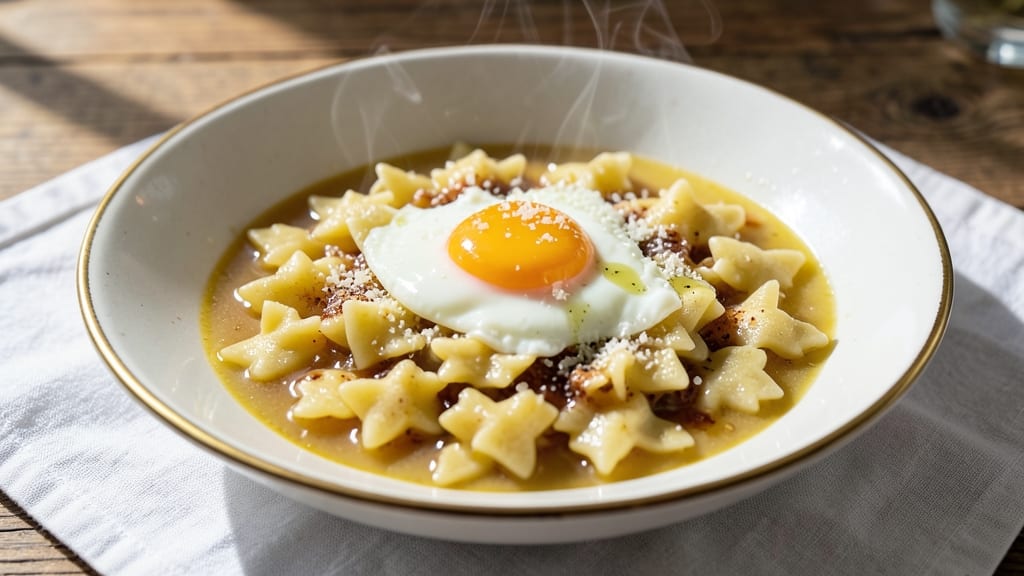
This traditional pastina recipe with egg brings the soul-warming flavors of Southern Italy to your table with just five simple ingredients. The secret lies in the perfect balance of al dente noodles and silky poached eggs, creating a dish that feels both rustic and luxurious.
I first discovered this recipe during a trip to Calabria, where it's a staple for quick yet satisfying meals.
The beauty of this dish is in its simplicity: tiny egg noodles simmered in broth until tender, then finished with poached eggs that blend seamlessly into the creamy sauce.
What makes it truly special is the technique of cooking the pasta directly in the egg mixture, creating a velvety texture that coats every strand. This method ensures each bite delivers that perfect combination of tender pasta and rich egg.
What you'll end up with is a dish that's elegant enough for company but simple enough for a weeknight dinner. The poached eggs add a luxurious touch while keeping the preparation straightforward—no complicated techniques required. The result is a comforting, creamy bowl that captures the essence of Italian home cooking.
Pair this dish with a simple green salad or crusty bread to complete the meal. The versatility of pastina allows it to work as a light lunch or a hearty dinner, making it perfect for any occasion. Here's how to create this timeless Italian classic in your own kitchen.
Ingredients for traditional pastina recipe with egg
Five ingredients transform into a luxurious Italian classic—creamy, comforting, and full of soul.
| Ingredient | Amount | Notes |
|---|---|---|
| Pastina (Star-Shaped Egg Noodles) 🍝 | ½ lb | Italian-style, al dente texture |
| Large Eggs 🥚 | 4 whole | Fresh, room temperature |
| Vegetable Broth 💧 | 4 cups | Low-sodium, homemade preferred |
| Unsalted Butter 🧈 | 2 tbsp | European-style for richness |
| Freshly Grated Parmesan Cheese 🧀 | ¼ cup | Aged 24 months minimum |
| White Wine Vinegar 🍶 | 1 tbsp | For poaching liquid |
| Diamond Crystal Kosher Salt 🧂 | 1 tsp | For seasoning broth |
| Freshly Ground Black Pepper 🌶️ | ¼ tsp | Cracked peppercorns preferred |
| Extra-Virgin Olive Oil 🫒 | 1 tbsp | For finishing |
The pastina is everything here—look for Italian-style egg noodles (not semolina) at Whole Foods or the international aisle. De Cecco or Buitoni brands are my go-to for that perfect al dente texture. If you can't find star-shaped, any small pasta works in a pinch. The eggs? Room temperature is key for perfect poaching—just take them out of the fridge 30 minutes before cooking. For the broth, homemade is ideal, but even the best low-sodium store-bought will work. The Parmesan should be aged—24 months minimum—for that nutty depth that makes this dish sing.
No white wine vinegar? Apple cider vinegar works just as well. Short on butter? Olive oil at double the amount keeps things creamy. Want to make it even richer? Swap half the broth for heavy cream—it's a restaurant trick. The kosher salt matters here—Diamond Crystal dissolves more easily than Morton. For poaching, I always use a wide, shallow pan—it gives the eggs room to float properly. And if you're feeling fancy, add a pinch of sugar to the poaching liquid to help the whites set faster.
This dish tastes even better the next day—honestly, the flavors meld into something magical. Keeps for 3 days refrigerated in an airtight container, though I'd recommend eating it within 24 hours for that perfect egg texture. For leftovers, just reheat gently with a splash of broth. Freezing isn't recommended—the eggs get rubbery. The secret to serving? A drizzle of extra-virgin olive oil and extra Parmesan right before eating. Trust me, it's worth the extra minute.
Why You'll Love This Recipe
- Minimal Ingredient List: I swear by this recipe because it’s that simple—just five things. No chopping, no blending, no last-minute grocery runs. The pastina cooks in minutes, the eggs poach right in the broth, and the butter and Parmesan? They’re the magic touch that turns it into something special without any fuss.
- Creamy Eggy Goodness: That first bite of tender pastina wrapped around a silky egg yolk? Chef’s kiss. The broth keeps everything just shy of dry, while the butter and Parmesan melt into a velvety finish. It’s rich but light, salty but not heavy—like a hug in a bowl, but one that won’t leave you stuffed.
- Lunchbox or Dinner Plate: Between us, this is my go-to for anything. Pack it cold in a thermos for a picnic, serve it warm for a quick weeknight dinner, or even reheat leftovers (yes, they’re still good). The eggs stay creamy, the pastina holds its shape, and the Parmesan adds that chef’s touch no matter when you eat it.
- Budget-Friendly Luxury: Here’s what sold me—it’s ridiculously affordable but feels fancy. Eggs, broth, butter, and a little cheese stretch to feed four for under $10. I make it when I’m broke but still want to eat well, and honestly? No one ever guesses how cheap the ingredients were. That’s the win.
Step-by-step instructions for traditional pastina with egg
Here's how to transform simple ingredients into an elegant, restaurant-worthy dish with rich poached yolks and al dente noodles.
Prepare the Poaching Broth
In a medium saucepan, combine the 4 cups vegetable broth and 1 tablespoon white wine vinegar. Bring to a gentle simmer over medium heat until small bubbles form around the edges—but don't let it boil vigorously. The vinegar adds brightness and helps set the egg yolks beautifully.
Season immediately with 1 teaspoon kosher salt and ¼ teaspoon freshly ground black pepper, stirring until fully dissolved. Taste and adjust seasoning if needed—this is your flavor foundation. Keep the broth at a gentle simmer (around 180-190°F) throughout the cooking process. If it boils hard, the eggs will scramble instead of poach properly.
Cook the Pastina to Al Dente Perfection
While the broth simmers, bring a separate pot of heavily salted water to a rolling boil. Add the ½ pound pastina and cook according to package directions—usually 8-10 minutes—but test for doneness 1 minute early. The noodles should be al dente with a slight bite in the center when bitten.
Drain immediately and rinse under cold water to stop cooking. Toss with 1 tablespoon unsalted butter and ¼ cup freshly grated Parmesan cheese while still warm. This creates a velvety coating that carries the rich egg flavors. Set aside in a warm bowl—don't let it cool completely.
Poach the Eggs to Silky Perfection
Return the seasoned broth to a gentle simmer (small bubbles at the edges). Crack each of the 4 large eggs into small ramekins or coffee cups. Using a spoon, gently stir the water in a circular motion to create a whirlpool—this helps the eggs settle in the center.
Lower each egg into the broth one at a time, maintaining that gentle simmer. Cook for 3-4 minutes until the whites are set but the yolks remain completely runny. Use a slotted spoon to remove them and drain on a paper towel-lined plate. The yolks should be bright orange and liquid—this is your moment of truth.
Assemble the Luxe Presentation
Divide the buttered pastina among 4 warm bowls, keeping the noodles piled high in the center. Nestle one poached egg into each portion, allowing the runny yolk to spill slightly over the noodles. Drizzle with the remaining 1 tablespoon extra-virgin olive oil and sprinkle with additional freshly grated Parmesan and black pepper.
Serve immediately with a small side of crusty bread to soak up the luxurious yolk sauce. The contrast of al dente noodles with velvety yolks creates a textural symphony that's pure comfort food elevated to fine dining. Each bite should deliver that perfect balance of rich, creamy egg and chewy, buttery noodles.
Pro Tips For Making Traditional Pastina Recipe With Egg
- Cook Pastina Al Dente: DESCRIPTION: Star-shaped pastina cooks faster than it looks—test it at 1 minute, not 3. The second it floats, drain it immediately. Overcooking turns it mushy, and no one wants sad, limp noodles in their eggy broth.
- Use Room-Temp Eggs: DESCRIPTION: Cold eggs from the fridge drop straight to the bottom of your hot broth like rocks. Crack them into a bowl first and let them sit for 10 minutes. They’ll poach evenly and blend into creamy silk instead of curdling.
- Salt the Broth Hard: DESCRIPTION: Skip the salt if your broth is homemade, but if it’s store-bought, add 1½ teaspoons per quart. Unsalted butter and Parmesan need the broth to taste bold—otherwise, your dish ends up tasting like watered-down custard.
- Finish with Butter, Not Stir: DESCRIPTION: Toss the drained pastina with butter off the heat—heat makes the eggs scramble. Let the butter melt into the noodles first, then fold in the eggs gently. This keeps them glossy and intact, not scrambled into oblivion.
Flavor customization for this dish
Classic Italian Style
Stick to the traditional approach by keeping the flavors pure and simple. Use white wine vinegar for brightness and Parmesan for depth—this is the foundation of the dish. The key is balancing the buttery richness of the noodles with the silky texture of the poached eggs.
I always add a pinch of sugar to the poaching liquid to help the whites set while keeping the yolks runny. This method ensures each bite has that authentic Italian comfort food feel. 🥚
Creamy Luxe Version
For a richer, restaurant-style twist, swap half the broth for heavy cream before cooking the pastina. This creates a velvety sauce that coats the noodles beautifully. I also add a splash of whole milk to the poaching liquid for extra tenderness in the eggs.
Finish with extra Parmesan and a drizzle of truffle oil for that gourmet touch. It’s decadent but still simple to prepare. 💛
Spicy Heat Twist
Add a kick by stirring in ½ teaspoon red pepper flakes with the Parmesan butter after cooking the pastina. For extra heat, crack a pinch of cayenne into the poaching liquid. Garnish with fresh chili oil or a sprinkle of crushed black pepper for a Southern Italian flair.
This version is perfect for those who love bold flavors while keeping the dish creamy and comforting. 🌶️
Herb-Infused Freshness
Brighten the dish with fresh herbs like basil or parsley. Toss the cooked pastina with 2 tablespoons chopped basil and finish with a drizzle of lemon zest for a lighter, fresher take.
I also like adding a handful of spinach to the poaching liquid for a pop of color and nutrition. This version feels spring-like and pairs beautifully with a simple arugula salad. ✨
Cheesy Extravaganza
Take it to the next level by adding ½ cup grated Pecorino Romano to the Parmesan butter mixture. For an even creamier texture, stir in 2 tablespoons cream cheese with the butter.
The extra cheese adds a nutty depth that balances the richness of the eggs. This version is pure indulgence—perfect for special occasions or when you want to treat yourself. 🧀
Vegetable-Inspired
Add seasonal vegetables for extra texture and nutrition. Sauté ½ cup diced mushrooms or roasted cherry tomatoes in olive oil before tossing with the cooked pastina. For a spring version, try asparagus tips or peas—just add them to the poaching liquid for the last 2 minutes of cooking.
This keeps the dish light while adding vibrant flavors and colors. 🥗
Nutrition facts
Frequently asked questions
Can I use regular pasta instead of pastina?
While you can technically use small pasta shapes like orzo or ditalini, pastina's unique star shape is what makes this dish special. The tiny, intricate cuts create more surface area for the egg to cling to, creating that signature creamy texture. If you're in a pinch, look for "star-shaped egg noodles" or any small, delicate pasta—just cook them 1 minute less than package instructions to maintain al dente perfection.
Why do my poached eggs turn out rubbery?
Rubbery eggs usually mean the broth was too hot or the cooking time was too long. Keep your broth at a gentle simmer (small bubbles at edges only) and never let it boil. Cook eggs for exactly 3-4 minutes—any longer and the yolks will start to firm up. Fresh eggs also poach better than older ones, so use eggs no more than 1 week old for the best results.
How can I make this dish ahead of time?
This dish tastes even better the next day! Cook the pastina and Parmesan butter mixture, then refrigerate in an airtight container for up to 2 days. Reheat gently with a splash of broth until warm. For the eggs, poach them fresh when ready to serve—they won't reheat well. You can also prepare the poaching broth in advance and store it refrigerated for 3 days or frozen for 1 month.
What's the best way to reheat leftovers?
Always reheat gently to preserve the egg texture. Place the cold pastina in a saucepan with ½ cup fresh broth and heat over low heat until just warmed through (2-3 minutes). Never microwave—it makes the eggs grainy. For extra richness, stir in 1 teaspoon butter while reheating. The noodles will absorb the liquid beautifully, restoring that creamy texture.
Can I make this vegetarian without eggs?
Traditionally, eggs are essential for this dish as they provide the rich, creamy element. However, you could substitute with silken tofu cubes (poached in the broth) or vegetarian chicken-style strips for texture. For a vegan version, try using cashew cream sauce instead of the egg mixture, though the texture will differ significantly from the original.