
Salads
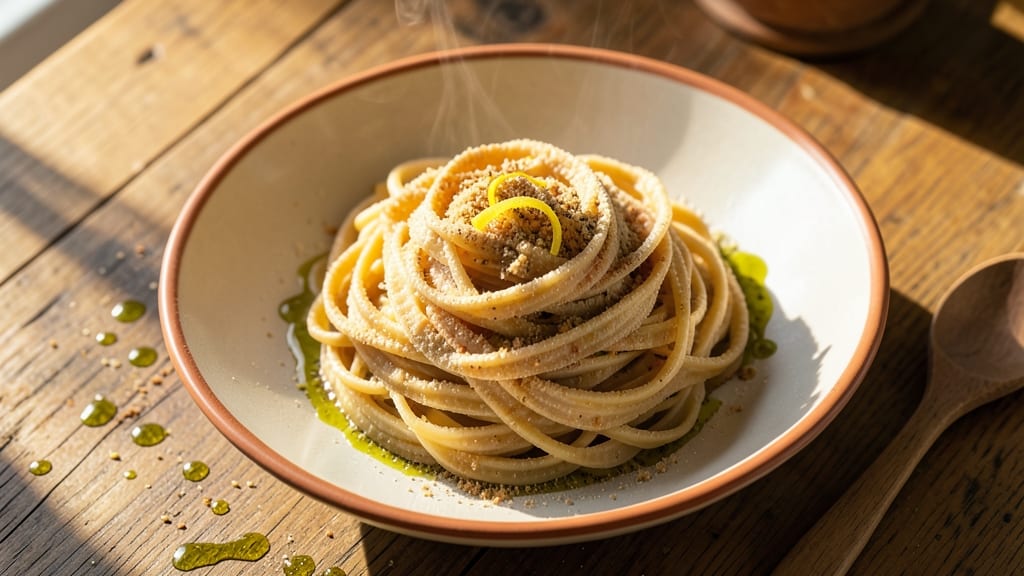
This traditional egg pasta recipe delivers authentic Italian al dente noodles with that signature silky yolk infusion you can't get from store-bought. The secret lies in the perfect ratio of flour, eggs, and just a pinch of salt—no water needed for that classic Roman texture.
After years of perfecting the technique, I've developed a method that ensures smooth dough, thin noodles, and that coveted tender-yet-firm bite.
The process begins with mixing the dough by hand, which develops the gluten properly for that authentic texture. You'll knead until smooth, then rest it for 30 minutes—a crucial step that relaxes the gluten for perfect rolling.
The dough should be firm enough to handle but still pliable, creating the ideal consistency for cutting thin, delicate strands. This isn't just pasta; it's a labor of love that transforms simple ingredients into something extraordinary.
What makes this recipe truly special is how the eggs infuse the flour during resting, creating that signature golden hue and tender yet firm bite. The noodles cook in just 2-3 minutes to al dente perfection—no mushy texture here.
Whether you pair it with classic ragù or creamy Alfredo sauce, this homemade pasta elevates any dish to restaurant-quality status. The difference between homemade and store-bought is undeniable once you try this method.
For best results, use 00 flour if available, though all-purpose works beautifully. The key is patience—don't rush the resting or rolling stages. Once mastered, this technique becomes your new standard for pasta-making. Let's get started on creating the perfect noodles from scratch.
Ingredients for traditional egg pasta
Four ingredients transform into golden, al dente noodles with that signature yolk richness.
| Ingredient | Amount | Notes |
|---|---|---|
| All-Purpose Flour 🌾 | 2 cups | Sifted for smooth dough |
| Large Eggs 🥚 | 4 whole | Room temperature preferred |
| Fine Sea Salt 🧂 | ½ tsp | Diamond Crystal preferred |
| Extra-Virgin Olive Oil 🫒 | 1 tbsp | For dusting work surface |
| Semolina Flour 🌾 | ¼ cup | For dusting pasta strands |
| 00 Flour 🌾 | 1 ½ cups | Optional for authentic texture |
| Water 💧 | 1 tbsp | Only if needed for pliability |
The flour is where magic happens—00 flour if you're going for authentic Italian texture, but all-purpose works beautifully too. I always grab King Arthur or Caputo for that perfect gluten structure. The eggs? Room temperature makes all the difference—they'll blend into the flour more smoothly. Fresh eggs with vibrant yolks give that signature golden hue, so don't skimp. The salt is non-negotiable—Diamond Crystal dissolves perfectly and enhances flavor without overpowering. Pro tip: measure your flour by weight if you can—250g for all-purpose, 200g for 00—for consistency every time.
No 00 flour? All-purpose plus 1 tbsp cornstarch mimics its texture. Eggs too runny? Add 1 tbsp flour to the mix. The olive oil is just for dusting—use whatever good-quality extra-virgin you've got. Semolina is ideal for dusting fresh pasta, but all-purpose works in a pinch. Want extra insurance? Add 1 tsp cornstarch to the flour mix—prevents stickiness. The water is a last-resort adjustment—only add if dough feels too dry after kneading. Freshly ground salt is best, but table salt works at half the amount.
This dough keeps beautifully for 2 days wrapped in plastic in the fridge. For longer storage, freeze portions between parchment paper for up to 3 months. The magic happens during the 30-minute rest—don't skip it! Fresh pasta cooks in just 2-3 minutes—set a timer and taste-test. The semolina dusting? Non-negotiable for that professional finish. Store cooked pasta in ice water if not using immediately—prevents sticking.
Why You'll Love This Recipe
- No-Knead Magic: I swear by this method—just mix the flour, eggs, and a pinch of salt, let it rest, then roll it out. No stand mixer, no fuss, and the dough comes together smoother than store-bought. (Yes, even on a Tuesday night when I’m exhausted.)
- Golden Crust, Silky Core: That semolina dust on the outside? It’s not just for looks—the toasted bits add a nutty crunch, while the egg-rich center stays tender. Honestly, it’s the kind of pasta that makes you pause mid-bite just to appreciate it.
- Weeknight to Dinner Party: Same dough, endless possibilities. Toss it with simple aglio e olio for a quick weeknight meal, or dress it up with truffles for guests. Between us, I’ve used the same batch for everything from lunch to leftovers the next day.
- Pantry Staple, Budget Win: Five ingredients, all of which you probably already have. Eggs stretch the dough, olive oil keeps it rich, and semolina adds texture without costing a fortune. I make a big batch, freeze half, and never stress about last-minute pasta runs.
Step-by-step instructions for traditional egg pasta
Let's make silky, golden noodles with perfect texture—just like nonna used to make.
Create the Perfect Dough
Start by sifting the 2 cups all-purpose flour onto a clean work surface or into a large mixing bowl. Make a well in the center and crack the 4 whole large eggs directly into it. Add the 0.5 teaspoon fine sea salt and gently whisk the eggs with a fork until they begin to incorporate with the flour.
Using your hands, gradually pull the flour into the eggs, mixing gently until a shaggy dough forms. Avoid overworking at this stage—just combine until everything comes together. Once the dough starts to clump, sprinkle the 1 tablespoon extra-virgin olive oil over it and knead for 8-10 minutes by hand or 5 minutes in a stand mixer with a dough hook attachment. The dough should be smooth, elastic, and slightly tacky but not sticky.
Here's the thing—traditional egg pasta needs that silky yolk infusion, so don't skimp on the eggs. If the dough feels too dry, add 1 tablespoon water a few drops at a time until it comes together smoothly. Wrap the dough tightly in plastic wrap and let it rest at room temperature for 30 minutes before rolling. This resting period relaxes the gluten, making it easier to work with and resulting in smoother sheets.
Divide and Roll the Dough
After the dough rests, unwrap it and cut it into 4 equal pieces (about 120 grams each). Work with one piece at a time, keeping the others covered with a damp towel to prevent drying. On a lightly floured surface, use a rolling pin to roll the dough into a thin rectangle, about 1/16 inch thick. The goal is to create even thickness—this ensures consistent cooking.
I like to roll the dough from the center outward, rotating it as I go. If it starts to stick, dust lightly with semolina flour or 00 flour (if using), but don't overdo it—too much flour will make the pasta dry and rough. For extra-smooth results, fold the rolled dough in thirds like a letter, then roll it out again. Repeat this process 2-3 times to build layers and achieve that silky texture we're after.
Cut and Shape the Pasta
Once you've rolled out a sheet about 12x16 inches, use a sharp pasta cutter or a knife to cut the dough into your desired shape—tagliatelle, fettuccine, or spaghetti. For tagliatelle, cut the dough into 1/4-inch wide strips. If you're cutting by hand, score the dough lightly with a knife first to guide the cut, then press firmly to separate the strands cleanly.
Gently lift the cut pasta strands and let them rest on a floured surface for 5 minutes before handling further. This brief rest prevents them from sticking together. For extra-authentic results, you can shape the pasta by hand—roll each strip around a wooden dowel or your finger to create traditional tagliatelle. If using semolina flour, lightly dust the strands before shaping to prevent sticking.
Cook to Al Dente Perfection
Bring a large pot of well-salted water to a rolling boil—it should taste like the sea. Add the pasta in batches (don't overcrowd the pot) and stir gently to prevent sticking. Cook for 2-4 minutes, depending on the thickness of your pasta. The pasta is done when it floats to the surface and a taste test reveals it's al dente—firm to the bite with a slight resistance.
Here's where it gets tricky: traditional egg pasta cooks faster than dried pasta, so keep a close eye on it. Reserve 1 cup of pasta water before draining—this starchy liquid is gold for creating silky sauces. Drain the pasta immediately and toss it with a splash of the reserved water to prevent sticking. Serve right away with your favorite sauce—every bite should be tender yet firm, with that signature silky yolk richness.
Pro Tips For Making Traditional Egg Pasta
- Mix by Hand, Not Machine: I learned this the hard way—blending egg pasta in a food processor gives you tough, dense noodles. Use your hands to knead the dough for 8-10 minutes until it’s smooth and elastic. The gluten develops better, and the texture stays tender.
- Salt the Water Like the Sea: Skip the guesswork: dissolve 2 tablespoons of fine sea salt in 4 quarts of water before boiling. Too little, and your pasta tastes bland; too much, and it’ll turn rubbery. Trust the numbers—this is the non-negotiable step.
- Rest the Dough for Real: Yes, even if you’re impatient like me. Wrap the dough in plastic and let it rest at room temp for at least 30 minutes. This relaxes the gluten so the pasta doesn’t snap when cutting. I used to skip it, and my noodles always felt chewy instead of silky.
- Roll Thin, Dust Light: Use a pasta machine set to the thinnest setting (usually #8), then pass the dough through once more. Lightly dust the semolina flour on the rolling surface—just enough to prevent sticking, not enough to coat the dough. Thinner sheets cook faster and absorb sauce better.
Flavor customization for this recipe
Classic Roman Style
For that authentic Roman touch, add 1 tablespoon grated Pecorino Romano to your dough while kneading. The sharp, salty flavor infuses beautifully, giving your pasta a signature Italian taste. I like to use Caputo 00 flour for this variation—it creates the perfect balance of chewiness and tenderness.
Serve with a simple aglio e olio sauce for maximum Roman flair. 🌟
Herb-Infused Variations
Brighten up your pasta with fresh herbs! Add 2 tablespoons finely chopped parsley or basil to the dough while kneading—just fold them in gently at the end. For a more robust flavor, try 1 teaspoon dried oregano or thyme.
This works especially well with tomato-based sauces. I often make a batch with basil for pesto pairings. 💚
Spicy Chili-Kissed Dough
For a kick, mix ½ teaspoon red pepper flakes or 1 teaspoon Calabrian chili paste into the dough. The heat infuses throughout, creating a subtle but noticeable spicy depth.
Pair with creamy Alfredo or a tangy lemon sauce to balance the heat. Trust me, this is a game-changer for spicy pasta lovers! 🌶️
Nutty Twist
Add texture and richness by incorporating 2 tablespoons finely ground walnuts or hazelnuts into the dough. This works especially well with 00 flour for a smoother texture. The nuts add a subtle crunch and earthy flavor that pairs beautifully with mushroom sauces or light vinaigrettes. 🌰
Garlic-Butter Enrichment
For a luxurious touch, fold 1 tablespoon softened butter and 1 minced garlic clove into the dough during the final kneading stage. This creates a buttery, garlicky richness that's perfect for simple olive oil tosses or creamy sauces.
I often make this variation for special occasions—it feels like a restaurant-quality upgrade! 🧄
Colorful Beet Variations
For a vibrant twist, add 2 tablespoons cooked and puréed beets to the dough for a stunning pink hue. The earthy sweetness pairs beautifully with goat cheese or balsamic reductions. This is especially fun for holiday meals or when you want to impress guests with visually stunning pasta. 💖
Nutrition facts
Frequently asked questions about traditional egg pasta
Why does traditional egg pasta need a 30-minute rest?
The 30-minute rest is essential for relaxing the gluten, making it easier to roll and preventing cracks in the dough. This resting time also allows the eggs to fully infuse into the flour, creating that signature silky texture and golden hue. Skipping it often results in uneven thickness and tougher noodles.
Can I use all-purpose flour instead of 00 flour?
While 00 flour creates the most authentic texture, all-purpose flour works beautifully for beginners. For smoother results, add 1 tablespoon cornstarch to the flour. The key is proper kneading and rolling—all-purpose can still yield delicious, tender noodles when handled correctly.
How do I prevent my fresh pasta from sticking?
Use semolina flour (or all-purpose in a pinch) when dusting your work surface and pasta strands. Never over-flour the dough—just a light dusting prevents sticking. Also, let cut pasta rest for 5 minutes before cooking to firm up the surface. For storage, layer with parchment paper between sheets.
Why does my egg pasta turn out gummy?
Gummy texture usually means overcooking or insufficient kneading. Fresh egg pasta should cook in 2-3 minutes—test early! Also ensure you've kneaded the dough until smooth and elastic (about 8-10 minutes by hand). If the dough feels too wet, add 1 tablespoon extra flour during kneading.
How can I make this pasta ahead of time?
Fresh pasta keeps wrapped in plastic in the fridge for 2 days. For longer storage, freeze portions between parchment paper for up to 3 months. Thaw overnight in the fridge before cooking. Cook from frozen by adding 1 minute to the cooking time. Never refreeze cooked pasta.