
Breakfast & Brunch
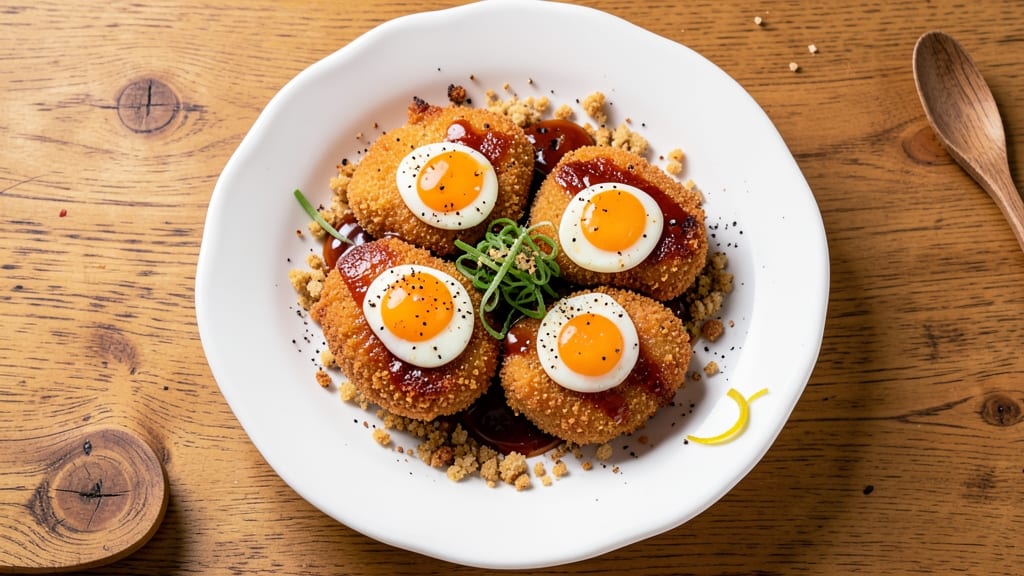
This tonkatsu egg recipe delivers the ultimate contrast—crispy panko crust shattering over a perfectly runny yolk, just like in Japan's most beloved tonkatsu restaurants. The secret lies in precise oil temperature and a double-dredge technique that creates that addictive crunch without burning the egg. I've perfected this method after years of trial (and a few broken eggs), and the results are always restaurant-quality.
What makes this recipe special is the balance between technique and simplicity. You'll need just five key ingredients—eggs, panko breadcrumbs, flour, and a few seasonings—but the process requires patience and attention to detail.
The first step is breading the eggs thoroughly, then frying them in hot oil until the crust turns golden brown while keeping the yolk liquid inside. It's a technique that takes practice, but once mastered, it becomes second nature.
When served, the contrast is pure magic: the crispy panko crust gives way to reveal that molten yolk, creating a satisfying crunch with every bite.
Pair it with classic tonkatsu sauce for that authentic Japanese touch, or keep it simple with a squeeze of lemon and a sprinkle of flaky salt. The presentation is almost as important as the taste—serve on a warm plate with shredded cabbage for that full tonkatsu experience.
The best part? This recipe is incredibly versatile. Use it as a breakfast centerpiece, a late-night snack, or even a creative topping for ramen or rice bowls.
The crispy eggs add texture and flavor to any dish, making them a game-changer in your cooking repertoire. Let's get started on creating this crispy, golden masterpiece.
Ingredients for tonkatsu egg
Five simple ingredients transform into restaurant-quality tonkatsu eggs with crispy panko crusts and runny yolks.
| Ingredient | Amount | Notes |
|---|---|---|
| Large Eggs 🥚 | 4 whole | Room temperature preferred |
| Panko Breadcrumbs 🍞 | 1 cup | Japanese panko for best texture |
| All-Purpose Flour 🌾 | ½ cup | For dredging between layers |
| Vegetable Oil 🫒 | 2 cups | For deep frying, 350°F |
| Salt 🧂 | 1 tsp | Fine sea salt for seasoning |
| Ground Black Pepper 🌶️ | ¼ tsp | Freshly ground for flavor |
| Lemon Wedges 🍋 | 2 whole | For serving, optional |
| Flaky Sea Salt 🧂 | 1 tbsp | For garnish, optional |
| Tonkatsu Sauce 🍶 | ¼ cup | Store-bought or homemade |
| Red Cabbage 🥬 | ½ cup | Shredded, for serving |
The panko is non-negotiable here—Japanese panko from Trader Joe's or Asian markets gives that signature light, airy crust. Regular breadcrumbs won't cut it; they'll turn dense and soggy. For the eggs, room temperature is key—cold eggs won't cook evenly. I always crack them into a bowl first to check for any weird-looking yolks (trust me, you don't want a surprise). The oil temperature matters most—too low and it'll be greasy, too high and the crust burns before the yolk sets. A deep-fry thermometer solves this problem forever.
No panko? Crush regular bread into fine crumbs—it won't be perfect, but it'll work in a pinch. Running out of tonkatsu sauce? Worcestershire sauce plus a touch of soy sauce and honey makes a decent substitute. The red cabbage is purely for presentation, but if you're skipping it, pickled ginger or shredded carrots add nice color contrast. For extra crispiness, double-dredge the eggs—flour first, then panko, then flour again. That's the secret to that addictive crunch without the soggy middle.
Store-bought tonkatsu sauce keeps for 6-12 months unopened, but once opened, it's best used within 3 months in the fridge. The panko stays fresh for 2 weeks in an airtight container, but honestly, it's better to buy it fresh each time. These crispy eggs are best served immediately, but if you must reheat, toaster oven at 350°F for 3-4 minutes revives the crunch. Freezing isn't recommended—they lose their texture, but you can reheat the filling (without crust) for ramen or rice bowls.
Why You'll Love This Recipe
- Crispy in Minutes: I swear, the panko crust locks in faster than takeout delivery. Dredge the egg in flour, dip in beaten egg, then coat with panko—no fancy techniques, just hot oil and 3 minutes per side. That golden crunch happens without hovering over the stove.
- Addictive Texture: Between us, the outside is shatteringly crisp while the inside stays silky—like biting into a cloud with a cracker shell. The panko’s airy bite contrasts perfectly with the egg’s richness, and honestly? That’s the magic I keep coming back to.
- Breakfast or Snack: Serve it with a drizzle of tonkatsu sauce and rice for a proper meal, or toss it into a bento box for lunch. My kids eat them cold with mayo, and my husband sneaks them straight from the pan. Zero rules, just satisfaction.
- Pantry Staple Power: Five ingredients, zero specialty items. Eggs, flour, panko—stuff I already have. Reheat leftovers in the air fryer for a crispy revival, or freeze them for lazy mornings. Budget-friendly, too—this feeds four for the cost of one fancy brunch outing.
Step-by-step instructions for tonkatsu eggs
Master the perfect balance of crispy panko crust and runny yolk with these precise techniques.
Prepare the Egg Mixture
In a medium bowl, crack the 4 whole Large Eggs and separate the yolks from the whites. The yolks should remain intact—if any break, strain them through a fine-mesh sieve to remove any membrane fragments. This ensures a perfectly smooth custard texture later.
In a separate bowl, whisk the egg whites to soft peaks using a hand mixer or whisk. They should hold their shape when you lift the whisk but still be slightly wavy on top. Set aside. In the same bowl you used for the yolks, beat them gently with a fork until just combined—they'll thicken slightly as you work.
Gradually fold the beaten egg whites into the yolks using a spatula, being careful not to deflate them. This creates air pockets that help the eggs puff beautifully during frying. The mixture should be smooth and slightly frothy, with no visible streaks of white. Cover and refrigerate for 15 minutes to chill completely—this step prevents premature cooking when they hit the hot oil.
Create the Panko Crust Layers
Place the 1 cup Panko Breadcrumbs in a shallow dish. In another dish, combine the 0.5 cup All-Purpose Flour with 1 tsp Salt and 0.25 tsp Ground Black Pepper. Spread each mixture evenly to create two distinct stations for dredging.
Working with one egg at a time, dip it into the flour mixture first, letting any excess drip off. Then press it gently into the panko, coating all sides completely. The panko should adhere firmly without falling off—this ensures a sturdy crust that stays intact during frying. Place the coated egg on a wire rack set over a baking sheet to prevent sticking.
Repeat with the remaining eggs, working quickly to maintain consistency. The eggs should now be uniformly coated with both layers. Let them rest for 5 minutes before frying—this allows the crust to slightly adhere, preventing it from sliding off in the oil.
Deep Fry to Golden Perfection
Fill a deep skillet or Dutch oven with 2 cups Vegetable Oil and heat it to 350°F over medium heat. Use a thermometer to monitor the temperature—it should stay steady. Once hot, carefully add one panko-coated egg to the oil. The oil should sizzle gently and the egg should float.
Fry for 3-4 minutes on the first side, until the crust turns a deep golden brown with small bubbles forming along the edges. Flip the egg carefully using tongs and fry for another 2-3 minutes until the second side is equally golden. Remove with a slotted spoon and drain on a paper towel-lined plate to remove excess oil.
Repeat with the remaining eggs, maintaining the 350°F temperature throughout. The oil should remain hot enough to create a crispy exterior while keeping the interior custardy. If the oil temperature drops below 340°F, the crust may become greasy rather than crispy.
Assemble and Serve Immediately
Cut each tonkatsu egg in half horizontally with a sharp knife. The center should be rich and runny, with a vibrant yellow yolk that oozes slightly when cut. If the yolk appears fully set, your oil wasn't hot enough or the eggs were overcooked.
Arrange the halved eggs on a serving platter. Drizzle with 0.25 cup Tonkatsu Sauce, spreading it evenly over the top. Sprinkle with 1 tbsp Flaky Sea Salt and serve with 0.5 cup shredded Red Cabbage on the side for a refreshing contrast. Garnish with the 2 whole Lemon Wedges for a bright, citrusy finish.
Serve immediately while the crust is still crisp and the yolk remains molten. The combination of crispy panko, creamy custard, and tangy sauce creates the perfect balance of textures and flavors in every bite.
Pro Tips For Making Tonkatsu Egg
- CRACK EGGS ROOM TEMP: Cold eggs from the fridge won’t cook evenly—the whites stay rubbery and the yolks overcook before the crust sets. Crack them into a bowl first, then let them sit for 10 minutes at room temp. I learned this the hard way when my first batch turned out like sad, undercooked omelets instead of crispy tonkatsu.
- PAT DRY THE PAN: No one likes a soggy crust, and that happens when oil pools instead of clinging to the pan. After frying, lift the egg with a spatula and let it drain for 10 seconds over the pan—just long enough to see a few drops fall. This isn’t the prettiest method, but it’s the tastiest.
- SALT THE OIL: Plain vegetable oil tastes bland, and tonkatsu eggs deserve more. Toss in a pinch of salt (about ¼ teaspoon) with the oil before heating—it seasons the crust from the inside out. Sounds weird, but it works: the crust gets that subtle savory kick without tasting like you overdid it.
- USE A THIN LAYER OF FLOUR: Dredging eggs in flour before panko is standard, but most recipes call for too much—it turns the crust into a dense brick. Use just enough to coat the egg lightly, like dusting it with powdered sugar. My grandmother swore by this, and she was right: the panko sticks better and stays crispy.
Regional styles of these flavors
Japanese Tonkatsu Style
The original tonkatsu egg hails from Japan, where it's traditionally served as a breakfast or late-night snack alongside tonkatsu pork cutlets. In Tokyo and Osaka, you'll find it in izakayas (Japanese pubs) as tonkatsu tamago—crispy panko-encased eggs with a runny yolk, drizzled with tonkatsu sauce.
The sauce, a sweet-tangy blend of Worcestershire, soy, and honey, is non-negotiable for authenticity. I always use Kewpie tonkatsu sauce when available, as it has the perfect balance of sweetness and umami. 🍶
Presentation matters just as much as taste. In Japan, these eggs are often served on a warm plate with shredded red cabbage (benishoga) and a sprinkle of flaky salt. The cabbage adds a crisp, peppery contrast that cuts through the richness.
For an extra touch, some restaurants garnish with a single lemon wedge—its acidity brightens the dish without overpowering it. The key is keeping everything warm until serving, as the crust loses its crunch quickly once out of the oil.
Okinawan Twist
In Okinawa, a southern prefecture known for its unique flavors, tonkatsu eggs often incorporate local ingredients like Okinawan awamori (a sweet potato liqueur) or shiso leaf for a herbal note. Some versions even include a touch of Okinawan miso in the panko crust for a deeper savory profile.
I've experimented with adding 1 tsp of miso paste to the flour mixture—it adds a subtle umami that pairs beautifully with the crispy crust. The Okinawan style also tends to use slightly more oil in the crust, creating an even lighter, airier texture. 🌸
Another regional variation is the use of Okinawan bitter melon in the presentation. Thinly sliced bitter melon adds a refreshing, slightly bitter crunch that balances the richness of the egg. While it might sound unusual, the contrast is surprisingly delicious.
If you're feeling adventurous, try adding ½ cup of shredded bitter melon to your serving platter alongside the cabbage. The bitterness cleanses your palate between bites, making the tonkatsu egg taste even more decadent.
Modern Fusion Adaptations
While traditional tonkatsu eggs are a Japanese classic, modern chefs have put their own spin on the dish. In Los Angeles, fusion restaurants often serve tonkatsu eggs with spicy mayo or sriracha aioli for a kick.
I love adding 1 tbsp of sriracha to the tonkatsu sauce for a sweet-spicy twist that still honors the original flavors. Another popular adaptation is using panko mixed with crushed nuts, like pecans or almonds, for added crunch and a nutty flavor profile. 🌶️
For a vegetarian take, some chefs replace the tonkatsu sauce with a miso-ginger glaze made from white miso, rice vinegar, and grated ginger. This version works beautifully with a tofu scramble or as a topping for sushi bowls.
The miso glaze adds a fermented depth that complements the crispy panko without overpowering it. If you're experimenting at home, start with 2 tbsp of white miso, 1 tbsp of rice vinegar, and 1 tsp of grated ginger for a simple but flavorful alternative.
Korean Kimchi Version
Across the border in Korea, tonkatsu eggs are sometimes served with kimchi for a spicy, tangy kick. The fermented cabbage pairs surprisingly well with the crispy crust and runny yolk, adding a probiotic-rich element to the dish.
I recommend using spicy kimchi (like gochugaru-infused) and serving it on the side for dipping. The acidity and heat cut through the richness of the egg, creating a perfect balance.
For an extra layer of flavor, toss the kimchi with 1 tbsp of sesame oil and 1 tsp of toasted sesame seeds before serving. 🌶️
Another Korean-inspired twist is adding gochujang (Korean chili paste) to the panko crust. Mix 1 tsp of gochujang into the flour before dredging the eggs—it adds a subtle heat and depth that enhances the overall flavor.
This version is especially popular in Seoul, where tonkatsu eggs are often served as a late-night snack with a cold soju or lagers. The spicy crust pairs beautifully with the creamy yolk, creating a dish that's both comforting and exciting.
Nutrition facts
Frequently asked questions
Why does my tonkatsu egg crust keep falling off? This usually happens when the egg isn't fully chilled before frying or the panko coating isn't adhered properly. First,
Can I make tonkatsu eggs without panko?
Yes, but the texture won't be the same! Use Japanese-style breadcrumbs (like Trader Joe's) or crush regular bread into fine crumbs. For extra crispiness, add 1 tablespoon cornstarch to the panko substitute. The crust will be denser but still delicious—just expect less airiness. Pro tip: Toast the breadcrumbs in a dry pan for 2 minutes before using for maximum crunch.
How do I keep the yolk perfectly runny?
The secret is 350°F oil temperature and quick frying. Use a thermometer—any lower and the crust gets greasy; any higher and the yolk overcooks. Fry for exactly 3-4 minutes per side (total 5-7 minutes). For extra insurance, crack the eggs into ice water for 1 minute before breading to keep them cold longer. Serve immediately after frying!
What's the best way to reheat tonkatsu eggs?
Unfortunately, reheating kills the crispiness—but toaster oven is your best bet! Heat to 350°F for 3-4 minutes to revive some crunch. For maximum freshness, make only what you'll eat immediately. If reheating, cut the eggs in half first so heat penetrates faster. Microwaving is a no-go—the crust turns soggy instantly.
Can I make tonkatsu eggs ahead of time?
Not for serving—these are best eaten fresh! However, you can prep components ahead: mix the flour-panko stations in advance, or pre-chill the egg mixture. For a make-ahead hack, fry the eggs 1 minute less than usual, then finish in the oven at 375°F for 2 minutes right before serving. The yolk will still be warm and gooey!