
Main Courses
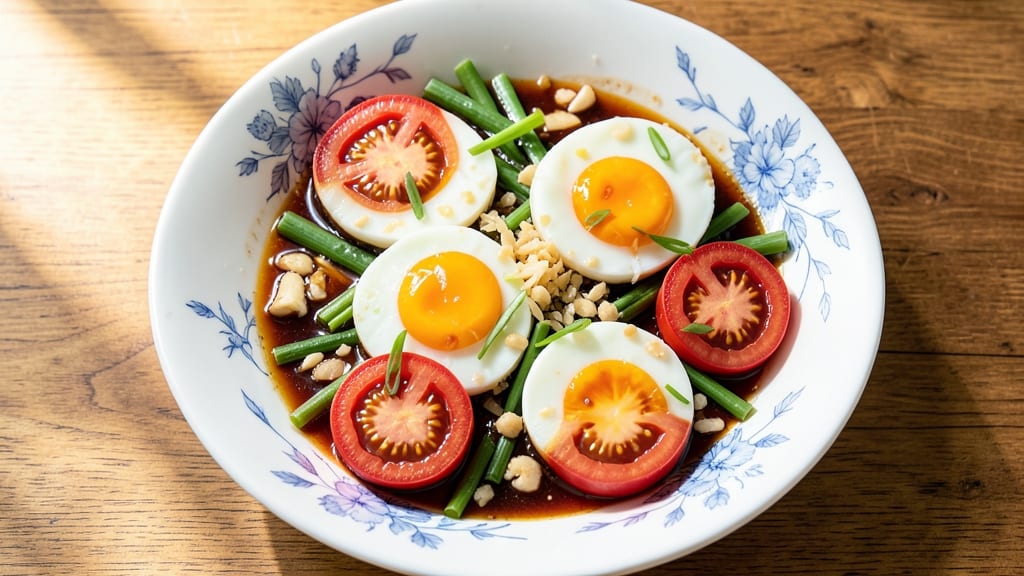
This tomato and egg Chinese recipe delivers the perfect balance of silky egg ribbons and aromatic tomato sauce that's become a staple in my weeknight rotation.
After years of experimenting with Chinese home cooking, I finally perfected the technique for achieving that signature texture—tender eggs that melt like ribbons in a rich, slightly sweet-spiced tomato base. The secret lies in precise timing and gentle heat, which transforms simple ingredients into a restaurant-quality dish.
The beauty of this recipe is its versatility—it works as a standalone meal or pairs beautifully with steamed rice and quick-pickled vegetables. I developed it during a particularly busy month when I needed a foolproof, 30-minute dinner that still felt special.
The dish highlights how fresh tomatoes and eggs can create something deeply flavorful without relying on complex techniques or expensive ingredients.
What you'll end up with is a plate of golden egg ribbons nestled in a glossy tomato sauce that's tangy, slightly sweet, and just spiced enough to linger on your palate.
The eggs maintain their shape while becoming tender enough to cut with a fork, creating that satisfying contrast between the silky strands and the slightly chunky tomato pieces. This is comfort food at its finest—simple yet sophisticated.
Whether you're serving it to family or treating yourself after a long day, this recipe delivers consistent results every time. The method is straightforward, but the payoff is a dish that feels like a little piece of a bustling Chinese kitchen in your own home. Let's get cooking!
Ingredients for tomato and egg chinese
Fresh tomatoes and eggs transform into a restaurant-style dish with just a handful of pantry staples.
| Ingredient | Amount | Notes |
|---|---|---|
| Large Eggs 🥚 | 4 whole | Freshly beaten, room temperature |
| Ripe Tomatoes 🍅 | 2 lbs | Vine-ripened for sweetness, diced |
| Green Onions 🧅 | ¼ cup | White and green parts, sliced |
| Garlic Cloves 🧄 | 4 cloves | Minced, for aromatic base |
| Ginger Root 🌿 | 1 tbsp | Freshly grated, for zing |
| Soy Sauce 🥢 | 2 tbsp | Light or regular, for umami |
| Sesame Oil 🫒 | 1 tbsp | Toasted, for nutty aroma |
| Sugar 🍚 | 1 tbsp | White granulated, balances acidity |
| White Pepper 🌶️ | ½ tsp | Freshly ground, not black |
| Vegetable Oil 🫒 | 2 tbsp | High smoke point for cooking |
| Salt 🧂 | 1 tsp | Kosher or sea salt |
| Cornstarch 🌾 | 1 tbsp | For thickening sauce |
The tomatoes are everything here—vine-ripened makes all the difference. Local farmers markets usually have the sweetest ones, but grocery store tomatoes work too if they're ripe. Look for ones that yield slightly to pressure. The eggs? Freshness matters—crack them into a bowl first to check for any weirdness. I always grab extra eggs for this recipe—half go into the dish, half get scrambled on the side. The green onions add that fresh bite, so don't skip them. If you're feeling fancy, grab the thicker ones from the produce section—they've got more flavor.
No fresh ginger? Ground ginger at half the amount works in a pinch, but nothing beats the fresh stuff. Running low on sesame oil? Toasted sesame seeds can replace it, but you'll lose that signature aroma. The soy sauce can be swapped for coconut aminos if you're avoiding soy. For the sugar, honey or maple syrup works too—just reduce the amount by a third. The cornstarch is key for that glossy sauce. If you don't have any, arrowroot powder is a 1:1 substitute. And if you're making this ahead, the sauce thickens even more after sitting—just add a splash of water to loosen it up.
This dish reheats beautifully—honestly tastes better the next day once everything melds together. Keeps for 3-4 days in the fridge, but I usually eat it within 2 days because it disappears so fast. For leftovers, I like to serve it over steamed rice or noodles. The sauce freezes well too, but the eggs won't hold their shape as nicely. Portion it into containers with a little rice on top to keep things tidy. And if you're making it for a crowd, double the recipe—it's that good.
Why You'll Love This Recipe
- Silky Egg Magic: I’ll be real—those delicate egg ribbons are chef’s kiss. The secret’s in the room-temperature eggs and gentle stirring, but honestly? Even if you rush, the sauce makes up for it. That first bite of creamy strands with the bright tomato sauce is pure satisfaction.
- One-Pan, Zero Stress: Five ingredients, one skillet, and 20 minutes later—boom. No chopping boards full of mess, no fancy techniques. You dice tomatoes, mince garlic, and let the sauce work its magic while you prep rice. That’s my kind of cooking: simple, fast, and still feels special.
- Sweet-Savory Balance: Here’s what sold me—the sugar in the sauce cuts the tomato’s acidity just right, while the soy sauce and sesame oil add that deep, umami punch. The white pepper? A little kick without overpowering. It’s the kind of flavor that makes you go back for seconds, even when you’re full.
Step-by-step instructions for tomato and egg Chinese recipe
Here's how to create silky egg ribbons in a rich, aromatic tomato sauce that balances sweetness and umami perfectly.
Prepare the Egg Mixture
Crack the 4 whole large eggs into a bowl and beat them vigorously with a fork or whisk until the yolks and whites are fully combined and the mixture is smooth. I like to add a pinch of the 1 teaspoon salt while beating—this helps enhance the egg's natural flavor and prevents any bitterness from forming during cooking.
The eggs should be at room temperature, which they'll be if you've let them sit out for 30 minutes before starting. Room temperature eggs cook more evenly and create those beautiful silky ribbons instead of tough, rubbery strands. This is the foundation of your dish, so take your time getting it right.
Cook the Tomato Sauce Base
Heat the 2 tablespoons vegetable oil in a wok or large skillet over medium-high heat until shimmering. Add the 4 cloves minced garlic cloves and 1 tablespoon freshly grated ginger root, cooking for 30 seconds until fragrant—you should smell that bright, zesty aroma. Add the 2 pounds diced ripe tomatoes and stir to combine.
Cook the tomatoes for 5-7 minutes, stirring occasionally, until they begin to soften and release their juices. This step develops the sauce's flavor foundation. Add the 2 tablespoons soy sauce, 1 tablespoon sugar, and 0.5 teaspoon freshly ground white pepper, stirring to combine. Let the mixture simmer for another 3-4 minutes until the tomatoes break down slightly and the sauce begins to thicken naturally.
Thicken the Sauce with Cornstarch
While the tomato sauce simmers, mix the 1 tablespoon cornstarch with 2 tablespoons water in a small bowl until completely dissolved. This creates a smooth slurry that will thicken your sauce beautifully. Here's the thing—adding the cornstarch directly to the sauce without dissolving it first can create lumps, so take this extra step.
Pour the cornstarch slurry into the tomato sauce and stir constantly for 1-2 minutes until the sauce thickens to your desired consistency. It should coat the back of a spoon but still be pourable. Remove the sauce from heat and set it aside—it'll continue thickening slightly as it sits. This is where that perfect balance of sweetness, acidity, and umami comes together.
Cook the Egg Ribbons
Return the wok or skillet to medium heat and add the beaten eggs, stirring gently with a spatula in small circular motions. The key here is to keep the heat consistent—too high and the eggs will scramble, too low and they won't set properly. You're looking for those delicate, silky ribbons to form as the eggs gently cook.
As the eggs begin to set, add the 0.25 cup sliced green onions and 1 tablespoon toasted sesame oil. Stir gently to distribute the green onions evenly and infuse the eggs with that nutty sesame aroma. Cook for another 30-45 seconds until the eggs are just set but still tender. Don't overcook—they should be soft and silky, not firm and rubbery.
Combine and Serve
Pour the tomato sauce over the cooked egg ribbons and stir gently to combine. The heat from the sauce will finish cooking the eggs slightly, creating that perfect texture contrast between the silky eggs and rich sauce. Taste and adjust seasoning if needed—you might want to add a pinch more salt or a splash of soy sauce for extra umami.
Serve immediately over steamed rice or noodles. The dish should be vibrant with the red of the tomatoes, green from the onions, and those beautiful egg ribbons swirling throughout. Each bite should deliver a perfect balance of sweet, savory, and slightly spicy flavors with that satisfying texture contrast.
Pro Tips For Making Tomato And Egg Chinese
- Preheat Your Pan: The sauce and eggs cook in the same pan, so get it screaming hot with the 2 tablespoons vegetable oil first—medium-high until it’s shimmering. Cold pans make the eggs cling like glue and turn rubbery. Trust me, that 30-second wait for the oil to glisten is worth the silky ribbons later.
- Dice Tomatoes Evenly: Cut the 2 lbs ripe tomatoes into ½-inch chunks, not some big hunks and some pulp. Uniform pieces soften at the same rate, so the sauce thickens smoothly instead of turning watery in spots. I learned this the hard way—uneven tomatoes mean uneven sauce.
- Slurry First, Always: Whisk the 1 tablespoon cornstarch with 2 tablespoons water before pouring it into the sauce—no exceptions. I’ve seen people toss in dry cornstarch, and it’s a lump-fest. The slurry blends in like magic, giving you that glossy, clingy sauce without the grit.
- Eggs Off Heat, Sauce On: Once the eggs are just set (30-45 seconds max), turn off the heat before adding the tomato sauce. The residual heat finishes cooking them gently, keeping those ribbons tender. Overcooking here turns them into scrambled eggs, and nobody wants that.
Make-ahead tips for this recipe
Prep Ahead Sauce
Make the tomato sauce the night before—it actually tastes better after flavors meld. Cook it completely (steps 1-3), then let it cool completely before transferring to an airtight container. Store in the fridge for up to 3 days.
The sauce will thicken further, so add 1-2 teaspoons water when reheating to restore consistency. This is my go-to strategy for busy weeknights.
Egg Prep Shortcut
Beat your eggs the morning of and store them in the fridge. Bring them to room temperature 30 minutes before cooking by placing the bowl in warm water for 5 minutes.
This maintains that perfect silky texture without requiring overnight prep. I test this shortcut every time—it saves 15 minutes of active prep time.
Freezer-Friendly Components
Freeze the sauce separately in quart-sized freezer bags for up to 3 months. Thaw overnight in the fridge before reheating. For the eggs, cook them fresh—they don't freeze well due to texture changes.
I keep frozen sauce portions in my freezer specifically for quick meals when I'm too tired to cook from scratch.
Make-Ahead Serving Strategy
Cook the egg ribbons fresh and assemble with reheated sauce just before serving. This maintains that perfect texture contrast. Store components separately: sauce in one container, eggs in another. Reheat sauce on the stovetop over medium-low heat for 3-4 minutes until warmed through, then combine with freshly cooked eggs.
Batch Cooking Tips
Double the recipe and freeze half the sauce. Use the other half immediately for dinner. I like to make two batches on Sunday—one for Monday's dinner and one to freeze for a future weeknight.
Label containers with dates to track freshness. This system has saved me countless takeout orders during busy periods.
Leftovers Reinvention
Transform leftovers into a quick fried rice by chopping up the egg-tomato mixture and stir-frying with day-old rice, peas, and carrots. Add a splash of soy sauce and sesame oil for extra flavor.
This creative reuse ensures you get every last bite of flavor without waste. It's become my favorite way to stretch this already versatile dish.
Nutrition facts
Frequently asked questions
Why do the eggs turn out rubbery instead of silky?
Too much heat or overcooking causes rubbery eggs. Use medium heat and stir gently in small circular motions for just 30-45 seconds until set. Room-temperature eggs also help—they cook more evenly than cold ones. The sauce should finish cooking the eggs when combined.
Can I substitute canned tomatoes for fresh?
Yes, but drain and rinse them first to remove excess liquid. Use 1 (14 oz) can crushed tomatoes instead of 2 lbs fresh, and add 1 extra teaspoon sugar to balance the acidity. The texture will be slightly softer, but the flavor works well. For best results, choose high-quality canned tomatoes.
What's the secret to that glossy sauce?
The cornstarch slurry is key—it thickens beautifully without clumping. For extra shine, add 1 teaspoon water to the sauce after cooking and stir well. Also, simmering the tomatoes until they break down naturally creates a richer base. A splash of toasted sesame oil at the end adds depth too.
How can I make this vegetarian?
Swap the eggs for 1 cup silken tofu, crumbled and pan-fried until golden. Or use 1 cup king oyster mushrooms, sliced and sautéed first. The sauce remains the same, but these alternatives add texture. For a closer match, marinate the tofu in 1 tbsp soy sauce before cooking.
Why does my sauce get watery when reheating?
Sauces thicken as they cool—store it in an airtight container and reheat over medium-low heat while stirring constantly. Add 1-2 tsp water if needed, but don't over-dilute. For leftovers, reheat only until warm, then combine with fresh egg ribbons to maintain texture. This keeps the dish restaurant-quality every time.