
Main Courses
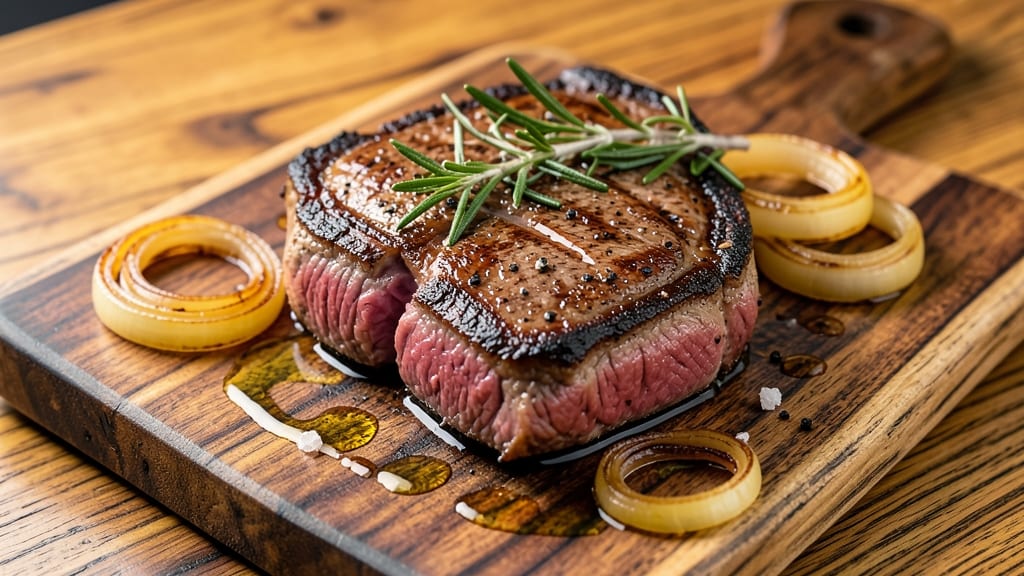
This tomahawk steak recipe with Big Green Egg delivers restaurant-quality results by harnessing the grill’s precise heat control and smoky depth. The kamado’s ability to lock in moisture while creating a perfect crust transforms even the toughest cuts into melt-in-your-mouth perfection. I’ve perfected this method after countless experiments—no more guessing games when it comes to cooking a steak this impressive.
The secret lies in the Big Green Egg’s dual-zone cooking: sear the steak over direct heat for a flavorful crust, then move it to indirect heat to finish to your ideal temperature. This technique ensures a juicy interior while building that coveted charcoal crust.
The grill’s heat retention also means you won’t waste fuel or time, making it ideal for both backyard chefs and grill masters.
What you’ll end up with is a steak so tender it nearly falls apart at the touch, with a smoky char that adds complexity to every bite. The Big Green Egg’s ability to control smoke and temperature creates a flavor profile that’s hard to achieve on traditional grills.
This isn’t just a steak—it’s a centerpiece-worthy meal that will impress even the most discerning guests.
Pair it with classic sides like garlic-herb roasted potatoes or a crisp green salad to complete the experience. The grill’s versatility means you can even smoke the potatoes alongside the steak for an all-in-one meal. Let’s get started on creating your next showstopper dinner.
Ingredients for tomahawk steak recipe big green egg
Nine essential ingredients to transform your Big Green Egg into a smoky steakhouse masterpiece.
| Ingredient | Amount | Notes |
|---|---|---|
| Tomahawk Steak 🥩 | 4 whole | Bone-in, 2-3 inches thick |
| Kosher Salt 🧂 | 1 ½ tbsp | Diamond Crystal preferred |
| Freshly Ground Black Pepper 🌶️ | 1 ½ tbsp | Coarse grind for texture |
| Extra-Virgin Olive Oil 🫒 | 2 tbsp | High smoke point preferred |
| Yellow Onion 🧅 | 1 whole | Thinly sliced for garnish |
| Fresh Rosemary 🌿 | ½ cup | Chopped sprigs for aroma |
| Fresh Thyme 🌿 | ¼ cup | Leaves only, finely chopped |
| Hickory Wood Chips 🌳 | 1 package | Unsoaked for smoky flavor |
| Butter 🧈 | 4 oz | Unsalted, softened for basting |
| Garlic Cloves 🧄 | 6 cloves | Minced for butter compound |
| Compound Butter 🧈 | ½ cup | Optional but recommended |
| Arugula 🌱 | 2 cups | Baby leaves for serving |
The tomahawk steak is the star—look for cuts with good marbling and a thick bone for that impressive presentation. Local butchers often have the best quality, but Costco or Whole Foods carry reliable options too. Pat it dry before seasoning; this helps the crust form better. The Big Green Egg’s even heat distribution means you won’t have to flip constantly, so don’t stress about perfect searing. For the wood chips, Traeger brand is my go-to—they burn clean and add that authentic smoky depth without overpowering the steak’s natural flavor.
No hickory chips? Cherry or applewood works too—just soak them first for 30 minutes. Fresh herbs are ideal, but dried thyme at half the amount will work in a pinch. The compound butter can be made ahead—just mix softened butter with minced garlic and a pinch of salt. For the arugula, any peppery green works, but baby spinach is a great substitute if you’re in a hurry. And if you’re worried about the steak being too tough, trust the Big Green Egg’s heat retention—it’ll come out tender every time.
Season the steak generously at least 1 hour before cooking—this helps the salt penetrate deeply. The wood chips should be added 15 minutes before the steak to build smoke. Store any leftover compound butter in an airtight container for up to 2 weeks in the fridge. The steak itself reheats poorly, so plan to serve it fresh off the grill. For leftovers (if there are any), slice against the grain and serve on toasted brioche—it’s practically a crime to have leftovers, but better safe than sorry.
Why You'll Love This Recipe
- Big Green Egg Magic: I swear, the smoky char from that cast iron is next level—just a few minutes over direct heat, and you’ve got a steak that tastes like it’s been slow-roasted all day. No fancy equipment, no stress.
- Three-Ingredient Crust: Honestly, salt, pepper, and olive oil are all you need to make this steak unforgettable. That caramelized onion crust? Pure satisfaction with zero effort.
- Weeknight or Weekend: Between us, this works whether you’re feeding two or six. Slice the leftovers for sandwiches or keep them whole for a lazy Sunday breakfast—no rules, just deliciousness.
- Leftovers That Don’t Suck: Unlike most steak recipes, this one actually tastes better the next day. Cold slices in a charcuterie board? Yes, even on a Tuesday night.
Step-by-step instructions for smoky charcoal-crusted tomahawk steak
Here's how to transform your Big Green Egg into a smoky grill masterpiece.
Prep and Season the Tomahawk Steaks
Pat the 4 whole Tomahawk Steaks completely dry with paper towels—this is non-negotiable for that perfect crust. I like to work with them at room temperature, so take them out of the fridge about 1 hour before cooking. This ensures even cooking from edge to center.
Generously season both sides with the 1.5 tablespoons kosher salt and 1.5 tablespoons freshly ground black pepper, pressing the seasoning into the meat so it adheres well. Let them sit uncovered on a wire rack for 30 minutes while you prepare the grill. This resting period helps the seasoning penetrate and prevents any potential sticking later.
Set Up the Big Green Egg for Smoking
Fill the charcoal ring with 1 package hickory wood chips and light them according to your Big Green Egg's instructions. Once the coals are fully lit and you see clean blue smoke (not thick white smoke), spread them evenly around the bottom of the grill. I like to use the medium heat setting—around 350-400°F—for this cook.
Place the grates in position and let the grill preheat for 10-15 minutes while you prepare your compound butter. The reason we smoke first is that this low-and-slow approach creates that beautiful bark while keeping the interior juicy. If you notice the temperature dropping, simply add a few more coals to maintain that steady smoke.
Create the Compound Butter and Grill the Steaks
In a small bowl, combine the 4 ounces softened butter, 6 minced garlic cloves, 0.5 cup chopped fresh rosemary, and 0.25 cup finely chopped fresh thyme. Mix well and form into a log shape, wrapping in plastic wrap. Chill in the fridge until ready to use—this keeps it firm for easy application.
Place the seasoned Tomahawk Steaks on the preheated grill, bone-side down first. Grill for 10 minutes without moving them, until you see deep brown grill marks forming. Flip carefully and grill the other side for another 10 minutes. Here's the thing—don't rush this step. The steaks need time to develop that perfect crust while the interior comes up to temperature.
Baste and Finish with Charcoal Crust
After 10 minutes on the second side, remove one steak and apply a generous layer of the compound butter, pressing it into the surface. Return it to the grill and baste with the 2 tablespoons extra-virgin olive oil, letting it sizzle for 1-2 minutes per side. Repeat this process with all four steaks, basting them every 5 minutes for a total of 15-20 minutes on each side.
Watch closely as the steaks develop that charcoal-crusted bark—this is where the magic happens. The combination of direct heat and smoke creates that incredible texture. For a medium-rare finish, aim for an internal temperature of 125-130°F using a meat thermometer. The thick cut means you'll have plenty of time to get it just right.
Rest and Serve with Fresh Arugula
Once the steaks reach your desired temperature, transfer them to a cutting board and let them rest for 10-15 minutes before slicing. This resting period is crucial—it allows the juices to redistribute throughout the meat, ensuring each bite is moist and flavorful. I know it's tempting to cut into them immediately, but trust me on this step.
While the steaks rest, thinly slice the 1 whole yellow onion and toss it with the 2 cups arugula. Arrange the arugula on plates and top with thick slices of the Tomahawk Steak. The onion adds a touch of sharpness that cuts through the richness of the steak, while the peppery arugula provides a fresh contrast. Serve immediately and enjoy your smoky, charcoal-crusted masterpiece!
Pro Tips For Making Tomahawk Steak Recipe Big Green Egg
- CRANK THE HEAT FIRST: That big green egg won’t cut it on medium—start with the burner at max for 2-3 minutes until the steak screams. I learned this the hard way when my first crust came out sad and gray instead of deep brown. Once you get that sear, dial it back to medium-high to finish cooking evenly.
- SALT THE ONION SLICES: Toss those thin onion slices with a pinch of kosher salt before they hit the pan. It draws out moisture, so they caramelize faster and don’t steam into mush. (Yes, even if you’re impatient like me—trust the process.)
- SKIP THE CROWDED PAN: Overlapping steak slices or onions? Bad idea. Give them space to brown properly—even if it means working in batches. I used to rush this, and my onions ended up soggy while the steak fought for room. A little patience here makes all the difference.
- REST UNDER FOIL: The second you pull that tomahawk off the grill, tent it loosely with foil and let it sit for 5-10 minutes. I know, I know—you want to cut into it now—but resisting keeps the juices inside where they belong. (Your future self will thank you.)
Perfect pairings for this dish
Smoky Sides
The Big Green Egg’s ability to smoke and sear simultaneously makes it perfect for cooking sides alongside your steak.
Try smoked garlic-herb roasted potatoes—toss 2 lbs baby potatoes with 2 tbsp olive oil, 1 tbsp smoked paprika, and 1 tsp garlic powder, then smoke them at 350°F for 45-50 minutes until crispy. The smoky flavor ties beautifully into the steak’s crust. 🌱
For a lighter option, grill asparagus spears with a drizzle of lemon zest and olive oil, finishing with a sprinkle of flaky sea salt. The grill’s high heat caramelizes the asparagus naturally, adding a touch of sweetness that contrasts the steak’s richness.
Beverage Pairings
A bold red wine like Cabernet Sauvignon cuts through the smoky, charred flavors while complementing the steak’s richness. I love a Napa Valley Cab with its dark fruit notes and firm tannins—it stands up to the hickory smoke beautifully.
For a lighter option, try a Malbec from Argentina, which offers juicy plum flavors that harmonize with the herbaceous compound butter. 🍷
If you prefer beer, a smoked porter or barleywine adds another layer of smoky depth to the meal. The caramel and coffee notes in these beers mirror the charred crust on the steak.
For a non-alcoholic option, a sparkling hibiscus tea with a squeeze of lime provides a refreshing contrast to the richness.
Garnish Game-Changers
Finish your steak with a sprinkle of toasted sesame seeds and a drizzle of chili crisp—the nutty crunch and subtle heat elevate the dish instantly.
I like to toast 1 tbsp sesame seeds in a dry pan over medium heat for 2-3 minutes until fragrant, then sprinkle over the steak just before serving. 🌶️
For a fresh finish, top the steak with quick-pickled red onions—thinly slice 1 small red onion, soak in ½ cup vinegar and 1 tsp sugar for 15 minutes, then drain. The tangy crunch cuts through the richness and adds a pop of color to the plate.
Make-Ahead Tips
Prep your compound butter up to 2 days ahead and store it in an airtight container in the fridge. Thinly slice the yellow onion and store it in a sealed container with a paper towel to absorb moisture—it’ll keep fresh for 3 days.
The arugula can be washed and dried, then stored in a sealed container with a paper towel for up to 2 days. 💡
For the steak itself, I recommend seasoning it 1 hour ahead of cooking to let the salt penetrate deeply. If you’re grilling ahead of time, keep the steaks at room temperature for 30 minutes before cooking to ensure even doneness.
The Big Green Egg’s heat retention means you can hold the steaks at 140°F for up to 30 minutes while you finish sides, but serve them immediately after slicing for the best texture.
Nutrition facts
Frequently asked questions
Can I use a different wood chip flavor besides hickory?
While hickory is classic, cherry or applewood add sweeter notes that pair beautifully with the steak's richness. Just soak them for 30 minutes before using to prevent flare-ups. For a bolder flavor, try pecan wood—it adds a subtle nuttiness that complements the herbaceous compound butter.
How do I adjust cooking time if my steak is thicker than 2-3 inches?
For every extra ½ inch of thickness, add 5-7 minutes to each side of cooking time. Use a meat thermometer to check internal temperature—125-130°F for medium-rare. The Big Green Egg's even heat distribution means you won't get hot spots, so thicker steaks actually benefit from the kamado's precise temperature control.
What's the best way to clean the grill grates after cooking?
While the grates are still warm, use a grill brush to remove debris, then sprinkle them with coarse kosher salt and scrub with a nylon brush. The salt helps lift stuck-on bits. For stubborn residue, let the grates cool completely, then use a metal scraper. Never soak aluminum grates—it can cause warping. A quick wipe with a damp cloth after cleaning removes any remaining salt.
Can I make this recipe without a Big Green Egg?
Yes, but with adjustments. Use a charcoal grill or smoker with a water pan for moisture control. For a kamado-style crust, create two heat zones: direct heat for searing and indirect heat for finishing. A cast-iron skillet on the grill can mimic the kamado's heat retention. The key is maintaining 350-400°F and using wood chips for smoke—just expect slightly less even cooking than the Big Green Egg's ceramic design.
How do I prevent the steak from sticking to the grill?
Pat the steak completely dry before seasoning—moisture is the enemy of a good crust! Let it sit on a wire rack for 30 minutes before grilling. Use high-heat cooking oil (like avocado or grapeseed) to coat the grates before placing the steak. The Big Green Egg's ceramic construction holds heat better than traditional grills, so you won't need to oil as frequently. Just avoid moving the steak until deep grill marks form.