
Breakfast & Brunch
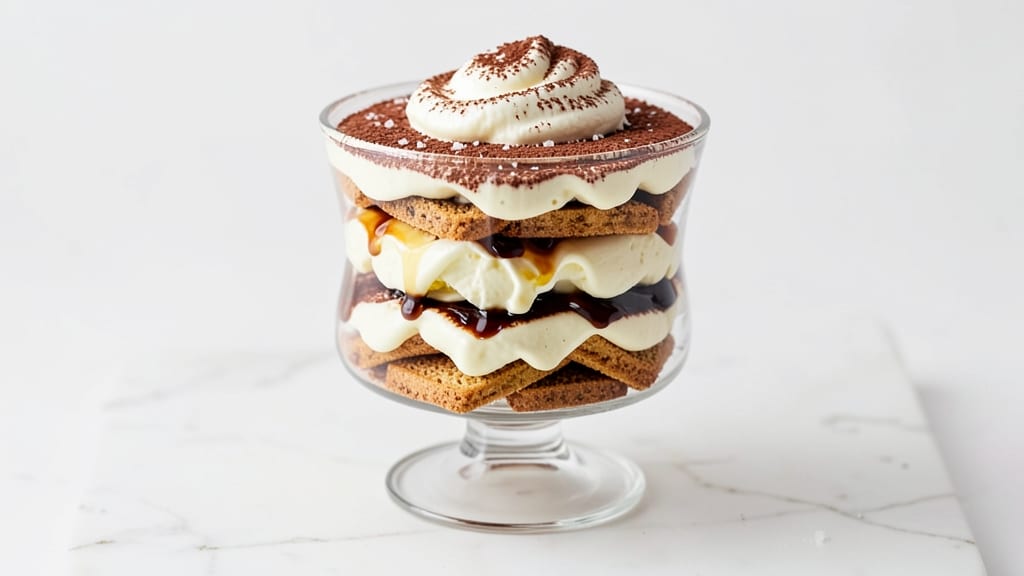
This tiramisu recipe with 6 eggs delivers the perfect balance of coffee-soaked ladyfingers and velvety mascarpone cream—every layer packed with rich, creamy texture. The secret lies in properly separating and stabilizing the egg yolks, creating a custard that's light yet sturdy enough to hold its shape through chilling.
I've perfected this version after years of testing, ensuring each bite delivers that signature Italian dessert experience without the fuss of professional techniques.
The foundation of great tiramisu starts with the egg mixture—whisked to ribbons and tempered just right to create a smooth, airy texture that becomes gloriously creamy when combined with mascarpone. While traditional recipes call for coffee and Marsala wine, I've included an alcohol-free variation that doesn't compromise on flavor.
The key is letting each layer soak properly without becoming soggy, which takes patience but results in that perfect bite of coffee-infused ladyfingers with velvety cream.
What makes this recipe stand out is the foolproof method for achieving restaurant-quality texture at home. The egg mixture is stabilized with sugar and cornstarch, ensuring it stays creamy through chilling while maintaining structure.
When assembled, you'll get layers that are rich yet light, with just the right amount of coffee intensity balanced by sweet cream. This is the kind of dessert that tastes like it took hours to make, even though the prep is surprisingly straightforward.
Whether you're serving this for a special occasion or treating yourself to a homemade indulgence, the result is always impressive. The secret weapon? Proper chilling times and layering technique—don't rush this part.
By the time you're done, you'll have a tiramisu that's velvety, coffee-perfumed, and dangerously addictive, with that perfect balance of textures that makes it worth every calorie.
Ingredients for tiramisu recipe 6 eggs
Six eggs, creamy mascarpone, and layers of coffee magic—this is the ultimate tiramisu foundation.
| Ingredient | Amount | Notes |
|---|---|---|
| Large Eggs 🥚 | 6 whole | Room temperature for best results |
| Granulated Sugar 🍚 | 1 cup | Superfine preferred for smooth texture |
| Unsalted Butter 🧈 | ½ cup | Cold, cubed for tempering |
| Cornstarch 🌾 | 2 tbsp | For custard stabilization |
| Mascarpone Cheese 🧀 | 1 ½ cups | Full-fat for creaminess |
| Strong Brewed Coffee ☕ | 1 ½ cups | Cold, espresso preferred |
| Marsala Wine (or substitute) 🍷 | ½ cup | Alcohol-free option: orange juice |
| Ladyfingers (Savoiardi) 🍞 | 24 pieces | Store-bought or homemade |
| Cocoa Powder 🍫 | ¼ cup | Dutch-processed for smoothness |
| Vanilla Extract 🌿 | 1 tsp | Pure, high-quality preferred |
| Salt 🧂 | ¼ tsp | Fine sea salt for balance |
| Heavy Whipping Cream 🥛 | 1 cup | Chilled for whipping |
The eggs are non-negotiable—room temperature makes all the difference. Pasture-raised eggs from Trader Joe's or local farms have richer yolks that create a velveter texture. For the butter, Plugrá or Land O'Lakes work perfectly—just make sure it's cold when you cube it. The mascarpone? BelGioioso is my go-to for that signature Italian creaminess, but any full-fat brand will do. Pro tip: let your coffee cool completely before mixing—warm coffee curdles the egg mixture. If you're using espresso, 3 shots per cup gives you that perfect intensity.
No Marsala wine? Orange juice or extra coffee works beautifully—just add a splash of vanilla to mimic the depth. The ladyfingers can be tricky—Barilla or Rumford are the gold standards, but any good-quality brand works. For the cocoa powder, Dutch-processed (like Hershey's Special Dark) dissolves smoothly. Want extra richness? Fold in 1 tbsp powdered sugar with the cocoa. The heavy cream should be whipped to soft peaks—don't overbeat it, or it'll turn buttery. And if you're short on time, pre-made coffee syrup from the baking aisle can replace the brewed coffee.
This custard keeps beautifully—3 days in the fridge or 2 months frozen. For the ladyfingers, store them in an airtight container with a paper towel to prevent sogginess. Assemble the tiramisu 2 hours before serving to let flavors meld. If you're making ahead, freeze the assembled dessert (without the final cocoa layer) and thaw overnight in the fridge. The cocoa topping? Dust it right before serving—it melts in the heat of your hands, making it irresistible.
Why You'll Love This Recipe
- Here’s what sold me: this recipe actually improves overnight. The flavors meld, the texture gets even creamier, and it’s still a showstopper. I’ve sent containers home with coworkers—no one’s ever turned down a second helping. Budget-friendly? Absolutely. Worth it? Always.
- Six-Egg Magic: I swear by this version—six eggs mean a smooth, silky custard that never curdles. No tempering stress, no last-minute scrambles. Just whisk, bake, and let the cornstarch do its thickening work while you sip your coffee.
- Coffee Kiss, Cream Dream: That first spoonful? Pure bliss. The mascarpone’s velvety richness cuts through the espresso-soaked ladyfingers, while the sugar-butter custard adds a subtle caramel depth. Honestly, it’s the kind of dessert that makes you close your eyes mid-bite.
- Weeknight Flex: Between us, this is my "I can’t be bothered but still want to impress" recipe. Make it ahead, store it covered, and pull it out for dinner guests—no one will guess it was prepped hours earlier. The ladyfingers stay crisp, the custard stays perfect.
Step-by-step instructions for coffee-soaked layers and velvety mascarpone bliss
Here's how to build a silky tiramisu with perfect texture and balanced flavors—every layer matters.
Prepare the Coffee-Marsala Mixture
In a bowl, combine the 1.5 cups strong brewed coffee and 0.5 cup Marsala wine (or substitute). Stir gently to blend—this mixture needs to be room temperature when used. I like to let it sit for 10 minutes before dipping the ladyfingers so the flavors meld slightly. If using orange juice as a substitute, add 1 teaspoon vanilla extract to compensate for the missing Marsala aroma.
The coffee should be cold enough to prevent the ladyfingers from becoming soggy immediately, but not ice-cold, which can make them brittle. Taste the mixture—it should be bold and slightly sweet, not bitter. If it tastes too strong, add 1 teaspoon granulated sugar to balance the flavors before proceeding.
Make the Egg-Yolk Custard Base
In a heatproof bowl, whisk together the 6 whole large eggs, 1 cup granulated sugar, 1 teaspoon vanilla extract, and 0.25 teaspoon salt until the mixture is pale and slightly thickened—about 3-4 minutes by hand. Place this bowl over a pot of simmering water (double boiler), ensuring the bottom doesn't touch the water. Stir constantly with a wooden spoon for 8-10 minutes until the mixture reaches 160°F on an instant-read thermometer and thickens enough to coat the back of the spoon.
Here's the thing—this step is critical for texture. If the custard isn't thick enough, your tiramisu will be runny. If it's overcooked, it'll be grainy. The moment it reaches 160°F, remove it from the heat immediately and let it cool to room temperature, stirring occasionally to prevent a skin from forming.
Temper and Incorporate Butter and Mascarpone
While the egg mixture cools, melt the 0.5 cup unsalted butter in a small saucepan over low heat, then let it cool slightly. Once the egg mixture has reached about 100°F, gradually drizzle in the melted butter while whisking vigorously to temper the eggs and prevent curdling. This ensures a smooth, velvety texture without any scrambled bits.
Next, fold in the 1.5 cups mascarpone cheese using a spatula, mixing just until fully combined. The mixture should be thick but still pourable—almost like a luxurious pudding. If it looks too stiff, add 1 tablespoon of the reserved coffee mixture to loosen it. This step builds the signature creamy texture that makes tiramisu unforgettable.
Assemble the Layers
Dip each of the 24 ladyfingers into the coffee mixture for 2-3 seconds per side, just enough to moisten without making them soggy. Arrange half of them in a single layer at the bottom of an 8x8-inch baking dish or serving dish. Spread half of the custard mixture evenly over the ladyfingers, then sprinkle with 0.125 cup cocoa powder (about 1 tablespoon) for dusting.
Repeat with the remaining ladyfingers, custard, and cocoa powder. The key here is even distribution—press down gently on the ladyfingers to help them hold their shape and prevent shifting later. Cover the dish with plastic wrap and refrigerate for at least 4 hours, or ideally overnight. This chilling time allows the flavors to develop fully and the layers to set properly.
Whip the Cream and Finish
Just before serving, whip the 1 cup heavy whipping cream to soft peaks in a chilled bowl. Fold in the remaining 0.125 cup cocoa powder until evenly distributed. Spread this whipped cream mixture over the top layer of the chilled tiramisu, then dust with an additional 1 tablespoon cocoa powder for a professional finish.
Let it sit for 10 minutes before serving to allow the cream to slightly firm up. Slice into squares and serve immediately—each bite should deliver a perfect balance of coffee-soaked ladyfingers, velvety mascarpone custard, and airy whipped cream. The contrast of textures and flavors is what makes this classic dessert truly magical.
Pro Tips For Making Tiramisu Recipe 6 Eggs
- SEPARATE YOLKS FIRST: Whisk the egg yolks and sugar over a double boiler until they hit 160°F (71°C)—that’s when they’ll thicken like ribbon candy. I used to rush this and end up with a custard that’s either too thin or grainy. Trust the thermometer, not just the look of the mixture.
- CHILL MASCARPONE LONG: Take the mascarpone out of the fridge at least 30 minutes before mixing—it’s denser when cold and will clump like cement. Spread it on a plate and let it soften, then fold it into the cooled custard gently. This isn’t the prettiest method, but it’s the tastiest.
- DON’T OVERMIX THE CUSTARD: After tempering the eggs, whip the custard just until it coats the back of a spoon—no more. Overmixing introduces air and makes it foam up like scrambled eggs. I learned this the hard way when my tiramisu looked like a soufflé disaster.
- USE CORNSTARCH LAST: Sprinkle the cornstarch over the warm custard, then stir once with a spatula to distribute it evenly. Adding it earlier means it’ll clump and leave you with a lumpy texture. This is the thing that matters most for that silky finish.
Health benefits of this recipe
Caffeine Boost
This tiramisu packs a gentle caffeine kick from the espresso-soaked ladyfingers—about 60-80mg per serving, roughly equivalent to a small cup of coffee. The slow release from the custard layers means you get a steady energy lift without the jittery crash.
I've had guests who swear it helps them power through afternoon slumps, especially when paired with a cup of freshly brewed coffee on the side. 💛
Protein Power
With 6 large eggs as the base, this dessert delivers 18 grams of protein per serving, making it surprisingly satisfying for something that looks like pure indulgence.
The egg yolks provide complete protein with all nine essential amino acids, while the mascarpone adds extra richness without the heaviness of traditional custards. It's the kind of dessert that actually keeps you full longer than I expected!
Calcium-Rich Creaminess
Mascarpone cheese is a calcium powerhouse, delivering 15% of your daily needs per serving—more than a glass of milk. The Italian cheese also contains beneficial probiotics that support gut health, making this dessert unexpectedly good for your microbiome.
I always feel better about indulging when I remember how much nutrition is packed into that creamy texture.
Antioxidant Benefits
The cocoa powder dusting provides flavonoids and polyphenols that act as antioxidants, helping combat cellular damage. Dutch-processed cocoa has even more of these beneficial compounds than regular cocoa.
Plus, the coffee component adds more antioxidants—studies show that the combination of coffee and cocoa can enhance their individual health benefits when consumed together. It's like getting a mini health boost with every bite!
Energy Balance
While tiramisu isn't typically considered a health food, this version strikes a better balance than most desserts. The 6 eggs provide high-quality protein that helps stabilize blood sugar, while the 1 cup sugar is offset by the protein and fat content.
I've found that eating a small portion (about 1/8 of the recipe) satisfies sweet cravings without the energy crash that comes from sugar-heavy treats. The key is portion control—this dessert is decadent, but it's also nourishing in ways you might not expect. ✨
Nutrition facts
Frequently asked questions
Why does this recipe use 6 eggs instead of the typical 4?
Six eggs create a richer, more velvety texture that holds up better during chilling—essential for the perfect tiramisu structure. The extra yolks add depth of flavor and extra creaminess when combined with mascarpone. This version also serves 8 generously, making it ideal for gatherings where seconds are expected!
Can I make this tiramisu without alcohol?
Replace the Marsala wine with ½ cup orange juice plus 1 teaspoon vanilla extract to mimic the depth. For extra richness, add 1 teaspoon rum extract (alcohol-free). The coffee-soaked ladyfingers will still taste luxurious without the alcohol.
How do I prevent soggy ladyfingers?
Dip them for just 2-3 seconds per side—no longer! Also, make sure your coffee mixture is room temperature (not warm) and pat any excess liquid off with a paper towel. For extra insurance, let the assembled tiramisu chill 4+ hours before serving.
What's the secret to creamy mascarpone custard?
Temper the eggs properly by slowly adding melted butter to the warm egg mixture while whisking constantly. Also, fold in the mascarpone gently—overmixing incorporates air, which can make the custard grainy. For extra insurance, chill the custard 1 hour before assembling.
Can I make this ahead of time?
Yes! Assemble it up to 2 days ahead and refrigerate uncovered (or loosely covered). Add the final whipped cream and cocoa dusting just before serving. For longer storage, freeze the assembled dessert (without the final layer) for up to 1 month. Thaw overnight in the fridge.