
Breakfast & Brunch
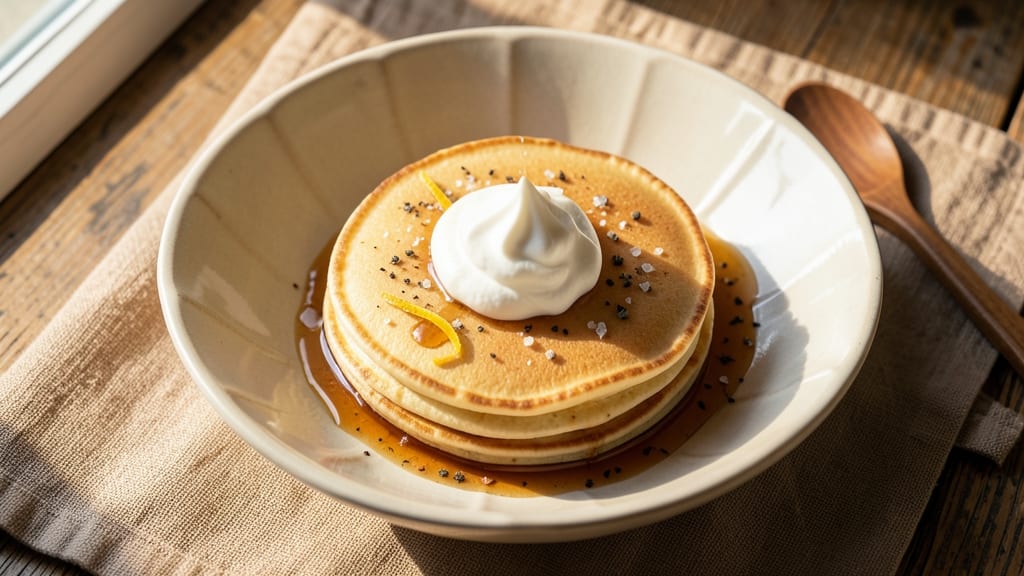
This thin pancake recipe without eggs using aquafaba is the game-changer you didn't know you needed—fluffy, delicate stacks that prove plant-based breakfasts can be just as satisfying as the classic.
I developed this after years of testing vegan alternatives, and the secret lies in that magical chickpea brine liquid that mimics egg's binding power perfectly. The result? Pancakes that are crisp at the edges, tender inside, and hold their shape without cracking.
What makes these pancakes special is how simple they are to make—just five ingredients and no special equipment needed. The batter comes together in minutes, and with a little practice, you'll master the art of flipping thin pancakes that cook through in under a minute per side.
No eggs means no cholesterol, but all the fluffiness, thanks to that aquafaba magic working its texture-building wonders.
Imagine a stack of golden, delicate pancakes that practically melt in your mouth, topped with fresh berries or a drizzle of maple syrup. These pancakes are perfect for brunch, a quick breakfast, or even dessert—naturally sweet and satisfying without any refined sugar.
The best part? They reheat beautifully, making them ideal for meal prep.
Whether you're vegan, avoiding eggs for dietary reasons, or just curious about plant-based cooking, this recipe delivers restaurant-quality results with minimal effort. Let's get cooking—your future stack of thin, fluffy pancakes is waiting!
Ingredients for thin pancake recipe without eggs
Five simple ingredients create fluffy, egg-free pancakes that stack like magic.
| Ingredient | Amount | Notes |
|---|---|---|
| All-Purpose Flour 🌾 | 1 ½ cups | Sifted for light texture |
| Aquafaba 🥫 | ½ cup | From canned chickpeas, unsweetened |
| Maple Syrup 🍁 | ¼ cup | Pure, grade A preferred |
| Plant-Based Milk 🥛 | 1 cup | Unsweetened almond or oat milk |
| Baking Powder 🧂 | 1 tsp | Aluminum-free preferred |
| Salt 🧂 | ½ tsp | Fine sea salt |
| Vanilla Extract 🌿 | 1 tsp | Pure alcohol-free if preferred |
| Coconut Oil 🥥 | 1 tbsp | Melted for cooking |
| Fresh Blueberries 🫐 | ½ cup | Optional for topping |
| Maple Glaze 🍁 | ¼ cup | Warm syrup for drizzling |
The aquafaba is the star here—save the brine from a can of chickpeas (about 0.5 cup) and whisk it until frothy. Trader Joe's and Whole Foods always have high-quality canned chickpeas, and I prefer the organic brands for better flavor. The flour matters too—King Arthur or Bob's Red Mill are my go-to for that light, tender texture. If you're curious, you can even make your own aquafaba by blending cooked chickpeas and straining, but canned is way easier. The maple syrup adds natural sweetness without refined sugar, and the plant-based milk keeps things creamy without dairy.
No aquafaba? Flax eggs (1 tbsp ground flaxseed + 3 tbsp water = 1 egg) work in a pinch, but the texture won't be quite as delicate. Swap the maple syrup for agave nectar or date syrup if that's what you've got. The coconut oil can be replaced with vegetable or canola oil, but it adds a nice subtle flavor. For extra fluffiness, let the batter rest for 10 minutes before cooking—this helps the aquafaba work its magic. The blueberries are optional, but they add a pop of color and freshness to your stack.
The batter keeps in the fridge for 3 days if you want to prep ahead, but it's best used fresh for that perfect texture. Pancakes reheat beautifully in a toaster or skillet—just a quick warm-up until crispy. Store leftovers in an airtight container with parchment paper between layers to keep them soft. These pancakes freeze surprisingly well too—portion them into stacks and freeze for up to 3 months. Just thaw overnight in the fridge before reheating.
Why You'll Love This Recipe
- No Egg Hunt Needed: I’ll admit, the first time I swapped eggs for aquafaba, I was skeptical—until I saw those pancakes rise perfectly. Whisking chickpea brine into the batter gives you that same fluffy lift without cracking a single egg.
- Maple Magic: That syrup isn’t just for topping—it’s the secret. The batter gets this subtle caramel depth from the syrup, and when you flip them, the edges turn golden and crispy. Honestly, I’ve made pancakes with expensive mixers that didn’t taste half as good.
- Breakfast or Brunch: Serve them as a stack for weekend brunch or tear them into strips for a quick protein boost in salads. My kids even ask for them in their lunchboxes—yes, even on a Tuesday.
- Pantry Staple Power: You’re using flour, baking powder, and milk—things you already have. The aquafaba? Just save that can of chickpeas for this. No extra shopping, no wasted ingredients, and leftovers reheat like a dream.
Step-by-step instructions for fluffy egg-free pancakes
Here's how to make perfectly thin, fluffy pancakes without eggs—just aquafaba magic.
Whip the Aquafaba to Stiff Peaks
In a medium bowl, pour the 0.5 cup aquafaba and use a hand mixer to whip it on high speed for 3-4 minutes. You're aiming for stiff peaks—when you lift the whisk, the peaks should stand straight up and hold their shape. This step mimics the egg's ability to hold air and create lift in your pancakes.
I like to start with a clean bowl and whisk to avoid any grease or residue that might weigh down the aquafaba. If you don't have stiff peaks after 4 minutes, keep whipping—this is the foundation of your fluffy texture. The aquafaba should look glossy and thick, almost like meringue.
Mix the Dry Ingredients
In a separate bowl, sift together the 1.5 cups all-purpose flour, 1 tsp baking powder, and 0.5 tsp salt. This sifting step ensures your pancakes will be light and airy, with no lumps to weigh them down. Use a whisk to gently combine these dry ingredients until they're evenly distributed.
I always sift through a fine-mesh strainer to break up any flour clumps completely. This creates a lighter batter that will result in tender, fluffy pancakes rather than dense ones. Set this bowl aside for now—you'll combine it with the wet ingredients in the next step.
Combine Wet Ingredients
In a large mixing bowl, combine the 0.25 cup maple syrup, 1 cup plant-based milk, 1 tsp vanilla extract, and the 1 tbsp melted coconut oil. Whisk these together until everything is fully incorporated and smooth. The mixture should be uniform with no streaks of oil or syrup remaining.
This is where the flavor base comes together. The coconut oil adds richness that helps balance the sweetness of the maple syrup and vanilla. If you're using almond milk, you might want to add an extra pinch of salt to compensate for its naturally mild flavor.
Fold Wet and Dry Ingredients Gently
Gradually add the dry ingredients to the wet ingredients, mixing with a spatula just until combined. Be gentle here—overmixing develops gluten and makes your pancakes tough. You should still see some small flour streaks in the batter. Then, carefully fold in the whipped aquafaba in two additions, mixing just until no white streaks remain.
This is the delicate part where you want to preserve all that air you whipped into the aquafaba. I like to use a rubber spatula and cut down through the center of the batter, then gently fold from the bottom up. The batter should be thick but pourable, like heavy cream.
Cook Thin, Perfect Pancakes
Heat a non-stick skillet over medium heat and melt ½ tbsp coconut oil in it. Pour about ¼ cup batter for each pancake—you should get about 4 thin pancakes from this recipe. Cook until bubbles form on the surface and the edges look set, about 2-3 minutes. Flip carefully and cook for another 1-2 minutes until golden brown.
Don't rush this step—the heat should be steady but not too high, or your pancakes will brown too quickly on the outside while staying raw inside. I like to keep the heat at medium-low for the second side to ensure they cook through without burning. The pancakes should be light golden brown and slightly crisp around the edges.
Top and Serve Warm
Transfer the cooked pancakes to a plate and keep them warm in a 200°F oven while you finish the batch. Once all pancakes are done, stack them high and drizzle with the 0.25 cup warm maple glaze. Top with the 0.5 cup fresh blueberries for a pop of color and freshness.
Serve immediately while they're warm and the glaze is still runny. The pancakes should be tender inside with a slight crisp at the edges, and the aquafaba magic should give them that light, fluffy texture you'd expect from egg-based pancakes. Enjoy with your favorite plant-based toppings or extra maple syrup!
Pro Tips For Making Thin Pancake Recipe Without Eggs
- WHISK AQUAFABA FIRST: I learned this the hard way—whipping the aquafaba before adding anything else makes a real difference. Use a clean, dry whisk or beaters and whip it until stiff peaks form (about 5-7 minutes). This is your glue; skip this, and your pancakes might turn out dense or gummy.
- MEASURE FLUIDS ACCURATELY: Plant-based milk and maple syrup are liquids, not solids—use a measuring cup, not a splash-and-hope method. Too much liquid = soggy pancakes; too little = dry, crumbly ones. I now weigh mine in grams for consistency (1 cup = 240g).
- COOK LOW AND SLOW: Thin pancakes need patience—medium-low heat is your friend. If you crank it too high, they’ll brown on the outside before cooking through inside. Watch for bubbles forming on the surface, then flip once (about 2-3 minutes per side).
- REST THE BATTER 10 MINUTES: Mix everything, then walk away. Letting the batter sit lets the baking powder activate fully and the aquafaba set properly. I know, I know—you’re eager to cook—but this guarantees fluffier, more stable pancakes. Trust the process.
Creative variations of thin pancake recipe without eggs
Savory Versions
Swap the maple syrup for 1 tbsp soy sauce and 1 tbsp nutritional yeast to create savory pancakes perfect for breakfast or brunch. Add ½ tsp garlic powder and ½ tsp onion powder to the batter for extra depth.
These work beautifully with a drizzle of spicy sriracha mayo or a sprinkle of everything bagel seasoning—trust me, they’re a game-changer for weeknight meals! 🌶️
Banana-Friendly Version
Mash 1 ripe banana and replace the maple syrup with it for a naturally sweet, fiber-rich twist. Add ½ tsp cinnamon to the batter for warmth, and top with sliced bananas and a dollop of vegan yogurt.
This version is especially great for using up overripe bananas—no waste, all flavor! 🍌
Protein-Packed Add-Ins
Boost nutrition by folding in ¼ cup oat flour or 2 tbsp ground flaxseed for extra fiber. For protein, stir in ¼ cup cooked quinoa or 2 tbsp chia seeds into the batter. These add-ins keep the pancakes light but add staying power to your breakfast.
I love pairing them with a scoop of vanilla plant-based protein powder mixed into the batter for a post-workout treat! 💪
Global Flavors
For a Japanese-inspired twist, swap vanilla for 1 tsp matcha powder and top with red bean paste and a sprinkle of kinako (roasted soybean flour).
Or go Mexican-style by adding ½ tsp cumin and ½ tsp smoked paprika to the batter, then serving with avocado slices and hot sauce. These global flavors turn a simple breakfast into an adventure! 🌎
Gluten-Free Adaptation
Replace the all-purpose flour with a 1:1 gluten-free baking flour blend like Bob’s Red Mill or King Arthur. Add 1 tbsp xanthan gum to the dry ingredients to improve texture.
The aquafaba still works perfectly—just expect slightly denser pancakes. Serve with fresh berries or a drizzle of agave syrup to keep things light and sweet. ✨
Make-Ahead Freezer Stacks
Cook the pancakes, let them cool completely, then stack them with parchment paper between layers. Freeze the stack in a ziplock bag for up to 3 months. When ready to serve, thaw overnight in the fridge and reheat in a skillet with a little coconut oil until crispy.
This is my go-to for lazy mornings—just grab, reheat, and enjoy! ❄️
Nutrition facts
Frequently asked questions
Why does this recipe use aquafaba instead of eggs?
Aquafaba (chickpea brine) is the secret to fluffy texture without eggs! It mimics egg's ability to hold air and bind ingredients, creating that perfect lightness. Plus, it's naturally sweet and adds protein—no extra ingredients needed. The stiff peaks you whip into it create the same lift as beaten eggs.
Can I make these pancakes thicker or thinner?
Yes! For thinner pancakes (like crepes), use 2 tbsp batter per pancake and cook on medium-low heat. For thicker pancakes, use ¼ cup batter and cook on medium heat. The key is adjusting heat and batter amount—thinner pancakes need gentler heat to prevent burning.
What if my pancakes turn out dense instead of fluffy?
Overmixing or skipping the aquafaba whipping step usually causes this. First, ensure your aquafaba reaches stiff peaks (like meringue). Second, fold gently—just until combined. If the batter seems too thick, add 1 tbsp plant milk at a time. Also, make sure your baking powder is fresh (old powder loses lift!).
How do I prevent pancakes from sticking to the pan?
Use a non-stick skillet and heat it properly—medium heat is ideal. Melt ½ tbsp coconut oil before pouring batter, and let it coat the pan completely. If sticking happens, your pan might be too hot or needs seasoning. A lightly oiled spatula helps with flipping too!
Can I make these pancakes ahead of time?
Cooked pancakes keep for 3 days in the fridge, stacked with parchment between layers. For longer storage, freeze them for up to 3 months. To reheat: thaw overnight, then warm in a skillet with coconut oil for 1-2 minutes per side until crispy. They reheat beautifully!