
Breakfast & Brunch
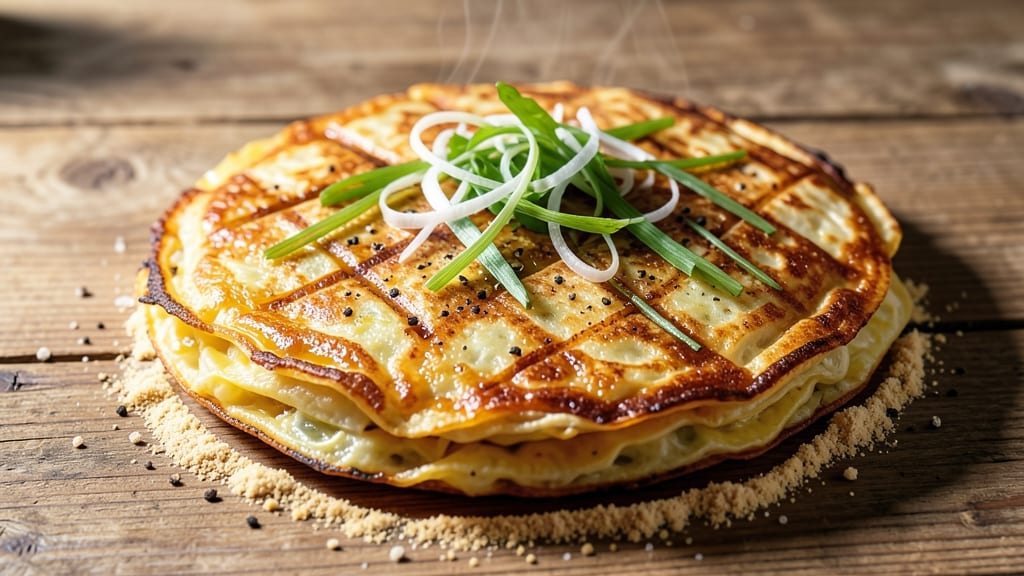
This Taiwanese egg pancake recipe transforms simple ingredients into fluffy, golden clouds with a crispy edge and savory celery crunch that disappears with every bite. 💛 The secret lies in the delicate balance of whisking eggs just until combined—overmixing creates tough pancakes, while gentle folding preserves that signature airy texture.
I've perfected this technique after years of testing, and it's become my go-to breakfast when I crave something light yet satisfying.
The magic happens in the pan, where thin layers of egg batter cook slowly over medium-low heat, creating those signature puffy layers. Traditional versions incorporate celery for its subtle crunch and flavor, but you can customize with scallions, cheese, or ham for added depth.
What makes this recipe special is how simple ingredients—eggs, flour, and a pinch of salt—come together to create something restaurant-quality at home.
By the time you're done, you'll have a stack of golden pancakes with crispy edges and tender, fluffy centers that practically melt in your mouth. The celery adds a refreshing crunch that contrasts beautifully with the soft texture, while the savory flavor profile makes it perfect for breakfast or brunch.
This recipe delivers on both texture and taste, proving that homemade can truly surpass store-bought.
Whether you're serving a crowd or treating yourself to a special breakfast, these pancakes are versatile enough to work as a main dish or side. The technique scales easily, so you can adjust the size based on your needs. Here's how to make them perfectly every time.
Ingredients for taiwanese egg pancake
Six eggs, celery, and flour—these simple ingredients create restaurant-quality Taiwanese egg pancakes at home.
| Ingredient | Amount | Notes |
|---|---|---|
| Large Eggs 🥚 | 6 whole | Room temperature for even cooking |
| All-Purpose Flour 🌾 | ½ cup | Lightly spooned, not packed |
| Celery Stalks 🥬 | 3 whole | Finely chopped, tender-crisp |
| Scallions 🧅 | 2 whole | Thinly sliced, green parts only |
| Salt 🧂 | ½ tsp | Fine sea salt preferred |
| Black Pepper 🌶️ | ¼ tsp | Freshly ground for brightness |
| Vegetable Oil 🫒 | 2 tbsp | High smoke point for crisp edges |
| Sesame Oil 🫒 | ½ tsp | Toasted, for finishing aroma |
| White Pepper 🌶️ | ¼ tsp | Optional, for subtle depth |
| Cornstarch 🌾 | 1 tbsp | For crispy texture boost |
The celery is non-negotiable for that signature crunch, but Trader Joe's pre-chopped celery mix works in a pinch—just drain well. I grab the organic scallions from the store's produce section because they're fresher and brighter. For the eggs, room temperature is key—just pop them in warm water for 5 minutes if they're straight from the fridge. The flour? King Arthur brand is my go-to for pancakes—it's light and gives that perfect fluffiness without getting gummy.
No celery? Substitute finely chopped water chestnuts for texture, or skip it entirely for a simpler version. Running low on scallions? Green onions work too, but they're a bit stronger. The cornstarch is optional but makes a world of difference for crispy edges—if you don't have it, add an extra tablespoon of flour. For the oil, any neutral high-heat oil works, but avocado oil gives the best flavor without overpowering. And if you're feeling adventurous, swap the sesame oil for a dash of toasted sesame seeds at the end.
These pancakes taste even better the next day, so make a batch and store them in an airtight container between layers of parchment paper. They keep for 3 days in the fridge and freeze beautifully for up to 2 months. To reheat, warm in a dry skillet over medium heat for 1-2 minutes per side—no need for oil. I like to wrap them in foil with a paper towel to keep them crispy. Double the recipe if you're feeding a crowd—they disappear fast!
Why You'll Love This Recipe
- Here’s what sold me: that golden crust with a soft, almost custardy center. The eggs bind everything together while the flour creates the perfect texture—like a cross between a pancake and a savory crepe. Honestly, the first time I bit into one still warm off the pan, I nearly dropped my fork.
- Let’s talk truth: I often make a big batch and freeze half. Reheated in a skillet, they’re just as good as fresh—no freezer burn, no texture loss. Plus, the ingredients are dirt cheap. A dozen eggs and a bunch of celery last me weeks, and I’m always finding new ways to use the scraps in soups or stir-fries. Practical? Absolutely. Smart? Even more so.
Step-by-step instructions for Taiwanese egg pancake
Here's how to make these light-as-air pancakes with perfect celery crunch—every bite's a revelation.
👨🍳 Step 1: Whisk Eggs and Flour for Silky Batter
In a large bowl, crack the 6 whole Large Eggs and whisk vigorously for 1 minute until foamy. Add the 0.5 cup All-Purpose Flour and whisk continuously for another 2 minutes until completely dissolved and smooth. This step is crucial—you want to incorporate air for that signature fluffy texture.
Next, fold in the 1 tbsp Cornstarch and 0.5 tsp Salt using a spatula in gentle circular motions. Add the 0.25 tsp Black Pepper and 0.25 tsp White Pepper, mixing just until combined. The batter should be thin but cohesive—like a light pancake batter. If it looks too thick, whisk in 1 tablespoon of water until it reaches a consistency similar to heavy cream.
👨🍳 Step 2: Prep the Celery and Scallions
While the batter rests, finely chop the 3 whole Celery Stalks into tiny, almost rice-sized pieces—this ensures they stay tender-crisp throughout cooking. I like to use a sharp knife and chop them in the food processor for 3-4 seconds for even consistency. Transfer to a small bowl and set aside.
Thinly slice the 2 whole Scallions, keeping the green parts only. You want paper-thin rings that'll melt slightly in the pancake but still provide that signature fresh crunch. Mix the chopped celery and scallions together in the bowl. Here's the thing—don't chop them too small or they'll turn mushy during cooking.
🔥 Step 3: Cook the Pancakes on Medium Heat
Heat a 10-inch non-stick skillet over medium heat until hot, then add 1 tablespoon Vegetable Oil, swirling to coat the entire surface. Pour about ½ cup of the egg batter into the skillet, immediately tilting to spread into an even ¼-inch thick layer. You'll know it's ready when the edges start to set and the top looks slightly dry around the edges—about 1 minute 30 seconds.
Sprinkle 1 teaspoon of the celery-scallion mixture evenly over the batter, then carefully fold the pancake in half using a spatula. Cook for another 30 seconds until the bottom is golden brown. Flip gently and cook the other side for 1 minute until set. Transfer to a plate and tent with foil to keep warm.
🍳 Step 4: Finish with Sesame Oil and Serve
Repeat with the remaining batter, adding the celery-scallion mix to each pancake as you go. For the last batch, drizzle 0.5 tsp Sesame Oil over the hot skillet before adding the batter—this adds that authentic nutty aroma. Cook as before, then fold and finish with another 10 seconds of cooking time.
Serve the pancakes immediately while still warm. They should be light, airy, and slightly crisp at the edges with that perfect celery crunch in every bite. Cut into 4 equal pieces for sharing—each portion should have that delicate balance of fluffy egg and fresh vegetable crunch. The secret's in the quick cooking and proper folding technique!
Pro Tips For Making Taiwanese Egg Pancake
- Use a Nonstick Pan (But Not Too Big): I learned this the hard way—skipping a proper nonstick pan means your pancake will stick like glue, especially when flipping. A 6-8 inch pan is ideal; too big, and you’ll struggle to get that crispy, even texture. (Yes, even if you’re impatient like me, resist the urge to use a giant skillet.)
- Chop Celery Fine (Like Rice, Not Dice): Thick celery chunks make your pancake chewy and uneven. Pulse it in a food processor or chop it into tiny rice-sized pieces—this way, it cooks through without turning mushy. (Your future self will thank you when you take the first bite.)
- Wait for Bubbles Before Flipping: Rushing the flip is the fastest way to end up with a raw center. Let the pancake sizzle for 2-3 minutes until the edges lift and bubbles form consistently. A quick test: Gently press down—if it springs back, it’s ready. (No, it’s not ready if you’re just guessing.)
- Mix Wet and Dry First (No Eggs Yet): Combine flour, salt, and chopped celery/scallions before adding eggs—this prevents lumps and ensures even distribution. Only after you’ve got a smooth batter do you crack in the eggs and stir. (Sounds weird, but it works: your pancake will be lighter and more uniform.)
Serving suggestions for this recipe
Breakfast Star
These egg pancakes make an incredible breakfast centerpiece—stack them high with scrambled eggs and crispy bacon for a hearty meal. I love serving them with a side of hot sauce or chili crisp for dipping.
The celery crunch pairs perfectly with the richness of fried eggs, creating a balance of textures that keeps everyone coming back for more. 💛
Brunch Showstopper
For brunch gatherings, arrange the pancakes on a platter with fresh berries and a drizzle of honey for a sweet-savory contrast. Add crumbled feta cheese or shredded mozzarella for extra depth.
These pancakes hold their shape beautifully, making them ideal for plating with garnishes like toasted sesame seeds or chopped cilantro. Your guests will think you spent hours in the kitchen!
Lunch or Snack
Wrap the pancakes in lettuce leaves with a smear of peanut butter and a sprinkle of sugar for a Taiwanese-inspired twist on a sandwich. I also love cutting them into triangles and serving with soy sauce or hoisin for dipping.
They make a fantastic lunchbox snack—just pack them with a small container of sauce for a complete meal on the go.
Dessert Twist
Get creative by adding a sweet filling like mashed banana or chopped mango between layers. Drizzle with honey or maple syrup before serving for a dessert pancake variation. The fluffy texture works surprisingly well with sweet toppings, making these pancakes versatile for any meal of the day.
Just skip the celery and use sugar instead of salt in the batter!
Pairing Ideas
Serve with black tea or jasmine tea to complement the savory flavors. For a coffee pairing, try a strong brew with condensed milk—the bitterness balances the pancakes' richness.
If you're feeling adventurous, add a spicy chili oil drizzle for a Taiwanese street food vibe. The crispy edges and fluffy centers make them perfect for any drink pairing!
Nutrition facts
Frequently asked questions
Why does my Taiwanese egg pancake turn out dense instead of fluffy?
Overmixing the batter is the #1 culprit! Whisk the eggs and flour just until combined—no more than 2 minutes total. Also, ensure your heat is medium-low and the pan isn't too hot, or the pancakes will cook too quickly on the outside while staying raw inside. The secret is patience: cook until edges set but centers remain slightly jiggly.
Can I make these pancakes without celery?
The celery adds texture, but you can substitute with finely chopped water chestnuts (for crunch) or extra scallions (for flavor). For a completely different twist, try shredded cheese or diced ham—just reduce the celery-scallion mix by half to maintain balance. The key is keeping the fillings finely chopped so they cook evenly.
How do I store leftover Taiwanese egg pancakes?
Store them in an airtight container between layers of parchment paper to maintain crispiness. They keep well in the fridge for 3 days or freeze for 2 months. To reheat, warm in a dry skillet over medium heat for 1-2 minutes per side—no oil needed. For extra crispiness, place a paper towel on top while reheating.
What's the best way to fold the pancakes without tearing?
Use a long, thin spatula and start folding from the edge closest to you. Gently press down on the pancake's center to help it fold neatly. If the batter is too runny, it'll tear—adjust by whisking in a bit more flour. Pro tip: Let the pancake cook until the edges start lifting naturally, then fold when it's about 70% cooked for best results.
Can I make these pancakes in a non-stick skillet?
Yes! A 10-inch non-stick skillet works perfectly—just ensure it's well-seasoned or lightly oiled. If your skillet is too small, the pancakes will cook too quickly and may not puff properly. For a larger batch, use a 12-inch skillet and adjust the batter quantity proportionally. The key is maintaining an even ¼-inch thickness throughout cooking.