
Breakfast & Brunch
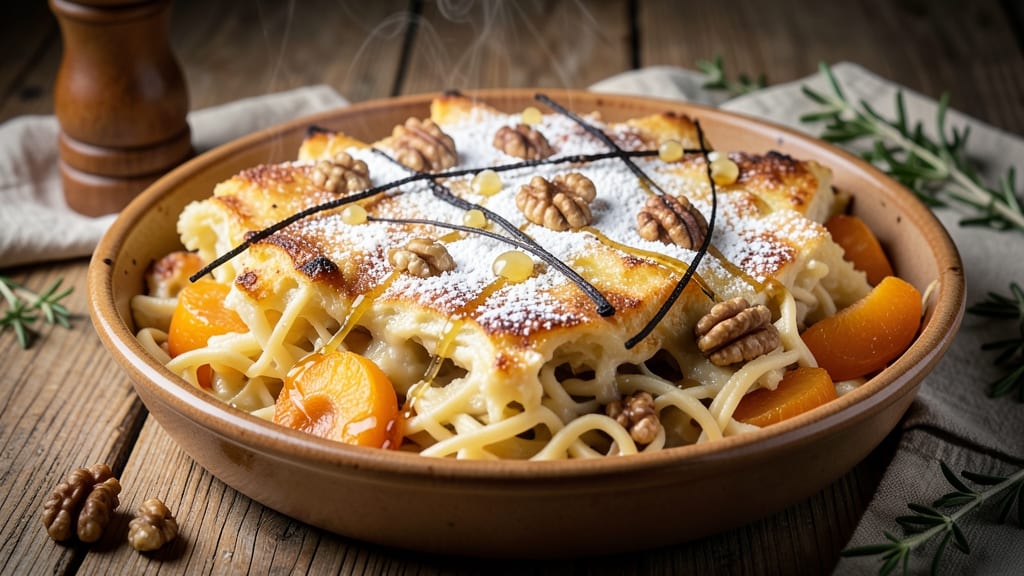
This sweet kugel with egg noodles recipe delivers comfort in every bite—warm, spiced custard baked with tender noodles until golden and fragrant. 💛 The secret lies in balancing cinnamon, nutmeg, and raisins for that classic Ashkenazi flavor, while the custard base ensures creamy texture without being overly sweet.
Perfect for Shabbat morning or weekend brunch, this dish transforms simple ingredients into something restaurant-worthy.
What makes this recipe special is its simplicity: just 10 ingredients and 45 minutes of active time (plus baking). The egg noodles absorb the rich custard while baking, creating a dish that's both hearty and delicate.
Unlike some versions that require layering, this one-pan method ensures even cooking and minimal cleanup. The warm spices—cinnamon, nutmeg, and a hint of vanilla—infuse the custard with depth, while raisins add natural sweetness that balances the creaminess.
By the time it emerges from the oven, you'll have a perfectly set custard with caramelized edges and tender noodles throughout. The aroma alone will fill your home with nostalgia, while the texture is creamy yet firm enough to slice neatly.
Serve warm with a dusting of powdered sugar or a sprinkle of cinnamon for extra flair. This is the kind of dish that tastes even better the next day, making it ideal for meal prep.
For a modern twist, try using gluten-free noodles or reducing sugar by 25%—the spices carry enough warmth to compensate. The custard base also works well with chopped apples or pears for added texture.
Whether you're cooking for a family gathering or a quiet morning treat, this sweet kugel delivers homestyle comfort with professional results.
Ingredients for sweet kugel recipe with egg noodles
Ten simple ingredients transform into a nostalgic, spiced custard dessert with tender noodles.
| Ingredient | Amount | Notes |
|---|---|---|
| Egg Noodles 🍝 | 12 oz | Medium-width, uncooked |
| Large Eggs 🥚 | 6 whole | Room temperature preferred |
| Granulated Sugar 🍚 | 1 ½ cups | Or light brown sugar |
| Whole Milk 🥛 | 2 cups | Full-fat for creaminess |
| Unsalted Butter 🧈 | ½ cup | Cold, cubed for baking |
| Vanilla Extract 🌿 | 1 tbsp | Pure vanilla preferred |
| Ground Cinnamon 🌶️ | 2 tsp | Freshly ground preferred |
| Ground Nutmeg 🌿 | ½ tsp | Freshly grated nutmeg |
| Raisins 🍇 | 1 cup | Plumped in warm water |
| Powdered Sugar 🍚 | 2 tbsp | For dusting, optional |
The egg noodles make this dish special—medium-width holds the custard beautifully. Barilla or De Cecco are my go-tos, but any egg noodle brand works. For a gluten-free option, swap in gluten-free egg noodles like Jovial. The eggs should be large and at room temperature for the best custard texture. If you're making this ahead, let the eggs sit out for 30 minutes before mixing. The raisins? Plump them in warm water for 10 minutes first—they'll soak up the custard and become tender, not chewy.
No vanilla extract? Vanilla bean paste or even a scraped vanilla bean works in a pinch. For extra warmth, add a pinch of allspice or cardamom. The milk can be swapped for half-and-half if you prefer a richer texture, but whole milk keeps it classic. If you're watching sugar, reduce the granulated sugar by 25%—the spices carry enough warmth to balance. The butter should be cold when you add it to the custard; this ensures it creates those beautiful caramelized edges during baking. And if you're feeling fancy, toss in chopped apples or pears with the raisins for added texture.
This kugel tastes even better the next day—3-4 days in the fridge, covered tightly. Reheat in the oven at 350°F for 15 minutes until warmed through. For make-ahead convenience, assemble the dish the night before and bake in the morning. The custard will set beautifully overnight. Store leftovers in an airtight container, and if you're prepping for a crowd, double the recipe—it freezes well for up to 3 months. Just thaw overnight in the fridge before reheating.
Why You'll Love This Recipe
- Pantry-Friendly Magic: I swear by this recipe because it uses what’s already in my fridge—no specialty trips. Egg noodles, milk, butter, sugar, and eggs? That’s it. Honestly, I’ve made it three times this month without buying a single extra thing.
- Caramelized Edge, Creamy Core: The butter and sugar melt into those noodles until they’re golden and crisp at the edges, but still tender inside. Between us, that contrast is what makes it dangerously addictive—like dessert sneaking into dinner.
- Weeknight & Holiday Star: It’s my go-to for busy nights (ready in 45 minutes) but also feels fancy enough for company. Serve it warm with a scoop of ice cream, and suddenly, you’ve got a crowd-pleaser that’s still low-stress.
- Leftovers That Don’t Suck: Unlike some baked dishes, this kugel actually tastes better the next day. I’ll be real: my kids beg for it for breakfast, and I’ve even packed it for lunches—just reheat and enjoy. Zero waste, all flavor.
Step-by-step instructions for sweet kugel with egg noodles
Here's how to create this comforting custard dessert with perfect texture and balanced sweetness.
👨🍳 Step 1: Prepare the Raisins and Preheat the Oven
First, plump the raisins by pouring 1 cup raisins into a small bowl and covering them with hot water. Let them soak for 10 minutes while you prepare the rest. Drain well before using—you want them moist but not dripping.
Preheat your oven to 350°F and generously grease a 9x13-inch baking dish with 2 tablespoons butter, rubbing it evenly over all surfaces. This prevents sticking and ensures easy release later. I like to use a paper towel to wipe away any excess butter after greasing—it makes the kugel look cleaner when served.
🍳 Step 2: Cook the Egg Noodles Al Dente
Bring a large pot of salted water to a rolling boil. Add the 12 oz egg noodles and cook for 2 minutes less than the package instructions specify. You want them al dente—just tender enough to hold their shape but still slightly firm. Drain immediately and rinse under cold water to stop the cooking process completely.
Transfer the noodles to a large mixing bowl and let them cool slightly. While they're still warm, sprinkle over 2 teaspoons ground cinnamon and ½ teaspoon ground nutmeg. Toss gently with a wooden spoon to distribute the spices evenly. The warmth of the noodles will help release the spices' aromas right away.
👨🍳 Step 3: Make the Custard Mixture
In a separate large bowl, whisk together the 6 whole large eggs, 1.5 cups granulated sugar, and 2 cups whole milk until completely smooth. Add the 1 tablespoon vanilla extract and mix well. The mixture should be pale yellow and completely homogeneous.
Cut the remaining ½ cup cold unsalted butter into small cubes and add them to the egg mixture. Whisk vigorously for 1 minute until the butter is fully incorporated and the mixture is thickened slightly. This step ensures the butter distributes evenly throughout the kugel, creating that signature creamy texture.
🥘 Step 4: Combine and Bake
Gently fold the drained egg noodles and plumped raisins into the custard mixture using a spatula. Be careful not to overmix—just combine until everything is evenly distributed. Pour the entire mixture into your prepared baking dish and smooth the top with a spatula.
Bake in the preheated oven for 45-50 minutes, until the top is golden brown and the edges are set but the center still has a slight wobble. I like to check at the 40-minute mark—the kugel should be mostly set but still slightly custardy in the center. If it browns too quickly, tent loosely with aluminum foil.
⏰ Step 5: Rest and Serve
Remove the kugel from the oven and let it cool at room temperature for 15 minutes. This resting period allows the flavors to meld and the texture to firm up slightly. For an extra touch, dust the top with 2 tablespoons powdered sugar while it's still warm—this creates a beautiful snowy finish.
Serve warm, cut into squares, and enjoy with a dollop of whipped cream or a scoop of vanilla ice cream. The kugel should have a silky custard texture with tender noodles and sweet raisins throughout. If you prefer a firmer texture, you can chill it for 1 hour before serving, but I find it's best enjoyed warm from the oven.
Pro Tips For Making Sweet Kugel Recipe With Egg Noodles
- Boil Noodles Al Dente: I learned this the hard way—overcooked noodles turn kugel into mush. Cook them 1-2 minutes less than package instructions, then drain and rinse under cold water to stop the cooking. The slight firmness keeps the texture perfect when baked.
- Use Cold Butter: Skip melting the butter first—cut it straight from the fridge into cold cubes. It distributes better in the egg mixture and prevents greasy spots on top. Just toss it in with the dry ingredients and let the oven melt it evenly.
- Don’t Overmix the Batter: Stir just until the eggs and milk are combined—lumps are fine. Overworking the batter makes kugel dense. My grandmother swore by this, and she was right: a few small lumps disappear in the oven, leaving you with a lighter texture.
- Press Noodles Down Firmly: After mixing, press the noodle-butter-egg combo into the pan with your hands—no need to be gentle. This creates a solid base that holds its shape instead of collapsing. Yes, it looks weird, but it works every time.
Regional styles of this recipe
Ashkenazi Roots
The sweet kugel we know today traces back to Ashkenazi Jewish communities in Eastern Europe, where it was a staple for Shabbat and holidays. Originally, it was made with farfel (broken noodles) or potato, but egg noodles became the classic base as Jewish immigrants adapted to new ingredients in America.
The dish reflects the resourcefulness of Jewish cooks—using simple ingredients to create something comforting and special. 🌍
In Yiddish-speaking regions, kugel was often served as a side dish with meat, but the sweet version became popular in the U.S. as Jewish families embraced American baking traditions.
The balance of spices—cinnamon, nutmeg, and vanilla—mirrors the warmth of home, while the custard texture offers a luxurious finish. This dish carries centuries of tradition while feeling fresh and familiar.
German-Inspired Variations
German settlers in Eastern Europe brought their custard-based desserts to Ashkenazi cuisine, and kugel absorbed those influences. The use of egg noodles and warm spices like cinnamon and nutmeg reflects German Apfelkuchen (apple cake) and Kaiserschmarrn traditions.
In some German-Jewish communities, kugel was even made with potatoes or carrots instead of noodles, creating a heartier texture. 🍎
One lesser-known variation is Lipton kugel, named after the town of Liptovská Anna in Slovakia, where it was made with sweetened cottage cheese> and egg noodles. This version has a denser, almost pudding-like texture.
While our recipe focuses on the classic egg noodle version, experimenting with these regional twists can add exciting depth to your cooking.
Modern American Twists
Today’s cooks are reimagining kugel with global flavors and dietary needs. Try swapping raisins for dried cranberries or chopped dates> for a tart-sweet contrast, or add chopped apples or pears> for a crisp texture.
For a gluten-free> version, use gluten-free egg noodles> (like Jovial) or even shredded zucchini> as a base. 🌿
Some modern bakers reduce sugar by 25%> and boost flavor with orange zest or cardamom>, while others incorporate chocolate chips or nuts> for extra richness.
The key is keeping the custard’s silky texture while adapting to personal tastes. These updates make kugel feel fresh while honoring its roots.
Israeli-Inspired Adaptations
In Israel, sweet kugel often includes local fruits> like figs, dates, or even pomegranate seeds> for a Middle Eastern twist. Some versions use semolina or couscous> instead of egg noodles, reflecting the influence of North African and Middle Eastern cuisines.
The spices might include cinnamon, allspice, or even a pinch of saffron> for extra depth. 🌺
One popular Israeli variation is kugel with tahini>, where a drizzle of tahini sauce is added after baking for a nutty, creamy finish. This fusion of Jewish and Israeli flavors creates a dish that’s both nostalgic and innovative.
If you’re feeling adventurous, try adding a teaspoon of tahini to the custard mixture> before baking for a subtle nutty undertone.
Nutrition facts
Frequently asked questions
Can I make this sweet kugel ahead of time?
This kugel actually tastes better the next day. Assemble it in the baking dish and refrigerate overnight before baking in the morning. The flavors meld beautifully, and the custard sets perfectly. For storage, keep leftovers in an airtight container for up to 4 days or freeze for 3 months. Reheat covered in the oven at 350°F for 15 minutes until warmed through.
What's the secret to getting the right custard texture?
The key is using room-temperature eggs and whisking the custard mixture vigorously until thickened. Cold butter should be cut into small cubes and whisked into the egg mixture for 1 full minute to create tiny, even butter droplets that distribute evenly. Also, cook the noodles 2 minutes less than package instructions for al dente texture—they'll finish cooking in the oven.
Can I substitute raisins with something else?
Yes! For a fruitier version, try dried cranberries, chopped dates, or chopped apples/pears. If you prefer nuts, fold in toasted walnuts or pecans (about ½ cup) for crunch. For chocolate lovers, add ½ cup chocolate chips—just reduce the sugar slightly to balance the sweetness. The key is maintaining the 1 cup total of add-in volume to keep the texture right.
Why did my kugel turn out too sweet or not sweet enough?
If it's too sweet, the sugar measurement might have been off—weigh your sugar for accuracy. For less sweetness, reduce the granulated sugar by 25% and boost spices (cinnamon/nutmeg) by ½ teaspoon each. If it's not sweet enough, the raisins might need soaking longer (try 15 minutes) or you can add 1 extra tablespoon powdered sugar when dusting. The custard should have a balanced sweetness with the spices carrying the flavor.
Can I make this gluten-free or vegan?
For gluten-free, use gluten-free egg noodles (like Jovial) or swap noodles for shredded zucchini or sweet potato (about 3 cups, cooked). For vegan, replace eggs with 6 tbsp cornstarch + 1.5 cups coconut milk (whisked smooth), use vegan butter, and swap milk for coconut milk. The texture will be slightly different but still delicious.