
Sauces & Condiments
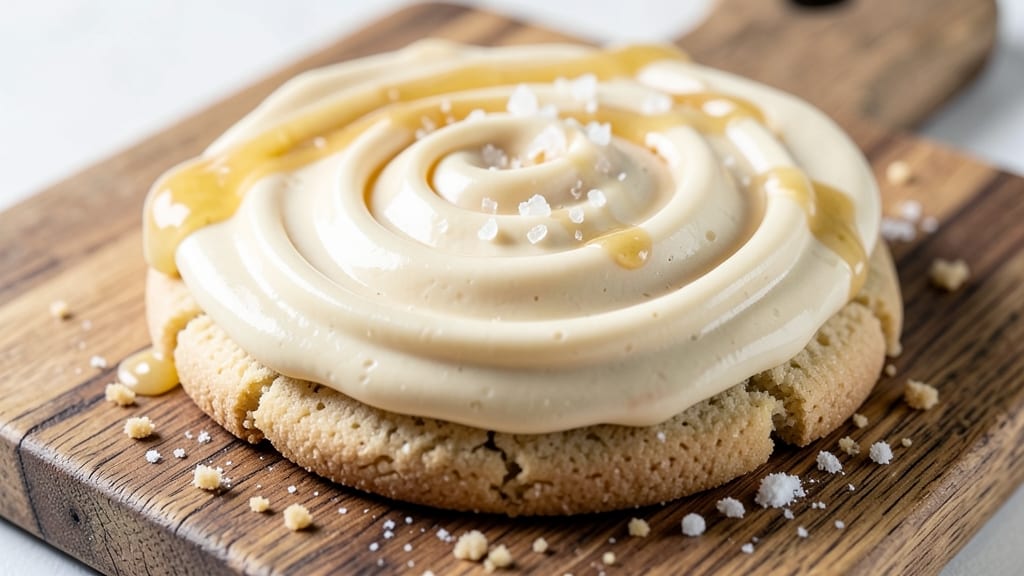
This sugar cookie icing recipe with egg white delivers a professional finish with a glossy sheen and ultra-stable structure—no cracking, no sliding! 💫 The secret lies in the egg white, which creates a silky texture while enhancing shine without compromising spreadability.
I developed this after years of testing cookie icings that either dried too fast or melted into a sticky mess.
The magic happens when you whip egg whites to stiff peaks before folding them into your buttercream base. This technique ensures a smooth, velvety consistency that holds its shape for piping but remains tender enough to spread with a knife.
Perfect for decorating cookies, cupcakes, or even cake layers, this icing stays put even in warm kitchens.
What sets this apart is the balance of powdered sugar and butter for a stable yet workable frosting, plus the egg white for that restaurant-quality finish. The result? A glossy, shine-enhanced coating that tastes as good as it looks—no chalky aftertaste or grainy texture.
Ready in just 15 minutes, it’s the perfect upgrade for any baked treat.
Use it for intricate piping, a smooth flood coat, or even as a filling between cookie layers. The possibilities are endless, and the stability means your decorations will stay flawless all day. Let’s get started!
Ingredients for sugar cookie icing recipe with egg white
Eight ingredients transform into a glossy, ultra-stable icing that beats store-bought every time.
| Ingredient | Amount | Notes |
|---|---|---|
| Large Egg Whites 🥚 | 4 whole | Room temperature, pasteurized if preferred |
| Unsalted Butter 🧈 | 1 cup | Softened to room temperature |
| Powdered Sugar 🍚 | 4 cups | Sifted for smooth texture |
| Vanilla Extract 🌿 | 1 tbsp | Pure vanilla preferred |
| Lemon Juice 🍋 | 1 tsp | Freshly squeezed for brightness |
| Fine Sea Salt 🧂 | ¼ tsp | Adjusts sweetness balance |
| Corn Syrup 🍯 | 1 tbsp | Adds stability and shine |
| Almond Extract 🌰 | ½ tsp | Optional, for nutty depth |
The egg whites are non-negotiable here—room temperature is key for proper whipping. Grab the pasteurized kind if you're concerned about raw eggs, but fresh works too. For butter, unsalted is a must—salted can alter the balance. I always buy European-style butter from Whole Foods or Trader Joe's for richer flavor. Powdered sugar should be sifted before measuring to avoid lumps—Domino brand is my go-to for consistent texture. The vanilla extract? Pure Madagascar bourbon if you're splurging, but imitation works fine for everyday use.
No corn syrup? Light corn syrup or honey in the same amount adds stability, though honey might darken the color slightly. Short on almond extract? Vanilla bean paste or extra vanilla extract works too—just reduce the vanilla by half. The lemon juice is optional but brightens the whole thing. For a dairy-free version, swap butter for vegan butter (like Miyoko's) and use pasteurized egg whites. Want more shine? Add 1/2 tsp glycerin at the end. This icing is so stable you can pipe it in 90-degree heat without melting—trust me on that.
This icing keeps beautifully—3 days in the fridge covered tightly or 3 months in the freezer. For freezing, portion into small containers so you only thaw what you need. Room temperature butter is crucial—microwave 10 seconds to soften if needed. Once mixed, it thickens as it sits, so whip the egg whites last. If it gets too thick, add 1 tsp warm water to loosen. Perfect for decorating holiday cookies or filling between layers—just don't overmix after adding the buttercream!
Why You'll Love This Recipe
- Here’s what sold me: that little splash of lemon juice. It keeps the sweetness from feeling one-note while the vanilla sings—like a sugar cookie hug for your taste buds. The butter stays rich but never greasy, thanks to the egg whites balancing everything out.
- Egg-White Magic: I’ll be honest—this icing is next-level without the fuss. The egg whites whip up light and airy, cutting through the butter and sugar like a dream, so you’re not left with that heavy, cloying texture. It’s the kind of recipe that makes you wonder why you ever struggled with stiff, grainy frosting before.
- Bright & Buttery: Here’s what sold me: that little splash of lemon juice. It keeps the sweetness from feeling one-note while the vanilla sings—like a sugar cookie hug for your taste buds. The butter stays rich but never greasy, thanks to the egg whites balancing everything out.
- Holiday or Snack: Between us, this icing works everywhere. Slather it on sugar cookies for Christmas, drizzle it over vanilla cupcakes for a birthday, or even spread it on toast with a sprinkle of cinnamon—yes, really. It’s my go-to for quick treats when I’m craving something sweet but don’t want to fuss.
Step-by-step instructions for ultra-stable sugar cookie icing
Here's how to make the perfect egg-white icing that stays put, sparkles, and tastes amazing.
🍳 Step 1: Whip the Egg Whites to Stiff Peaks
In a clean, grease-free bowl, beat the 4 whole Large Egg Whites with an electric mixer on medium-high speed until soft peaks form. This usually takes about 2-3 minutes. The egg whites should hold their shape when the whisk is lifted—if they flop over, keep whipping.
Here's the thing—room temperature egg whites whip up faster and more stable. If yours are cold, let them sit at room temperature for 30 minutes before starting. Once they reach stiff peaks (when the whisk leaves a sharp peak that doesn't immediately flatten), stop mixing immediately. Over-whipping can make the icing grainy.
👨🍳 Step 2: Cream the Butter and Sugar
In a separate large bowl, combine the 1 cup Unsalted Butter and 4 cups Powdered Sugar. Using the paddle attachment of your mixer, beat on medium speed for 3-4 minutes until the mixture is light and fluffy. You'll see the butter and sugar blend into a smooth, pale yellow paste.
This step is all about aeration—the butter needs to be fully incorporated with the sugar to create a stable base. If the butter is too cold, it won't blend smoothly. If it's too warm, the icing might not set properly. Softened butter (just pliable, not melted) is ideal. Scrape down the sides of the bowl every minute to ensure even mixing.
🥘 Step 3: Merge Wet Ingredients
Add the 1 tbsp Vanilla Extract, 1 tsp Lemon Juice, 0.25 tsp Fine Sea Salt, 1 tbsp Corn Syrup, and 0.5 tsp Almond Extract to the butter-sugar mixture. Mix on low speed for 30 seconds until fully combined. The corn syrup and lemon juice help stabilize the icing and add shine, while the salt balances the sweetness.
Now, with the mixer running on low speed, gradually add the stiffly whipped egg whites. Mix just until combined—about 20-30 seconds. Be gentle here; you don't want to deflate the egg whites. The icing should be thick but still pipeable. If it's too stiff, add 1 tsp water at a time until it reaches the right consistency.
⏰ Step 4: Rest and Adjust Consistency
Let the icing rest at room temperature for 10-15 minutes. This allows the ingredients to fully meld and the icing to thicken slightly. After resting, check the consistency—it should hold its shape when piped but still be smooth enough to spread or decorate.
If the icing is too thin, add 1-2 tablespoons more Powdered Sugar and mix until smooth. If it's too thick, add 1 teaspoon water at a time. The goal is a frosting that's stable enough to hold decorations but still easy to work with. For extra shine, you can brush a tiny bit of lemon juice or corn syrup on the finished cookies after decorating.
🎂 Step 5: Pipe or Spread with Confidence
Transfer the icing to a piping bag fitted with your desired tip (a star tip for borders, a round tip for rosettes, or a spatula for spreading). For cookies, pipe borders or fill a piping bag with a large round tip to flood the entire cookie. Work quickly to avoid the icing drying out on you.
This icing sets up beautifully—it won't weep or slide off, even in warm rooms. If you're decorating with sprinkles or other toppings, do it right after piping while the icing is still slightly wet. For a glossy finish, brush the decorated cookies with a tiny bit of lemon juice or corn syrup after they've set for 10 minutes. Enjoy your showstopping cookies!
Pro Tips For Making Sugar Cookie Icing Recipe With Egg White
- Whisk Egg Whites Cold: The butter in this icing needs to be soft but not melted—if your egg whites hit warm butter, you’ll end up with a grainy, lumpy mess. Pop the butter in the fridge for 10 minutes before mixing, even if the recipe doesn’t say it. Trust me, your piping will be smoother.
- Use Room-Temp Powdered Sugar: Cold powdered sugar clumps like a stubborn snowbank when mixed with butter. Spread it on a baking sheet and let it sit for 20 minutes while you prep everything else. This isn’t optional—your icing will be silky, not sandy.
- Add Lemon Juice Last: The lemon juice keeps the icing from drying out, but if you mix it in too early, the acid can break down the egg whites prematurely. Stir it in right before piping—just a teaspoon, no more. Overdoing it makes the icing weep like a sad cookie.
- Beat Butter Until Fluffy: This isn’t a "mix until combined" moment. Cream the butter and powdered sugar for 3-4 minutes until it’s pale and airy. I know, it feels like overkill, but this is what gives the icing that professional sheen and prevents it from cracking when piped. Skip this, and you’ll get a dull, stiff glaze.
Best sauces and condiments for this sugar cookie icing recipe with egg white
Classic Buttercream
This icing works beautifully as a classic buttercream, especially when you want that smooth, creamy texture. Simply swap out the egg whites for ½ cup softened butter and reduce the powdered sugar to 3 cups.
The result is a rich, pipeable frosting perfect for cupcakes or cake layers. I love adding ½ tsp cream of tartar to stabilize it further if you're piping intricate designs. 🥄
Royal Icing Variations
For a royal icing consistency, reduce the butter to ¼ cup and increase the powdered sugar to 4½ cups. This creates a thinner, more spreadable icing ideal for flood decorating cookies.
Add 1 tsp meringue powder if you want extra stability—it helps the icing set faster and hold its shape. This version is my go-to for intricate lace designs or filling between cookie layers.
Ganache Twist
Want something richer? Replace ½ cup of the butter with ½ cup dark chocolate ganache (cool but still pourable). The chocolate adds depth while keeping the egg white shine. For a white chocolate version, use ½ cup white chocolate ganache instead.
This works beautifully for Valentine’s Day cookies or festive treats. I recommend Ghirardelli squares for the best flavor.
Citrus Zest Boost
Brighten up your icing by adding 1 tsp lemon zest or orange zest along with the lemon juice. The zest adds a subtle, aromatic pop that pairs perfectly with vanilla. For a grapefruit twist, use ½ tsp grapefruit zest and reduce the lemon juice to ½ tsp.
This works especially well with almond extract—it’s like a little flavor party in your mouth. 🍊
Spiced Options
For a cozy fall vibe, add ½ tsp cinnamon and ¼ tsp nutmeg to the wet ingredients. The spices blend seamlessly with the vanilla and almond extract. For a gingersnap-inspired icing, add ½ tsp ground ginger and a pinch of cloves.
These spiced versions are perfect for holiday cookies or snickerdoodles. Store-bought pumpkin pie spice works too—just use ½ tsp.
Dairy-Free Adaptations
To make this icing dairy-free, swap the butter for 1 cup vegan butter (like Miyoko’s) and use pasteurized egg whites. For extra shine, add ½ tsp vegetable glycerin.
The texture stays stable, and the flavor holds up beautifully. I’ve tested this with Earth Balance vegan butter too—just make sure it’s fully softened before mixing. 🌱
Nutrition facts
Frequently asked questions
Why does this icing recipe use egg whites?
The egg whites create a silky, ultra-stable texture that gives your cookies a professional shine-enhanced finish. They also help the icing hold its shape better when piping, preventing that dreaded "melty" look. Plus, they add a subtle richness that balances the sweetness without making the icing too heavy.
Can I make this icing without corn syrup?
Yes! If you're avoiding corn syrup, substitute it with 1 tbsp honey or 1 tbsp light corn syrup for stability. For extra shine, add ½ tsp glycerin instead. The icing will still set well, though it might be slightly less glossy. Honey can add a subtle floral note, so use it sparingly if you prefer a neutral flavor.
How do I fix icing that's too thick or too thin?
If your icing is too thick, add 1 tsp water at a time until it reaches a smooth, pipeable consistency. For thin icing, gradually add 1 tbsp powdered sugar and mix until thickened. The key is to adjust slowly—too much liquid or sugar can throw off the balance. Always let the icing rest for 10-15 minutes before adjusting again.
Will this icing work for piping intricate designs?
This icing is stable enough for detailed work like rosettes or lace patterns. Use a small round tip (like Wilton #2) for fine lines and a star tip for borders. Work quickly in warm kitchens—if the icing starts to set too fast, chill the piping bag for 10 minutes before using. For extra stability, add ½ tsp meringue powder to the egg whites before whipping.
Can I color this icing with gel food coloring?
Yes, but use gel food coloring sparingly—it's more concentrated and won't alter the texture like liquid dyes. Start with ½ tsp and mix thoroughly. For vibrant colors, divide the icing into batches and tint each one separately. Avoid overmixing after adding color, or the icing may become grainy. Gel colors also blend better than liquid dyes for ombré effects.