
Breakfast & Brunch
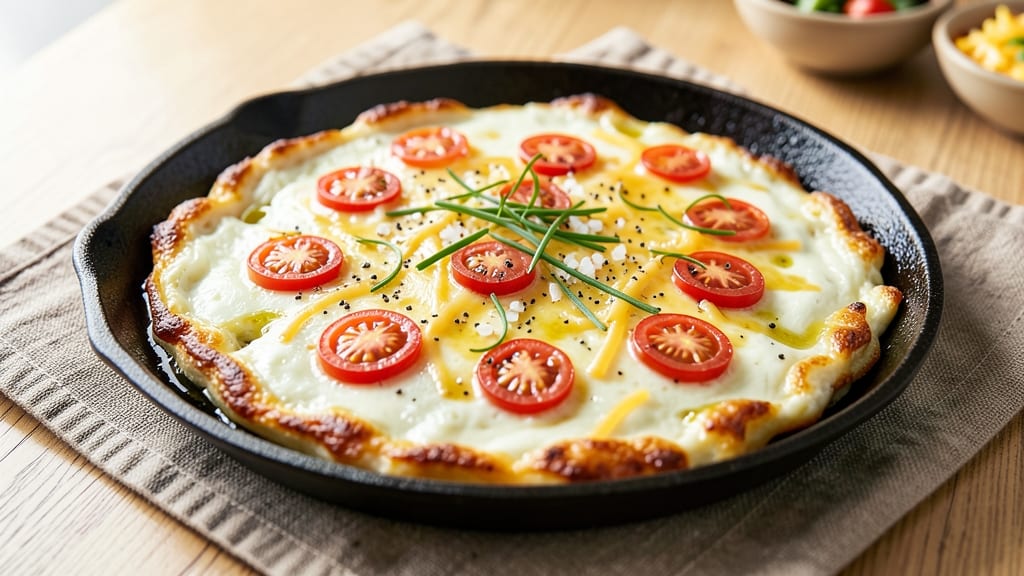
This stovetop egg white frittata recipe delivers light, airy perfection without a single yolk—no oven required. 🌟 The secret lies in gentle heat and constant motion, creating fluffy layers that hold together beautifully.
I perfected this method after years of struggling with dense, rubbery egg white dishes, and the results are restaurant-quality without the guilt.
What makes this recipe work is the technique: low heat, continuous stirring, and a splash of water to steam the egg whites into tender clouds. You'll never need an oven again for this dish—just a nonstick skillet and about 10 minutes of focused attention.
The texture is surprisingly rich and satisfying, with a delicate set that's perfect for brunch or a protein-packed dinner.
This frittata transforms simple egg whites into a fluffy, protein-rich main dish that's lighter than traditional versions but just as delicious. The gentle cooking method preserves moisture while creating a tender, almost custard-like interior with a lightly set exterior.
It's the ideal solution for those watching cholesterol or simply craving a lighter breakfast option.
Serve it warm with fresh herbs, a sprinkle of reduced-fat cheese, or a side of roasted vegetables for a complete meal. The possibilities for customization are endless—add sautéed mushrooms, spinach, or diced bell peppers for extra flavor without compromising the light texture. Let's create this guilt-free masterpiece.
Ingredients for stovetop egg white frittata
Twelve ingredients transform simple egg whites into a restaurant-quality frittata without oven or yolk.
| Ingredient | Amount | Notes |
|---|---|---|
| Liquid Egg Whites 🥚 | 12 oz | Pasture-raised preferred, cold |
| Extra-Virgin Olive Oil 🫒 | ¼ cup | Light variety for delicate flavor |
| Fresh Chives 🌿 | ¼ cup | Finely chopped, for garnish |
| Reduced-Fat Shredded Cheddar Cheese 🧀 | ½ cup | Freshly shredded for best melt |
| Diamond Crystal Kosher Salt 🧂 | ½ tsp | Adjust to taste |
| Freshly Ground Black Pepper 🌶️ | ¼ tsp | Coarsely cracked |
| Water 💧 | 2 tbsp | Room temperature |
| Fresh Spinach 🌱 | 1 cup | Chopped, loosely packed |
| Red Bell Pepper 🍆 | ½ cup | Diced, seeds removed |
| Nonstick Cooking Spray 🫒 | 1 tbsp | Olive oil-based preferred |
| Freshly Squeezed Lemon Juice 🍋 | 1 tsp | Brightens flavor |
| Unsalted Butter 🧈 | 1 tbsp | For skillet preparation |
The liquid egg whites are the foundation—pasture-raised delivers superior texture and protein quality. Most grocery stores carry them in the refrigerated section near the eggs, but specialty markets like Whole Foods or Trader Joe's often stock higher-quality options. For best results, keep them cold until ready to use—room temperature egg whites whip poorly. The extra-virgin olive oil should be light in flavor to avoid overpowering the delicate egg whites; California avocado oil is another excellent choice if you prefer a neutral base. Fresh herbs like chives elevate the dish without adding bulk, and their vibrant color makes for an appealing presentation.
No fresh spinach? Frozen works in a pinch—thaw and drain thoroughly before chopping. The red bell pepper can be swapped for yellow or green, but red provides the best natural sweetness. If you're avoiding dairy entirely, omit the cheese or use nutritional yeast for a cheesy flavor without the fat. The lemon juice is crucial for balancing the richness of the egg whites and cheese—bottled lemon juice lacks the brightness of fresh, so always use freshly squeezed when possible. For those watching calories, reduce the cheese to 0.25 cup and increase the spinach to 1.5 cups for added volume.
Prevent sticking by lightly coating the skillet with nonstick spray before adding butter—this creates a dual barrier against adhesion. Store leftovers in an airtight container for up to 3 days in the refrigerator, though the texture softens slightly after the first day. For longer storage, portion into individual servings and freeze for up to 2 months. Reheat gently in the skillet over low heat with a splash of water to restore moisture. The frittata reheats beautifully but is best enjoyed fresh when the texture is at its peak.
Why You'll Love This Recipe
- One-Pan Magic: I swear by this recipe when I’m too tired to load the dishwasher. Just one skillet, a splash of olive oil, and you’re done—no extra bowls or utensils clogging my sink. The egg whites cook up fast, and the cheese melts right into that golden crust with zero fuss.
- Cheesy-Garlicky Bliss: That reduced-fat cheddar? It’s the star—salty, sharp, and just melty enough to make you forget it’s "light." Toss in fresh chives at the end, and suddenly you’ve got a flavor punch that tastes way more restaurant-worthy than it should.
- Meal-Prep MVP: I make a big batch on Sundays and slice it up for lunches all week. The texture holds up perfectly—no soggy egg whites here—so I can grab a portion cold or reheat it in seconds. Honestly, it’s my go-to for busy mornings.
- Budget Breakthrough: Egg whites are my wallet’s best friend—cheap, protein-packed, and they stretch into a whole meal. Add a handful of chives and a sprinkle of cheese, and suddenly you’ve got a satisfying, high-protein dish that costs next to nothing. (Yes, even on a Tuesday night.)
Step-by-step instructions for stovetop egg white frittata
Master this light, protein-packed technique for perfectly fluffy egg whites every time.
🍳 Step 1: Prep the Skillet and Sauté Vegetables
Heat the 1 tablespoon unsalted butter in a 10-inch nonstick skillet over medium heat until it melts and begins to foam. Add the 0.5 cup diced red bell pepper and cook for 3-4 minutes until the edges soften slightly but still hold shape. Here's the thing—you want just enough cooking to release flavor without turning the peppers mushy.
Add the 1 cup chopped fresh spinach and sauté for 1-2 minutes until just wilted. The spinach should collapse into the peppers, creating a vibrant base. Remove the skillet from heat and set aside temporarily—this prevents overcooking while you prepare the egg mixture.
👨🍳 Step 2: Whisk Egg Whites with Seasonings
In a large bowl, whisk together the 12 oz liquid egg whites with the 0.5 tsp Diamond Crystal kosher salt and 0.25 tsp freshly ground black pepper until no streaks remain. The mixture should look completely smooth and homogeneous. Add the 2 tablespoons room temperature water and whisk again until fully incorporated.
This step is critical for texture—water creates steam pockets that give your frittata that signature cloud-like fluffiness. I like to whisk vigorously for about 30 seconds after adding water to ensure even distribution. The egg whites should be slightly thicker than their original consistency.
🥘 Step 3: Combine and Cook the Frittata
Return the skillet to medium heat and add the 0.25 cup extra-virgin olive oil, swirling to coat the bottom evenly. Pour in the egg white mixture, tilting the skillet slightly to distribute it evenly. Sprinkle the 0.5 cup reduced-fat shredded cheddar cheese evenly over the surface.
Cook undisturbed for 4-5 minutes until the edges begin to set and the top shows slight browning around the edges. Here's where patience pays off—resist the urge to stir. The bottom should look golden and just barely firm when you gently shake the skillet.
🔥 Step 4: Finish with Heat and Garnish
Increase heat to medium-high and cook for another 3-4 minutes until the center is mostly set but still slightly custardy. The frittata should pull away from the edges easily when you lift a corner with a spatula. Drizzle the 1 tsp freshly squeezed lemon juice over the top and sprinkle with the 0.25 cup finely chopped fresh chives.
For the final touch, cover the skillet with a lid and let it steam for 1 minute. This creates that signature cloud-like texture in the center. Slide the frittata onto a plate, cut into wedges, and serve immediately while still warm and fluffy.
Pro Tips For Making Stovetop Egg White Frittata
- Heat the Pan First: Skip the "wait for it to warm" guesswork—get that nonstick pan smoking hot with olive oil for 30 seconds before adding egg whites. I learned this the hard way when my first batch turned into sad, rubbery pancakes instead of a golden crust. High heat. Seriously, crank it up.
- Salt the Egg Whites: Toss in ½ teaspoon of kosher salt directly with the egg whites before whisking—it dissolves better and seasons the whole thing evenly. I used to sprinkle it later, and half the time it just pooled at the bottom like a sad, salty afterthought.
- Distribute Cheese in Stages: Sprinkle half the cheese after the egg whites set slightly (about 2 minutes in), then fold gently before adding the rest. This prevents a single clump of melty cheese from turning your frittata into a cheesy lava lamp. Yes, even if you're impatient like me.
- Finish with Chives Raw: Save a handful of chopped chives to scatter on top right before serving—no cooking. The heat wilts them into oblivion if you add them earlier, and you’ll end up with a flavorless, sad garnish. Trust me, the fresh bite makes all the difference.
Common mistakes when making perfect results
Overheating the Egg Whites
Egg whites cook fast—once they hit the skillet, medium heat is your friend, not medium-high. I’ve ruined countless batches by cranking the heat too high, which causes the proteins to set too quickly on the bottom while the top remains runny.
The result? A dense, rubbery mess instead of fluffy clouds. Keep the heat consistent at medium until the edges set, then bump to medium-high for the final 3-4 minutes only.
Pro tip: If your skillet isn’t 10-inch, adjust the heat accordingly. Smaller skillets need lower heat to prevent scorching, while larger ones can handle slightly more. Always prioritize gentle cooking—patience wins every time. 🔥
Skipping the Water
The 2 tablespoons of water is non-negotiable for that signature fluffiness. Without it, your frittata will turn out dense and compact, like a sad omelet. The water creates steam pockets that lift the egg whites into light, airy layers.
I once made this recipe without water (thinking it was optional), and the texture was disappointing—don’t skip this step!
For best results, use room temperature water—cold water can cause the egg whites to curdle slightly. If you’re worried about adding too much liquid, trust the recipe. The water evaporates during cooking, leaving behind a tender, cloud-like interior. 💫
Stirring Too Early
Resist the urge to stir the frittata while it’s cooking—this breaks up the delicate structure you’re trying to build. The first 4-5 minutes should be hands-off. Stirring too soon causes the egg whites to deflate, leading to a flat, uneven texture.
Only stir once the edges start to set and the top shows slight browning.
If you’re unsure whether it’s ready to stir, do the gentle shake test: Lift the skillet slightly—if the frittata moves as one piece, it’s not time. If it wobbles slightly but holds together, that’s your cue. Patience here makes all the difference. ✨
Using Old or Warm Egg Whites
Cold, fresh egg whites are your secret weapon for fluffy texture. If they’ve been sitting out too long or are slightly warm, they won’t whip or steam properly.
Always use cold egg whites straight from the fridge—let them sit in the carton for 5-10 minutes to reach fridge temperature if they’ve been thawing.
Pro move: If your egg whites are in a carton with a straw, give it a good shake before measuring to redistribute any separated liquid.
This ensures even texture and prevents clumps. Never use egg whites that smell off or have a yellowish tint—these are signs of spoilage. 🥚
Overcrowding the Skillet
Too much filling in the skillet can lead to a soggy, uneven frittata. Stick to the 1 cup spinach and 0.5 cup bell pepper ratio—any more, and you risk steaming the vegetables instead of cooking them.
Overcrowding also makes it harder for the egg whites to set properly, leading to a gummy texture.
If you’re adding extra veggies, like mushrooms or onions, sauté them separately in a small pan first and then fold them into the egg mixture. This keeps the skillet from getting overloaded. Less is more—trust the recipe’s balance. 🌱
Nutrition facts
Frequently asked questions
Can I make this frittata without cheese?
Skip the cheddar and boost flavor with 1 tablespoon nutritional yeast for a cheesy taste without dairy, or add 1/4 cup crumbled feta for a tangy twist. The egg whites will still create that signature fluffy texture—just omit the 0.5 cup cheese and adjust the lemon juice to 1.5 teaspoons for brightness.
How do I reheat leftovers without drying them out?
Reheat slices in a nonstick skillet over low heat for 2-3 minutes per side, adding 1 teaspoon water to create steam. For microwave reheating, cover with a damp paper towel and heat for 15-20 seconds. Never reheat to high temps—this turns egg whites rubbery. The goal is to restore moisture, not re-cook.
Can I use frozen spinach instead of fresh?
Yes, but thaw and drain it thoroughly first to avoid excess moisture. Use 1/2 cup thawed spinach (about 1 cup frozen) and squeeze out all liquid with a clean towel. Overcrowding with wet veggies makes the frittata soggy. For extra flavor, sauté the spinach with 1/4 teaspoon garlic powder before adding to the skillet.
Why did my frittata turn out dense instead of fluffy?
Most likely you skipped the water or used warm egg whites. The 2 tbsp water creates steam pockets for fluffiness, while cold egg whites set properly. Also check your heat—medium-high too soon causes dense bottoms. For next time, whisk the egg whites with ice water (1 tbsp) and cook on medium-low until edges set.
What's the best way to serve this for brunch?
Slice into wedges and serve with:
- Avocado slices and hot sauce for a Mexican-inspired brunch
- Fresh berries and maple syrup for a sweet-savory combo
- Everything bagel seasoning for a New York-style twist Pair with roasted potatoes or a simple arugula salad for a complete meal. The frittata holds together well when cut—just serve immediately after cooking.